Sleep Checkups Abroad: When Snoring Is a Symptom and When It Needs Testing

Key Takeaways
- Occasional snoring is often linked to temporary factors such as nasal congestion, alcohol, or sleeping position.
- Loud, frequent snoring with pauses in breathing, choking, or daytime sleepiness may suggest obstructive sleep apnea.
- Sleep testing helps distinguish simple snoring from a breathing disorder and guides treatment choices.
- Lifestyle changes, nasal care, oral appliances, CPAP, and sometimes surgery can reduce symptoms depending on the cause.
- Traveling for evaluation can make sense when access to sleep medicine is limited, but follow-up planning matters.
Snoring is common, but it is not always harmless. In some people, it can be a sign that breathing is repeatedly interrupted during sleep and should be assessed with a sleep test.
Overview
Snoring happens when air moves through a narrowed or partially blocked upper airway during sleep, making nearby tissues vibrate. For many people, it is an occasional nuisance rather than a medical problem. For others, it is the most visible clue that breathing is being disrupted overnight.
The practical question is not simply whether someone snores, but how they snore and what else is happening around it. A person who snores after a long day or during a cold is in a different situation from someone whose snoring is nightly, loud, and paired with pauses, gasping, or unrefreshing sleep. Those extra details help determine whether a basic checkup is enough or whether sleep testing is the better next step.
For international patients, this distinction matters even more. If someone is considering evaluation abroad, it helps to know whether the goal is reassurance, diagnosis, or a full sleep study with a plan that can be continued safely once they return home.
Symptoms
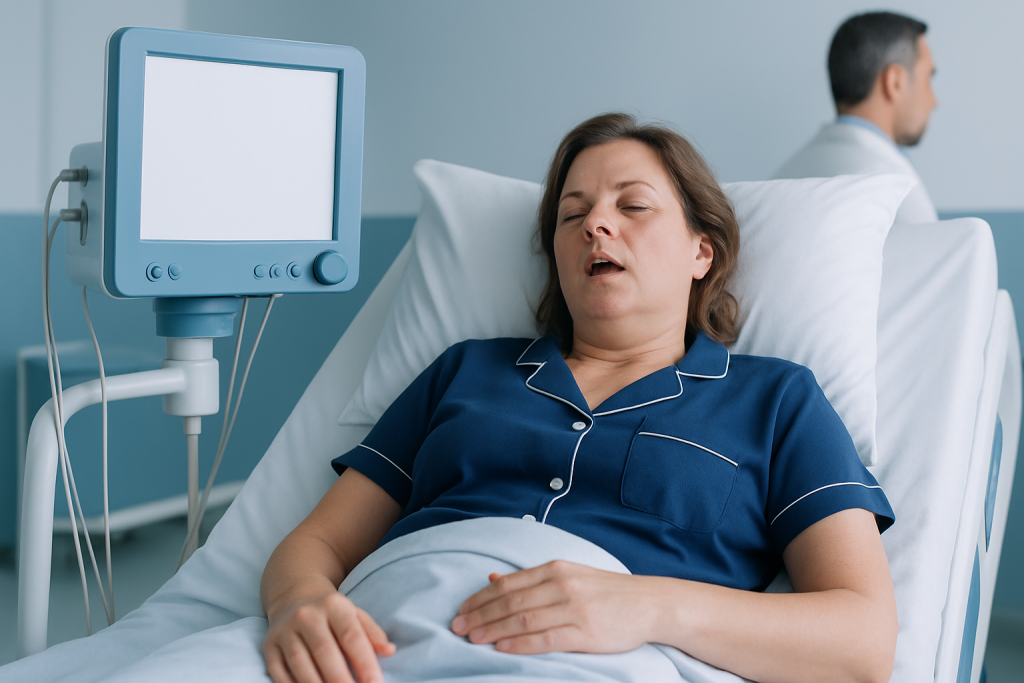
Snoring itself can sound different from one person to another. It may be soft and intermittent, or deep, loud, and persistent. The pattern often gives a clue about whether the airway is mildly narrowed or more significantly obstructed during sleep.
Features that can suggest a more important sleep-related breathing issue include:
- Pauses in breathing that are noticed by a bed partner
- Choking, snorting, or gasping during sleep
- Restless sleep or frequent position changes
- Morning headaches or a dry mouth on waking
- Daytime sleepiness, fatigue, or trouble concentrating
- Irritability, poor memory, or reduced alertness
People sometimes assume that snoring only matters if the snorer feels tired. In reality, some patients adapt to chronic poor sleep and do not recognize it as abnormal. A partner, family member, or travel companion may be the first to notice the breathing pattern that points toward a need for testing.
Causes & Risk Factors

Snoring usually reflects a narrowing somewhere in the upper airway, most often at the nose, soft palate, tongue base, or throat. That narrowing can be temporary, as with a blocked nose from allergies or a cold, or more stable because of anatomy and body composition.
Common contributors include nasal congestion, alcohol use before bed, sedative medications, sleeping on the back, extra weight around the neck, enlarged tonsils, and naturally smaller or more crowded airway anatomy. Age can also play a role, because muscle tone in the throat may change over time.
Some people are more likely to develop troublesome snoring or obstructive sleep apnea if they have:
- Family history of snoring or sleep apnea
- Chronic nasal obstruction or allergies
- Neck or upper airway crowding
- Obesity or recent weight gain
- Smoking, which can irritate and swell airway tissues
- Hormonal or medical conditions that affect breathing or sleep quality
It is important to note that thin people can snore and can also have sleep apnea. Body size is only one part of the picture, so a proper evaluation should not stop with assumptions.
Diagnosis
Diagnosis starts with a careful history. A clinician will usually ask how often the snoring occurs, whether breathing pauses have been observed, how rested the person feels during the day, and whether nasal symptoms, reflux, alcohol, or medications may be contributing.
A physical examination may include the nose, mouth, throat, jaw, neck, and general body habitus. In some cases, the doctor may look for enlarged tonsils, a deviated septum, chronic nasal swelling, or other features that make the airway narrower during sleep. Depending on the situation, additional assessment may include ENT evaluation or a sleep medicine consultation.
When the concern is simple snoring, a sleep study may not always be necessary. When obstructive sleep apnea is suspected, however, testing becomes much more important. This may be done through an in-lab polysomnography study or, in selected patients, a home sleep apnea test. The right choice depends on symptoms, medical history, and how clear the diagnosis appears after the initial assessment.
Treatment Options
Treatment is tailored to the cause and to how much the snoring affects sleep quality, breathing, and daily functioning. If the snoring is related to a temporary issue such as nasal congestion, treatment may focus on that problem first. If the airway is repeatedly collapsing during sleep, a more structured approach is needed.
Common options include lifestyle measures, nasal treatment, oral appliances, continuous positive airway pressure (CPAP), and in selected cases surgery. Lifestyle changes may include reducing alcohol near bedtime, improving sleep position, managing weight when appropriate, and treating allergies or reflux. Oral appliances are custom devices that help keep the airway open, and they are often considered for mild to moderate sleep-disordered breathing or for patients who cannot tolerate CPAP.
CPAP is a standard treatment for many people with obstructive sleep apnea. It uses gentle air pressure to keep the airway open during sleep. Surgery may be considered when there is a clear structural problem, such as enlarged tonsils, significant nasal blockage, or another anatomical issue that can be corrected. The best results usually come from matching the treatment to the specific reason the airway is narrowing, rather than using a one-size-fits-all approach.
Prevention & Self-care
Not every cause of snoring can be prevented, but several habits can reduce it or make it less frequent. Sleeping on the side rather than the back can help some people, especially when snoring is position-related. Keeping the nose as clear as possible also matters, particularly for those with allergies or chronic congestion.
Helpful self-care steps may include:
- Avoiding alcohol close to bedtime
- Reviewing sedating medicines with a clinician if snoring or sleepiness has worsened
- Managing weight in a gradual, realistic way when appropriate
- Treating allergies, sinus problems, or nasal blockage
- Maintaining a regular sleep schedule
- Using a humidified environment if dryness worsens nighttime symptoms
For people traveling for a sleep checkup, it helps to bring a symptom history, medication list, and if possible, a report from a bed partner or family member describing the snoring and any breathing pauses. That information can make the visit more efficient and improve the chance of getting the right test the first time.
When to See a Doctor
Medical evaluation is a good idea when snoring is loud, frequent, or disruptive, especially if it is accompanied by daytime sleepiness or breathing pauses. It is also worth discussing if snoring has started recently, has clearly worsened, or is affecting work, driving alertness, mood, or relationships.
A doctor should be seen sooner if there are choking episodes during sleep, morning headaches, high blood pressure that is difficult to control, or a history of heart or lung disease. In children, loud snoring, mouth breathing, restless sleep, or behavioral changes should also be assessed.
For international patients, a sleep evaluation abroad can be useful when specialized testing or expert review is needed and local access is limited. Acibadem Health Point works with multidisciplinary specialists and JCI-accredited hospitals that diagnose and treat sleep-related breathing conditions for international patients, helping connect assessment with follow-up planning after travel.
Frequently asked questions
Is snoring always a sign of sleep apnea?
No. Many people snore without having sleep apnea, especially when the cause is temporary congestion, alcohol, or sleeping on the back. The concern rises when snoring is loud, frequent, and paired with breathing pauses, gasping, or daytime sleepiness.
What is the difference between a sleep checkup and a sleep study?
A sleep checkup is the clinical assessment: symptoms, history, and physical examination. A sleep study is the test that records breathing and sleep patterns to confirm whether a sleep disorder is present.
Can someone need testing even if they do not feel tired?
Yes. Some people do not notice their own sleepiness, and others have adapted to long-term poor sleep. If a partner notices pauses in breathing or the snoring is severe, testing may still be appropriate.
Does losing weight always stop snoring?
Weight loss can reduce snoring for some people, but it does not solve every case. Structural factors, nasal blockage, and sleep position can also contribute, so an evaluation is useful before assuming one cause.
Are home sleep tests reliable?
Home sleep apnea tests can be helpful for selected adults when the main concern is obstructive sleep apnea. They are not ideal for every situation, so a clinician decides whether a home test or an in-lab study is more appropriate.
Should travelers delay evaluation until they return home?
Not necessarily. If symptoms are significant, it can be reasonable to complete an initial assessment and even testing during travel, as long as follow-up plans are clear. The important part is making sure the results can be reviewed and acted on after the trip.
References
- American Academy of Sleep Medicine
- National Heart, Lung, and Blood Institute
- Mayo Clinic
- NHS
- World Health Organization
This article is for general information only and is not a substitute for professional medical advice. Please consult a qualified doctor about your individual situation.
More from the Health Library

Persistent Fatigue: The Most Common Causes Doctors Try to Rule Out First

Breast Cancer Surgery Abroad: How Doctors Choose Between Lumpectomy, Mastectomy, and Reconstruction