Skull

Key Takeaways
- The skull is made of several bones that protect the brain and shape the face.
- Skull problems can include fractures, congenital differences, infections, tumors, and joint or sinus-related issues.
- Symptoms vary widely and may include pain, swelling, deformity, neurological changes, or difficulty with chewing and vision.
- Diagnosis may involve physical examination, imaging, and specialist review.
- Prompt medical evaluation is important after head trauma, especially if symptoms appear or worsen.
The skull is the bony framework of the head, built to protect the brain and support the face, jaw, eyes, and upper airway. Understanding its structure can help people recognize injuries or conditions that need medical attention and make informed choices about care.
Overview
The skull is more than a hard shell around the brain. It is a carefully shaped framework made of bones, sutures, and openings that support the eyes, nose, mouth, ears, and the upper airway while protecting the brain and spinal cord connection.
For many people, the skull only becomes a concern after an injury or a scan reveals something unexpected. In reality, skull health affects everyday functions such as chewing, hearing, facial movement, and balance between the structures of the head and neck. That is why understanding the skull can be useful even before any problem appears.
In international care settings, skull-related concerns are often reviewed by teams that may include emergency doctors, neurologists, neurosurgeons, ENT specialists, maxillofacial surgeons, and radiologists. The exact pathway depends on whether the issue is traumatic, structural, infectious, or related to another condition.
Symptoms
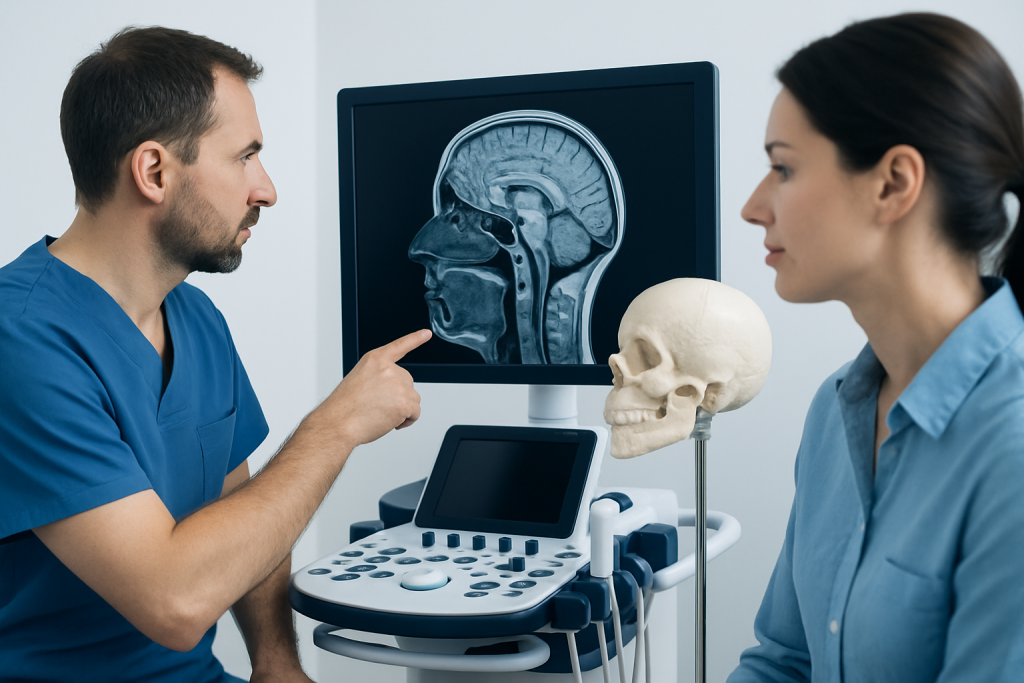
Symptoms involving the skull are often shaped by the underlying cause rather than the bone itself. A person may notice pain, tenderness, swelling, a visible bump, or a change in head shape after injury. In some cases, the first sign is a symptom caused by pressure on nearby nerves or brain tissue.
Head trauma can be especially important to evaluate if it is followed by headache that does not settle, vomiting, confusion, fainting, memory changes, unusual sleepiness, vision changes, or fluid leaking from the nose or ear. These signs do not always mean there is a serious injury, but they do deserve prompt medical assessment.
Other skull-related conditions may present more gradually. For example, sinus disease can cause facial pressure, pain, or swelling near the forehead and cheeks, while problems involving the jaw joints or facial bones may create clicking, restricted movement, or uneven bite alignment. In children, skull shape changes may be noticed by parents during growth and development.
Causes & Risk Factors
The most common reason people seek help for a skull issue is trauma, such as a fall, sports impact, road traffic incident, or direct blow to the head. Some injuries affect only the scalp or outer bone layer, while others can involve fractures, bleeding, or deeper brain injury.
Not all skull conditions come from injury. Congenital differences, such as premature fusion of skull sutures or other developmental variations, may change head shape in infancy or childhood. In adults, skull problems can also arise from infections, bone disorders, tumors, inflammatory conditions, or complications related to the sinuses, ears, or teeth.
Risk is higher in situations where the head is exposed to repeated impacts, bone strength is reduced, or a person has conditions that affect healing or blood clotting. Children, older adults, and people taking blood-thinning medicines may need especially careful evaluation after head injury, even when the injury seems mild at first.
- Falls from height or on slippery surfaces
- Contact sports without proper protection
- Vehicle collisions or workplace accidents
- Bone fragility, certain chronic illnesses, or long-term steroid use
- Infections that spread from the sinuses, ears, or teeth
Diagnosis
Diagnosis usually begins with a detailed history and a physical examination. The doctor will want to know how the injury or symptom started, whether there was loss of consciousness, and whether there are signs of nerve, eye, jaw, or ear involvement. For children, growth history and head shape changes may be especially important.
Imaging is often used when a fracture, structural change, or deeper complication is suspected. A CT scan is commonly chosen for trauma because it can show bone injury and bleeding quickly, while an MRI may be useful when soft tissues, nerves, or certain masses need closer review. X-rays are used less often for many skull concerns, depending on the situation and the information needed.
When the cause is not obvious, the evaluation may extend to laboratory tests, dental or ENT assessment, and specialist consultation. For patients traveling from another country, it can help to bring previous scans, discharge summaries, medication lists, and a simple timeline of symptoms so the receiving team can compare findings and plan next steps efficiently.
Treatment Options
Treatment depends entirely on what is affecting the skull. Small, uncomplicated injuries may only need rest, observation, pain relief recommended by a clinician, and follow-up to make sure symptoms settle as expected. Some fractures heal on their own with close monitoring, while others need stabilization or surgery if bone fragments are displaced or nearby structures are involved.
If there is pressure on the brain, bleeding, infection, or a growing lesion, treatment may become more urgent and may involve neurosurgical or surgical care. Conditions affecting the face, jaw, or sinuses may be managed by ENT or maxillofacial specialists, sometimes alongside antibiotics, drainage procedures, or reconstructive treatment. The best plan is usually chosen by a team rather than one specialist working alone.
Recovery can include short-term rest, activity limits, follow-up imaging, rehabilitation, and gradual return to work or school. International patients often benefit from a clear aftercare plan before leaving the hospital, including instructions for warning signs, wound care, medication review, and a contact pathway for questions once they return home.
Prevention & Self-care
Not every skull problem can be prevented, but sensible protective habits lower risk. Seat belts, child car seats, helmets for cycling or motor sports, and fall-prevention measures at home are practical steps that reduce the chance of head injury. In workplaces with impact risk, following safety rules and using proper equipment matters just as much.
After a known head injury, self-care should stay conservative until a clinician advises otherwise. Rest, hydration, and avoiding alcohol or activities that could lead to another blow are sensible early measures. It is also wise to keep a close eye on symptoms for the first day or two, since some problems become clearer only after time has passed.
For people with underlying bone conditions, regular follow-up, medication adherence, and attention to nutrition and overall health can support bone strength and healing. When traveling for treatment, carrying copies of imaging reports, emergency contacts, and a current medication list can make follow-up care safer and smoother.
When to See a Doctor
Medical review is advisable after any head injury that causes loss of consciousness, repeated vomiting, worsening headache, confusion, seizures, weakness, speech trouble, or changes in vision, hearing, or balance. A visible dent, deep cut, significant swelling, or suspected fracture also deserves prompt assessment.
Even without trauma, a person should seek evaluation if head shape changes, facial swelling persists, chewing becomes painful, or symptoms linked to the sinuses, ears, or eyes do not improve. In children, new asymmetry or a skull contour change should be discussed with a pediatric specialist rather than watched for too long without advice.
For people arranging care across borders, it is reasonable to seek a specialist opinion when local assessments remain uncertain, when surgery has been suggested, or when symptoms are complex and involve several structures of the head and face. Acibadem Health Point’s multidisciplinary specialists and JCI-accredited hospitals diagnose and treat skull-related conditions for international patients with coordinated follow-up planning.
Conclusion
The skull is a protective structure with a surprisingly wide medical role. It supports the brain and senses, helps define facial function, and can signal important health issues when its shape, integrity, or nearby structures are affected.
Most skull concerns can be assessed effectively when they are brought to medical attention early and reviewed by the right specialists. A calm, step-by-step approach usually provides the clearest path from diagnosis to recovery.
References
World Health Organization
Mayo Clinic
National Institute of Neurological Disorders and Stroke
National Health Service (NHS)
Merck Manual Consumer Version
Frequently asked questions
What is the skull made of?
The skull is made of several bones that fit together to form the head and protect the brain. It also includes the facial bones and the lower jaw, which work with the skull to support chewing, speech, vision, and breathing.
How can someone tell if a skull fracture is present?
A skull fracture may cause pain, swelling, tenderness, or a visible change in head shape, but sometimes the signs are subtle. Because some fractures occur with brain injury or bleeding, imaging and medical examination are often needed to confirm the diagnosis.
Is every head injury an emergency?
Not every head injury is an emergency, but some need urgent assessment. Worsening headache, repeated vomiting, confusion, loss of consciousness, weakness, seizure, or fluid leaking from the nose or ear should be evaluated promptly.
Can skull shape changes happen without trauma?
Yes. Skull shape changes can be related to growth differences, congenital conditions, or less commonly bone disease or other medical problems. In children, these changes should be reviewed by a doctor rather than assumed to be harmless.
What imaging test is most useful for skull problems?
The best imaging test depends on the suspected problem. CT is often preferred for trauma and fractures, while MRI can help when soft tissues, nerves, or masses need closer evaluation.
When should a person travel for specialist care?
Travel for specialist care may be reasonable when the diagnosis is unclear, surgery is being considered, or several areas such as the brain, face, jaw, ears, or sinuses are involved. Bringing previous reports and scans helps the receiving team plan care more efficiently.
References
- World Health Organization
- Mayo Clinic
- National Institute of Neurological Disorders and Stroke
- National Health Service (NHS)
- Merck Manual Consumer Version
This article is for general information only and is not a substitute for professional medical advice. Please consult a qualified doctor about your individual situation.