Whats

Key Takeaways
- A name alone is not enough to understand a health issue; symptoms and context matter.
- Unclear or incomplete terms should be clarified before treatment decisions are made.
- A clinician usually starts with a history, physical examination, and targeted tests if needed.
- Urgent care is important if symptoms are severe, sudden, or affect breathing, consciousness, or chest pain.
- Keeping a written record of symptoms, timing, and triggers can make a remote or in-person consultation more useful.
The term Whats is unclear and may refer to a symptom, condition, or a typographical placeholder rather than a specific diagnosis. This article explains how to think about an uncertain health topic, what information matters, and how a doctor would usually evaluate it.
Overview
When a medical term is unclear, the most useful question is often not “What is the treatment?” but “What exactly is being described?” A vague label can hide several very different possibilities, some minor and some more serious. Clarifying the term helps avoid unnecessary worry and prevents the wrong treatment from being chosen.
For people seeking care across borders, this step matters even more because terminology may vary by country, specialty, or translation. Bringing copies of reports, imaging results, medication lists, and a brief symptom timeline can make the consultation more efficient and more accurate.
Symptoms
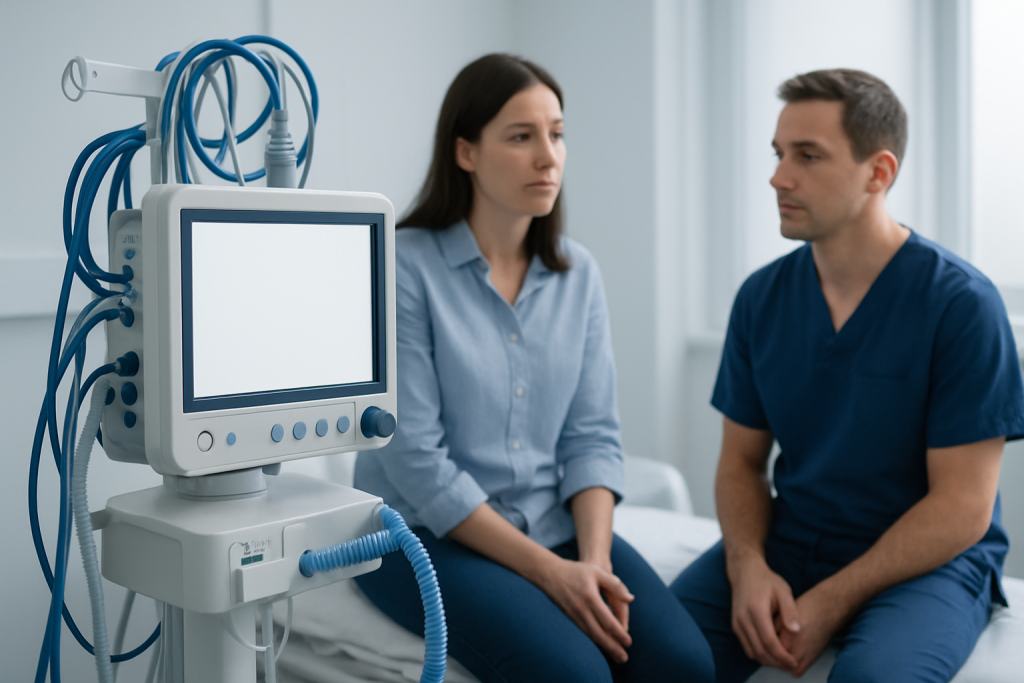
If “Whats” refers to an actual symptom rather than a diagnosis, the symptoms surrounding it matter most. Doctors usually ask what the person feels, where it happens, how long it lasts, whether it is constant or intermittent, and what makes it better or worse.
Helpful details may include pain, swelling, fever, fatigue, shortness of breath, dizziness, skin changes, digestive symptoms, or changes in function. Even if the symptom seems minor, a pattern over time can provide important clues.
- When the symptom started
- Whether it came on suddenly or gradually
- Any triggers, such as food, exercise, stress, travel, or injury
- Any associated warning signs, such as fever, fainting, chest discomfort, or neurologic changes
People often underestimate the value of describing how symptoms affect daily life. A small change in walking, sleep, appetite, concentration, or bladder/bowel habits can sometimes be more informative than a single dramatic event.
Causes & Risk Factors

Some people discover an unfamiliar term in a report and assume it is a diagnosis. Others use a shorthand phrase that their doctor or another patient used, without realizing that the exact meaning may differ by specialty. Both situations are common, and both are solvable with a careful review.
When the cause is unclear, doctors often think in categories: sudden versus gradual, localized versus widespread, inflammatory versus structural, and acute versus chronic. This framework helps narrow the list of possibilities and guides the most appropriate next test or referral.
Diagnosis
If the term “Whats” came from an online search, a family conversation, or a fragmented report, the doctor may need to reconstruct the problem from the beginning. That is normal. Good medicine often starts with sorting out language before sorting out treatment.
In some cases, the clinician may conclude that no dangerous disease is present. In others, a more detailed workup is necessary. Either result can be valuable, because uncertainty is best handled with evidence rather than assumptions.
Treatment Options
International patients often benefit from a team-based approach, because multiple specialists can review the same problem from different angles. That can be especially useful when symptoms overlap several body systems or when prior tests have not given a complete answer.
Before starting treatment abroad, it is reasonable to ask how follow-up will work after returning home, which warning signs matter, and what records should be shared with the next provider. Clear planning makes care safer and less stressful.
Prevention & Self-care
Self-care is most effective when it is specific and temporary. If symptoms are not improving as expected, or if they are steadily getting worse, it is better to seek medical advice than to keep guessing.
Patients planning international treatment should also think ahead about recovery. A follow-up plan, access to medications, and knowing which symptoms require urgent attention can make the transition home smoother.
When to See a Doctor
It is also reasonable to seek advice when symptoms interfere with work, sleep, eating, movement, or daily routines, even if they are not dramatic. Persistent problems deserve attention because they may be easier to treat early.
If a person is preparing to travel for care, getting questions answered before departure is especially helpful. Understanding the diagnosis, expected recovery, and follow-up needs makes the whole experience more predictable and safer.
Frequently asked questions
What does Whats mean in a medical context?
As written, it does not correspond to a standard diagnosis. It may be a typo, a placeholder, or an incomplete term that needs clarification from a report or clinician.
Can a doctor diagnose a problem from a name alone?
Usually not. Doctors need the symptoms, timing, exam findings, and sometimes test results to understand what the name actually refers to.
What should a patient bring to the appointment?
Previous reports, imaging discs or digital files, medication lists, allergy information, and a short symptom timeline are all helpful. These details can make the visit more efficient, especially if the patient is traveling internationally.
How do doctors decide which tests are needed?
They choose tests based on the most likely causes from the history and exam. The goal is to use the fewest tests needed to reach a safe and accurate answer.
Is it okay to wait and watch if the symptom is mild?
Sometimes, yes, if there are no warning signs and the symptom is improving. If it persists, worsens, or becomes harder to explain, medical advice is a sensible next step.
When should emergency help be sought?
Emergency care is important for chest pain, breathing difficulty, fainting, sudden weakness, confusion, heavy bleeding, or other severe sudden changes. These symptoms need prompt evaluation rather than home monitoring.
References
- National Institutes of Health
- Mayo Clinic
- World Health Organization
- Merck Manual Professional Edition
- NHS
This article is for general information only and is not a substitute for professional medical advice. Please consult a qualified doctor about your individual situation.
More from the Health Library



Related Specialists

Dr. İsmail Beşiroviç
Inpatient Clinic Physicians Clinical Service
Prof. Dr. Yurtkuran Sadıkoğlu
Interventional Radiology
Dr. Abdullah Doğan
Cardiovascular Surgery
Prof. Dr. Enis Rauf Coşkuner
Urology