Skeletal System
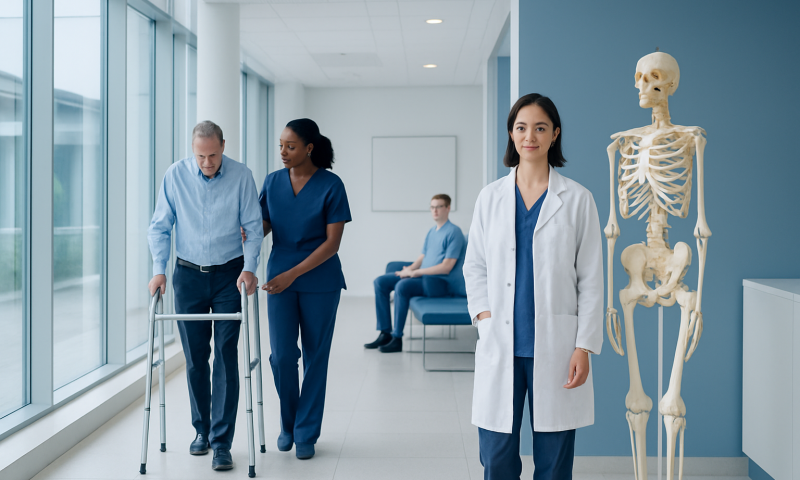
Key Takeaways
- The skeletal system is more than bones alone; it also includes joints, cartilage, ligaments, and connective tissues that work together for stability and movement.
- Bone health changes over time, so nutrition, physical activity, posture, and injury prevention all matter at every age.
- Pain, swelling, deformity, reduced range of motion, or repeated fractures may signal an orthopedic issue that needs medical evaluation.
- Imaging tests and clinical examination are often used together to diagnose skeletal problems accurately.
- Many skeletal conditions can be managed with a combination of rest, rehabilitation, medicines, bracing, or surgery when needed.
The skeletal system gives the body shape, supports movement, protects vital organs, and stores important minerals. Understanding how it works can help patients recognize common bone and joint problems early and make better choices for long-term bone health.
Overview
The skeletal system is the body’s structural framework. It keeps the body upright, gives it shape, and creates the leverage needed for movement. Far from being a fixed scaffold, it is a living system that constantly renews itself, responds to load, and adapts to activity.
In practical terms, the skeletal system includes bones, joints, cartilage, ligaments, and the tissues that connect them. These parts do different jobs, but they are closely linked. When one part is strained or injured, the others often compensate, which is why a problem in a single joint or bone can affect walking, lifting, posture, or balance.
For patients considering orthopedic care, especially those traveling from another country, it helps to think of bone and joint health as a whole picture rather than a single painful spot. A careful evaluation can identify whether the concern is related to a fracture, arthritis, posture, sports injury, bone loss, or another condition.
What the Skeletal System Does
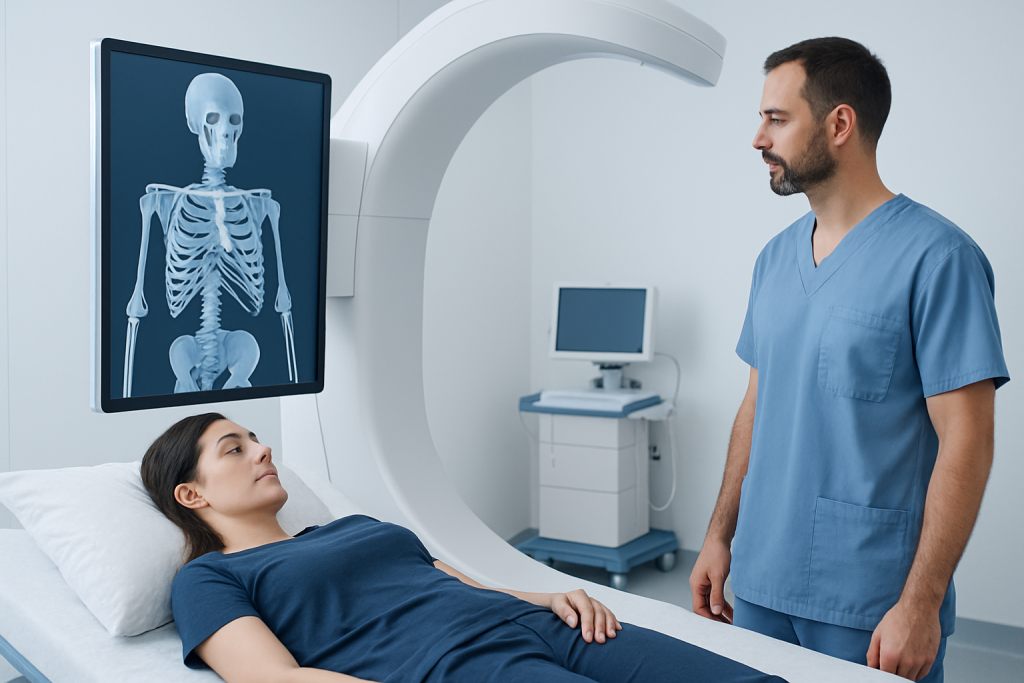
One of the skeletal system’s main tasks is support. Bones provide the rigid structure that allows the body to stand, sit, bend, and carry weight. Without that framework, muscles would have little to pull against, and movement would be inefficient.
The skeleton also protects delicate organs. The skull shields the brain, the rib cage guards the heart and lungs, and the spine helps protect the spinal cord. These protective roles are essential because they keep vital body systems safe while still allowing breathing, motion, and flexibility.
Another important function is storage and production. Bones store minerals such as calcium and phosphorus, which the body uses for many processes. Bone marrow, which sits inside certain bones, helps produce blood cells. In this way, the skeletal system supports not only movement but also broader health.
Common Symptoms and Warning Signs
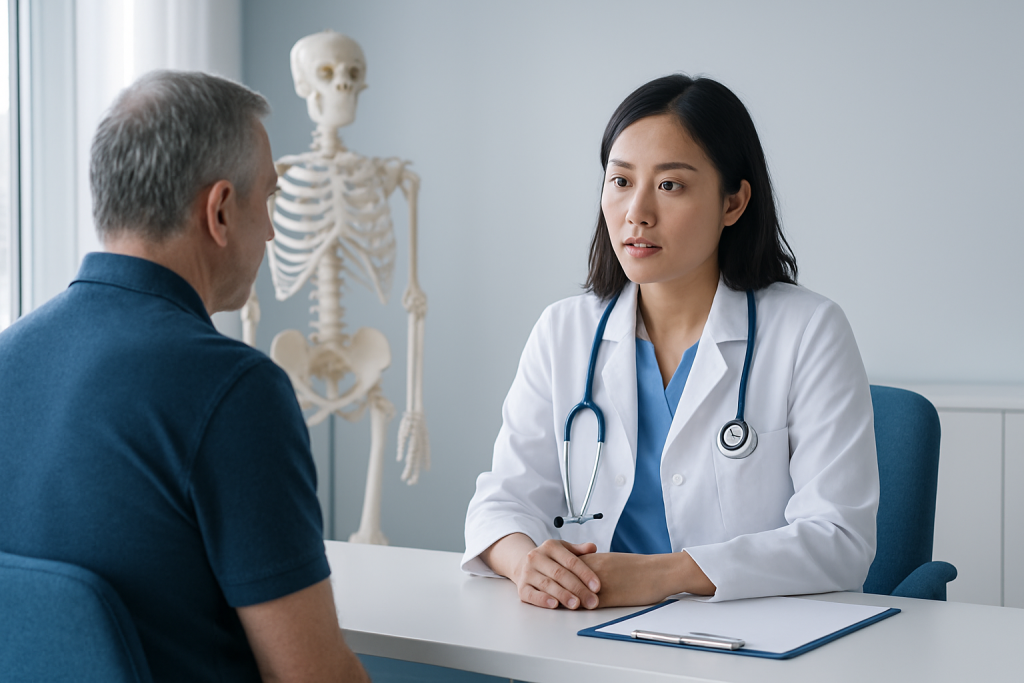
Skeletal problems do not always appear the same way. Some begin with a sudden injury, while others develop slowly through wear, inflammation, or bone weakening. Pain is common, but it may feel sharp, aching, stiff, deep, or localized around a joint or limb.
Other signs can include swelling, tenderness, stiffness after rest, reduced range of motion, clicking or grinding in a joint, visible deformity, or trouble bearing weight. Repeated fractures or fractures after a minor fall can also be an important clue that bone strength may need assessment.
Because symptoms can overlap among many conditions, a single complaint does not point to one diagnosis on its own. A patient with hip pain, for example, may have a muscle strain, arthritis, bursitis, or a bone problem. That is why medical history and examination are usually reviewed together with imaging when appropriate.
Causes and Risk Factors
Some skeletal conditions are caused by injury, such as falls, sports accidents, or repetitive strain. Others arise gradually from aging, overuse, inflammatory disease, infection, or changes in bone density. Many patients have more than one contributing factor.
Risk increases when bones are exposed to poor nutrition, low physical activity, smoking, heavy alcohol use, hormonal changes, or long-term use of certain medications that affect bone strength. Family history can also matter, especially in conditions such as osteoporosis or some inherited bone disorders.
Age is another major factor. Children and adolescents are still building bone mass, while older adults may lose bone faster than they replace it. Because of this, bone and joint care needs often change across life stages, from sports-related injuries in younger patients to fracture prevention and arthritis management later on.
How Skeletal Conditions Are Diagnosed
Diagnosis usually begins with a detailed discussion of symptoms, activity level, past injuries, medical history, and any changes in function. A physical examination can reveal swelling, tenderness, instability, deformity, or limited movement. This first step often gives strong clues about where the problem is located and how urgent it may be.
Imaging is frequently used to look more closely at bones and joints. X-rays are common for fractures, alignment issues, and degenerative changes. Depending on the concern, doctors may also request MRI, CT, ultrasound, or bone density testing to evaluate soft tissues, complex injuries, infection, tumors, or bone loss.
Laboratory tests may be recommended when inflammation, infection, metabolic bone disease, or autoimmune disease is suspected. For international patients, a well-organized workup can be especially helpful because it allows the care team to plan diagnosis, treatment, and follow-up efficiently during a limited stay.
Treatment Options
Treatment depends on the specific condition, the patient’s age, the severity of symptoms, and how the problem affects daily life. Some issues improve with rest, activity modification, pain relief measures, and rehabilitation. Others require bracing, injections, or surgery.
For fractures, the main priorities are alignment, stability, and healing. This may involve casting or splinting, or it may require surgical fixation if the bone is displaced or unstable. For arthritis and overuse problems, treatment often focuses on reducing pain, preserving motion, and strengthening the muscles that support the affected joint.
When bone loss is part of the picture, doctors may recommend lifestyle changes, nutritional support, and medicines to lower fracture risk. Physical therapy is often a key part of care because it helps restore function, improve balance, and reduce the chance of future injury. Patients who travel for treatment should also ask about rehabilitation plans, follow-up imaging, and how to continue care safely after returning home.
- Rest and temporary activity modification
- Physical therapy and supervised exercise
- Bracing, splints, or casts
- Pain-relief and anti-inflammatory medicines when appropriate
- Minimally invasive procedures or surgery for selected cases
Prevention and Self-care
Bone and joint health benefits from steady, practical habits rather than dramatic changes. A diet that provides enough calcium, vitamin D, protein, and other nutrients supports bone maintenance. Regular weight-bearing and muscle-strengthening exercise helps bones stay resilient and supports balance and posture.
Self-care also includes protecting the body from avoidable strain. Good footwear, safe lifting techniques, ergonomic work habits, and fall prevention measures can reduce injuries. People with chronic conditions should follow their care plans and speak with a doctor before making major changes in exercise or medication use.
Smoking cessation and limiting alcohol are also helpful for long-term skeletal health. For children and teens, healthy movement and adequate nutrition support peak bone building. For older adults, maintaining strength, vision, and balance becomes especially important because falls are a major cause of fractures.
When to See a Doctor
Medical evaluation is advisable if bone or joint pain persists, worsens, or interferes with walking, sleeping, lifting, or daily routines. New swelling, deformity, instability, numbness, or an inability to bear weight should also be assessed promptly.
It is especially important to seek care after an injury if the pain is severe, the limb looks unusual, or the patient cannot use the body part normally. Recurrent fractures, back pain with height loss, or pain that develops without a clear injury may also need further investigation.
Patients planning treatment abroad often benefit from arranging records in advance, including prior imaging and medication lists. Acibadem Health Point can support international patients through multidisciplinary specialists and JCI-accredited hospitals that diagnose and treat skeletal and orthopedic conditions in a coordinated way.
Frequently asked questions
What is included in the skeletal system?
The skeletal system includes bones, joints, cartilage, ligaments, and other connective tissues that help the body move and stay stable. It also supports organ protection and mineral storage.
Why do bones need both calcium and exercise?
Calcium and other nutrients help build and maintain bone tissue, while exercise gives bones the mechanical stimulus they need to stay strong. Both are important, especially during growth and later in life.
Can skeletal problems happen without an injury?
Yes. Many bone and joint conditions develop gradually from wear, inflammation, bone loss, or medical disorders. Pain without a clear injury should not be ignored if it persists.
How do doctors check for bone problems?
Doctors usually start with a history and physical examination, then use imaging such as X-rays, MRI, CT, ultrasound, or bone density testing when needed. Blood tests may also help identify inflammation, infection, or metabolic causes.
Is bone loss the same as osteoporosis?
Not exactly. Bone loss is a broad term for reduced bone strength or density, while osteoporosis is a specific condition that makes bones more fragile and more likely to fracture. A doctor can help determine the difference.
Can physical therapy help skeletal conditions?
Yes, physical therapy often plays an important role in recovery and long-term management. It can improve strength, flexibility, balance, and confidence with movement after injury or during chronic joint care.
References
- World Health Organization
- National Institute of Arthritis and Musculoskeletal and Skin Diseases
- Mayo Clinic
- American Academy of Orthopaedic Surgeons
- National Osteoporosis Foundation
This article is for general information only and is not a substitute for professional medical advice. Please consult a qualified doctor about your individual situation.