Sinus Pressure Relief

Key Takeaways
- Sinus pressure often comes from swelling and blockage in the nasal and sinus passages.
- Home measures such as saline rinses, hydration, and steam may ease discomfort for some people.
- Persistent, severe, or one-sided symptoms may need evaluation by an ENT specialist.
- Treatment focuses on the underlying cause rather than pressure alone.
- People with repeated episodes may benefit from a long-term plan for allergies, nasal inflammation, or sinus disease.
Sinus pressure is a common complaint that can make the face feel heavy, blocked, or achy. Relief usually depends on what is driving the symptoms, from a cold or allergy flare to sinus inflammation that needs medical care.
Overview
Sinus pressure is the feeling of fullness, tightness, or aching that can settle around the cheeks, forehead, eyes, or bridge of the nose. It often appears when the lining of the nose and sinuses becomes swollen, which narrows the small drainage pathways and makes mucus harder to clear. The result can be a heavy face, reduced smell, Sinus Surgery Is Worth Considering" class="ahp-ilk">postnasal drip, and a dull headache-like discomfort.
It is helpful to think of sinus pressure as a symptom rather than a diagnosis. A cold, allergies, environmental irritants, a sinus infection, or even an anatomic issue such as a deviated septum can contribute. In many people, the pressure improves as the underlying irritation settles; in others, it keeps returning and deserves a more careful look.
For international patients who are trying to decide whether to travel for treatment, the key question is usually not how quickly the pressure can be masked, but why it is recurring. That distinction shapes the workup, the treatment plan, and the follow-up strategy after returning home.
Symptoms
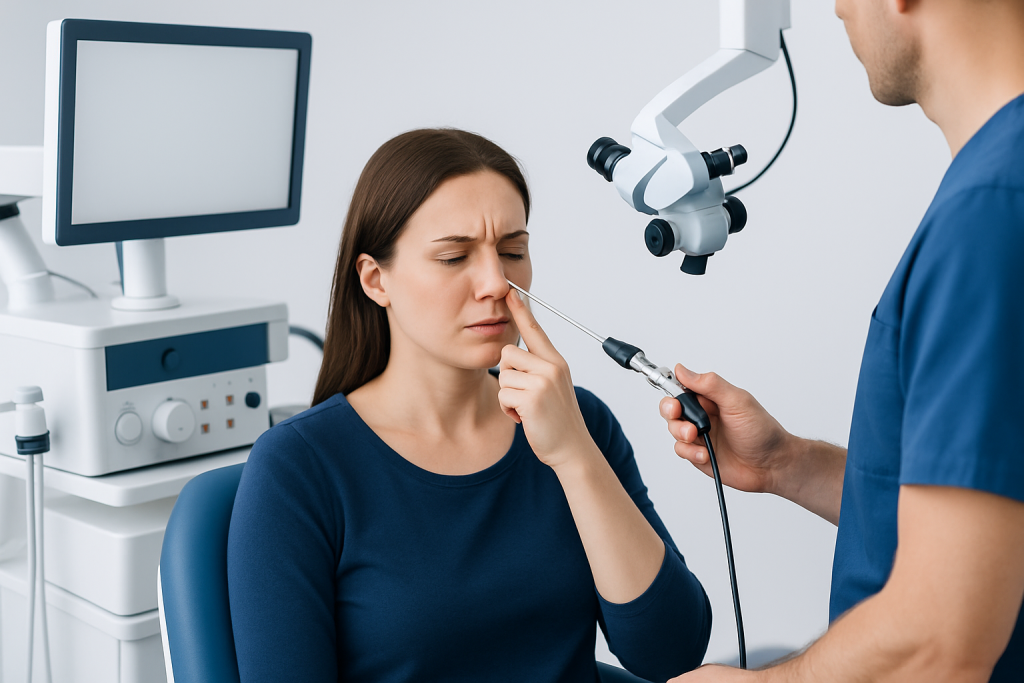
Sinus pressure is often described as a sense of facial heaviness or “stuffiness” that becomes more noticeable when bending forward. Some people feel it across the forehead, while others notice it under the eyes, in the upper teeth, or deep behind the nose. The discomfort may be mild and annoying, or it may interfere with sleep, focus, and daily activity.
Common accompanying symptoms may include:
- Nasal congestion or blockage
- Thick nasal discharge or postnasal drip
- Reduced sense of smell or taste
- Ear fullness or popping
- Facial tenderness or a dull ache
- Cough, especially at night
Not every sinus-related problem includes a fever or obvious infection. In fact, allergies and chronic inflammation often cause ongoing pressure without severe systemic symptoms. A doctor will usually try to match the pattern of symptoms with the most likely cause rather than relying on pressure alone.
Causes & Risk Factors

The sinuses are air-filled spaces that normally drain through narrow channels into the nose. When those passages swell, drainage slows and pressure builds. This swelling can happen suddenly during a viral upper respiratory infection or gradually in people with allergies, chronic nasal inflammation, or repeated irritation from smoke, pollution, or strong odors.
Several conditions can contribute to sinus pressure:
- Common colds and other viral infections
- Allergic rhinitis, including seasonal and year-round triggers
- Acute or chronic sinusitis
- Nasal polyps
- Deviated septum or other structural narrowing
- Dental infections that irritate nearby sinus areas
Risk can be higher in people who have asthma, untreated allergies, frequent respiratory infections, or a history of sinus problems. Travel, dry cabin air, sleep disruption, and unfamiliar environmental triggers can also make symptoms feel worse for people already prone to nasal inflammation. In recurrent cases, the goal is to identify the pattern so care can be tailored to the person, not just the flare.
Diagnosis
Diagnosis begins with a careful symptom history. A clinician will usually ask when the pressure started, which areas hurt, whether the symptoms are one-sided or both-sided, and whether there are signs of allergy, infection, or dental pain. The timing matters as well: short-lived symptoms often point to a viral illness, while symptoms lasting longer or returning often may suggest chronic inflammation or another underlying issue.
A physical exam typically includes an assessment of the nose, throat, ears, and face. An ENT specialist may use nasal endoscopy to look more closely at swelling, drainage, polyps, or structural obstruction. In selected cases, imaging such as a CT scan of the sinuses may be recommended to evaluate the sinus anatomy and the extent of inflammation.
Testing is not always needed for mild, short-term symptoms. However, when symptoms are persistent, severe, or unusual, a more detailed evaluation helps avoid treating the wrong problem. That is especially important for patients coordinating care across borders, where clear diagnosis can simplify the next steps in treatment and follow-up.
Treatment Options
Treatment depends on the cause. If the pressure is related to a viral cold, the focus is usually on comfort and supporting natural drainage while the illness runs its course. If allergies are driving the symptoms, reducing exposure and controlling inflammation may be more helpful. When bacterial sinusitis, nasal polyps, or structural problems are involved, treatment may need to be more specific.
Common approaches may include saline nasal irrigation, which can help loosen mucus and clear irritants from the nasal passages. Some people also benefit from steam inhalation, adequate fluids, rest, and humidified air. Over-the-counter pain relief may help facial discomfort, but it does not treat the underlying cause. Nasal or oral medications may be used by a clinician when inflammation, allergy, or infection is suspected.
For chronic or recurrent sinus disease, ENT care may include longer-term medical management, allergy evaluation, or procedures to improve drainage. In selected cases, surgery may be considered to address obstructed sinus pathways, remove polyps, or correct structural issues. The goal is not simply to reduce pressure for a day, but to restore clearer airflow and drainage over time.
Prevention & Self-care
Sinus pressure is not always preventable, but several practical habits may reduce flare-ups or make them easier to manage. People who know their triggers often do better when they take a few simple steps consistently, especially during travel or seasonal changes. This can be particularly useful for patients who need to maintain stability before and after treatment in another country.
Helpful self-care measures may include:
- Using saline sprays or rinses as advised by a clinician
- Drinking enough fluids to support mucus flow
- Avoiding smoke, dust, and strong chemical irritants
- Managing allergies with a long-term plan
- Using a humidifier if dry air worsens symptoms
- Getting enough rest during respiratory infections
It is also wise to be cautious with repeated use of decongestant sprays unless a doctor specifically recommends them, because overuse can sometimes worsen congestion. People with frequent symptoms may benefit from tracking timing, triggers, and response to treatment, which can help an ENT specialist identify whether allergies, infection, or anatomy is playing the largest role.
When to See a Doctor
Medical evaluation is appropriate when sinus pressure lasts longer than expected, keeps returning, or interferes with everyday life. A doctor should also be consulted when symptoms are severe, one-sided, associated with high fever, or accompanied by swelling around the eyes, vision changes, or significant facial pain. These features can signal a problem that needs prompt assessment.
People who have repeated “sinus pressure” episodes, frequent antibiotics, or little relief from self-care should not assume it is routine congestion. An ENT specialist can help distinguish allergies, chronic sinusitis, migraine, dental sources, and structural concerns, which can look similar at first glance. That clarity often prevents trial-and-error treatment from dragging on for months.
If a patient is considering treatment abroad, it helps to arrange records, prior imaging, and medication history before traveling. Acibadem Health Point’s multidisciplinary specialists and JCI-accredited hospitals diagnose and treat sinus-related conditions for international patients, with care plans designed to support both treatment and follow-up planning.
Frequently asked questions
What is the fastest way to relieve sinus pressure at home?
Saline nasal irrigation, warm compresses, hydration, and rest may ease discomfort for some people. These measures can help the sinuses drain more comfortably, but the most effective approach depends on the cause of the pressure.
Does sinus pressure always mean a sinus infection?
No. Allergies, viral colds, nasal irritation, and structural blockage can all cause the same heavy or aching sensation. A clinician looks at the full pattern of symptoms before deciding whether infection is likely.
When is sinus pressure serious?
It becomes more concerning if it is severe, one-sided, persistent, or associated with fever, eye swelling, vision changes, or significant facial pain. Those symptoms deserve medical assessment rather than self-treatment alone.
Can allergies cause sinus pressure?
Yes. Allergies can inflame the nasal lining, block drainage, and create a feeling of pressure in the face and forehead. If allergies are the driver, long-term control often works better than short-term symptom relief.
Is it safe to use decongestant sprays often?
Frequent use is not usually a good idea unless a doctor has recommended it. Overuse can lead to rebound congestion, which may make blockage worse over time.
When should someone see an ENT specialist for sinus pressure?
An ENT specialist is helpful when symptoms keep returning, do not improve with basic care, or suggest chronic sinus disease. They can examine the nasal passages more closely and recommend tests or treatment based on the underlying cause.
References
- American Academy of Otolaryngology–Head and Neck Surgery
- Mayo Clinic
- National Institute on Deafness and Other Communication Disorders
- Centers for Disease Control and Prevention
This article is for general information only and is not a substitute for professional medical advice. Please consult a qualified doctor about your individual situation.