Seroma: Symptoms, Causes and Treatment

Key Takeaways
- A seroma is a collection of clear fluid that commonly develops after surgery or trauma.
- Small seromas may settle with observation, while larger or uncomfortable ones may need drainage.
- Persistent swelling, redness, fever, or increasing pain should be reviewed by a clinician.
- Following wound-care instructions and using recommended support measures can help lower the risk of fluid build-up.
- People traveling for surgery should plan follow-up care before returning home.
Medically reviewed by the Acıbadem clinical team — August 19, 2026
A seroma is a pocket of clear fluid that can form under the skin after surgery, injury, or other tissue disruption. It is often manageable, but it should be assessed if it is painful, enlarging, persistent, or showing signs of infection.
Overview
A seroma is a localized pocket of fluid that forms in tissue spaces after the body has been disturbed, most often by surgery. The fluid is usually thin and clear or pale yellow, and it gathers where tissues have separated or where healing is still underway.
Seromas are not unusual after procedures that create larger tissue spaces, such as breast surgery, abdominal operations, hernia repair, or certain cosmetic and reconstructive procedures. They can also appear after an injury, especially if soft tissue has been damaged or moved significantly.
For many people, a seroma is a temporary healing issue rather than a serious complication. Still, it deserves attention because it may slow recovery, increase discomfort, or occasionally become infected if it persists. The main goal is to confirm what the swelling represents and decide whether watchful waiting or treatment is the safest path.
Symptoms
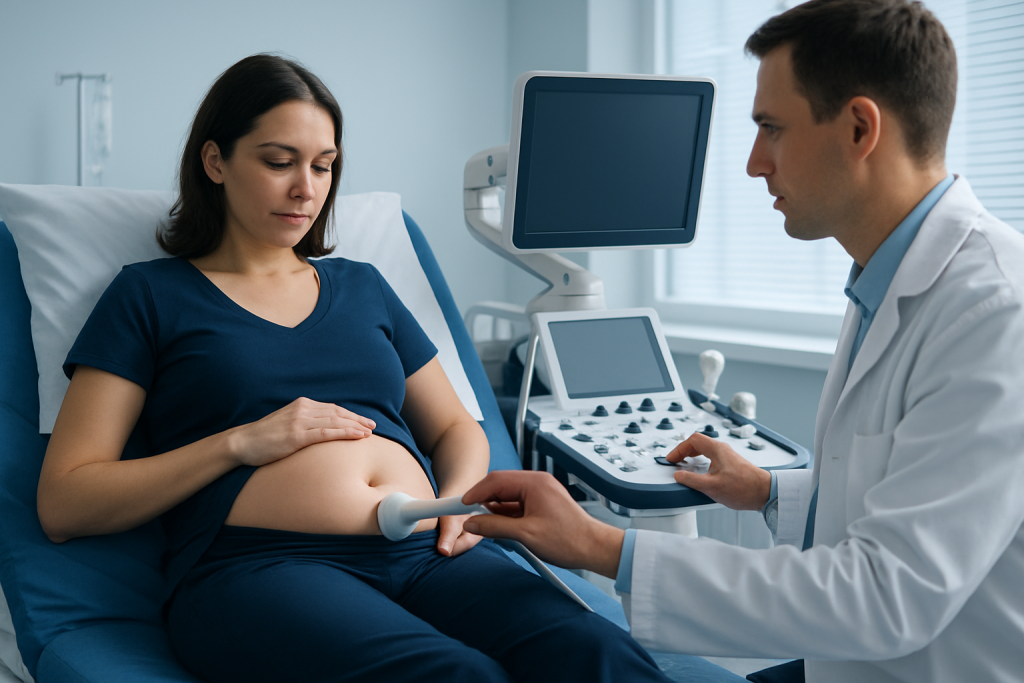
A seroma often feels like a soft or fluctuant swelling beneath the skin. Some people notice a visible bulge, a sense of fullness, or fluid that seems to shift slightly when the area is pressed.
The swelling may be mildly tender, but it is often more uncomfortable than truly painful. Depending on where it forms, it can limit movement, make clothing feel tight, or cause concern because the area looks different from the expected healing pattern.
Signs that suggest the swelling should be checked promptly include:
- Redness or warmth around the area
- Increasing pain rather than gradual improvement
- Fever or chills
- Drainage that is cloudy, foul-smelling, or bloody
- Rapidly enlarging swelling or new tightness in the skin
Because a seroma can resemble other postoperative problems, such as hematoma, abscess, or wound separation, a clinical assessment is important when symptoms change or feel out of step with recovery.
Causes & Risk Factors

Seromas usually develop when surgery or trauma creates a space where lymphatic fluid and other clear body fluids can collect. Tissue handling, dead space after an operation, and the normal inflammatory response to healing all contribute to the process.
Certain procedures are more likely to lead to seroma formation, especially those involving wide tissue dissection, removal of larger volumes of tissue, or areas where the skin is lifted from underlying structures. The risk can also rise when movement, strain, or early pressure affects the healing area before it has stabilized.
Common factors associated with seromas include:
- Recent surgery, particularly breast, abdominal, hernia, or reconstructive procedures
- Trauma that disrupts soft tissue layers
- Larger surgical spaces or tissue flaps
- Early heavy activity or pressure on the healing area
- Previous wound-healing problems in some cases
Not every person with these factors will develop a seroma, and many postoperative swellings are part of normal healing. The difference is often confirmed by a clinician through an exam, and sometimes imaging if the diagnosis is not clear.
Diagnosis
Diagnosis often begins with a careful history and physical examination. The clinician will ask about the recent procedure or injury, the timing of swelling, pain level, drainage, fever, and whether the area is improving or changing over time.
In many cases, the appearance and feel of the swelling give strong clues. If there is uncertainty, ultrasound can help distinguish a seroma from a blood collection, abscess, or other fluid pocket. Imaging is especially useful when the collection is deep, large, persistent, or located near important structures.
If fluid is drained, the sample may be sent for analysis when infection is a concern. The purpose is not only to confirm the diagnosis but also to protect wound healing, reduce discomfort, and avoid missing a condition that needs a different treatment approach.
Treatment Options
Seroma treatment depends on the size of the fluid collection, the symptoms it causes, and whether it is affecting wound healing. Small, uncomplicated seromas may be observed, because the body can sometimes reabsorb the fluid gradually.
When a seroma is larger, tense, painful, or slow to resolve, the clinician may recommend needle aspiration or drainage. This can relieve pressure and improve comfort, though some fluid collections return and need more than one session. In selected cases, a drain or other wound-management strategy may be used to reduce re-accumulation.
If there are signs of infection, treatment changes and may include antibiotics together with drainage when appropriate. The exact plan should be individualized, especially for people recovering from surgery who may be following up from another country or traveling home during the healing period.
In some recovery plans, supportive dressings, compression, or activity limits are advised to help the tissues settle. The choice of treatment depends on the procedure, the location of the seroma, and the surgeon’s judgment about how best to protect the repair.
Prevention & Self-care
Not every seroma can be prevented, but careful postoperative care can lower the chance of fluid collecting. The most important step is to follow the surgeon’s instructions about wound care, activity, dressings, drains, and follow-up appointments.
People may be advised to avoid lifting, twisting, or strenuous movement for a period of time. Support garments or compression may be recommended after some operations, but only when they are appropriate for the specific procedure and approved by the care team.
Helpful self-care habits often include:
- Keeping follow-up visits even if the wound seems to be healing well
- Monitoring the area for new swelling, redness, or drainage
- Protecting the site from pressure and trauma
- Taking prescribed medications as directed
- Asking before resuming exercise, travel, or long-distance flights
For international patients, planning matters. If surgery is being done abroad, it is wise to confirm who will remove drains, who will review the wound after return home, and what to do if swelling appears during travel.
When to See a Doctor
A clinician should review any swelling that is growing, painful, red, warm, or associated with fever. A new fluid pocket after surgery is not always dangerous, but it should not be ignored if it is changing or interfering with recovery.
Prompt medical attention is especially important if the wound opens, drainage becomes cloudy, or the person feels unwell. It is also sensible to seek review when a seroma does not improve over time or keeps returning after drainage.
After surgery, people may have many questions about what is normal and what is not. When a wound is being monitored from a distance, early communication with the treating team can prevent delays and help preserve the best outcome. Acibadem Health Point’s multidisciplinary specialists and JCI-accredited hospitals diagnose and treat seroma for international patients with coordinated follow-up and recovery planning.
Living With Recovery After a Seroma
Most seromas resolve without long-term problems, especially when they are recognized early and managed appropriately. Recovery is usually a matter of patience, observation, and making sure the healing tissues are not being irritated by pressure or overuse.
People often benefit from clear instructions about what level of swelling is expected, which symptoms need a call to the clinic, and when normal activity can resume. That clarity can be particularly reassuring after leaving the hospital or returning home from Varicose Vein Treatment Abroad: When Stockings Are Enough and When Procedures Help More" class="ahp-ilk">treatment abroad.
If recovery seems slower than expected, it does not automatically mean something serious is happening. It does mean the wound should be reassessed so that the care plan can be adjusted and healing can continue in the safest possible way.
Frequently asked questions
What exactly is a seroma?
A seroma is a pocket of clear fluid that collects under the skin, usually after surgery or injury. It forms when healing tissues leave a space where fluid can gather.
Is a seroma the same as an infection?
No. A seroma is usually a sterile fluid collection, while an infection involves bacteria and often causes redness, warmth, pain, or fever. However, a seroma can sometimes become infected, which is why changes should be checked.
Will a seroma go away on its own?
Some small seromas do improve without treatment as the body slowly reabsorbs the fluid. Larger or persistent collections may need drainage or closer follow-up.
Can I drain a seroma at home?
No, it is not safe to puncture or squeeze a seroma at home. Doing so can increase the risk of infection, bleeding, or damage to healing tissue.
How long does a seroma last?
The duration varies depending on the size, location, and cause. Some resolve within days or weeks, while others need repeated review if fluid keeps returning.
When should someone traveling after surgery contact the surgeon?
They should contact the surgeon if swelling grows, pain increases, drainage changes, or fever develops. It is also important to know in advance who will provide follow-up after returning home.
References
- World Health Organization
- Mayo Clinic
- Cleveland Clinic
- Merck Manual Professional Edition
- American College of Surgeons
This article is for general information only and is not a substitute for professional medical advice. Please consult a qualified doctor about your individual situation.
Explore treatments in Turkey — costs, top hospitals & a free quote
JCI-accredited · board-certified surgeons · reply within 24h
Add us as a Preferred Source to see more of our trusted health content across Google Search, AI Overviews and Discover.