Abrasion: Symptoms, Causes and Treatment

Key Takeaways
- An abrasion is a top-layer skin injury, often called a scrape or graze.
- Gentle cleaning, moist wound care, and protection from further friction support healing.
- Increasing redness, warmth, swelling, pus, or fever can suggest infection.
- Tetanus status should be reviewed if the wound is dirty or caused by a rough object.
- Eye, facial, deep, or very painful abrasions deserve prompt medical assessment.
Medically reviewed by the Acıbadem clinical team — August 19, 2026
An abrasion is a superficial skin injury caused by rubbing, scraping, or friction. Most abrasions heal well with simple home care, but deeper wounds, signs of infection, or injuries involving the eye, face, or hands may need medical attention.
Overview
An abrasion is a wound caused by the skin being scraped against a rough surface. It usually affects only the outer layers of skin, which is why it is often described as a scrape, graze, or road rash when the area is larger or caused by a fall or sliding injury.
Although abrasions are usually minor, they can sting, bleed lightly, and look worse than they are. The main goals of care are to clean the area well, keep it protected, and watch for signs that the injury is deeper than it first appears. For people traveling for work, sports, or holiday, that practical approach matters: a small wound can be managed safely, but it should not be ignored if healing is delayed or the injury occurs in a sensitive area.
Most simple abrasions heal without leaving major problems. Healing is usually faster when the wound is kept clean, covered, and shielded from repeated rubbing. The skin then gradually rebuilds its surface, often over several days to a couple of weeks depending on size and location.
Symptoms
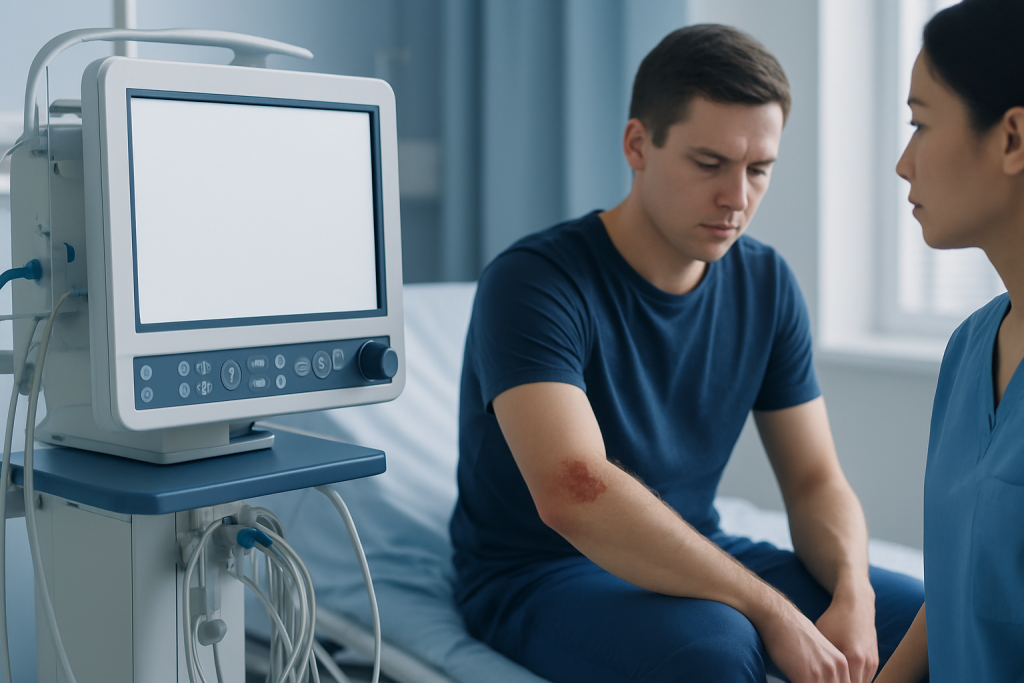
The most familiar sign of an abrasion is a raw, scraped area on the skin. It may ooze a small amount of blood or clear fluid, and it can feel sore, tender, or burning because the protective top layer of skin has been removed.
Surface abrasions often look pink or red and may be accompanied by dirt, sand, or tiny bits of debris embedded in the wound. In everyday life, this is common after a fall on pavement, a sports injury, contact with rough equipment, or a spill while walking on an uneven surface.
Typical features include:
- Superficial skin loss
- Stinging or burning pain
- Minor bleeding or weeping
- Redness around the scraped area
- Sensitivity to touch, soap, or clothing friction
Signs that the injury may be more than a simple abrasion include deep tissue exposure, ongoing bleeding, severe pain, loss of feeling, inability to move the area normally, or a wound near the eye that affects vision or eye opening.
Causes & Risk Factors
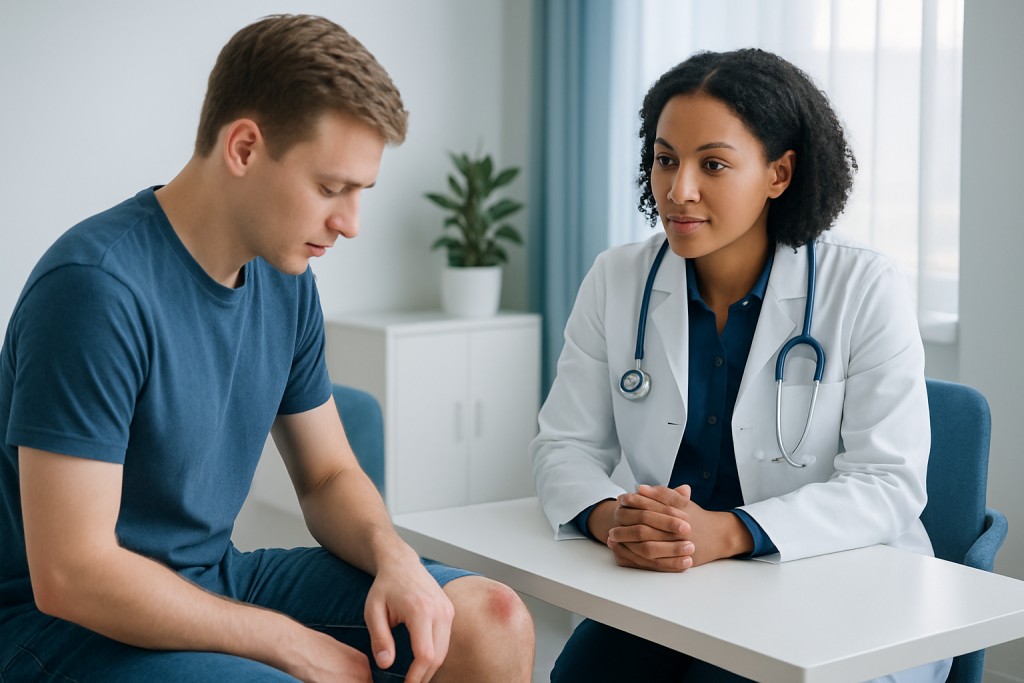
Abrasions happen when skin meets a rough or abrasive surface with enough force to strip away the outer layer. This can occur in everyday settings, from slipping on a curb to brushing against stone, metal, concrete, or rough fabric. Children, older adults, athletes, and active travelers may all be exposed to these kinds of injuries.
Common causes include falls, bicycle accidents, sports collisions, scraping against machinery or tools, and accidental contact with rough surfaces during outdoor activities. In international travel, new environments can add risk through unfamiliar sidewalks, crowded transport, adventure excursions, or delayed access to immediate first aid.
Several factors can make an abrasion more likely to occur or heal more slowly. These include dry or fragile skin, poor circulation, diabetes, immune suppression, repeated friction from footwear or equipment, and wounds contaminated with dirt or gravel. A wound that keeps reopening from movement or pressure also tends to take longer to settle.
Diagnosis
Most abrasions are diagnosed by a simple physical examination. A clinician looks at the size, depth, location, and cleanliness of the wound, as well as whether there is trapped debris, damage to deeper tissues, or a nearby fracture or joint injury.
In many cases, no tests are needed. If the injury is large, painful, contaminated, or caused by a significant fall or crash, a doctor may examine for hidden damage to tendons, nerves, bones, or the eye. Imaging may be considered if a deeper injury is suspected, especially when pain seems out of proportion to the visible scrape.
For people who are away from home, it can be especially helpful to have the wound assessed if healing is not progressing as expected. This can reduce the chance of a missed foreign body, an untreated infection, or a scarring problem that later needs more complex care.
Treatment Options
Treatment for an abrasion usually starts with gentle cleaning. Running clean water over the wound helps remove dirt and debris, and mild soap can be used around the area. If small particles remain, they may need to be lifted out carefully by a clinician to reduce the risk of infection and staining.
After cleaning, the wound is commonly kept moist with a simple protective ointment and covered with a non-stick dressing. This helps the skin heal in a controlled way and lowers discomfort from air exposure or clothing rubbing against the injured area. Dressings should be changed as advised, especially if they become wet or dirty.
Other treatments depend on the wound and the person’s overall health. These may include Sciatica Pain Relief: Treatments and Self-Care" class="ahp-ilk">pain relief, tetanus vaccination review, antibiotics if infection is present or strongly suspected, or more specialized eye care if the abrasion involves the cornea. Deeper or heavily contaminated wounds may need formal wound cleaning and follow-up checks.
When an abrasion occurs after travel, a practical care plan matters: knowing how to clean the wound, when to replace the dressing, and where to seek follow-up if redness or drainage develops. In more complex cases, Acibadem Health Point’s multidisciplinary specialists and JCI-accredited hospitals can diagnose and treat this condition for international patients.
Prevention & Self-care
Many abrasions can be prevented with small, consistent precautions. Protective clothing, gloves, knee pads, and appropriate footwear can reduce friction during sports, cycling, hiking, and manual work. Using safety measures around tools, stairs, and rough outdoor surfaces also lowers the chance of a scrape.
Once an abrasion has happened, self-care focuses on protecting the skin while it repairs itself. The area should be cleaned gently, kept covered if it may rub against clothing, and checked daily for changes. Picking at scabs, soaking the wound for long periods, or exposing it to repeated friction can slow healing.
Helpful habits include:
- Wash hands before touching the wound
- Rinse gently with clean water
- Cover with a non-stick dressing if needed
- Keep the area dry between dressing changes unless advised otherwise
- Use sunscreen on healed skin to help reduce discoloration
People with diabetes, circulation problems, or a weakened immune system should be especially careful with even small abrasions and may benefit from earlier medical advice.
When to See a Doctor
Medical review is advisable if an abrasion is deep, large, heavily contaminated, or not improving after a few days of home care. A wound that continues to bleed, has a foreign body embedded in it, or keeps reopening from movement or pressure should also be assessed.
Warning signs of infection include spreading redness, warmth, swelling, increasing pain, foul-smelling drainage, pus, fever, or red streaks extending away from the wound. These signs do not always mean a serious problem, but they do mean the wound should be checked promptly.
Prompt care is especially important for abrasions involving the eye, face, hands, genitals, or over joints. These areas can affect vision, movement, or healing quality. If the injury followed a fall, crash, or blunt trauma, it is sensible to seek evaluation for possible hidden injuries even if the skin wound seems small.
People should also ask a doctor about tetanus protection if the abrasion was caused by a dirty object, soil, or rusted surface, or if their vaccination status is uncertain.
Frequently asked questions
What is the difference between an abrasion and a laceration?
An abrasion is a superficial scrape that removes the top layer of skin. A laceration is a cut or tear that usually goes deeper and may need stitches. If the wound edges are open or the bleeding is significant, it may be more than an abrasion.
Should an abrasion be left open to the air?
Small abrasions can sometimes be left uncovered if they will not rub or get dirty, but many heal more comfortably when protected with a clean dressing. A moist, covered wound environment often supports faster healing and can reduce discomfort.
How long does an abrasion take to heal?
Healing time depends on size, depth, location, and general health. Minor abrasions often improve within several days, while larger or repeatedly rubbed areas may take longer. If healing seems stalled or the area is getting worse, medical advice is sensible.
Can an abrasion become infected?
Yes, especially if dirt remains in the wound or the area keeps getting irritated. Increasing redness, warmth, swelling, pain, or pus are reasons to have the wound checked. Good cleaning and dressing care lower the risk.
Do all abrasions need antibiotics?
No. Most simple abrasions do not need antibiotics. They are usually used only when a clinician suspects infection or there is a specific risk factor that makes infection more likely.
When should tetanus protection be considered after an abrasion?
Tetanus review is important if the wound is dirty, caused by soil or a rough object, or if vaccination status is not up to date. A doctor or clinic can advise whether a booster is needed based on the injury and the person’s immunization history.
References
- Mayo Clinic
- Cleveland Clinic
- NHS
- American Academy of Dermatology
- Merck Manual Consumer Version
This article is for general information only and is not a substitute for professional medical advice. Please consult a qualified doctor about your individual situation.
Explore treatments in Turkey — costs, top hospitals & a free quote
JCI-accredited · board-certified surgeons · reply within 24h
Add us as a Preferred Source to see more of our trusted health content across Google Search, AI Overviews and Discover.