Seaweed Salad: Nutrition, Benefits and Risks

Key Takeaways
- Seaweed salad can be a nutrient-rich side dish, but its health profile varies widely by ingredient and preparation.
- Seaweed naturally contains iodine, which supports thyroid function in small amounts but can be excessive if eaten often or in large servings.
- Store-bought and restaurant versions may be high in sodium, sugar, or added oils, which can change the overall balance of the meal.
- People with thyroid conditions, kidney disease, or certain medication plans should ask a clinician how seaweed fits into their diet.
- Choosing modest portions and checking the ingredient list can help seaweed salad remain a practical part of a balanced eating pattern.
Medically reviewed by the Acıbadem clinical team — August 19, 2026
Seaweed salad is a flavorful dish that can add minerals, fiber, and unique plant compounds to a meal. Its health value depends on the type of seaweed, the dressing, and how often it is eaten, especially for people managing thyroid, kidney, or sodium-related concerns.
Overview
Seaweed salad has moved from a niche side dish to a familiar item on menus, supermarket shelves, and travel itineraries. For many people, it offers a light, savory way to add marine vegetables to the plate, often paired with sesame, cucumber, vinegar, or a mildly sweet dressing.
From a health perspective, seaweed is interesting because it delivers more than flavor. Different varieties may provide iodine, fiber, vitamins, minerals, and plant compounds that are not commonly found in land vegetables. At the same time, the same dish can also come with a meaningful amount of sodium or added sugar, depending on how it is made.
That is why seaweed salad is best viewed as a food to understand rather than simply label as “healthy” or “unhealthy.” Its value depends on portion size, the type of seaweed used, and whether it is part of a wider diet that supports the body’s needs.
What Seaweed Salad Usually Contains
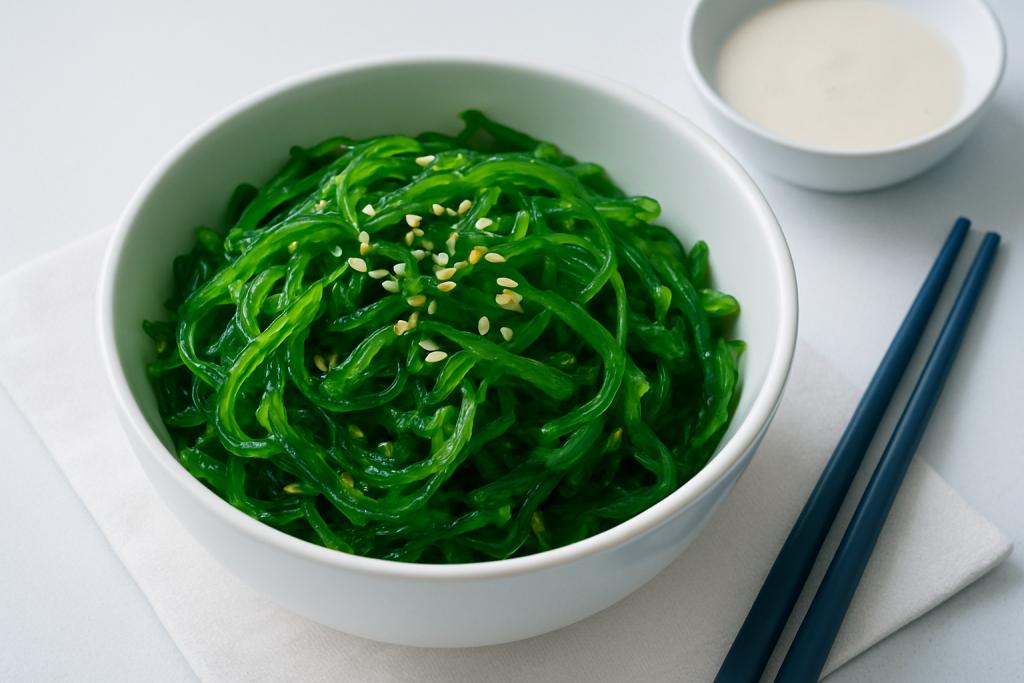
Seaweed salad is not a single recipe. In some kitchens, it is made with wakame, a tender seaweed with a silky texture. In others, it may include mixed sea vegetables, kelp, sesame seeds, cucumber, vinegar, soy sauce, chili, or sweetened dressings. The ingredients change the nutrition profile significantly.
The seaweed itself is the main feature. It contributes a salty ocean flavor and a pleasant chewiness or crunch, depending on the variety. The dressing often brings acidity, sweetness, and extra salt, which is why two bowls of seaweed salad can look similar but affect the body in different ways.
For people comparing options during travel or while arranging care abroad, asking how the salad is prepared can make a real difference. A lightly dressed version may be a simpler side, while heavily seasoned versions may fit less well for those watching sodium or blood pressure.
Nutritional Value and Possible Benefits

Seaweed is naturally low in calories and can be a useful way to add variety to meals without making them heavy. It contains fiber and certain micronutrients, and it may also provide compounds that support general dietary diversity. For people trying to build a balanced plate, that can be appealing.
Iodine is one of the best-known nutrients in seaweed. The thyroid uses iodine to make hormones that help regulate metabolism, energy, and growth. In small amounts, iodine is essential; however, seaweed can sometimes provide more iodine than expected, especially if the portion is large or the variety is particularly rich in iodine.
Seaweed may also contain minerals such as calcium, magnesium, and iron, though the exact amount varies widely. Some types include antioxidants and other bioactive compounds that are being studied for their broader health effects. These features make seaweed salad a potentially useful food, but not a cure or a substitute for medical treatment.
Risks, Limitations, and Who Should Be Careful
The main caution with seaweed salad is that “natural” does not automatically mean “low risk.” Seaweed can be high in iodine, and regularly taking in too much iodine may affect thyroid function in sensitive people. This matters for those with hyperthyroidism, hypothyroidism, autoimmune thyroid disease, or a history of thyroid surgery.
Sodium is another concern. Many restaurant and packaged versions are seasoned generously, and the flavor can be more salt-forward than it appears. People with high blood pressure, heart disease, fluid retention, or kidney concerns may benefit from keeping portions modest and choosing simpler preparations.
There is also the issue of contaminants. Like other marine plants, seaweed can absorb substances from the environment. Good sourcing and food safety standards reduce risk, but they do not eliminate it. This is one reason it is sensible to treat seaweed salad as an occasional or moderate food rather than a daily staple, especially for those with complex medical needs.
- People with thyroid disease may need personalized guidance on iodine intake.
- Those following low-sodium diets should be cautious with dressing and portion size.
- Pregnant or breastfeeding individuals should ask a clinician how seaweed fits into their diet.
- Anyone with kidney disease should review seaweed foods with their care team.
How Doctors Think About Seaweed in a Diet Review
When clinicians assess whether seaweed salad fits a person’s diet, they usually look beyond the dish itself. They consider thyroid history, blood pressure, kidney function, current medications, and whether the person already gets iodine from salt, supplements, or fortified foods. The question is not whether seaweed is “allowed,” but whether it is appropriate in that individual’s overall pattern.
For someone with stable health and an otherwise balanced diet, seaweed salad may be a reasonable side dish. For someone managing a thyroid disorder or a sodium restriction, the advice may be more specific: choose smaller portions, avoid frequent intake, or use it only when the rest of the meal is especially simple.
People traveling for care often find this kind of individualized guidance helpful. Food habits shift during hospital stays, recovery periods, and long flights, and a familiar salad can feel reassuring. Still, if there is a medical condition that makes iodine or sodium intake important, the safest approach is to confirm the plan with the treating clinician or dietitian.
Choosing a Safer Bowl
Not all seaweed salads are prepared the same way, so a few practical choices can improve the nutrition balance. A smaller serving can make it easier to enjoy the flavor without overdoing sodium or iodine. A version with less sweet dressing or fewer add-ons may also be a better fit for daily eating patterns.
Reading labels helps with packaged salads. The ingredient list can reveal whether the dish contains added sugars, preservatives, soy sauce, sesame oil, or multiple seaweed types. If the label includes kelp, kombu, or other iodine-rich seaweeds, people with thyroid concerns should be especially thoughtful about how often they eat it.
At a restaurant, simple questions are usually enough: What seaweed is used? Is the dressing sweetened? Is soy sauce added? These details can help a person choose a version that supports both taste and health goals.
- Look for shorter ingredient lists when possible.
- Choose smaller portions if seaweed is new to the diet.
- Balance the salad with protein, grains, or vegetables.
- Use it as a side dish rather than the main source of vegetables every day.
Prevention & Self-care
Seaweed salad does not usually require “prevention” in the usual disease sense, but smart self-care can reduce unwanted effects. People who enjoy it regularly can rotate it with other vegetables so iodine intake does not become excessive. Variety is often the simplest way to keep a diet both enjoyable and steady.
Those with thyroid conditions should not make major changes to seaweed intake without guidance. If they begin eating more seaweed than usual, or switch to a new product such as a kelp-heavy salad or snack, it is reasonable to mention this at the next appointment. Small dietary shifts can matter when thyroid function is already under observation.
For anyone trying to lower sodium, the most useful steps are often simple: ask for dressing on the side, choose smaller servings, and avoid pairing the salad with other salty foods in the same meal. In a recovery period, when appetite may be uneven and digestion sensitive, lighter seasoning can also be easier to tolerate.
When to See a Doctor
Most people can enjoy seaweed salad without needing medical evaluation. A doctor’s input becomes more important if a person has a thyroid condition and notices new symptoms after changing seaweed habits, such as unusual fatigue, palpitations, heat or cold intolerance, or a change in weight that seems out of step with normal routines.
Medical advice is also sensible if seaweed salad is part of a diet that must stay low in sodium or is being used frequently while managing kidney, heart, or blood pressure concerns. In those situations, a clinician or registered dietitian can help fit food choices into the overall treatment plan.
If a person is receiving care in another country, it can be helpful to bring labels or photos of the seaweed products they usually eat. That gives the care team a clearer picture of what is on the plate, which often leads to more practical nutrition guidance. Acibadem Health Point’s multidisciplinary specialists and JCI-accredited hospitals also support international patients who need diagnosis and treatment with coordinated medical care.
Frequently asked questions
Is seaweed salad healthy?
It can be a healthy side dish when eaten in moderation and prepared simply. Its value depends on the type of seaweed, the dressing, and the rest of the meal. Because recipes vary, it is better to judge the whole dish rather than the seaweed alone.
Can seaweed salad affect the thyroid?
Yes, it can in some people because seaweed contains iodine. Small amounts of iodine are necessary, but too much may be a problem for people with thyroid conditions. Anyone with thyroid disease should ask a clinician how often seaweed fits into their diet.
Is seaweed salad high in sodium?
It often can be, especially in restaurant or packaged versions. Soy sauce, seasoning, and sweet-savory dressings may raise the sodium level noticeably. Checking the ingredients or asking how it is made can help.
Is wakame the same as seaweed salad?
Wakame is one type of seaweed commonly used in seaweed salad, but it is not the dish itself. Seaweed salad may use wakame alone or combine several sea vegetables. The nutritional profile changes depending on the ingredients used.
Can pregnant people eat seaweed salad?
It may be possible, but portion size and iodine content matter. Because seaweed can contain a lot of iodine, pregnant people should avoid making it a frequent habit without medical advice. A clinician can help decide what is reasonable in a specific pregnancy.
How often can someone eat seaweed salad?
There is no single answer for everyone. For a healthy person, occasional servings are often reasonable, but people with thyroid, kidney, or sodium-related concerns may need a more cautious plan. Personal medical history should guide the frequency.
References
- National Institutes of Health Office of Dietary Supplements
- Harvard T.H. Chan School of Public Health
- Mayo Clinic
- World Health Organization
- National Health Service
This article is for general information only and is not a substitute for professional medical advice. Please consult a qualified doctor about your individual situation.
Explore treatments in Turkey — costs, top hospitals & a free quote
JCI-accredited · board-certified surgeons · reply within 24h
Add us as a Preferred Source to see more of our trusted health content across Google Search, AI Overviews and Discover.