Renzo’s Iron Strong Iron Kids & Toddlers

Key Takeaways
- Iron supports brain development, healthy red blood cells, and normal growth in children.
- Picky eating, rapid growth, low-iron diets, and certain medical conditions can raise the risk of deficiency.
- Symptoms may be subtle and can include tiredness, pale skin, irritability, or reduced appetite.
- A doctor can confirm iron deficiency with a medical history and blood tests, then guide treatment.
- Balanced nutrition and follow-up care help prevent recurrence, especially during fast-growing years.
Medically reviewed by the Acıbadem clinical team — August 19, 2026
Iron is essential for healthy growth, brain development, and energy in infants, toddlers, and older children. When intake or absorption is low, children may develop iron deficiency, which is common but usually manageable with timely assessment and treatment.
Overview
Iron is a small nutrient with a large job. In infants, toddlers, and school-age children, it helps the body make hemoglobin, the protein in red blood cells that carries oxygen to tissues. It also supports normal brain development, energy production, and overall growth, which is why low iron can affect both physical and developmental wellbeing.
Parents often first hear about iron when a child is “a little pale” or “not eating enough meat,” but iron status is broader than one food or one symptom. Some children simply do not get enough iron from their diet during periods of rapid growth, while others absorb iron less efficiently or lose more than expected through medical conditions. Understanding the reason matters because the best solution depends on the cause.
For families who are arranging care from another country, iron deficiency is usually straightforward to evaluate. A pediatric team can review diet, growth, symptoms, and laboratory results together, then recommend a practical plan that fits the child’s age, feeding pattern, and follow-up needs at home.
Symptoms
Iron deficiency does not always announce itself clearly. In some children, the change is subtle: they may seem less energetic, more irritable, or less interested in eating. In others, the first clue is a routine blood test that shows low iron stores or anemia before obvious symptoms appear.
Possible signs can include:
- Pale skin or inner eyelids
- Fatigue or reduced playfulness
- Irritability or low mood
- Poor appetite
- Slower weight gain or growth
- Frequent infections or general weakness
- Pica, which means craving non-food items such as ice, dirt, or paper
In infants and toddlers, symptoms can be especially hard to separate from normal developmental changes. A child who is simply going through a picky phase may also have a separate iron problem, so it is better not to assume that reduced eating is harmless if it continues or is paired with tiredness, paleness, or developmental concerns.
Causes & Risk Factors

Children can become iron deficient for several reasons, and diet is only one part of the picture. Rapid growth increases iron needs, especially in infancy, later infancy after exclusive milk feeding, and the toddler years when appetite may fluctuate from day to day. If intake does not keep pace with growth, iron stores can fall gradually.
Common risk factors include:
- Prematurity or low birth weight
- Exclusive breastfeeding without appropriate iron supplementation when needed
- Early or heavy reliance on cow’s milk in toddlers
- Picky eating or limited variety in the diet
- Vegetarian or vegan diets without careful planning
- Frequent blood loss, such as from gastrointestinal issues
- Poor absorption due to digestive conditions
Some children are at higher risk because of medical history rather than food choice alone. Chronic intestinal inflammation, celiac disease, certain parasitic infections, and inherited blood disorders can all affect iron status. That is why persistent deficiency deserves a thoughtful evaluation instead of only changing meals at home.
Diagnosis
Diagnosis begins with a conversation about eating habits, growth, development, and symptoms. A pediatric doctor may ask what the child drinks during the day, how much iron-rich food is actually eaten, whether there is a family history of anemia, and whether the child has had frequent stomach issues or unusual fatigue.
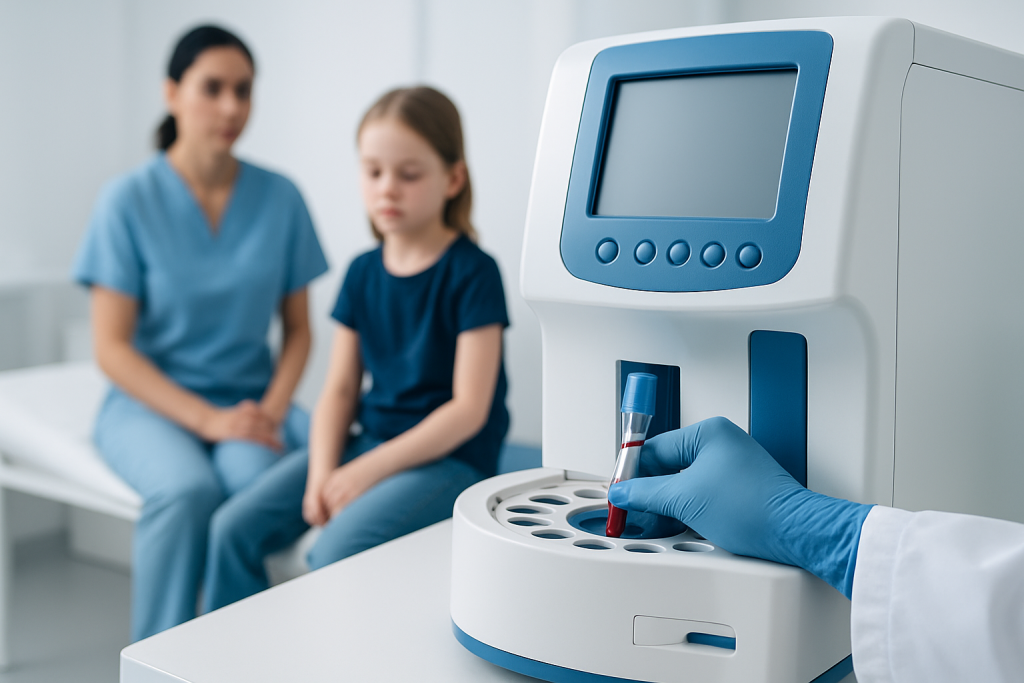
Blood tests are often used to confirm whether iron stores are low and whether anemia is present. Depending on the situation, the clinician may check hemoglobin, ferritin, and other markers that help distinguish true iron deficiency from other causes of anemia. In some cases, additional tests may be needed to look for inflammation, blood loss, or an absorption problem.
For international patients, it can be helpful to bring any previous lab results, growth charts, vaccination records, and a short food history before travel. This can make the first appointment more efficient and help the medical team decide whether the child needs short-term treatment, more testing, or longer follow-up after returning home.
Treatment Options
Treatment depends on the child’s age, symptoms, and test results. In many cases, doctors recommend dietary changes along with iron supplementation if iron deficiency or iron deficiency anemia is confirmed. The goal is not only to improve the current blood count, but also to refill iron stores so the problem does not quickly return.
Iron-rich foods may include meat, poultry, fish, eggs, beans, lentils, tofu, fortified cereals, and some leafy greens. Vitamin C can help the body absorb iron from plant foods, so pairing iron-containing meals with fruits or vegetables is often useful. At the same time, large amounts of cow’s milk may reduce iron intake in toddlers, so a pediatrician may suggest balancing milk with other foods rather than relying on it as a main source of nutrition.
When supplements are prescribed, the doctor will usually explain how to give them safely and how to watch for side effects such as constipation or stomach upset. Some children need repeat blood tests after treatment starts to make sure levels are improving. If the child cannot tolerate oral iron, does not respond as expected, or has a condition affecting absorption, the pediatric team may consider other approaches and investigate the underlying cause more closely.
Prevention & Self-care
Prevention begins with steady, age-appropriate nutrition. Babies, toddlers, and growing children benefit from a varied diet that includes iron-containing foods on a regular basis rather than only occasionally. Families do not need to build every meal around one “superfood”; consistency matters more than perfection.
Helpful everyday habits include:
- Offering a mix of iron-rich animal and plant foods
- Including vitamin C–rich foods with meals when possible
- Limiting excessive cow’s milk intake in toddlers, as advised by a pediatrician
- Supporting feeding routines without pressure or struggle
- Keeping follow-up visits and repeat labs if treatment has been started
Self-care also means staying alert to growth patterns and behavior changes. A child who becomes unusually tired, stops eating as well as before, or seems less engaged may need a checkup even if symptoms seem mild. For families traveling for care, bringing familiar snacks, meal notes, and any supplements the child already takes can help the medical team tailor advice to home routines after discharge.
When to See a Doctor
A child should be assessed if iron deficiency is suspected, especially when symptoms last more than a short period or seem to be worsening. Pale skin, low energy, poor appetite, developmental concerns, or unusual cravings are all reasonable reasons to seek medical advice. Parents should also arrange an evaluation if a child has a history of prematurity, restricted eating, or a condition that may affect absorption or blood loss.
Prompt review is particularly important if the child has dizziness, shortness of breath, fainting, chest pain, black stools, significant weakness, or a sudden change in alertness. These symptoms are not typical of simple picky eating and deserve timely medical attention.
Acibadem Health Point can support international families through multidisciplinary pediatric assessment, and its JCI-accredited hospitals diagnose and treat iron deficiency and related conditions with coordinated care. A doctor can then help confirm the cause, begin treatment, and plan follow-up in a way that fits the family’s travel schedule and the child’s long-term needs.
Living Well After Diagnosis
Once iron levels begin to recover, many families notice gradual changes in energy, appetite, and general wellbeing. Improvement may not happen overnight, though, because restoring iron stores takes time. Keeping the treatment plan simple and realistic makes it easier to continue after returning home.
It often helps to think of follow-up as part of treatment rather than an extra step. Repeat testing may be needed to confirm that hemoglobin and iron stores are improving, and the doctor may adjust the plan if the child’s diet, growth, or symptoms change. If the cause was not just dietary, ongoing management of the underlying condition may be necessary to prevent recurrence.
Parents should remember that iron deficiency is common and usually treatable. With the right evaluation, a child can move from feeling tired and underfed to growing with steadier energy, better concentration, and a more balanced appetite.
Frequently asked questions
What is the difference between iron deficiency and iron deficiency anemia?
Iron deficiency means the body’s iron stores are low. Iron deficiency anemia means the shortage has progressed enough to reduce healthy red blood cells or hemoglobin. A child can have low iron before anemia appears, which is one reason early testing can be helpful.
Can picky eating cause low iron in toddlers?
Yes, it can contribute if a child consistently avoids iron-rich foods and fills up on milk or snacks instead. Picky eating does not always cause deficiency, but long-term limited variety can raise the risk. A pediatric review can help decide whether the diet is adequate or whether testing is needed.
Are iron supplements safe for children?
Iron supplements can be safe and effective when prescribed or recommended by a doctor for the right reason. They should not be given casually, because too much iron can be harmful. A clinician can advise on the correct product and monitoring plan for the child’s age and condition.
Which foods are richest in iron for children?
Meat, poultry, fish, eggs, beans, lentils, tofu, and iron-fortified cereals are common sources. Pairing plant-based iron foods with vitamin C-rich foods can improve absorption. A dietitian or pediatrician can help families choose age-appropriate options that a child is more likely to accept.
How long does it take for a child to recover from iron deficiency?
Recovery time varies with the degree of deficiency, the child’s age, and whether the cause is only dietary or something else. Energy and appetite may improve before blood stores are fully replenished. Follow-up tests are usually needed to confirm that treatment is working and to decide when it can be adjusted or stopped.
When should parents worry that low iron might mean another problem?
If the child does not improve with treatment, has repeated anemia, or has symptoms such as poor growth, ongoing stomach problems, or signs of blood loss, another cause should be considered. Conditions affecting absorption or chronic inflammation may need further evaluation. A pediatric doctor can help sort out whether iron deficiency is isolated or part of a larger issue.
References
- World Health Organization
- Centers for Disease Control and Prevention
- American Academy of Pediatrics
- National Institutes of Health Office of Dietary Supplements
- NHS
This article is for general information only and is not a substitute for professional medical advice. Please consult a qualified doctor about your individual situation.
Explore treatments in Turkey — costs, top hospitals & a free quote
JCI-accredited · board-certified surgeons · reply within 24h
Add us as a Preferred Source to see more of our trusted health content across Google Search, AI Overviews and Discover.