Can You Travel Back Home After Bariatric Surgery With a Long Flight?

Key Takeaways
- A long flight after bariatric surgery is not automatically unsafe, but timing should be cleared by the surgical team.
- The main travel concern is blood clot risk, especially on longer flights and during early recovery.
- Hydration, walking, compression stockings, and aisle seating can help reduce discomfort and circulation problems.
- The ability to fly depends on pain control, mobility, wound status, and whether any complications occurred.
- Patients traveling internationally should plan follow-up care before leaving the treatment country.
Medically reviewed by the Acıbadem clinical team — June 13, 2026
Flying home after bariatric surgery is often possible, but the timing depends on the type of operation, recovery progress, and individual risk factors. Careful planning, surgeon guidance, and sensible flight precautions can make the journey safer and more comfortable.
Overview
Many people who travel abroad for bariatric surgery hope to return home soon after the operation. That plan is often realistic, but it should be guided by the recovery timeline rather than by the flight schedule alone. A long flight is a period of sitting, dehydration, and limited movement, which can be challenging soon after surgery.
Whether it is reasonable to fly depends on the procedure performed, how smoothly the early recovery is going, and whether the surgeon has already confirmed that there are no signs of complications. A person who feels well after a gastric sleeve procedure may be cleared earlier than someone who had a more complex operation or needs extra monitoring.
For international patients, the travel question is not only “Can the body tolerate the flight?” It is also “Will the patient have the right support if discomfort, nausea, fever, or wound concerns appear after leaving the country?” That is why discharge planning matters just as much as the surgery itself.
What makes a long flight after bariatric surgery different?
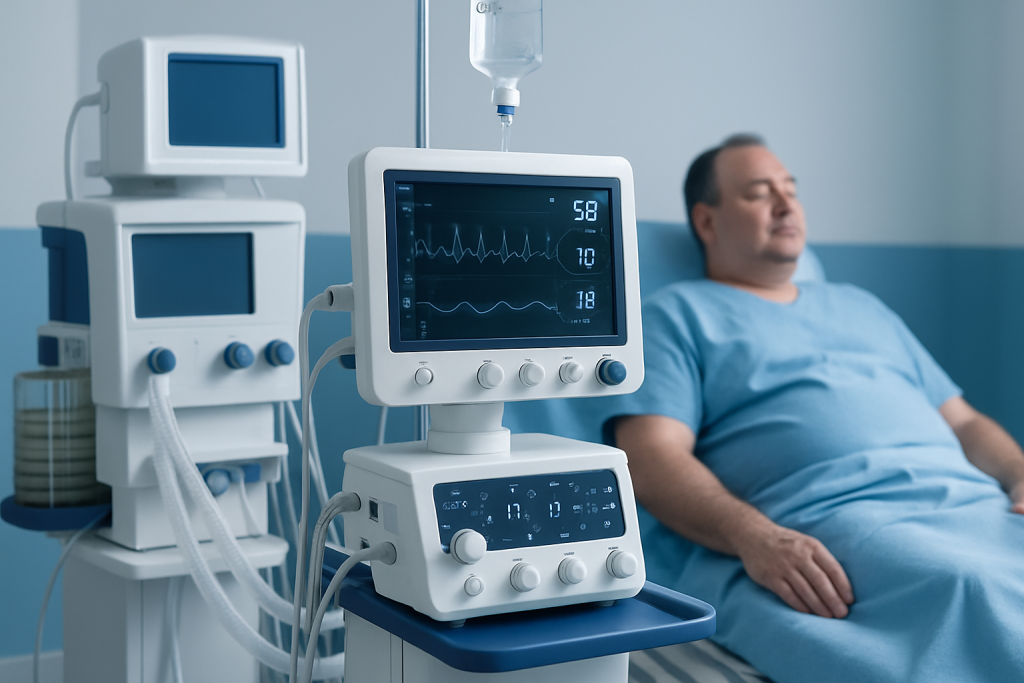
After bariatric surgery, the body is healing from internal and external incisions, adjusting to a new digestive pattern, and often taking in far less food and fluid than before. A long flight can make those normal recovery needs harder to manage. Cabin air is dry, meals are limited, and getting up and moving around may feel awkward during the first days after surgery.
The biggest medical concern during prolonged travel is the increased chance of venous thromboembolism, or blood clots in the legs or lungs. Surgery itself temporarily raises clot risk, and long periods of immobility can add to that risk. Not every patient will need the same precautions, but this is one reason surgeons are cautious about early travel.
There are also more practical issues. Postoperative bloating, shoulder discomfort from laparoscopy, gas pain, and fatigue can make sitting upright for hours unpleasant. If the flight includes layovers, the body may be asked to do more walking and waiting than it is ready for.
Symptoms and warning signs to notice before travel

Feeling tired after bariatric surgery is common, and mild abdominal soreness is expected. What matters is whether the recovery is moving in the expected direction. Before taking a long flight, the patient should be able to walk safely, drink enough fluids, and control pain without becoming overly drowsy.
Any sign that recovery is not straightforward should be discussed before travel. These include worsening abdominal pain, repeated vomiting, trouble keeping fluids down, fever, shortness of breath, chest pain, one-sided leg swelling, redness around the incision, or drainage that is getting heavier rather than lighter.
- Increasing belly pain instead of gradual improvement
- Persistent vomiting or inability to sip fluids
- Shortness of breath or chest discomfort
- Leg pain, swelling, or redness
- Fever, chills, or wound drainage
If any of these appear, flying should be postponed until a doctor evaluates the situation. A stable recovery is the starting point for any safe travel plan.
Causes and risk factors that affect flying clearance
There is no single rule that fits every bariatric patient. The decision to fly is shaped by multiple factors, including the type of surgery, the person’s age, body mass index, personal history of blood clots, smoking status, hormone use, and how mobile they are after the operation. Patients with sleep apnea or heart and lung conditions may also need a more careful review.
The timing of travel matters as well. The first days after surgery are usually the most sensitive period because the body is still reacting to anesthesia, pain medicine, and fluid shifts. If the operation was more complex than expected, or if there were problems such as bleeding or dehydration, the surgeon may recommend a longer stay.
Distance and logistics are part of the risk picture. A short direct flight is easier to manage than a long itinerary with several connections, heavy luggage, and long waits in airports. The safest travel plan is often the simplest one.
How doctors decide when it is safe to travel
Before discharge, the surgical team usually checks whether the patient is alert, stable, able to walk, and able to tolerate fluids. Those basic milestones are more important than a calendar date alone. If the patient can move comfortably, breathe normally, and manage postoperative care instructions, the team may consider travel reasonable.
For many patients, the surgeon will ask specific questions about the flight: how long it is, whether it is direct, whether the patient will be seated by the aisle, and whether someone will be traveling with them. The doctor may also review medications, clot-prevention measures, and the plan for follow-up once the patient returns home.
Some patients may need written medical clearance for the airline or for travel insurance purposes. Others may need a longer observation period in the treatment country before they are ready to depart. In every case, the decision should be individualized rather than based on a one-size-fits-all rule.
Travel tips and prevention while flying home
When a long flight is approved, a few practical steps can make the journey safer. The goal is to keep circulation moving, avoid dehydration, and reduce pressure on the healing abdomen. Small choices can make a meaningful difference over several hours in the air.
Patients are usually advised to choose an aisle seat if possible so they can stand and walk without disturbing other passengers. Regular short walks, ankle movements while seated, and wearing compression stockings if recommended can support blood flow. It is also important to sip fluids consistently rather than waiting until thirst becomes intense.
- Follow the surgeon’s timing for travel, not a fixed personal schedule.
- Take prescribed medications exactly as directed.
- Pack the discharge summary, medication list, and emergency contact information.
- Keep approved fluids and protein supplements within reach.
- Avoid lifting heavy luggage; ask for assistance.
- Plan transportation from the airport to home so the return is calm and direct.
It is also sensible to arrange a check-in with a local clinician after arrival, especially if the trip home is very long or if the patient has any ongoing medical conditions. Recovery does not end at the airport; it continues after reaching home.
Food, hydration, and comfort during the trip
Eating after bariatric surgery follows a staged progression, so the flight plan should match the current diet phase. Patients may only be allowed clear liquids or full liquids at the time of travel. Trying to advance too quickly can cause nausea, discomfort, or vomiting, which is especially unpleasant on a plane.
Hydration deserves close attention. Dehydration is common after bariatric surgery because stomach capacity is limited and it can be difficult to sip enough throughout the day. During travel, patients should sip as directed by the surgical team and avoid alcohol, which can worsen dehydration and affect judgment.
Pain control is also important. Some pain medicines can cause sleepiness or constipation, while others may irritate the stomach. The prescribing doctor should explain which medications are appropriate for the flight and which over-the-counter products should be avoided after surgery.
When to see a doctor before or after traveling
The surgeon or bariatric care team should be contacted before departure if the patient is unsure about travel timing, if symptoms are worsening, or if the itinerary is unusually long or complicated. It is better to postpone a flight than to manage a preventable problem mid-journey.
After arrival home, medical help should be sought promptly if there is severe abdominal pain, repeated vomiting, inability to drink, bleeding, fever, shortness of breath, or signs of a blood clot such as one-sided leg swelling. These symptoms do not always mean a major complication, but they do need timely assessment.
For international patients, it helps to know where to go locally if an issue appears after returning home. A clear follow-up plan, including who to call and which records to keep, turns a long-distance surgical journey into a much safer experience. Acibadem Health Point’s multidisciplinary specialists and JCI-accredited hospitals diagnose and treat bariatric conditions for international patients, with care planning that includes recovery and travel considerations.
Recovery planning for international patients
Traveling home after bariatric surgery is easier when the recovery plan starts before the operation. Patients should ask how long they are expected to remain nearby, what kind of activity is allowed, and which symptoms require urgent review. These details help prevent uncertainty once the flight date approaches.
International patients benefit from having copies of operative notes, discharge instructions, medication lists, and follow-up recommendations in an easy-to-carry format. If language barriers or time-zone differences may affect communication, it is wise to clarify how to reach the surgical team after leaving the country.
With the right timing and precautions, many patients can return home safely after bariatric surgery. The key is not to rush the journey, but to align it with the body’s recovery signals and the surgeon’s guidance.
Frequently asked questions
How soon can someone fly home after bariatric surgery?
There is no single answer for every patient. The surgeon decides based on the procedure, recovery progress, and whether the patient can walk, drink fluids, and manage pain safely.
Is a long flight dangerous after gastric sleeve or gastric bypass surgery?
It can be safe for some patients, but the main concern is blood clot risk and the strain of sitting for a long time soon after surgery. The risk is lower when the patient is well hydrated, moving regularly, and medically cleared to travel.
What should a bariatric patient do during a flight to reduce clot risk?
They should get up and walk when allowed, move the ankles and feet while seated, drink fluids as directed, and use compression stockings if the surgeon recommends them. An aisle seat can make these steps easier.
Can someone travel alone after bariatric surgery?
Some patients can, but having a companion is often safer and more comfortable, especially on a long flight. A companion can help with luggage, documents, and practical issues if the patient feels weak or nauseated.
Should travel be postponed if there is mild pain or bloating?
Mild soreness and bloating can be normal early after surgery, but the patient should still be able to move, drink, and breathe comfortably. If pain is getting worse, or if nausea, fever, or shortness of breath appears, the doctor should be contacted before flying.
What records should be carried when flying home after surgery?
It helps to bring the discharge summary, medication list, postoperative diet instructions, and emergency contact details for the surgical team. These documents can be useful if medical care is needed after arrival.
References
- American Society for Metabolic and Bariatric Surgery
- National Institute of Diabetes and Digestive and Kidney Diseases
- Centers for Disease Control and Prevention
- World Health Organization
- International Air Transport Association
This article is for general information only and is not a substitute for professional medical advice. Please consult a qualified doctor about your individual situation.