PPD: Uses, Dosage and Side Effects

Key Takeaways
- PPD is more than temporary emotional ups and downs after birth; it can interfere with daily life and bonding.
- Symptoms may include persistent sadness, anxiety, irritability, guilt, low energy, sleep problems, and trouble concentrating.
- Risk can rise with a history of depression, stressful life events, limited support, sleep deprivation, or pregnancy and birth complications.
- Diagnosis is usually based on a clinical conversation and screening tools rather than a single lab test.
- Treatment may include psychotherapy, medication, practical support, and a coordinated care plan that fits breastfeeding and family needs.
Medically reviewed by the Acıbadem clinical team — August 19, 2026
PPD, or postpartum depression, is a treatable mood disorder that can appear after childbirth and may affect emotions, energy, sleep, and daily functioning. With timely recognition and the right support, most people improve and recover well.
Overview
PPD is the common shorthand for postpartum depression, a mood disorder that can begin after childbirth and sometimes appears during pregnancy as well. It is not a sign of weakness or poor parenting; it is a health condition that can affect how a person feels, thinks, sleeps, and manages daily responsibilities.
For some people, the change is subtle at first. They may notice that ordinary tasks feel unusually heavy, that joy feels muted, or that anxiety keeps building instead of settling after delivery. In an international-patient setting, these concerns can be especially easy to overlook because new mothers may be far from familiar family support, navigating travel, or trying to recover while coordinating newborn care in another country.
PPD deserves attention because early support can make recovery smoother for both parent and baby. A thoughtful medical evaluation helps distinguish postpartum depression from short-lived “baby blues,” thyroid problems, sleep deprivation, or other conditions that can look similar.
Symptoms
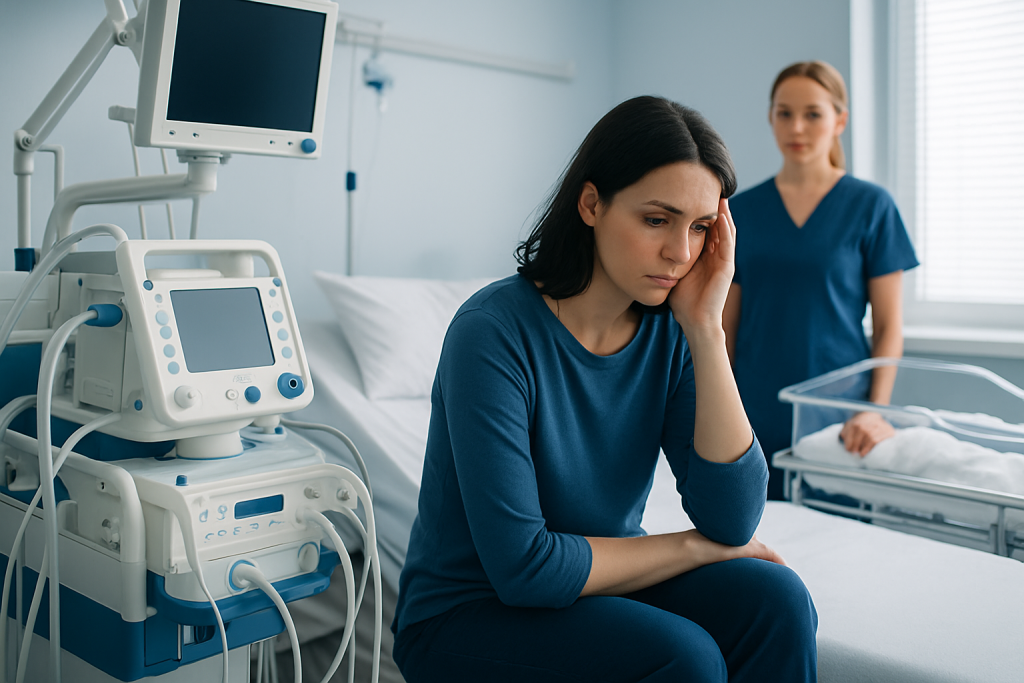
PPD does not always look like sadness alone. Some people notice numbness, irritability, intense worry, or a feeling of being disconnected from the baby or from themselves. Others keep functioning outwardly while privately struggling with concentration, appetite, or a sense that they are no longer enjoying things they used to value.
Common symptoms may include:
- Persistent sadness, emptiness, or tearfulness
- Loss of interest or pleasure
- Excessive guilt, shame, or feeling like a “bad parent”
- Anxiety, panic, or constant worry about the baby
- Sleep problems that go beyond normal newborn disruption
- Changes in appetite or energy
- Difficulty concentrating or making decisions
- Feeling detached from the baby or from loved ones
Symptoms can start any time in the first months after delivery and may be mild, moderate, or severe. If the mood changes are lasting, worsening, or interfering with daily life, they should be discussed with a doctor rather than dismissed as a routine part of recovery.
Causes & Risk Factors
PPD usually develops from a combination of factors rather than one single cause. Rapid hormonal shifts after childbirth, sleep disruption, physical recovery from delivery, and the emotional demands of caring for a newborn can all contribute. For many people, the timing of these changes is enough to overwhelm the body’s usual coping systems.
Certain circumstances can increase risk. These include a personal or family history of depression or anxiety, prior postpartum depression, a difficult pregnancy or birth, unplanned pregnancy, major stress, relationship strain, financial concerns, limited support, and traumatic experiences. Breastfeeding challenges, infant health concerns, or separation from familiar support after international travel may also add pressure.
It is important to remember that PPD can affect people who seemed emotionally stable throughout pregnancy and those who have strong support around them. Risk factors can guide attention, but they do not fully predict who will develop the condition.
Diagnosis
There is no single blood test that confirms postpartum depression. Diagnosis usually begins with a careful conversation about mood, sleep, appetite, thoughts, daily functioning, and the timing of symptoms after childbirth. A clinician may also ask about anxiety, prior mental health history, recent stressors, and any thoughts of self-harm.
Screening questionnaires are often used to help identify symptom patterns and severity. These tools are not a judgment of parenting ability; they are simply a structured way to detect changes that may need treatment. Depending on the situation, a doctor may also check for medical contributors such as thyroid imbalance, anemia, vitamin deficiencies, or medication effects.
Because postpartum symptoms can overlap with other conditions, an accurate diagnosis is especially valuable. It helps ensure that the treatment plan addresses the real problem and avoids assuming that every emotional change after birth is “normal.”
Treatment Options
PPD is treatable, and many people improve with the right combination of support. The treatment plan is individualized and may include psychotherapy, medication, sleep and routine support, and help with practical tasks such as feeding schedules, childcare, or household responsibilities.
Psychotherapy, especially cognitive behavioral therapy and interpersonal therapy, can help a new parent understand thought patterns, manage anxiety, and rebuild confidence. If symptoms are moderate to severe, medication may be recommended. A clinician will consider factors such as breastfeeding, symptom severity, medical history, and personal preference when discussing options.
In more serious situations, additional care may be needed, including closer psychiatric follow-up or short-term intensive support. The most effective plans are often coordinated across obstetrics, primary care, and mental health teams so that recovery is addressed from several angles at once.
For patients traveling for care, it is useful to plan ahead for follow-up after returning home. A clear medication plan, symptom monitoring instructions, and a local clinician for continuity can make treatment more manageable across borders.
Prevention & Self-care
Not every case of PPD can be prevented, but certain habits can lower strain and make early symptoms easier to recognize. Rest is not a luxury in the postpartum period; it is part of health care. Even small protected sleep periods and shared newborn duties can make a meaningful difference.
Helpful self-care steps may include:
- Asking for specific help with meals, cleaning, and baby care
- Protecting sleep whenever possible
- Keeping follow-up appointments after delivery
- Sharing mood changes honestly with a trusted person or clinician
- Eating regularly and staying hydrated
- Using gentle movement and fresh air when medically appropriate
- Reducing isolation by staying in contact with supportive people
Families can help by watching for persistent mood changes and avoiding the common mistake of telling a struggling parent to simply “snap out of it.” Practical support and calm reassurance are often more useful than advice alone. If the birthing parent is recovering abroad, planning a realistic support network before travel can reduce preventable stress.
When to See a Doctor
A doctor should be contacted if low mood, anxiety, irritability, or detachment lasts more than two weeks, worsens, or interferes with caring for oneself or the baby. It is also important to seek help sooner if symptoms feel intense, if the parent cannot sleep at all, or if panic and hopelessness are becoming hard to manage.
Urgent medical help is needed if there are thoughts of self-harm, thoughts of harming the baby, confusion, severe agitation, or signs that reality feels distorted. These symptoms require immediate assessment and should never be handled alone.
Early care is not only about reducing distress; it also supports bonding, feeding, recovery, and long-term family well-being. In well-coordinated centers, multidisciplinary teams can help diagnose and treat postpartum depression while also considering the practical needs of international patients and their newborns.
Frequently asked questions
Is PPD the same as the baby blues?
No. Baby blues are short-lived mood changes that usually improve within about two weeks after delivery. PPD is more persistent and can be more intense, often affecting daily functioning and the ability to feel settled or connected.
Can PPD happen after a planned pregnancy or an easy delivery?
Yes. PPD can occur even when the pregnancy was wanted and the birth went smoothly. Emotional, hormonal, and sleep-related changes after delivery can affect anyone.
Does breastfeeding cause PPD?
Breastfeeding does not cause PPD, but feeding difficulties and exhaustion can add stress. Treatment plans can be chosen with breastfeeding in mind, and many supportive options remain available.
How is PPD usually treated?
Treatment commonly includes psychotherapy, medication when appropriate, and practical support at home. The exact plan depends on symptom severity, medical history, and the person’s circumstances.
Can fathers or partners experience postpartum depression?
Yes. Partners can also experience depression or anxiety after a baby arrives, especially when sleep is limited or stress is high. They should seek care if mood changes are persistent or affecting daily life.
When should emergency help be sought?
Emergency help is needed if there are thoughts of self-harm, thoughts of harming the baby, severe confusion, or hallucinations. These situations require immediate professional attention.
References
- World Health Organization
- American College of Obstetricians and Gynecologists
- National Institute of Mental Health
- Royal College of Psychiatrists
- Centers for Disease Control and Prevention
This article is for general information only and is not a substitute for professional medical advice. Please consult a qualified doctor about your individual situation.
Explore treatments in Turkey — costs, top hospitals & a free quote
JCI-accredited · board-certified surgeons · reply within 24h
Add us as a Preferred Source to see more of our trusted health content across Google Search, AI Overviews and Discover.