Pots Symptoms

Key Takeaways
- POTS symptoms often worsen when standing and may improve with lying down.
- A fast heart rate, lightheadedness, fatigue, brain fog, and palpitations are common features.
- Diagnosis usually involves a detailed history, heart-rate and blood-pressure checks, and sometimes tilt-table testing.
- Treatment focuses on symptom control through fluids, salt intake when appropriate, compression, exercise, and selected medicines.
- Symptoms can overlap with other conditions, so medical evaluation is important rather than self-diagnosis.
Postural orthostatic tachycardia syndrome (POTS) is a condition that affects how the body responds to standing, often causing a fast heartbeat and a range of daily symptoms. Understanding the pattern of symptoms can help people seek the right evaluation and supportive care sooner.
Overview
POTS, short for postural orthostatic tachycardia syndrome, is a disorder of the autonomic nervous system. That system helps control automatic body functions such as heart rate, blood pressure, digestion, temperature regulation, and sweating. In POTS, the body has trouble adjusting smoothly to the upright position, so standing can trigger a noticeable and uncomfortable surge in heart rate.
For many people, the first clue is not a single dramatic event but a pattern: getting dizzy in the shower, feeling unwell after standing in line, or needing to sit down quickly during a busy day. Symptoms can vary widely from mild to disabling, and they may come and go over time. Because the experience is often invisible to others, people sometimes go a long time before receiving an explanation.
POTS is not a single disease with one cause. It is a clinical syndrome, which means several different underlying factors can contribute to the same symptom pattern. That is one reason evaluation matters: treatment is usually more effective when it is matched to the person’s specific triggers, medical history, and daily needs.
Symptoms
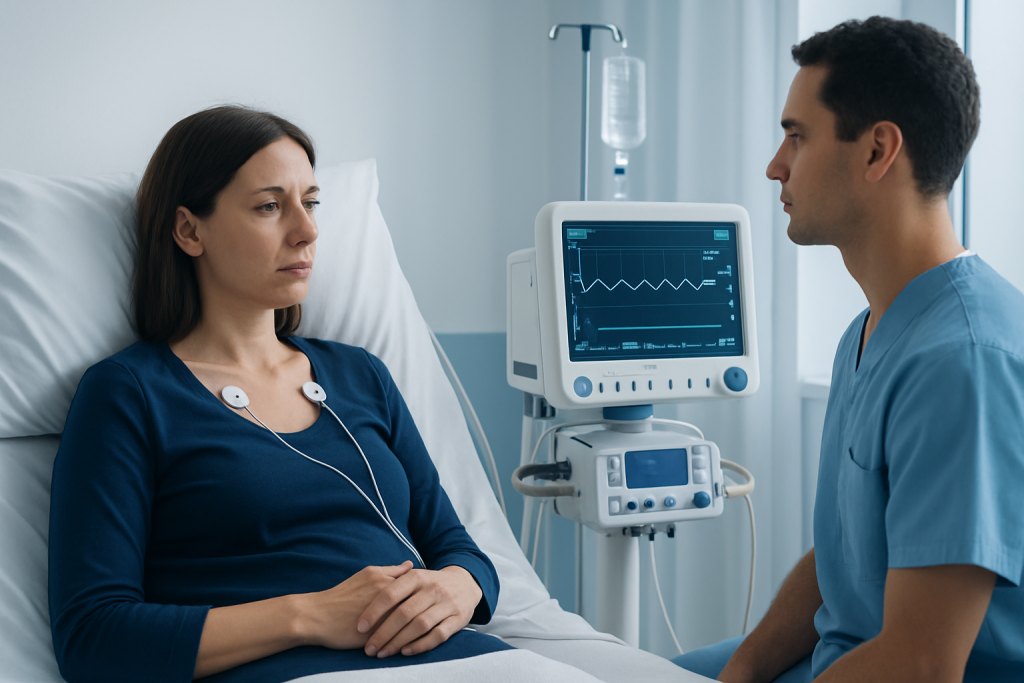
The hallmark of POTS is a marked increase in heart rate after standing up, often accompanied by a range of other symptoms. The body may be trying to compensate for reduced blood return to the heart or changes in circulation, which can leave a person feeling unstable, exhausted, or “off” within minutes of standing. Symptoms may be more noticeable in warm environments, after meals, during illness, or after long periods of inactivity.
Common symptoms include:
- Fast heartbeat or palpitations on standing
- Lightheadedness or dizziness
- Near-fainting or fainting in some cases
- Fatigue that feels out of proportion to activity
- Brain fog, slowed thinking, or trouble concentrating
- Headache
- Trembling, shakiness, or internal jitteriness
- Nausea, bloating, or other digestive discomfort
- Shortness of breath or chest discomfort
- Exercise intolerance and worsening after prolonged standing
Not every person has the same combination of symptoms. Some people mainly notice the heart rate changes and dizziness, while others are more affected by fatigue, cognitive symptoms, or gastrointestinal complaints. Symptoms can also be influenced by sleep, hydration, hormonal changes, stress, and other health conditions, which can make the picture feel confusing at first.
Because the symptoms overlap with anxiety, dehydration, anemia, thyroid problems, heart rhythm disorders, and other conditions, a careful medical assessment is important. POTS can coexist with other illnesses as well, so the goal is not only to name the syndrome but also to understand the full context around it.
Causes & Risk Factors

POTS can develop for more than one reason, and in some people the trigger remains unclear. Researchers believe several mechanisms may be involved, including reduced blood volume, changes in blood vessel tone, overactive adrenaline responses, deconditioning after illness, and abnormalities in nerve signaling. In other words, the problem is not simply “a fast pulse”; it is a mismatch between the upright posture and the body’s ability to maintain stable circulation.
Certain situations are associated with a higher likelihood of POTS or POTS-like symptoms. These include:
- Recent viral illness or prolonged recovery from infection
- Prolonged bed rest or physical deconditioning
- Autoimmune or connective tissue disorders in some people
- Hormonal changes, including puberty or pregnancy-related shifts
- Prior concussion or other neurologic stressors
- Family history of autonomic or related conditions in some cases
It is also common for symptoms to be noticed more often in adolescents and young adults, though POTS can affect people of different ages. Women are diagnosed more often than men, but the syndrome can occur in anyone. Risk does not mean certainty, and having one or more associated factors does not automatically mean a person has POTS.
When people travel for care, especially internationally, it helps to gather a clear symptom timeline before the first appointment. Notes about when symptoms started, what makes them worse, and what seems to help can make evaluation more efficient and can reduce the chance of overlooking an underlying contributor such as anemia, thyroid disease, or medication effects.
Diagnosis
There is no single blood test that confirms POTS. Diagnosis begins with a detailed medical history and a physical examination focused on what happens when the person moves from lying or sitting to standing. Clinicians typically look for a characteristic rise in heart rate on standing, along with symptoms that fit the pattern and are not better explained by another condition.
Evaluation may include measuring heart rate and blood pressure while lying down and again after standing for several minutes. Some patients may be asked to undergo a tilt-table test, which monitors how the body responds to changes in position in a controlled setting. Depending on the case, doctors may also order tests to look for anemia, thyroid disorders, electrolyte issues, dehydration, heart rhythm abnormalities, or other conditions that can mimic or worsen symptoms.
Because POTS affects daily life in ways that do not always show up on routine tests, symptom history matters. A person might be asked about fainting, exercise tolerance, hydration habits, medications, menstrual changes, digestive symptoms, sleep quality, and any illness or injury before symptoms began. This broader review helps distinguish POTS from isolated palpitations or ordinary postural dizziness.
For patients traveling from another country, a structured workup can be especially valuable. Bringing prior test results, medication lists, and symptom diaries in advance can help specialists avoid duplicate testing and focus on the most relevant next steps.
Treatment Options
Treatment for POTS is usually individualized and often combines lifestyle measures with selected medicines when needed. The aim is not one dramatic cure but a steadier day-to-day pattern: fewer symptom spikes, better tolerance of standing, and improved function. Many people benefit from a stepwise plan that begins with non-drug measures and then adds medication if symptoms remain difficult.
Common non-pharmacologic approaches include increasing fluid intake, adjusting salt intake if a doctor says it is appropriate, using compression garments to support circulation, and learning how to change positions more gradually. A carefully paced exercise program is often important, with an emphasis on recumbent or low-upright activities at first. The goal is to rebuild conditioning without repeatedly provoking severe symptoms.
Medicines may be considered when lifestyle measures are not enough. Depending on the person’s pattern of symptoms, doctors may choose medications that help control heart rate, improve blood vessel tone, or support blood pressure. The exact choice depends on the overall medical picture, including other conditions and any side effects that need to be avoided. No medication should be started or adjusted without medical guidance, especially when symptoms are complex or long-standing.
Supportive care can also include sleep optimization, management of nausea or headaches, and treatment of associated conditions such as anemia, migraine, or gastrointestinal problems. In some cases, rehabilitation specialists, cardiology, neurology, and physical therapy may work together so that the plan is practical rather than overly restrictive. For international patients, coordinated care can be helpful when a workup and early treatment need to happen in a limited time frame.
Prevention & Self-care
POTS cannot always be prevented, especially when it develops after an illness or alongside another medical condition. Even so, many people can reduce symptom flares by making practical adjustments to daily routines. The most effective self-care usually focuses on circulation, hydration, and pacing rather than pushing through symptoms.
Helpful habits may include:
- Drinking fluids regularly throughout the day, unless a doctor advises otherwise
- Using adequate salt only if medically appropriate
- Standing up slowly and pausing before walking
- Avoiding prolonged standing when possible
- Choosing cooler environments and being cautious with hot showers or hot weather
- Eating smaller, more frequent meals if large meals worsen symptoms
- Wearing compression stockings or other compression garments if recommended
- Keeping a symptom log to identify patterns and triggers
Pacing is especially important. Many people do better when they break tasks into smaller steps and plan rest periods before symptoms become severe. Gentle conditioning, once approved by a clinician, can be useful over time, but overly aggressive exercise may lead to setbacks. A balanced plan usually works better than trying to “tough it out.”
Travel can complicate self-care because routine, hydration, sleep, and climate change all matter. When someone is preparing to fly for medical evaluation or treatment, it helps to discuss mobility, medication timing, and symptom support in advance with the care team. Simple planning can make the experience safer and less tiring.
When to See a Doctor
Medical evaluation is appropriate if standing regularly causes a rapid heartbeat, dizziness, fainting, persistent fatigue, or symptoms that interfere with work, school, exercise, or travel. It is especially important to seek assessment when symptoms are new, worsening, or happening after an illness, head injury, or significant change in health. Even when symptoms seem familiar, a clinician should rule out treatable conditions that can look similar.
Prompt care is also wise if chest pain, severe shortness of breath, repeated fainting, or signs of dehydration are present. These symptoms do not automatically mean something dangerous, but they do deserve timely review so the cause is understood. People should not assume symptoms are “just anxiety” or “just low blood pressure” without a proper check.
For patients considering care abroad, it is sensible to arrange a center that can evaluate autonomic symptoms, review prior records, and coordinate follow-up after return home. Acibadem Health Point’s multidisciplinary specialists and JCI-accredited hospitals diagnose and treat this condition for international patients, with attention to continuity of care before and after travel.
Because POTS symptoms can overlap with many other conditions, the safest approach is a thoughtful medical consultation rather than self-diagnosis. With the right assessment, many patients can find a plan that makes daily life more predictable and manageable.
Living With POTS
Living with POTS often means learning the body’s early warning signs and responding before symptoms become overwhelming. That might include sitting down sooner, carrying water, scheduling rest breaks, or adjusting activities around the part of the day when symptoms are milder. Over time, this practical awareness can be just as valuable as any single treatment.
Emotional strain is also common, especially when symptoms are misunderstood by employers, teachers, or even family members. A clear diagnosis can be reassuring because it gives language to what the person is experiencing and opens the door to a more concrete care plan. Support from clinicians who take symptoms seriously can make a meaningful difference in confidence and adherence.
Many patients do best when they view POTS management as a partnership. The person brings the lived experience and symptom pattern; the medical team brings diagnostic clarity, treatment options, and follow-up. That combination helps turn a confusing collection of symptoms into a manageable plan.
Frequently asked questions
What are the most common POTS symptoms?
The most common symptoms are a fast heart rate on standing, lightheadedness, fatigue, palpitations, and brain fog. Some people also notice nausea, shakiness, headache, or exercise intolerance. Symptoms often improve when lying down or sitting.
Is POTS the same as low blood pressure?
No. Some people with POTS have normal blood pressure, while others may have blood pressure changes as part of the syndrome. The key feature is usually the rise in heart rate with standing, not low blood pressure alone.
Can POTS happen after an illness?
Yes, some people notice POTS symptoms after a viral illness or a prolonged recovery period. Illness can affect hydration, conditioning, and autonomic function, which may contribute to symptoms. A medical evaluation helps sort out the underlying cause.
How is POTS diagnosed?
Doctors usually diagnose POTS with a careful history, exam, and heart rate and blood pressure measurements while lying and standing. Some patients need a tilt-table test or other tests to rule out similar conditions. Diagnosis is based on the full pattern, not one test result.
What helps POTS symptoms day to day?
Many people benefit from regular fluids, appropriate salt intake if approved by a doctor, compression garments, slow position changes, and a graded exercise plan. Trigger awareness, pacing, and good sleep can also help. Treatment should be individualized because symptoms differ from person to person.
When should someone seek urgent medical care?
Urgent evaluation is important for repeated fainting, chest pain, severe shortness of breath, or signs of significant dehydration. Those symptoms need timely assessment to make sure nothing more serious is going on. If symptoms are new or rapidly worsening, medical advice should not be delayed.
References
- National Institute of Neurological Disorders and Stroke
- Cleveland Clinic
- Mayo Clinic
- Johns Hopkins Medicine
- American Heart Association
This article is for general information only and is not a substitute for professional medical advice. Please consult a qualified doctor about your individual situation.
More from the Health Library



Related Specialists

Dr. Ömercan Yağız Öksüz
Aesthetic Plastic & Reconstructive Surgery
Dr. Göksel Seçkin
General Surgery
Dr. Emel Eskitaşçıoğlu
Anesthesiology
Assoc. Prof. Dr. Emine Karabük
Gynecology & Obstetrics