Platelet Count

Key Takeaways
- Platelets help the blood clot and protect the body from excessive bleeding.
- A platelet count that is too low or too high does not always mean a serious illness, but it should be interpreted in context.
- Common causes include infections, medications, immune conditions, iron deficiency, inflammation, and bone marrow disorders.
- Doctors usually confirm an abnormal result with repeat testing and may order additional blood tests or imaging.
- People should seek medical advice promptly for unexplained bruising, frequent nosebleeds, prolonged bleeding, or symptoms of clotting.
Platelet count is a routine blood test result that helps show how well the body can form clots and stop bleeding. Changes in platelet levels can have many causes, and most are investigated through a careful review of symptoms, history, and laboratory findings.
Overview
Platelets are tiny blood cells that travel through the circulation and help repair injured blood vessels. When a vessel is damaged, platelets gather at the site and work with clotting proteins to form a plug, which is one of the body’s first steps in stopping bleeding.
A platelet count is usually measured as part of a complete blood count. The result gives clinicians a snapshot of how many platelets are present in a given volume of blood, but it does not by itself explain why the number is low or high. That is why doctors interpret the value together with symptoms, other blood results, medications, and medical history.
For international patients who may be arranging care from another country, understanding this test can make the next steps feel clearer. A single abnormal result often leads to repeat testing or a broader workup rather than immediate treatment, especially when the person feels well.
Symptoms
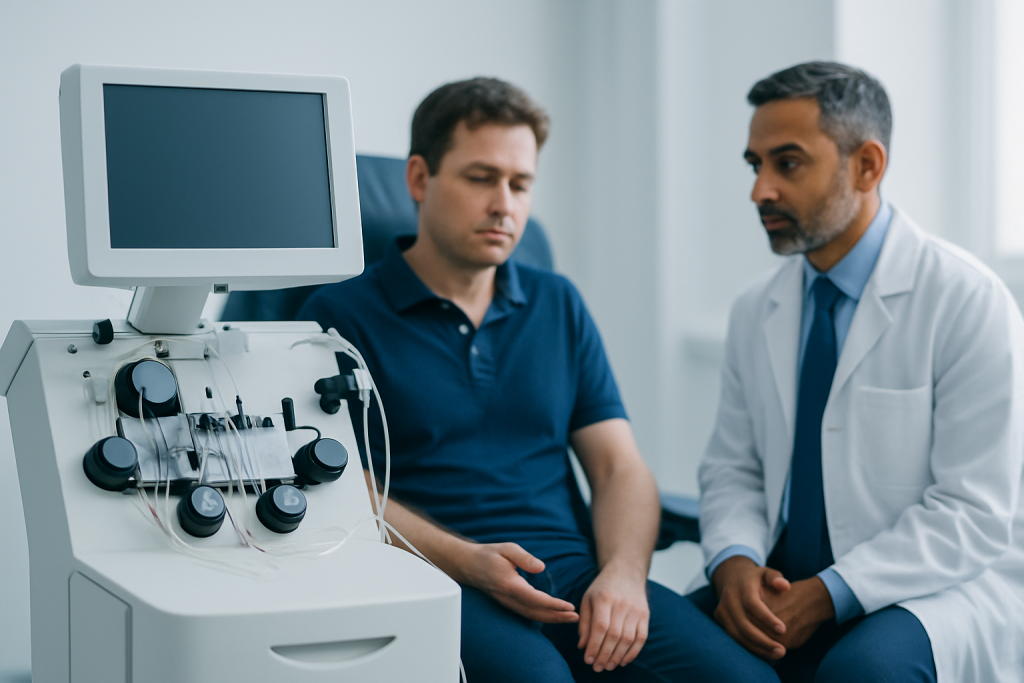
Many people with an abnormal platelet count have no obvious symptoms at all, particularly when the change is mild or found incidentally during routine testing. In these cases, the result may be the first sign that the body is dealing with an infection, inflammation, medication effect, or another condition that deserves attention.
When platelet levels are low, symptoms may reflect easier bleeding or bruising. These can include small purple spots on the skin, frequent nosebleeds, bleeding gums, heavier-than-usual menstrual bleeding, or bleeding that takes longer to stop after a cut.
When platelet levels are high, symptoms may be absent, but some people notice headaches, dizziness, tingling in the hands or feet, or signs related to an underlying inflammatory or blood disorder. A doctor will also look for warning signs of clotting problems, such as swelling in a leg, chest discomfort, shortness of breath, or new neurologic symptoms.
- Easy bruising or pinpoint red-purple spots on the skin
- Frequent nosebleeds or gum bleeding
- Prolonged bleeding from minor injuries
- Headache, dizziness, or visual changes in some cases
- Unexpected symptoms of clotting, such as limb swelling or sudden weakness
Causes & Risk Factors

Platelet counts can move up or down for many reasons, and the cause is often more important than the number alone. A low count may occur when the body makes fewer platelets, destroys them too quickly, stores too many in the spleen, or loses them through bleeding. A high count usually reflects increased production in response to another process in the body.
Common causes of low platelet count include viral infections, autoimmune conditions, certain medicines, alcohol-related liver disease, vitamin deficiencies, pregnancy-related changes, and bone marrow disorders. Some people develop immune thrombocytopenia, in which the immune system attacks platelets; others have low counts because of medications such as some antibiotics, seizure medicines, or chemotherapy agents.
High platelet counts may be reactive, meaning they appear in response to infection, inflammation, surgery, blood loss, or iron deficiency. Less commonly, the bone marrow produces too many platelets because of a myeloproliferative disorder. Risk factors vary widely, so the doctor’s job is to sort out whether the result is temporary, reactive, or part of a broader disease process.
Factors that may increase the chance of an abnormal platelet count include:
- Recent infection or inflammation
- Use of medicines that affect platelet production or function
- Nutritional deficiencies, especially iron, vitamin B12, or folate
- Liver disease or enlarged spleen
- Known autoimmune, marrow, or blood disorders
Diagnosis
The first step is usually a repeat complete blood count to confirm that the result is real. Sometimes a sample can clump in the tube and create a falsely low reading, so doctors may also review a blood smear under the microscope to see whether the platelets look normal and are evenly distributed.
After confirmation, the next phase is often a thoughtful search for the cause. This may include questions about recent infections, bleeding, bruising, travel, medications, alcohol use, family history, pregnancy, and any other symptoms such as fatigue or weight change. The doctor may also order tests for liver function, iron levels, vitamin status, inflammatory markers, or infection depending on the situation.
In some cases, more specialized testing is needed. These may include imaging to assess the spleen or, less commonly, a bone marrow test when the results suggest a problem with blood cell production. For patients planning care abroad, bringing previous lab reports and medication lists can shorten the diagnostic process and help the team compare trends over time.
Treatment Options
Treatment depends entirely on the cause, the platelet level, and whether the person is bleeding, clotting, or feeling well. Some people only need observation and follow-up because mild abnormalities may resolve once an infection clears or a medication is changed. Others need targeted treatment for an underlying condition.
When platelet count is low, doctors may recommend stopping a contributing medicine, treating an infection, correcting a nutritional deficiency, or using therapies that calm immune activity if an autoimmune cause is suspected. In more urgent situations, treatment may include platelet transfusion or other hospital-based care, especially if there is active bleeding or a very low count.
When platelet count is high, treatment focuses on the reason the count rose. If it is reactive, the count often improves as the underlying issue settles. If the cause is a bone marrow disorder, treatment may involve medicines that reduce platelet production or lower the risk of clotting, guided closely by a hematology specialist.
Patients should not start aspirin, ibuprofen, herbal supplements, or blood-thinning medicines on their own to address platelet concerns. The right treatment depends on whether the main risk is bleeding or clotting, and self-treatment can make the wrong problem worse.
Prevention & Self-care
Not every abnormal platelet count can be prevented, but some practical habits can reduce avoidable problems while the cause is being investigated. People who know they have a low platelet count should be cautious with activities that increase the chance of injury and should ask their doctor which medicines are safe to use.
Nutrition also matters when deficiency is part of the picture. A balanced diet that includes iron, folate, and vitamin B12 supports blood cell production, though supplements should be used only when a clinician recommends them. It is also helpful to keep an updated list of all prescriptions, over-the-counter products, and herbal remedies, because several can influence platelets or bleeding.
General self-care steps include:
- Follow the prescribed plan and attend repeat blood tests as advised
- Use caution with contact sports or activities that may cause falls if counts are low
- Report new bruising, bleeding, or clotting symptoms promptly
- Stay hydrated and recover well after infections or procedures
- Carry copies of lab results when traveling for care or follow-up
For people coordinating treatment across borders, clear follow-up planning is especially important. A simple schedule for repeat tests, medication review, and emergency contact information can make recovery smoother after returning home.
When to See a Doctor
Medical advice should be sought whenever a platelet count is outside the normal range, even if there are no symptoms yet. A healthcare professional can judge whether the result needs urgent attention, short-interval follow-up, or a deeper evaluation.
Prompt assessment is especially important if there is unusual bleeding, many new bruises, blood in the urine or stool, black stools, heavy menstrual bleeding, severe headache, chest pain, shortness of breath, one-sided swelling, or sudden weakness, numbness, or vision changes. These symptoms may point to bleeding or clotting complications that should be assessed without delay.
People with known blood disorders, cancer treatment, autoimmune disease, liver disease, or recent surgery should mention their platelet concerns early, because their thresholds for action may be different. In specialized centers, multidisciplinary teams can coordinate the laboratory review, imaging, and treatment plan efficiently; Acibadem Health Point also supports international patients through multidisciplinary specialists and JCI-accredited hospitals that diagnose and treat platelet-related conditions.
Outlook
The outlook for an abnormal platelet count depends on the reason behind it, not just the number on the report. Many mild changes are temporary and improve once the trigger is treated or removed, while some chronic conditions require long-term monitoring rather than constant intervention.
The most useful approach is steady follow-up and clear communication with the care team. When the cause is understood, doctors can decide whether the priority is preventing bleeding, lowering clot risk, treating inflammation, or watching the count over time.
For patients who are arranging care internationally, good records and a well-explained plan can make ongoing management much easier. Platelet counts are only one part of the picture, but they are often an important clue that helps clinicians protect both safety and recovery.
Frequently asked questions
What is a normal platelet count?
Normal ranges can vary slightly by laboratory, but platelet count is usually interpreted within the context of the complete blood count and the person’s overall health. A doctor will explain whether the value is truly abnormal and whether it needs follow-up.
Does a low platelet count always mean a bleeding problem?
No. Some people with a low count have no bleeding symptoms, especially when the decrease is mild. The actual bleeding risk depends on how low the count is, how quickly it changed, and whether other conditions are present.
Can stress affect platelet count?
Stress by itself is not usually the main cause of a major platelet abnormality. However, illness, inflammation, medications, and other physical stresses can influence test results, so doctors look at the full clinical picture.
Why would a doctor repeat the test?
Repeat testing helps confirm that the result is accurate and not due to a lab artifact such as platelet clumping. It also shows whether the number is stable, improving, or getting worse.
Is a high platelet count dangerous?
Sometimes it is temporary and reactive, such as after infection or iron deficiency. In other situations, it may reflect a condition that increases clot risk, so the cause needs to be identified rather than assuming the number is harmless.
Can diet improve platelet count?
Diet can help when the low count is related to nutrient deficiency, especially iron, folate, or vitamin B12. For most other causes, food alone is not enough, so the underlying condition still needs medical evaluation.
References
- Mayo Clinic
- Cleveland Clinic
- MedlinePlus
- World Health Organization
- American Society of Hematology
This article is for general information only and is not a substitute for professional medical advice. Please consult a qualified doctor about your individual situation.
More from the Health Library



Related Specialists
Dr. Lütfullah Çakır
Emergency Service
Dr. Fatma Erbay Apaydın
Infectious Diseases & Clinical Microbiology
Dr. Burak Güler
Gynecology & Obstetrics
Prof. Dr. Züleyha Çalikuşu
Internal Medicine