

Plantar Fibroma And Plantar Fibromatosis

Key Takeaways
- Plantar fibroma is a benign nodule in the plantar fascia, the thick band under the foot.
- Plantar fibromatosis refers to a tendency to develop one or more fibromas, sometimes in both feet.
- Symptoms often become noticeable with pressure from walking, running, or tight footwear.
- Diagnosis is usually based on examination and sometimes imaging to rule out other causes of a foot lump.
- Treatment ranges from shoe changes and padding to injections or surgery in selected cases.
Plantar fibroma and plantar fibromatosis are conditions that cause firm nodules in the tissue along the bottom of the foot, often near the arch. They may be painless at first, but can become uncomfortable when walking, standing, or wearing certain shoes.
Overview
Plantar fibroma and plantar fibromatosis involve the connective tissue that supports the sole of the foot, especially the plantar fascia. A plantar fibroma is a firm, noncancerous lump that develops within this tissue. Plantar fibromatosis describes the broader condition in which one or more of these nodules form, sometimes slowly and sometimes on both feet.
For many people, the first clue is not dramatic pain but a small, hard area that feels different when they press on the arch. The lump may stay stable for a long time, yet in some cases it gradually enlarges or creates irritation from everyday weight-bearing. Because the plantar fascia helps absorb force during standing and walking, even a small change in this area can become noticeable.
This condition is generally benign, but it can affect comfort, footwear choices, and activity levels. A careful evaluation helps distinguish it from other causes of a foot mass, such as a cyst, callus, or a growth arising from nearby structures.
Symptoms
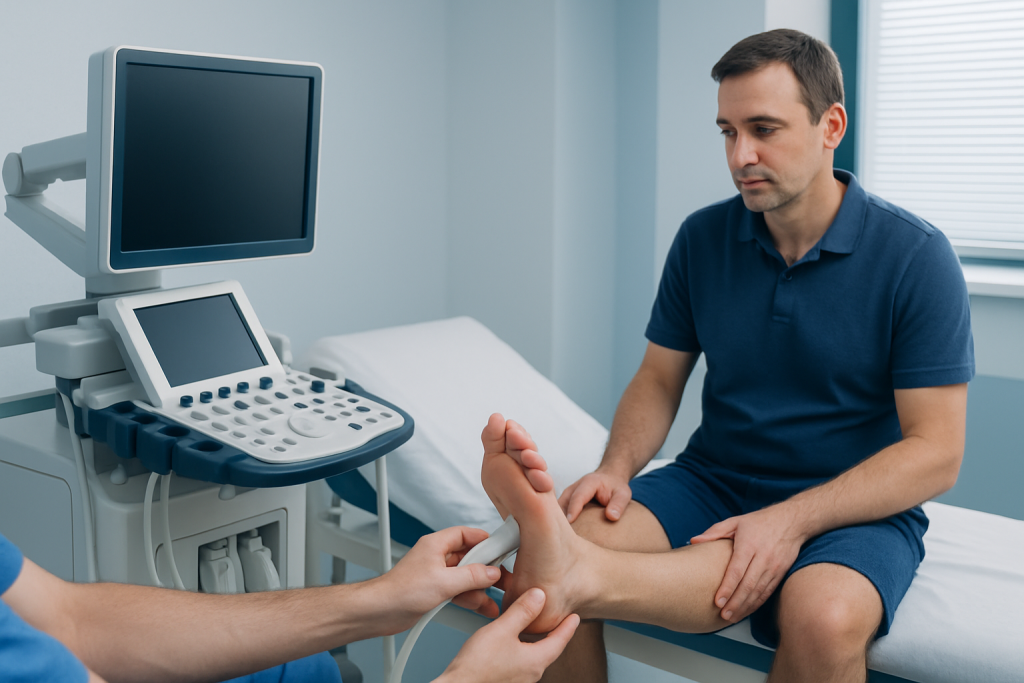
Symptoms vary widely. Some people only notice a small nodule that can be felt beneath the skin on the arch, often along the inner side of the foot. Others develop soreness, a pulling sensation, or pain when the lump is compressed inside a shoe or during long periods of standing.
Common features may include:
- A firm lump in the arch or along the sole of the foot
- Tenderness when walking barefoot on hard surfaces
- Discomfort from pressure, especially in narrow shoes
- One or more nodules that may develop slowly over time
- Occasional stiffness or a sense of tightness in the foot
Symptoms do not always match the size of the lump. A small fibroma can be surprisingly bothersome if it sits in a pressure point, while a larger one may cause little trouble if it is well protected by footwear and padding.
Causes & Risk Factors
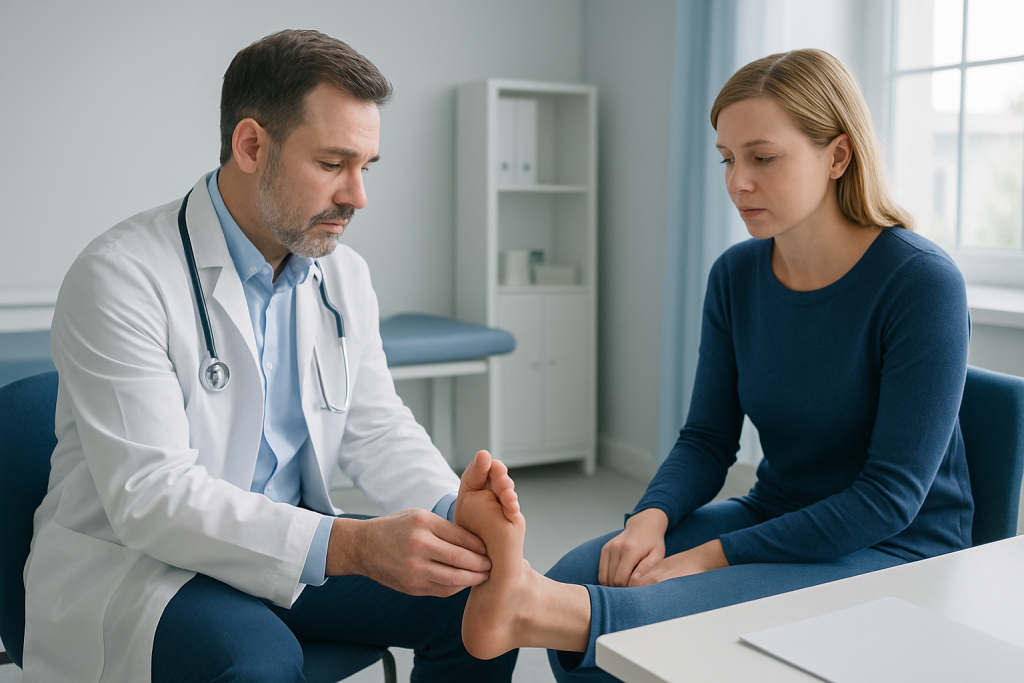
The exact reason plantar fibromas develop is not fully understood. Many experts believe repeated stress or microtrauma to the plantar fascia may play a role in certain people, but not everyone with the condition has an obvious injury history. In many cases, the tissue seems to change gradually without a single clear trigger.
Some factors are associated with a higher likelihood of developing plantar fibromatosis. These may include family tendency, certain connective tissue conditions, and a history of similar fibrous growths elsewhere in the body. The condition has also been linked in some patients with diabetes, epilepsy, and use of certain medications, though this does not mean these factors cause it directly in every case.
The condition can appear in adults of different ages, and men are reported more often than women in many clinical settings. Even so, anyone can develop it. Because causes are multifactorial, the most useful approach is not to search for a single explanation, but to assess how the lump is behaving and whether it is interfering with function.
Diagnosis
Diagnosis often begins with a physical examination. A clinician will usually ask where the lump is located, how long it has been present, whether it is painful, and whether it has changed in size or number. Feeling the mass and observing how it affects walking can provide important clues.
Imaging may be recommended if the diagnosis is uncertain or if the healthcare team wants to understand the size and depth of the lesion. Ultrasound can help show whether the lump is consistent with fibrous tissue, while MRI may be used when more detail is needed or when another diagnosis must be ruled out. These tests are especially helpful if the nodule is growing, unusually painful, or located in a less typical spot.
In some situations, the doctor may consider other causes of a plantar lump, including ganglion cysts, nerve-related swellings, foreign-body reactions, or, rarely, more serious masses. A thoughtful diagnostic work-up is important because treatment choices depend on what the lump truly is, not only on how it feels.
Treatment Options
Treatment depends on how much the fibroma affects daily life. If the lump is small and not very painful, observation may be enough. Many people do well with simple pressure-relief measures rather than immediate procedures.
Conservative care often includes wider shoes, cushioned insoles, soft pads, or custom orthotics that reduce direct pressure on the arch. Activity adjustments may help if certain movements or long walks trigger soreness. Some clinicians also recommend physical therapy to improve foot mechanics and reduce strain on the plantar fascia.
When symptoms persist, other treatments may be discussed. These can include corticosteroid injections in selected cases, though benefits and risks should be reviewed carefully because responses vary. Other injectable or minimally invasive approaches may be considered by specialists depending on the lesion, but no single method works for everyone.
Surgery is usually reserved for cases in which pain, shoe intolerance, or growth of the fibroma significantly interferes with function. It may remove the nodule, but recurrence can occur, particularly in more extensive plantar fibromatosis. For this reason, doctors often weigh the expected benefit against the possibility of scar tenderness, healing time, and future recurrence before recommending an operation.
Prevention & Self-care
There is no guaranteed way to prevent plantar fibroma or plantar fibromatosis, but practical self-care can reduce irritation and help protect the foot from repeated pressure. The goal is to make the plantar fascia work with less friction rather than to force the tissue to tolerate constant compression.
Helpful measures may include:
- Choosing shoes with a roomy toe box and adequate cushioning
- Using pads or orthotics to offload the arch
- Avoiding barefoot walking on hard surfaces when possible
- Checking feet regularly for changes in size, tenderness, or skin irritation
- Managing body weight and activity levels in ways that reduce excess foot stress
Travel can make symptoms more noticeable because long airport walks, standing in lines, or unfamiliar footwear can increase pressure. For international patients, bringing comfortable shoes, prior imaging if available, and a clear history of symptom changes can make specialist evaluation smoother and more efficient.
When to See a Doctor
A medical review is a good idea if a lump on the bottom of the foot is new, painful, growing, or making it harder to walk comfortably. It is also wise to seek evaluation if the lump feels different from a callus, changes the skin above it, or appears in more than one location.
Prompt assessment is especially helpful if there is numbness, redness, warmth, rapid enlargement, or a history of injury that raises concern for a different problem. Even when symptoms are mild, an early visit can help confirm the diagnosis and prevent prolonged irritation from poorly fitting shoes or unhelpful self-treatment.
For people considering care abroad, it is reasonable to seek an orthopedic or foot-and-ankle specialist who can combine examination, imaging if needed, and a treatment plan that fits both medical needs and travel logistics. Acibadem Health Point’s multidisciplinary specialists and JCI-accredited hospitals diagnose and treat this condition for international patients, with attention to coordinated follow-up after the return home.
Living With the Condition
Many people with plantar fibroma or plantar fibromatosis manage the condition successfully without major procedures. Comfort often improves when the foot is protected from repeated pressure and the treatment plan is adjusted to symptom severity rather than to the size of the lump alone.
Because the condition can be long-lasting, follow-up is usually about monitoring function: Is walking easier? Are shoes more comfortable? Has the lump remained stable? These practical questions help determine whether current care is enough or whether a specialist should revisit the options.
With the right evaluation and a steady approach, most patients can keep active and make informed decisions about treatment. The focus is usually not on urgency, but on choosing the least disruptive path that preserves mobility and comfort.
Frequently asked questions
Is plantar fibroma the same as plantar fibromatosis?
They are closely related, but not exactly the same. A plantar fibroma is the individual lump, while plantar fibromatosis refers to the condition in which one or more of these fibromas develop in the plantar fascia.
Can a plantar fibroma go away on its own?
Some fibromas remain stable for years, but they usually do not disappear completely without treatment. If they are not causing symptoms, doctors may simply monitor them rather than intervene right away.
Is a plantar fibroma cancerous?
No, plantar fibromas are benign growths of fibrous tissue. Even so, a foot lump should still be evaluated so the correct diagnosis can be confirmed.
What makes symptoms worse?
Direct pressure from walking, standing for long periods, or wearing tight or unsupportive shoes often makes symptoms more noticeable. Hard surfaces and barefoot walking can also increase discomfort.
Do injections or surgery cure plantar fibromatosis?
These treatments may reduce symptoms or remove troublesome tissue, but recurrence can happen, especially with more extensive disease. A specialist can explain which option is most appropriate based on the size, location, and behavior of the lump.
Should an international patient wait until returning home to get checked?
If the lump is painful, growing, or affecting walking, it is better to arrange an evaluation sooner rather than later. Having the condition assessed before travel or soon after arrival can help prevent delays in diagnosis and make follow-up planning easier.
References
- American Academy of Orthopaedic Surgeons
- Mayo Clinic
- Cleveland Clinic
- Merck Manual Professional Edition
- National Institute of Arthritis and Musculoskeletal and Skin Diseases
This article is for general information only and is not a substitute for professional medical advice. Please consult a qualified doctor about your individual situation.
More from the Health Library



Related Specialists

Prof. Dr. Ahmet Alanay
Orthopedic Surgery & Traumatology
Dr. Sinan Aksu
Orthopedic Surgery & Traumatology
Dr. Sirri Baştürk
Orthopedic Surgery & Traumatology
Prof. Dr. Korhan Özkan
Orthopedic Surgery & Traumatology