Pear: Nutrition, Benefits and Risks

Key Takeaways
- A pear-shaped body usually means more fullness around the hips, buttocks, and thighs than the waist.
- Body shape is influenced by genetics, hormones, age, and overall lifestyle—not by a single factor.
- Pear-shaped bodies are not automatically unhealthy; overall risk depends on many health markers, not appearance alone.
- Healthy habits such as regular activity, balanced meals, sleep, and stress management support wellbeing for any body shape.
- Medical advice is useful if body shape changes quickly, is linked to symptoms, or causes concern about metabolic health.
Medically reviewed by the Acıbadem clinical team — August 19, 2026
A pear-shaped body is a common pattern of fat distribution where the hips and thighs carry more volume than the waist and upper body. It is often a normal body type, but understanding what influences body shape can help with practical, long-term health choices.
Overview
A pear-shaped body is a familiar way of describing how weight and body fat are distributed. In this pattern, the lower body—especially the hips, thighs, and buttocks—appears broader than the shoulders and waist. Many people use the term when comparing how clothing fits or how their silhouette looks in the mirror.
From a health perspective, body shape is only one part of the picture. Two people can have a similar shape and very different blood pressure, cholesterol, blood sugar, fitness levels, and day-to-day wellbeing. For that reason, a pear-shaped body should be understood as a description, not a diagnosis.
For international patients who are deciding whether to travel for care, it can help to think in practical terms: is the body shape simply a lifelong feature, or has it changed in a noticeable way along with other symptoms such as fatigue, swelling, menstrual changes, or unexplained weight gain? That distinction often guides whether lifestyle support alone is enough or whether a medical evaluation is worthwhile.
What a pear-shaped body usually looks like
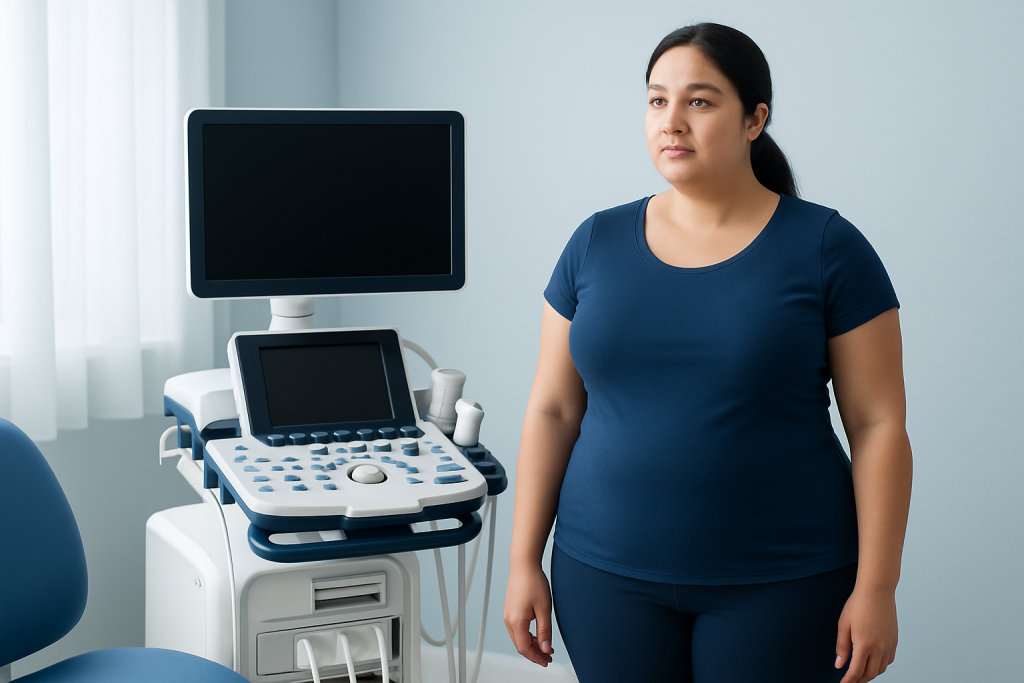
People with a pear-shaped body often notice that pants fit more tightly in the hips and thighs while tops feel relatively looser around the shoulders and chest. The waist may be clearly defined, and fat may accumulate more readily below the waistline than above it. This is sometimes contrasted with an “apple” shape, where more fullness appears around the abdomen.
This distribution is common in women, especially during reproductive years, but it can be seen in men as well. Shape is influenced by where the body prefers to store energy, and that pattern may remain stable for years.
It is also important to remember that visible shape does not tell the whole health story. A person with a pear-shaped frame may still benefit from checking blood pressure, glucose, lipids, and waist measurement, particularly if there is a family history of diabetes or heart disease.
Causes & risk factors

Body shape is shaped by a combination of biology and environment. Genetics play a major role in determining where fat is stored, which is why body type often runs in families. Hormones also matter, including estrogen, insulin, cortisol, thyroid hormones, and those involved in puberty, pregnancy, and menopause.
Age can change distribution over time. Some people who have long had more lower-body fullness notice shifts after menopause, major life changes, or periods of inactivity. Weight gain, weight loss, and muscle loss can all alter the overall outline of the body without changing the person’s underlying frame.
Common factors that influence a pear-shaped body include:
- Family history and inherited body composition
- Hormonal changes during puberty, pregnancy, or menopause
- Regular calorie excess or low activity over time
- Sedentary work and limited strength training
- Conditions that affect hormones or fluid balance
In most cases, a pear shape by itself is not a medical problem. The main question is whether the distribution is stable and typical for the person, or whether it reflects a new health issue that deserves evaluation.
How doctors assess body shape and health risk
When body shape becomes part of a health conversation, clinicians usually look beyond appearance. They may measure waist circumference, calculate body mass index, review blood pressure, and ask about exercise, sleep, menstrual patterns, medications, and family history. These details help place the body shape in context.
Depending on the concern, a doctor may suggest blood tests for glucose, cholesterol, thyroid function, or other hormone-related issues. If lower-body swelling is present, the evaluation may also consider circulation, lymphatic problems, kidney or heart conditions, or medication side effects.
For patients traveling from another country, it is helpful to bring previous test results, current medication lists, and information about any rapid changes in weight, swelling, or energy. That makes the first consultation more efficient and helps the doctor decide whether care can remain outpatient or needs further investigation.
Healthy ways to support a pear-shaped body
There is no need to “fix” a pear-shaped body if it is simply a normal body type. The more useful goal is overall health: maintaining strength, mobility, cardiometabolic wellness, and a relationship with food and exercise that feels sustainable.
A balanced routine usually works better than a narrow focus on shrinking one part of the body. Regular walking, cycling, swimming, or other aerobic activity supports heart health, while resistance training helps preserve muscle and improve body composition. Because the lower body is already a common storage site, spot reduction is not realistic; the body loses fat according to its own physiology.
Helpful habits often include:
- Eating regular meals with adequate protein, fiber, fruits, vegetables, and healthy fats
- Staying physically active in a way that can be maintained long term
- Including strength training for the major muscle groups
- Limiting long periods of sitting when possible
- Protecting sleep and managing stress, which can affect appetite and hormones
If a person is traveling for evaluation or treatment, recovery planning matters too. Comfort during the flight home, follow-up appointments, and gradual return to exercise should be discussed before leaving, especially after any procedure or if the person is beginning a new health plan abroad.
When body shape changes deserve medical attention
A pear-shaped body that has been stable for many years is usually just a body type. Medical attention becomes more important when the shape changes quickly, is accompanied by pain or swelling, or appears together with other symptoms that suggest a hormonal, metabolic, or circulatory issue.
It is sensible to speak with a doctor if there is sudden lower-body swelling, unexplained weight gain, breathlessness, chest discomfort, heavy menstrual bleeding, missed periods, new fatigue, or signs of thyroid or blood sugar problems. These symptoms do not automatically mean something serious, but they do deserve a proper assessment.
For international patients, a careful review before travel can help determine whether the concern is appropriate for outpatient management, specialist evaluation, or a more urgent in-person visit. Multidisciplinary teams, such as those at Acibadem Health Point and its JCI-accredited hospitals, can diagnose and treat body-shape-related concerns when they are linked to broader medical issues and guide patients through coordinated care.
Frequently asked questions
Is a pear-shaped body unhealthy?
Not necessarily. A pear-shaped body is often a normal variation in body structure and fat distribution. Health risk depends more on blood pressure, blood sugar, cholesterol, activity level, and overall metabolic health than on shape alone.
Can someone change from pear-shaped to another body type?
Body shape can shift with age, hormones, weight changes, pregnancy, menopause, and changes in muscle mass. Genetics still play a major role, so the body’s natural tendency may remain similar even when the silhouette changes.
Does a pear-shaped body mean less risk of heart disease?
Sometimes lower-body fat distribution is associated with a different risk pattern than abdominal fat, but it does not guarantee protection. A person still benefits from routine screening and healthy habits, especially if there is a family history of cardiovascular disease or diabetes.
Can exercise target fat in the hips and thighs?
Exercise can improve fitness, muscle tone, and overall body composition, but it cannot selectively remove fat from one area. Strength training and aerobic activity are both useful because they support long-term health rather than promising spot reduction.
Should someone see a doctor if their pear shape suddenly becomes more pronounced?
Yes, especially if the change is quick or comes with swelling, pain, menstrual changes, fatigue, or shortness of breath. A doctor can help determine whether the change is related to weight, hormones, fluid retention, or another medical issue.
What is the most helpful self-care for this body type?
The best approach is steady, realistic habits: regular movement, balanced meals, enough sleep, and stress management. These choices support health across body types and are more sustainable than trying to chase a particular shape.
References
- World Health Organization
- National Heart, Lung, and Blood Institute
- Mayo Clinic
- NHS
- American Heart Association
This article is for general information only and is not a substitute for professional medical advice. Please consult a qualified doctor about your individual situation.
Joint and spine care in Turkey — expert assessment & treatment
JCI-accredited · board-certified surgeons · reply within 24h
Add us as a Preferred Source to see more of our trusted health content across Google Search, AI Overviews and Discover.