Yoga For Anxiety Management
Key Takeaways
- Yoga may help reduce stress responses by combining movement, breathing, and attention training.
- Gentle, regular practice is often easier to sustain than intense exercise when anxiety is present.
- People with anxiety can adapt yoga to their comfort level, mobility, and medical needs.
- Yoga is supportive, but persistent or severe anxiety should be discussed with a qualified doctor or mental health professional.
- A simple home routine can be useful during travel, recovery, or busy periods when access to in-person care is limited.
Yoga for anxiety management uses slow movement, breath awareness, and relaxation to help the body settle and the mind feel more organized. It can be a helpful complement to professional anxiety care, especially when practiced gently and consistently.
Overview
For many people, anxiety is not only a thought pattern; it also shows up in the body as tight shoulders, shallow breathing, a racing heart, or a feeling that relaxation is out of reach. Yoga can be helpful because it works with both the physical and mental sides of that experience. It invites slower breathing, steadier attention, and movements that tell the nervous system there is no immediate danger.
Yoga for anxiety management does not mean forcing calm or holding difficult poses. In practice, it often looks like a short sequence of gentle stretches, seated breathing, or a few quiet minutes on a mat. The goal is not perfection. It is to create a repeatable way to lower tension and make space between a stressful moment and the body’s automatic reaction.
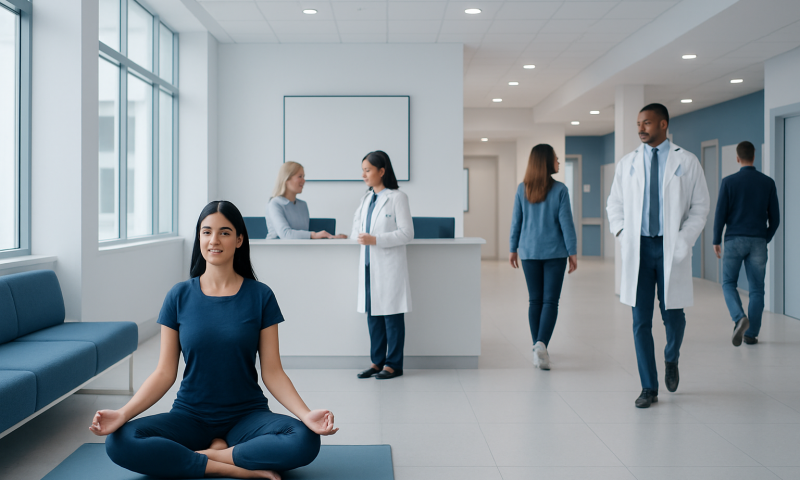
People often appreciate yoga because it is flexible enough to fit different needs. It can be practiced at home, in a hotel room while traveling, or in a clinic-based rehabilitation setting if another health condition is being managed at the same time. When used alongside counseling, medication, or other medical advice, it may become a practical part of a broader anxiety-care plan.
Symptoms Yoga May Help Ease
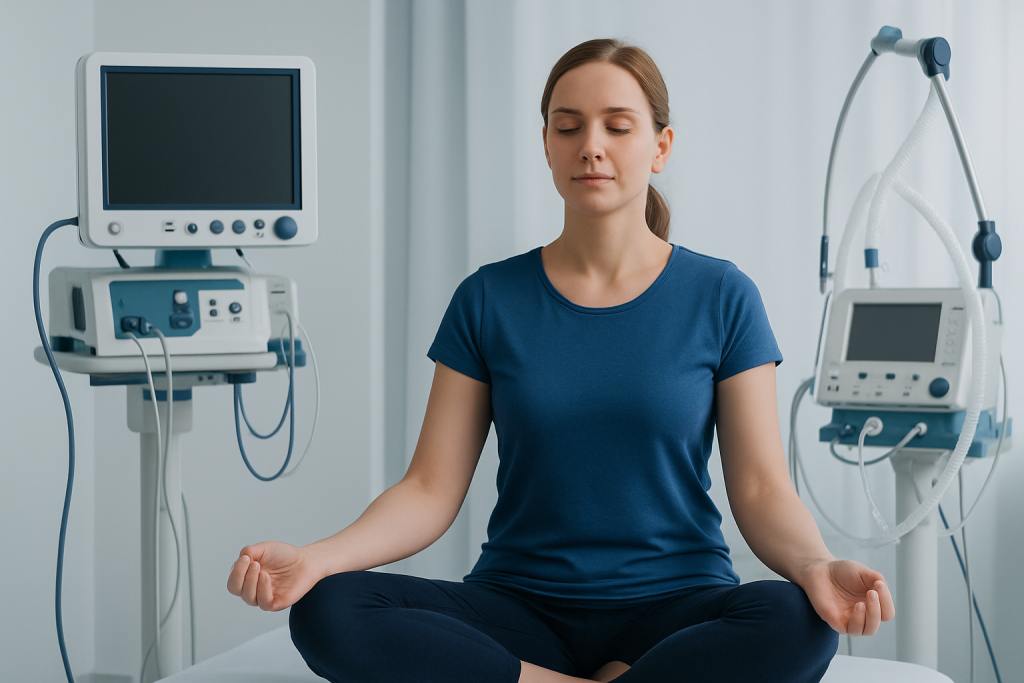
Anxiety can affect the body in many ways, and yoga is most often used to support the physical strain that comes with it. Some people notice that after a gentle session, their breathing feels less rushed, the jaw is less tight, or sleep comes more easily. Others describe a quieter sense of alertness rather than a dramatic emotional change.
The benefits people seek are usually related to common anxiety symptoms such as:
- muscle tension in the neck, shoulders, or back
- rapid or shallow breathing
- restlessness or difficulty sitting still
- trouble winding down at the end of the day
- heightened sensitivity to stress
- difficulty concentrating
Yoga is not meant to replace care for severe panic attacks, trauma-related symptoms, or depression. It is better understood as one supportive tool that may reduce the intensity of physical tension and improve a person’s sense of control over their day.
Causes & Risk Factors
Anxiety does not have one single cause. It may be influenced by genetics, ongoing stress, sleep problems, past experiences, medical conditions, or a combination of these factors. Because anxiety often activates the body’s stress response, people can feel stuck in a cycle where tension and worried thoughts keep feeding each other.
Yoga may be appealing because it addresses that cycle from several angles at once. Slow movement can ease stiffness, while breath-focused practice may help shift attention away from spiraling thoughts. A calm, predictable routine can also provide a sense of structure, which is useful when life feels uncertain.
Some people are more likely to benefit from adapting yoga carefully rather than following a strenuous class. This is especially true for those with dizziness, chronic pain, pregnancy, balance concerns, recent surgery, heart or lung conditions, or a history of panic triggered by intense body sensations. In those situations, a clinician or qualified instructor can help choose safer modifications.
How Yoga Supports the Nervous System
Yoga is often described as relaxing, but the underlying reason is more interesting than relaxation alone. Gentle movement and controlled breathing can influence the autonomic nervous system, which helps regulate heart rate, muscle tone, and the body’s readiness to respond to stress. When the pace slows, the body may have a better chance to move out of a high-alert state.
Breath awareness is especially useful. Many anxiety patterns are paired with breathing that becomes quick and shallow. When a person practices longer exhalations or simply notices the breath without trying to change it, the nervous system may interpret that as a sign of safety. This can make the next thought, movement, or conversation feel slightly easier to handle.
Attention training also matters. During yoga, a person repeatedly brings the mind back to the body, the breath, or a simple cue. That practice can be valuable for anxiety because it rehearses a skill: noticing worry without being pulled entirely into it. Over time, this may support better self-regulation in everyday life, not just during formal practice.
Common Yoga Approaches for Anxiety
Not every style of yoga is suitable for anxiety management. Fast-paced, hot, or highly demanding classes may feel energizing for some people, but they can feel too stimulating for others. For anxiety support, gentler approaches are usually a better starting point.
Helpful options may include:
- Restorative yoga: supported poses held for longer periods to encourage rest
- Hatha yoga: slower, basic postures with time to notice breathing
- Yin yoga: long holds with a focus on ease and stillness
- Breath-centered practice: simple breathing exercises with minimal movement
- Chair yoga: a practical option for limited mobility or recovery periods
People new to yoga often do best with short sessions and a familiar sequence. A few gentle stretches, seated twists, and relaxed breathing can be enough to begin. Consistency usually matters more than intensity, especially when the aim is to feel safer in the body rather than to achieve a workout milestone.
Diagnosis and Professional Evaluation
Yoga can support anxiety, but it does not diagnose it. If worry, panic, avoidance, irritability, or constant tension are affecting daily life, a healthcare professional can help determine whether the symptoms fit generalized anxiety, panic disorder, social anxiety, or another condition. Medical evaluation is also useful because some physical issues can resemble anxiety, including thyroid problems, rhythm disturbances, or medication side effects.
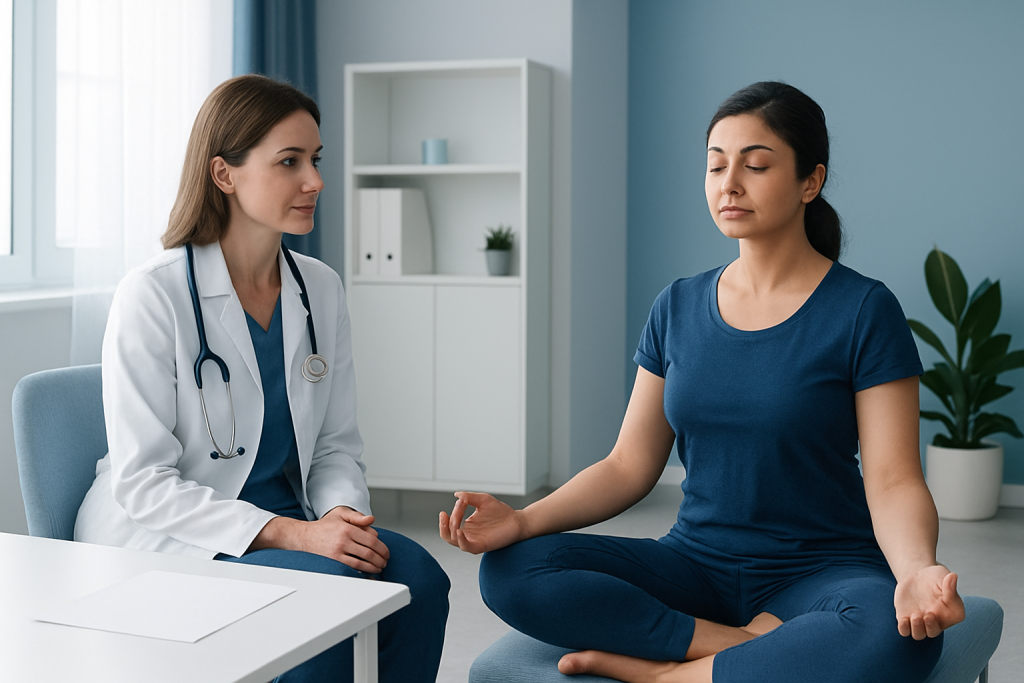
A doctor or mental health professional may ask about symptoms, sleep, stressors, and how long the problem has been present. They may also look at overall health, substance use, and whether other treatments have already been tried. This broader picture matters because the most helpful plan may involve counseling, medication, sleep changes, or lifestyle support in addition to yoga.
For international patients, a structured assessment can be reassuring because it clarifies what is happening before travel or treatment planning begins. If a person is coming from another country for evaluation or follow-up, it is useful to bring a symptom history, a list of current medications, and any prior mental health records if available.
Treatment Options and How Yoga Fits In
When anxiety is persistent, treatment often works best in layers. Yoga may be one layer, while psychotherapy, medication, and routine health measures form others. Cognitive behavioral therapy, for example, can help with thought patterns and avoidance, while medication may be appropriate when symptoms are more severe or long-lasting. A clinician can help match the plan to the person’s needs and medical history.
Yoga fits best as a supportive practice that is low-pressure and sustainable. Some people use it in the morning to begin the day with less tension, while others prefer evening practice to separate themselves from the demands of work or caregiving. During travel, even a brief session can help preserve a sense of routine when familiar surroundings are missing.
People recovering from another illness or procedure may also benefit from a modified approach, especially if they are dealing with deconditioning, discomfort, or sleep disruption. In those situations, guidance from rehabilitation specialists, physicians, or an experienced yoga therapist can help keep the practice gentle and appropriate.
Prevention & Self-care
Yoga is not a cure-all, but it can be part of a practical self-care pattern that lowers the background level of stress. A realistic routine is more useful than an ambitious one that is difficult to maintain. Many people do better with 10 to 20 minutes a few times a week than with a long session that leaves them tired or discouraged.
Simple habits can make yoga more effective for anxiety management:
- choose a quiet, comfortable space with minimal interruptions
- keep the first sessions short and predictable
- use slow breathing instead of trying advanced postures
- stop if a pose causes pain, dizziness, or a surge of distress
- pair yoga with sleep, hydration, and regular meals
- practice at times of day when the body usually feels most settled
It can also help to view yoga as a skill rather than a test. If the mind wanders, that does not mean the practice failed. Returning attention to the breath or a gentle movement is part of the process. For people with a history of trauma or panic, an especially supportive environment and trauma-informed instruction may be important.
When to See a Doctor
Yoga may ease mild to moderate tension, but medical advice is important when anxiety becomes persistent, interferes with work or relationships, or leads to panic attacks. A doctor should also be consulted if symptoms start after a new medication, substance use change, or medical illness. In some cases, what feels like anxiety may be a treatable physical problem.
Urgent care is appropriate if anxiety comes with chest pain, fainting, severe shortness of breath, confusion, or thoughts of self-harm. Those symptoms deserve prompt medical attention rather than self-management alone. Even when the cause is anxiety, professional support can make a meaningful difference.
For people who want coordinated care, Acibadem Health Point can connect international patients with multidisciplinary specialists and JCI-accredited hospitals for evaluation and treatment planning. A combination of expert assessment and a calm, consistent self-care routine can make it easier to manage symptoms with confidence.
Frequently Asked Questions
Below are common questions people ask when they are considering yoga as part of anxiety management. The answers are meant to guide discussion, not replace individualized medical advice.
Frequently asked questions
Can yoga really help with anxiety?
Yoga may help some people feel calmer by combining breathing, movement, and attention training. It is usually most effective as part of a broader plan that may also include therapy, medication, or stress management. Results vary from person to person, so it is best viewed as supportive care rather than a stand-alone treatment.
Which type of yoga is best for anxiety?
Gentle styles such as restorative, hatha, yin, or chair yoga are often more comfortable for people with anxiety. Fast or intense classes can feel too stimulating for some. The best style is usually the one that feels safe, manageable, and easy to repeat.
How often should someone practice yoga for anxiety management?
A consistent routine is generally more useful than occasional long sessions. Many people start with a few short sessions each week and adjust based on how their body responds. It is reasonable to begin slowly and build up over time if practice feels helpful.
Can yoga make anxiety worse?
For some people, certain poses, breathing patterns, or intense classes can feel uncomfortable or triggering. If that happens, the practice should be modified or paused. A qualified teacher or clinician can suggest gentler options and help identify what feels safest.
Is breathing exercise alone enough without full yoga practice?
Breathing practice alone can be helpful, especially when a person needs a quick way to settle the body. It may be a useful starting point for those who find movement difficult or distracting. Still, if anxiety is frequent or severe, professional evaluation is important.
Should someone with panic attacks try yoga?
Yes, but carefully and gently. People with panic attacks often do best with slow, predictable practices that do not emphasize breath-holding or extreme body sensations. If symptoms are intense or frequent, medical guidance should come first.
References
- National Institute of Mental Health
- World Health Organization
- American Psychological Association
- National Center for Complementary and Integrative Health
This article is for general information only and is not a substitute for professional medical advice. Please consult a qualified doctor about your individual situation.