Nutrafol For Women: Benefits, Uses and Side Effects

Key Takeaways
- Nutrafol for women is designed to support hair growth conditions, not to treat every cause of hair loss.
- Female hair thinning can have many causes, including hormonal shifts, stress, iron deficiency, thyroid disorders, and genetics.
- A supplement may be more useful when paired with a clinician-guided plan that identifies the underlying reason for shedding.
- Results, if they occur, are usually gradual and depend on consistent use and overall hair-care habits.
- New or rapid hair loss should be evaluated by a dermatologist or doctor rather than self-treated alone.
Medically reviewed by the Acıbadem clinical team — August 19, 2026
Nutrafol for women is a nutraceutical hair supplement marketed to support hair health, especially when thinning may be linked to stress, nutrition, hormones, or aging. It may fit into a broader care plan, but it should not replace medical evaluation when hair loss is sudden, patchy, or persistent.
Overview
Nutrafol for women is a branded oral supplement created for women who are concerned about thinning hair or increased shedding. It is usually positioned as a support option rather than a stand-alone treatment, and it is most meaningful when the person using it understands why the hair is changing in the first place.
Hair loss in women is common, but the word itself covers several very different situations. Some people notice a gradually widening part line, others see more hair in the shower drain, and some develop patchy loss that behaves differently from pattern thinning. A supplement may be part of the picture, yet the first step is often identifying whether the issue is related to stress, nutrient deficits, hormone changes, scalp inflammation, medication effects, or hereditary hair thinning.
For international patients, this distinction matters even more. Someone may travel thinking they need a cosmetic solution, when the real answer involves blood tests, a scalp examination, or treatment of an underlying medical condition. Nutrafol for women can be discussed as one tool, but it should sit within a broader, evidence-based hair-health plan.
What Nutrafol for Women Is Intended to Support
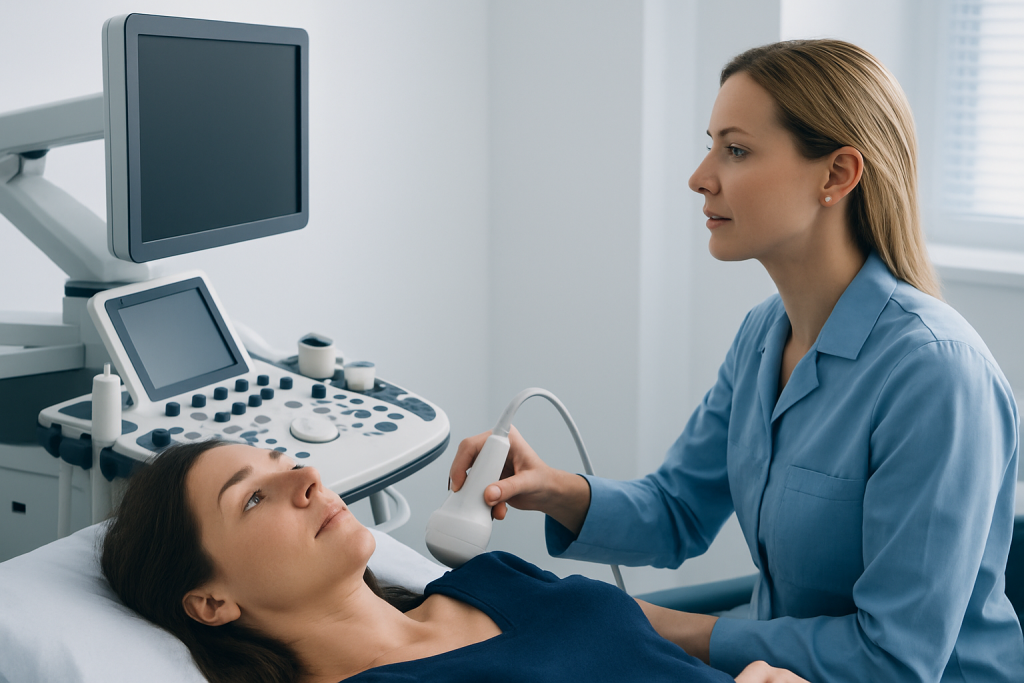
Nutrafol for women is marketed to support the body systems that influence hair growth, including stress response, nutrition, hormonal balance, and inflammation. In practical terms, that means it is aimed at women whose hair quality may be affected by everyday physiologic stressors rather than a single disease process.
Hair is sensitive to change. Illness, major life stress, weight changes, childbirth, restricted eating, low iron, thyroid imbalance, and some medications can shift follicles into a shedding phase. A supplement may be appealing because it feels proactive, but it cannot correct every driver of hair loss. If a woman has a treatable deficiency or endocrine issue, addressing that cause is usually more important than adding another product.
It is also helpful to separate the goals of a hair supplement from the goals of medical treatment. Medical care aims to diagnose and manage the reason for the thinning. A supplement may aim to provide nutrients or botanical ingredients that support normal hair growth conditions, but it should not be expected to reverse scarring hair loss, autoimmune alopecia, or severe deficiency on its own.
Signs and Hair Changes Women Notice

Women often describe hair concerns in everyday language before they use medical terms. They may say the ponytail feels smaller, the scalp shows more clearly under bright light, or the hair breaks more easily when brushed. These changes can be gradual and easy to dismiss until they become more noticeable in photographs or hairstyling routines.
Common patterns that prompt questions about supplements include diffuse shedding, reduced volume, and hair that appears less dense at the part line. Some women also notice slower regrowth after a period of illness, emotional stress, or childbirth. In these situations, people may look for an approach like Nutrafol for women because it seems aimed at the “whole person” rather than only the scalp.
Not every hair concern should be treated as simple thinning. Patchy loss, scalp scaling, itching, redness, pain, or eyebrow and eyelash loss can suggest a different diagnosis. When those features are present, the priority is assessment rather than choosing a supplement first.
- Gradual overall thinning
- More visible scalp at the part or crown
- Increased shedding during washing or brushing
- Less volume or reduced styling fullness
- Hair breakage that may coexist with thinning
Causes and Risk Factors Behind Female Hair Thinning
Female hair thinning rarely has a single explanation. Genetics can set the stage for pattern thinning, but that tendency may become more obvious during hormonal transitions such as pregnancy, postpartum recovery, perimenopause, or menopause. Stress can also push follicles into a temporary shedding phase, which is why hair changes sometimes appear a few months after a difficult period rather than immediately.
Nutritional issues are another common contributor. Low iron stores, inadequate protein intake, and restrictive dieting can all affect the hair cycle. Thyroid disorders, certain autoimmune conditions, and medication side effects may also play a role. Because several causes can overlap, women sometimes pursue supplements when they would benefit more from a full medical review.
Risk is not only about biology; it is also about timing and context. A woman recovering from surgery, living with chronic illness, following a major weight-loss program, or coping with ongoing emotional stress may be more likely to notice shedding. In a travel-for-care setting, clinicians often ask about recent changes in lifestyle, diet, and medications, because those details may be the key to the diagnosis.
How Doctors Evaluate Hair Loss
Evaluation usually begins with a conversation about when the thinning started, how fast it is progressing, and whether anything in life changed before it began. A clinician may ask about menstrual history, pregnancy, recent illness, weight changes, hair styling practices, and family history. This history often provides the first strong clue.
A scalp and hair examination helps distinguish diffuse shedding from pattern thinning or patchy loss. Depending on the findings, a dermatologist or doctor may recommend blood tests to look for common contributors such as iron status or thyroid function. If the presentation is unusual, further assessment may be needed to rule out inflammatory or autoimmune causes.
For patients who travel for consultation, this work-up can be especially valuable because it brings clarity before any long-term commitment is made. Instead of starting multiple products at random, the patient can leave with a focused plan: whether reassurance is enough, whether a supplement is reasonable, or whether medical treatment should begin first.
Treatment Options and Where Supplements Fit
Treatment depends on the cause. If iron deficiency, thyroid disease, or another medical condition is driving the hair changes, the underlying issue should be corrected. For pattern hair thinning, clinicians may discuss evidence-based therapies that help preserve or stimulate growth. In some situations, scalp-directed care, prescription treatment, or lifestyle changes may be more appropriate than any supplement.
Nutrafol for women may fit as an adjunct for women who want a supplement-based support plan and whose doctor feels it is reasonable in the context of their overall health. It is best understood as part of a routine that also addresses nutrition, stress, sleep, hair-care habits, and follow-up. A supplement can be convenient, but convenience does not make it a substitute for diagnosis.
Because ingredient lists and formulations can vary, patients should review the product label carefully and discuss it with a clinician, especially if they are pregnant, breastfeeding, have chronic conditions, or take other medications. A doctor can help decide whether the supplement is compatible with the patient’s broader treatment plan and whether any ingredients raise concerns.
Prevention and Self-care for Healthier Hair
Hair care should be gentle enough to reduce breakage but realistic enough to fit daily life. Women with thinning hair often benefit from minimizing tight hairstyles, harsh chemical processing, and repeated high-heat styling. A softer routine may not change the biology of hair loss, but it can reduce additional damage and help the hair look fuller.
Nutrition and general health matter as much as scalp products. Regular meals with enough protein, a varied diet, and attention to iron and other nutrients can support normal growth. Sleep, stress management, and recovery after illness also matter because the hair cycle is sensitive to the body’s overall state.
If a woman chooses to use Nutrafol for women, consistency and patience are important. Hair grows slowly, and visible improvement, if it occurs, usually takes time. It is sensible to track changes with photos or notes rather than judging progress day by day, which can make normal variation seem more dramatic than it is.
- Use gentle shampoos and limit harsh traction
- Protect hair from repeated heat and chemical stress
- Maintain a balanced, protein-rich diet
- Address stress, sleep, and recovery needs
- Follow clinician advice for any underlying condition
When to See a Doctor
A doctor’s evaluation is recommended when hair loss is sudden, patchy, painful, associated with scalp inflammation, or accompanied by other symptoms such as fatigue, menstrual changes, or weight change. These clues can point to a medical issue that needs attention beyond a supplement.
Women should also seek medical advice if shedding continues for several months, if the part line is widening quickly, or if there is no clear trigger for the change. Early assessment can prevent unnecessary trial-and-error and may improve the chances of preserving hair density.
For international patients, a focused consultation can be especially reassuring because it can separate cosmetic concern from medical need before they return home. Acibadem Health Point’s multidisciplinary specialists and JCI-accredited hospitals diagnose and treat hair and scalp conditions for international patients as part of coordinated care.
Frequently asked questions
What is Nutrafol for women used for?
Nutrafol for women is a supplement marketed to support hair health in women who are concerned about thinning or shedding. It is generally intended as supportive care, not as a replacement for diagnosing the cause of hair loss. A clinician can help decide whether it is appropriate in a particular situation.
Can Nutrafol for women help with hair loss from stress?
It may be considered by some women whose hair shedding seems related to stress, but stress-related hair loss often improves best when the underlying stressor is addressed. If shedding is significant or persistent, a medical evaluation is still important. That helps rule out other causes such as iron deficiency or thyroid disease.
How long does it take to see results from a hair supplement?
Hair changes happen slowly, so any improvement is usually gradual rather than immediate. It is better to judge progress over months, not days or weeks. If there is no improvement or the loss is worsening, a doctor should reassess the situation.
Is Nutrafol for women safe for everyone?
Not necessarily. Anyone who is pregnant, breastfeeding, has chronic medical conditions, or takes regular medications should review the product with a doctor first. Even supplements can have ingredients that are not suitable for every person.
Should women with thinning hair try a supplement before seeing a doctor?
If the thinning is mild and gradual, some women may consider a supplement as part of a broader self-care routine. However, rapid, patchy, painful, or unexplained hair loss should be evaluated first. A diagnosis helps avoid delaying treatment for a condition that needs medical care.
What kind of doctor evaluates female hair loss?
A dermatologist is often the most appropriate specialist for hair and scalp concerns. Depending on the cause, a primary care doctor, endocrinologist, or gynecologist may also be involved. The best specialist depends on the pattern of hair loss and any other symptoms present.
References
- American Academy of Dermatology
- National Institutes of Health Office of Dietary Supplements
- Mayo Clinic
- Cleveland Clinic
- British Association of Dermatologists
This article is for general information only and is not a substitute for professional medical advice. Please consult a qualified doctor about your individual situation.
Hair transplant in Turkey — costs, graft counts & a free assessment
JCI-accredited · board-certified surgeons · reply within 24h
Add us as a Preferred Source to see more of our trusted health content across Google Search, AI Overviews and Discover.