Nocturia: Causes, Symptoms and Treatment

Key Takeaways
- Nocturia means waking at night to urinate and is not the same as simply drinking more fluids in the evening.
- Common causes include bladder irritation, excess fluid production at night, sleep apnea, diabetes, prostate enlargement, and certain medicines.
- A bladder diary, urine tests, and sometimes blood tests or imaging help identify the reason.
- Treatment depends on the cause and may include fluid-timing changes, medication review, sleep evaluation, or bladder-directed therapy.
- Persistent nighttime urination can affect sleep quality, mood, and safety because of repeated trips to the bathroom.
- Medical assessment is especially important when nocturia starts suddenly, comes with pain or blood, or is paired with thirst, swelling, or breathing problems.
Medically reviewed by the Acıbadem clinical team — August 19, 2026
Nocturia is the need to wake up one or more times during the night to urinate. It can be linked to everyday habits, sleep issues, bladder conditions, or medical problems that deserve a closer look.
Overview
Nocturia is the medical term for waking from sleep to pass urine. For some people, it happens once and is only an occasional nuisance. For others, it becomes a nightly pattern that interrupts rest and gradually affects energy, concentration, and overall wellbeing.
The pattern itself matters. Waking because the bladder is full can point to one set of causes, while waking because sleep is light and then deciding to urinate may suggest something different. Looking at the timing, amount of urine, and accompanying symptoms helps clinicians separate a simple habit from a condition that needs treatment.
People often assume nocturia is just part of getting older, but age is only one piece of the picture. Nighttime urination can be related to fluid balance, bladder storage problems, sleep disorders, hormonal changes, medications, or underlying health conditions. A careful evaluation can often identify a manageable explanation.
Symptoms
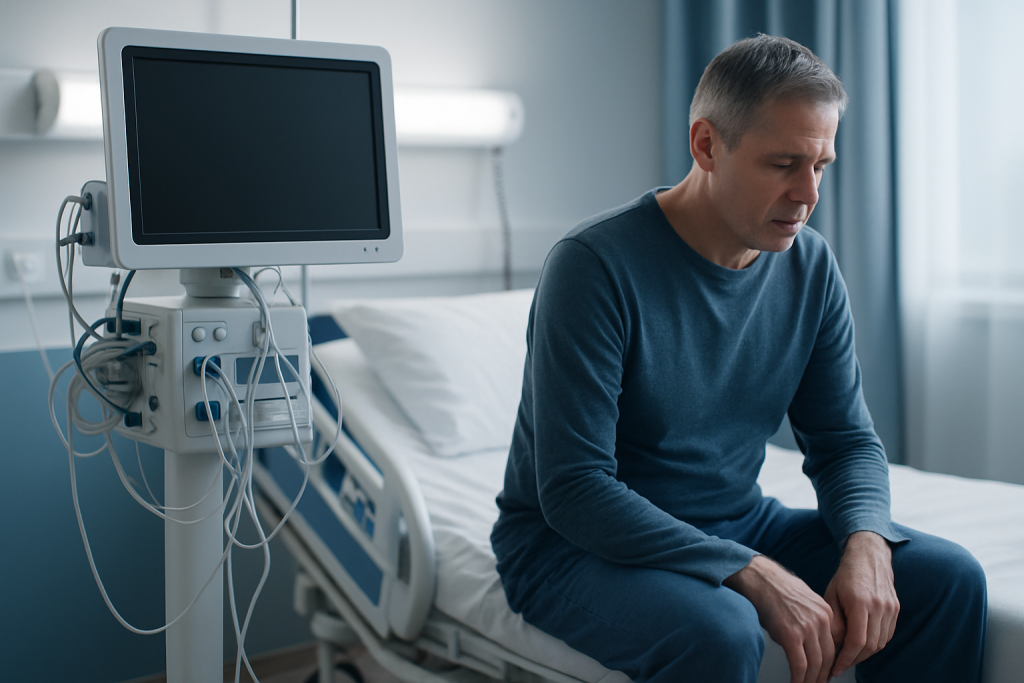
The central symptom is waking during the night to urinate. Some people notice a single awakening, while others may wake several times. The urine volume may be small, normal, or large, and that detail can be useful in understanding the cause.
Nocturia may also appear alongside other urinary or general symptoms. These can help point toward the underlying issue rather than the nighttime trips alone.
- Urgency or a sudden need to urinate
- Burning or discomfort with urination
- Weak urine stream or difficulty starting urine flow
- Increased daytime frequency
- Excessive thirst
- Swelling in the legs or ankles
- Snoring, pauses in breathing during sleep, or unrefreshing sleep
For some adults, the main impact is not the urination itself but the sleep disruption. Fragmented sleep can leave a person tired, less alert, and more prone to falls when getting up at night. That is why nocturia is usually worth discussing even when it seems minor at first.
Causes & Risk Factors

Nocturia can arise from several different mechanisms. In some people, the body makes too much urine at night. In others, the bladder cannot hold a normal volume comfortably, or sleep is interrupted for another reason and urination follows.
Common causes include drinking large amounts of fluid in the evening, caffeine or alcohol use, overactive bladder, urinary tract infection, bladder inflammation, kidney disease, heart failure, diabetes, sleep apnea, and enlarged prostate in men. Pregnancy and hormonal shifts can also contribute in certain life stages. Some medicines, especially diuretics taken late in the day, may increase nighttime urination.
Risk tends to rise when more than one factor is present. For example, someone with mild bladder irritation may notice nocturia more strongly if they also have poor sleep, leg swelling, or evening tea and coffee habits. In international patients, travel itself can temporarily change sleep routines, fluid intake, and bathroom access, making symptoms feel worse during a period of adjustment.
Diagnosis
Evaluation usually begins with a conversation about symptoms, daily habits, sleep, and medical history. Clinicians often ask how many times the person wakes, how much urine is passed, whether the urge is strong, and whether there are daytime symptoms as well. A bladder diary that records fluid intake, urination times, and approximate volumes for a few days can be especially helpful.
Basic tests may include a urine test to look for infection, blood, or sugar; blood tests to check kidney function and glucose levels; and, when appropriate, assessment for swelling, prostate enlargement, or sleep-disordered breathing. If the pattern suggests a structural or bladder issue, imaging or additional urologic testing may be recommended.
The goal is not simply to label the symptom, but to understand the reason behind it. That matters because nocturia caused by excess nighttime urine production is managed differently from nocturia caused by a small, irritable bladder or an untreated sleep problem. A targeted diagnosis usually leads to more effective relief.
Treatment Options
Treatment is based on the cause, and many plans combine practical changes with medical therapy. When nighttime urination is linked to habits, clinicians may suggest adjusting fluid intake earlier in the day, limiting caffeine or alcohol in the evening, and emptying the bladder before bed. If leg swelling is part of the picture, elevating the legs late in the afternoon or using other strategies advised by a doctor may reduce overnight fluid shift.
Medication review is another important step. Some people benefit from changing the timing of diuretics or adjusting other medicines that may contribute to nocturia. If an overactive bladder, prostate enlargement, diabetes, infection, or another specific condition is present, treatment is directed at that diagnosis rather than the symptom alone.
In selected cases, medicines that reduce nighttime urine production or improve bladder control may be considered by a doctor. Because these treatments are not suitable for everyone, especially people with other medical conditions, they should be used only after proper assessment. If sleep apnea is contributing, treatment of the sleep disorder can make a meaningful difference in nighttime urination as well.
Prevention & Self-care
Daily routines can make nocturia more manageable, even when medical treatment is also needed. Small changes are often more helpful than dramatic restrictions, especially for people who travel frequently or keep irregular schedules.
Practical self-care measures may include the following:
- Spread fluids more evenly through the day rather than drinking a large amount late at night
- Reduce evening caffeine and alcohol if they trigger symptoms
- Use the bathroom before going to sleep
- Manage constipation, which can worsen urinary symptoms
- Track symptoms in a bladder diary for a few days or weeks
- Use night lighting and clear pathways to lower fall risk during bathroom trips
It can also help to notice patterns. If nocturia worsens after salty meals, late exercise, long flights, or poor sleep, those details are useful at a medical visit. For patients planning care abroad, bringing a simple symptom record can save time and make consultations more precise.
When to See a Doctor
Medical evaluation is a good idea when nocturia is regular, new, or bothersome enough to disturb sleep. It is especially important if the symptom begins suddenly or changes quickly, because that can signal an underlying issue that deserves attention.
A doctor should be consulted sooner if nocturia comes with pain, burning, fever, blood in the urine, marked thirst, leg swelling, shortness of breath, confusion, weak urine flow, or a feeling that the bladder never empties well. These symptoms do not always indicate something serious, but they do help guide the right next step.
People who are waking multiple times every night, feeling exhausted during the day, or avoiding sleep because of bathroom trips should not have to simply adapt. A structured assessment can often identify a treatable cause and improve both sleep and quality of life. For international patients seeking coordinated evaluation, Acibadem Health Point can connect them with multidisciplinary specialists and JCI-accredited hospitals that diagnose and treat nocturia with a patient-centered approach.
Living With Nocturia While Traveling or Recovering
Nocturia can feel more disruptive when someone is far from home, sleeping in unfamiliar surroundings, or recovering after a procedure. Jet lag, changed meal times, different fluid patterns, and anxiety about sleeping through the night can all make symptoms more noticeable, even when the underlying cause has not changed.
Travelers often do better when they keep a simple routine: stay hydrated earlier in the day, review medicines with a clinician before departure, and note where bathrooms are located during flights or hotel stays. After treatment, follow-up matters as much as the original diagnosis, because the response to therapy may need small adjustments once a person returns to normal daily life.
Because nocturia can reflect several different conditions, it is best approached as a symptom with a cause, not as an inevitable inconvenience. With the right evaluation and a few steady habits, many people find that nighttime sleep becomes more continuous and easier to protect.
Frequently asked questions
Is nocturia the same as being a light sleeper?
Not exactly. Some people wake first because of a sleep problem and then notice the need to urinate, while others wake because the bladder is full. A careful history helps distinguish the two patterns.
How many times a night is considered nocturia?
In medical use, nocturia generally means waking one or more times at night to urinate. Whether it is a problem depends on how often it happens, how much it disrupts sleep, and what is causing it.
Can drinking less water stop nocturia?
Sometimes reducing late-evening fluids helps, but drinking too little overall is not a good solution. The goal is usually to time fluids better, not to become dehydrated.
Can nocturia be a sign of diabetes?
Yes, it can be. Frequent urination, including at night, may occur when blood sugar is high, especially if it is paired with increased thirst or unexplained weight changes. A doctor can check this with simple tests.
Does enlarged prostate always cause nocturia in men?
No, but it is a common contributor. Other issues such as bladder irritation, sleep apnea, medications, or diabetes can also play a role, so the cause should not be assumed without assessment.
When is nocturia urgent?
It should be assessed promptly if it comes with blood in the urine, fever, pain, shortness of breath, leg swelling, confusion, or a sudden inability to pass urine. These features can help identify a treatable medical problem.
References
- National Institute of Diabetes and Digestive and Kidney Diseases
- NHS
- Mayo Clinic
- American Urological Association
- International Continence Society
This article is for general information only and is not a substitute for professional medical advice. Please consult a qualified doctor about your individual situation.
Explore treatments in Turkey — costs, top hospitals & a free quote
JCI-accredited · board-certified surgeons · reply within 24h
Add us as a Preferred Source to see more of our trusted health content across Google Search, AI Overviews and Discover.