Newborns And Soothers

Key Takeaways
- Soothers may calm some newborns, but they are not needed for every baby.
- Pacifier use is usually best introduced after feeding is going well, especially in breastfed infants.
- Safe use depends on proper cleaning, the right size, and avoiding attachments or sweeteners.
- Soothers should never replace feeding, comfort checks, or safe sleep practices.
- A pediatrician can help if a baby has trouble feeding, seems unusually unsettled, or has mouth concerns.
Medically reviewed by the Acıbadem clinical team — August 19, 2026
Soothers can be a helpful calming tool for some newborns, but timing, hygiene, and feeding patterns matter. This article explains how pacifiers fit into early infant care and when to seek pediatric advice.
Overview
Newborn life is built around feeding, sleeping, and being soothed in short, repeated cycles. For many families, a soother—also called a pacifier—becomes one of several tools that may help a baby settle between feeds. It can be especially useful in moments when a newborn wants comfort, but does not appear to be hungry.
A soother is not a requirement for healthy development, and it is not the right choice for every baby or every family. Some newborns take to it easily, while others prefer sucking on a finger, being held, or hearing a caregiver’s voice. What matters most is that the baby’s feeding, breathing, and sleep remain on track.
Parents and caregivers often wonder whether using a pacifier is “good” or “bad.” In practice, the answer depends on the baby’s age, feeding method, and overall needs. A thoughtful approach works better than a rule that fits all infants.
Why families consider a soother
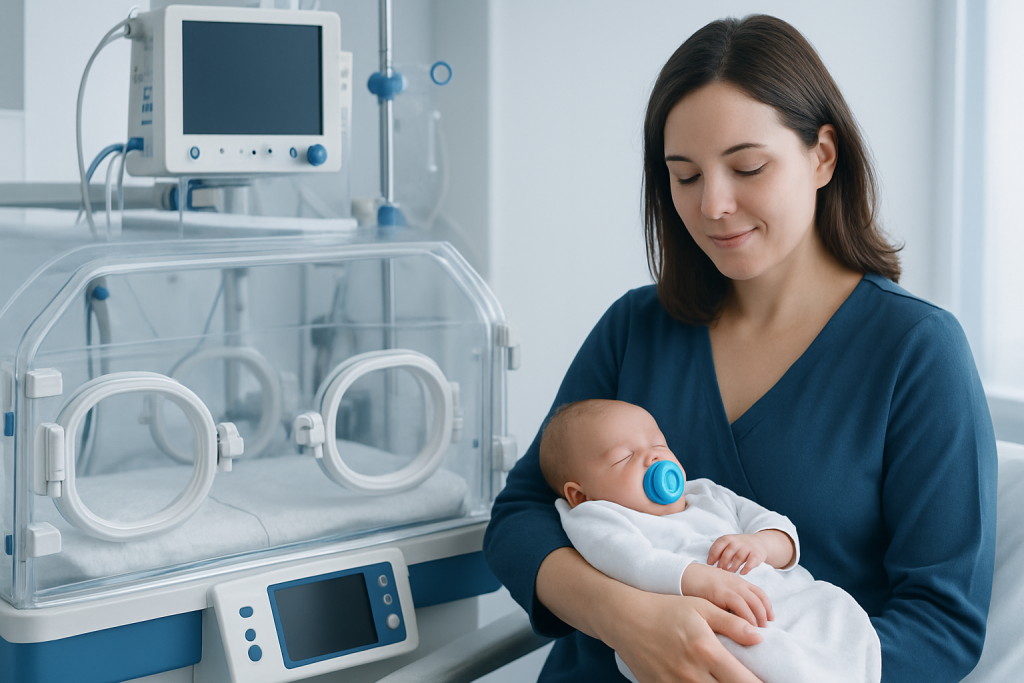
Sucking is a normal newborn behavior and can be comforting even when a baby is not hungry. A soother may help some infants organize themselves during fussy periods, short naps, car rides, diaper changes, or the transition from being held to lying down. For some families, it also gives a brief pause before the next feeding cue is checked.
Pacifiers are sometimes discussed in relation to sleep because non-nutritive sucking can be calming. That said, a soother should be used only as one part of a broader safe-sleep routine, which includes placing the baby on the back on a firm, clear sleep surface. It is not a substitute for safe sleep practices.
In the early weeks, many caregivers also use other calming methods alongside or instead of a pacifier, such as swaddling when appropriate, gentle rocking, skin-to-skin contact, a quiet room, or reducing stimulation. The most helpful method is often the one that responds to the baby’s actual need in that moment.
When a newborn is ready for a pacifier

Timing matters, especially in the early newborn period. For breastfed babies, many clinicians suggest waiting until feeding is well established before introducing a pacifier, because early feeding patterns can be sensitive as both baby and parent learn together. In formula-fed infants, the timing may be more flexible, but it is still important to confirm that hunger cues are being answered first.
A newborn may be ready for a soother when feeding sessions are going reasonably well, weight gain is being monitored appropriately, and the baby can calm between feeds without the pacifier becoming the only way to settle. If a newborn repeatedly seeks the pacifier but remains restless after use, that can be a sign that another need is being missed.
Families traveling for newborn care or seeking a second opinion should feel comfortable asking a pediatrician to review feeding, latch, sleep patterns, and soothing strategies together. The right advice is often practical and individualized rather than one-size-fits-all.
Safety, cleaning, and everyday use
Pacifier safety begins with choosing a product designed for infants and inspecting it regularly. The shield should be large enough to stay outside the mouth, and the nipple should be intact, without cracks, tears, or stickiness. If any part looks worn, the soother should be replaced.
Keeping the pacifier clean is important because newborns put many objects into their mouths. Caregivers should follow the manufacturer’s cleaning instructions and wash hands before handling the soother. If it falls on the floor or becomes dirty, it should be cleaned before being returned to the baby.
- Avoid attaching a pacifier to cords, strings, clips, or loose ribbons during sleep.
- Do not dip it in honey, syrup, or sweeteners.
- Use only age-appropriate designs made for infants.
- Check that the baby can breathe freely while using it.
It is also wise to keep a spare soother available if the baby uses one regularly, since repeated washing and wear can affect condition. Safe use is often about simple habits repeated consistently rather than complicated rules.
Possible benefits and limitations
For some newborns, a pacifier can offer brief comfort when the baby needs to suck but is not ready to feed. It may reduce crying during small transitions, such as after burping or before settling for sleep. Some families also find that it helps a partner or grandparent soothe the baby when direct feeding is not possible.
At the same time, a soother has limits. It cannot fix hunger, reflux discomfort, temperature issues, diaper discomfort, or an illness. If a baby calms only for a moment and then returns to fussing, caregivers should look for the underlying reason instead of repeatedly offering the pacifier as the only solution.
Another limitation is that frequent pacifier use can sometimes mask early hunger cues. This is why it should be introduced thoughtfully, with attention to feeding readiness and the baby’s pattern over time. A careful balance helps the pacifier remain a comfort tool, not a replacement for responsive care.
Feeding, breastfeeding, and oral development
Families commonly ask whether pacifiers interfere with breastfeeding. The main concern is not the pacifier itself, but introducing it before feeding is established or using it to delay feeds when the baby is actually hungry. When feeding is going well, many babies can use a pacifier without obvious difficulty, but the timing should be discussed with a clinician if there are concerns.
For newborns who are breastfed, signs that feeding may need review include poor latch, painful feeds, long or very frequent feeding sessions, sleepy feeds, fewer wet diapers than expected, or slow weight gain. In those situations, a pacifier should not be used to replace feeding assessment. A lactation consultant or pediatrician can help identify what the baby is trying to communicate.
Parents also sometimes wonder about teeth and mouth development. In the newborn stage, that is not usually the immediate issue. The more relevant questions are whether the pacifier is used safely, whether it supports rather than disrupts feeding, and whether it is still needed as the baby grows.
How to choose a calm routine without overusing the soother
Helpful soothing usually starts with a quick check of basic needs: Is the baby hungry, wet, too hot, too cold, overtired, or overstimulated? Once those needs are addressed, a pacifier can be one option among several. This approach keeps the baby’s care responsive rather than automatic.
It can help to build a predictable calming sequence. For example, a caregiver may feed, burp, cuddle, and then offer the soother if the newborn is still unsettled. Other babies respond better to a period of holding or skin-to-skin contact first. The sequence does not need to be perfect; it only needs to fit the baby’s cues.
Families who are recovering after delivery, adjusting to sleep disruption, or coordinating care across different caregivers may find it useful to write down the baby’s soothing patterns. A simple note about what worked—feeding, rocking, noise reduction, or a pacifier—can make the day easier for everyone involved.
When to see a doctor
Most newborn pacifier questions are routine and can be discussed at a scheduled pediatric visit. However, a medical review is important if the baby has trouble feeding, seems unable to latch or suck effectively, or appears to rely on the pacifier in a way that hides hunger or discomfort. A clinician can help determine whether the problem is feeding technique, reflux, nasal congestion, or something else.
Seek medical advice sooner if the baby has fewer wet diapers than expected, persistent vomiting, breathing concerns, fever, marked sleepiness, poor weight gain, or an unusually weak cry. These signs deserve attention whether or not a soother is being used.
If a newborn has sores, white patches in the mouth, or obvious irritation around the lips, the pacifier may be contributing—or the mouth issue may be causing distress that needs evaluation. When families are uncertain, a pediatrician can give clear, individualized guidance. Acibadem Health Point’s multidisciplinary specialists and JCI-accredited hospitals also diagnose and treat newborn and infant concerns for international patients.
Frequently asked questions
Can a newborn use a soother right away?
Some newborns can use a pacifier early, but timing should depend on feeding progress and the baby’s individual needs. For breastfed babies, many clinicians prefer waiting until breastfeeding is established. If there are feeding concerns, it is better to ask a pediatrician before introducing one.
Does a pacifier help babies sleep?
A soother may help some babies settle more easily because sucking is calming. It should still be used within a safe-sleep routine, with the baby placed on the back on a firm, clear surface. It is a comfort aid, not a sleep safety device.
Can a pacifier interfere with breastfeeding?
It can if it is introduced too early or used instead of feeding when the baby is hungry. When breastfeeding is going well, many babies can use a pacifier without obvious problems. If there are latch, pain, or weight-gain concerns, the feeding pattern should be reviewed first.
How often should a newborn pacifier be cleaned?
It should be cleaned regularly according to the manufacturer’s instructions and whenever it becomes dirty. If it falls on a floor or gets contaminated, it should be washed before being given back to the baby. Caregivers should also check it often for wear.
Should a pacifier be tied to the crib or baby’s clothes?
No. Cords, strings, and loose attachments can create a safety risk, especially during sleep. A simple, standalone pacifier is the safer option.
When should parents stop using a soother?
There is no single answer for every family, but the need for a pacifier usually changes as the baby grows and other comfort skills develop. If the pacifier is no longer helpful, or if it seems to be masking a health or feeding problem, it is reasonable to discuss weaning or alternatives with a pediatrician.
References
- American Academy of Pediatrics
- National Health Service
- World Health Organization
- La Leche League International
This article is for general information only and is not a substitute for professional medical advice. Please consult a qualified doctor about your individual situation.
Explore treatments in Turkey — costs, top hospitals & a free quote
JCI-accredited · board-certified surgeons · reply within 24h
Add us as a Preferred Source to see more of our trusted health content across Google Search, AI Overviews and Discover.