Neutropenia: Symptoms, Causes and Treatment

Key Takeaways
- Neutropenia means the body has fewer neutrophils, which can make infections more likely.
- It may be caused by medicines, infections, autoimmune conditions, bone marrow disorders, or cancer treatment.
- Many people do not notice symptoms until an infection develops, so fever deserves prompt attention.
- Diagnosis usually includes blood tests and, in some cases, additional testing to find the underlying cause.
- Treatment depends on severity and cause, and may include monitoring, medicines, infection prevention, or treatment of the underlying condition.
Medically reviewed by the Acıbadem clinical team — August 19, 2026
Neutropenia is a lower-than-normal level of neutrophils, a type of white blood cell that helps the body fight infection. It may be temporary or ongoing, mild or severe, and it often needs evaluation to understand the cause and the safest next steps.
Overview
Neutropenia is a blood condition in which the number of neutrophils is lower than expected. Neutrophils are a frontline part of the immune system, especially important for protecting the body from bacterial and some fungal infections. When they are reduced, the body may have less reserve if an infection begins.
It is not a single disease on its own. Instead, it is a finding that can appear after a viral illness, during treatment with certain medicines, in autoimmune disease, or as part of a bone marrow problem. For some people, the low count is short-lived and discovered by chance on a routine blood test. For others, it is the clue that leads to a broader diagnosis.
Neutropenia can be mild, moderate, or severe. The clinical meaning depends not only on the number itself, but also on how long it has been present, whether other blood cells are affected, and whether the person has fever or signs of infection. That is why doctors look at the full picture rather than one laboratory result in isolation.
Symptoms
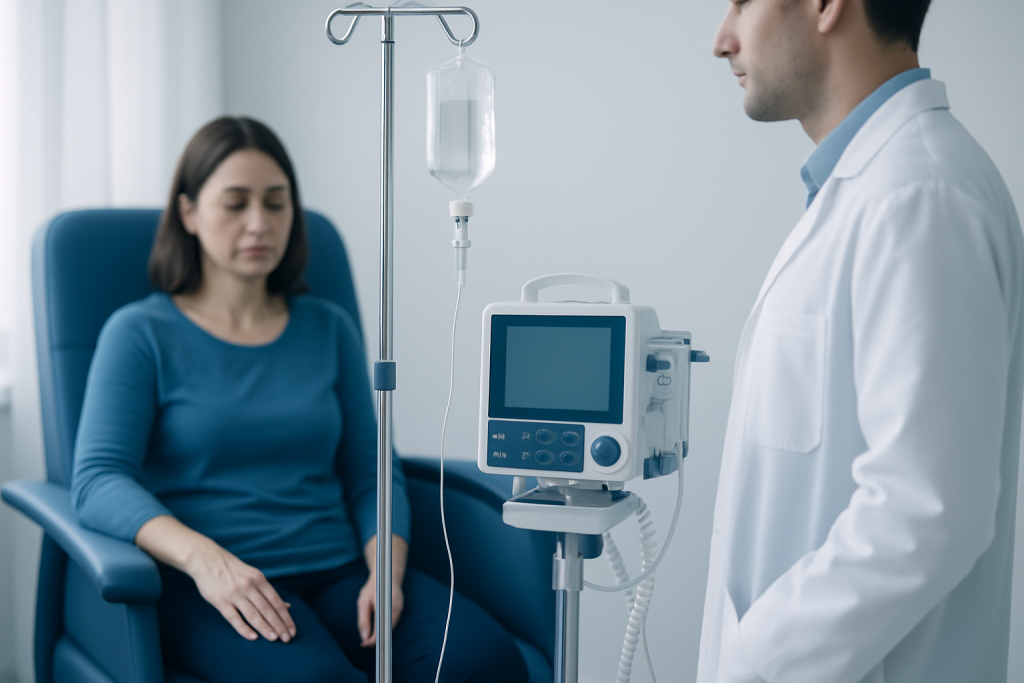
Neutropenia often causes no symptoms until the body faces an infection. This can make it easy to overlook unless blood work has already shown a low neutrophil count. When symptoms do appear, they are usually related to infection rather than to the neutropenia itself.
Common signs can include fever, chills, sore throat, mouth sores, gum inflammation, skin redness, cough, painful urination, or a general feeling of being unwell. Recurrent infections, infections that seem unusually slow to improve, or infections in more than one place may also raise concern.
- Fever or shivering
- Mouth ulcers or sore gums
- Frequent respiratory or skin infections
- Painful urination or abdominal discomfort
- Fatigue related to an infection or the underlying illness
People receiving cancer therapy or other immune-affecting treatment may be taught to treat fever as urgent, because infection can progress more quickly when neutrophils are low. In those situations, the symptom pattern matters more than a person feeling “only a little unwell.”
Causes & Risk Factors

There are many reasons neutrophil levels can fall. Some causes are temporary, such as a recent viral infection, while others are more persistent. In many cases, the underlying reason can be identified once the doctor reviews medicines, medical history, and test results together.
One of the most common categories is treatment-related neutropenia. Chemotherapy, some targeted therapies, and certain other medicines can suppress the bone marrow’s ability to make new neutrophils. Other medications, including some antibiotics, antithyroid drugs, antiseizure medicines, and psychiatric medicines, can also contribute in susceptible people.
Additional causes and risk factors may include:
- Viral or severe bacterial infections
- Autoimmune conditions, where the immune system affects neutrophils
- Vitamin deficiencies such as B12 or folate deficiency
- Bone marrow disorders, including aplastic anemia or leukemia
- Enlarged spleen, which may trap blood cells
- Inherited conditions, especially in children or young adults
For international patients, the cause is especially important because it affects travel planning, infection precautions, and whether treatment can safely continue away from home. A clear diagnosis helps the medical team decide if follow-up blood tests, medication changes, or more specialized care are needed.
Diagnosis
Neutropenia is usually found on a complete blood count, often abbreviated as CBC. The CBC measures several blood cell types, including white blood cells, red blood cells, and platelets. If the neutrophil count is low, the doctor may repeat the test to confirm whether the change is temporary or persistent.
After confirmation, the next step is finding the reason. The doctor may ask about recent infections, current and past medicines, radiation exposure, autoimmune symptoms, family history, and any pattern of recurrent infections. Physical examination can offer clues, such as mouth ulcers, enlarged lymph nodes, or an enlarged spleen.
Depending on the situation, further tests may include blood smear review, vitamin levels, infection testing, autoimmune markers, or bone marrow evaluation. Bone marrow testing is not needed for everyone, but it can be important when the cause is unclear, when other blood counts are also abnormal, or when a marrow disorder is suspected. The goal is to match the intensity of testing to the clinical picture, not to over-test casually.
Treatment Options
Treatment depends on two main questions: how low the neutrophil count is, and why it is low. Some people need only observation and repeat blood counts. Others need treatment directed at an infection, a medication side effect, an immune condition, or a bone marrow disorder.
If a medicine is suspected, the prescribing doctor may stop it, switch it, or adjust the treatment plan. When an infection is present, prompt antimicrobial treatment may be needed. In people whose neutropenia is related to cancer therapy, the oncology team may modify treatment timing or use supportive medicines when appropriate.
In selected cases, doctors may recommend medicines that stimulate white blood cell production, particularly when the risk of infection is high or when severe neutropenia is expected to last. People with severe neutropenia and fever usually need urgent evaluation, because they may require hospital-based treatment and close monitoring. The exact plan should always come from the treating physician, who can weigh infection risk, other illnesses, and the likely duration of neutropenia.
When neutropenia is linked to a chronic condition, care often involves more than one specialist. Hematology, oncology, infectious disease, and sometimes immunology or rheumatology may all be part of the discussion. That coordinated approach can be especially helpful for patients who are arranging care across borders and need a clear, organized plan before traveling home.
Prevention & Self-care
Not every case of neutropenia can be prevented, but sensible precautions can lower the chance of infection and help catch problems early. People with low neutrophil counts are often advised to pay close attention to hand hygiene, oral care, food safety, and crowded-exposure decisions, especially during periods when counts are lower.
Practical steps may include washing hands regularly, brushing teeth gently, reporting mouth sores early, and avoiding close contact with people who have obvious infections. Some patients are also advised to monitor temperature at home, particularly if they are receiving cancer treatment or have had serious infections before.
- Follow the doctor’s instructions about repeat blood tests and medication changes
- Keep vaccines up to date only as approved by the treating team
- Use caution with raw or undercooked foods if the doctor has advised it
- Seek medical advice promptly for fever or new infection symptoms
- Carry an updated medication list, especially when traveling
For people receiving care abroad, it helps to leave with written instructions that explain which symptoms require urgent attention, which medicines should continue, and when blood counts should be rechecked. Good planning reduces uncertainty and makes recovery easier to manage after returning home.
When to See a Doctor
Anyone who has been told they have neutropenia should discuss the result with a doctor, even if they feel well. A low count may be harmless and temporary, but it can also be the first sign of something that needs treatment. Understanding the cause is the safest way to decide whether watchful waiting is enough.
Urgent medical attention is especially important if neutropenia is accompanied by fever, chills, shortness of breath, mouth ulcers that are worsening, confusion, or any rapidly spreading infection. People undergoing chemotherapy or other immune-suppressing treatment should follow their oncology team’s fever plan without delay.
For a careful, coordinated workup, some patients choose centers that can bring several specialties together under one plan. Acibadem Health Point provides access to multidisciplinary specialists and JCI-accredited hospitals for international patients who need diagnosis and treatment for neutropenia, along with structured follow-up planning.
Living With Neutropenia
Living with neutropenia is often about balancing caution with normal daily life. Many people can continue work, travel, and family routines with a few adjustments and a clear understanding of when to ask for help. The practical burden is usually lighter once the cause is known and the monitoring schedule is set.
People who have repeated low counts may find it useful to keep a personal record of blood test results, infections, medicine changes, and specialist visits. This is particularly helpful for international patients who may see different doctors in different countries, because it helps the next clinician understand the full timeline quickly.
Most importantly, neutropenia should be managed in partnership with a qualified doctor. The right plan depends on the person, the count, and the cause, and that individualized approach is what keeps care both safe and realistic.
Frequently asked questions
What does neutropenia mean in simple terms?
Neutropenia means there are fewer neutrophils than normal in the blood. Since neutrophils help fight infection, a low count can make infections more likely. The importance of the result depends on how low the count is and what is causing it.
Can neutropenia go away on its own?
Yes, sometimes it is temporary and improves after a viral illness or after a medicine is adjusted. In other cases, it continues until the underlying cause is treated. Repeat blood tests help doctors see which pattern is present.
Is neutropenia always a sign of cancer?
No, neutropenia has many possible causes and cancer is only one of them. It can also happen after infections, with autoimmune conditions, because of vitamin deficiencies, or as a side effect of medicines. The cause should be checked rather than assumed.
Why is fever important when someone has neutropenia?
Fever may be the first sign of a serious infection in someone with a low neutrophil count. Because the immune response can be weaker, doctors usually want fever assessed promptly. The exact advice depends on the person’s condition and treatment history.
Can someone with neutropenia travel?
Many people can travel, but timing and precautions matter. It is important to know the latest blood counts, bring medication details, and understand what to do if fever or infection symptoms appear while away from home. The treating doctor can help decide whether travel is safe.
What tests are usually done to find the cause?
Doctors usually start with a repeat complete blood count and a review of medicines, recent illnesses, and symptoms. Depending on the case, they may add blood smear review, vitamin tests, infection tests, autoimmune testing, or bone marrow studies. The workup is tailored to the individual.
References
- World Health Organization
- National Cancer Institute
- Mayo Clinic
- Merck Manual Professional Edition
- American Society of Hematology
This article is for general information only and is not a substitute for professional medical advice. Please consult a qualified doctor about your individual situation.
Explore treatments in Turkey — costs, top hospitals & a free quote
JCI-accredited · board-certified surgeons · reply within 24h
Add us as a Preferred Source to see more of our trusted health content across Google Search, AI Overviews and Discover.