Nasal Vestibulitis: Symptoms, Causes and Treatment

Key Takeaways
- Nasal vestibulitis affects the front part of the nose, especially the nostrils.
- Common signs include redness, crusting, tenderness, and small sores or pimples.
- It often develops after nose picking, frequent blowing, hair plucking, or dryness.
- Most cases improve with local care, but recurrent or severe symptoms need medical assessment.
- A doctor may prescribe treatment and check for contributing conditions such as eczema or diabetes.
Medically reviewed by the Acıbadem clinical team — August 19, 2026
Nasal vestibulitis is an irritation or infection of the skin just inside the nostrils, often linked to small breaks in the skin and bacteria that normally live on the skin. It is usually manageable with timely care, gentle hygiene, and attention to any underlying trigger.
Overview
Nasal vestibulitis is a localized inflammation or infection of the nasal vestibule, the small area just inside the nostrils. It often starts where the skin meets the moist lining of the nose, which makes this spot vulnerable to tiny cracks, irritation, and bacterial overgrowth.
Many people notice it only after a tender crust forms at the entrance of one nostril, or after repeated soreness that seems to come and go. Because the problem is usually close to the surface, it is often treatable once the cause is identified and the skin is allowed to heal.
For international patients, this is the kind of condition that may begin as a minor nuisance during travel but becomes more uncomfortable when dry air, long flights, frequent wiping, or repeated colds keep irritating the nose. A careful ear, nose, and throat assessment can help distinguish a simple vestibular infection from other causes of nasal pain or sores.
Symptoms
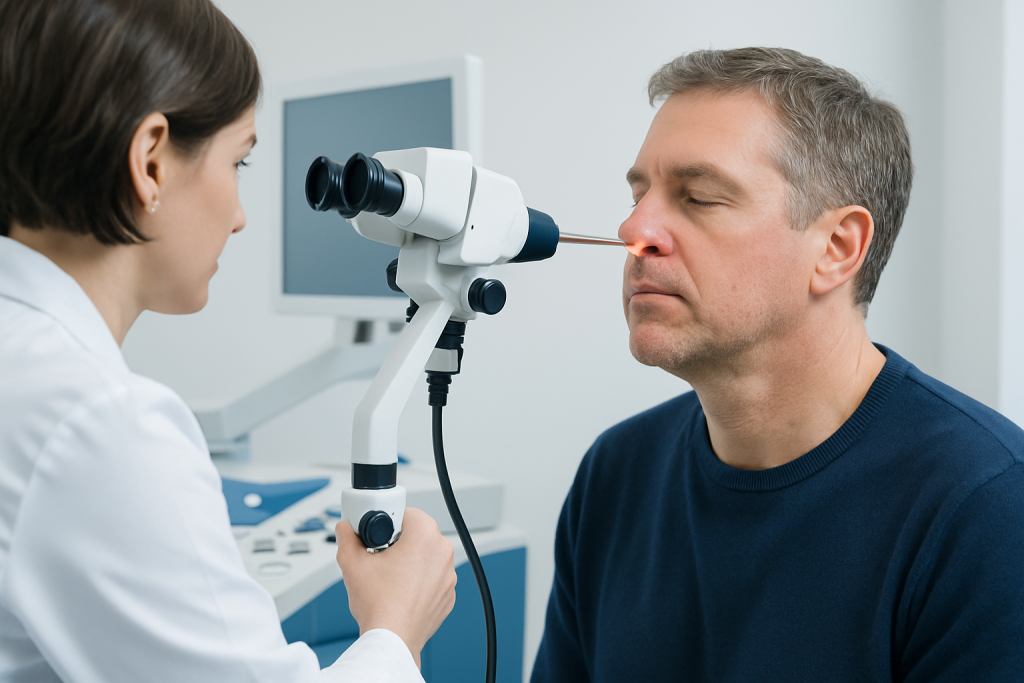
The symptoms usually stay at the front of the nose, rather than deep inside the sinuses. A person may feel tenderness when touching the nostril, notice redness around the nasal opening, or see a small pimple-like bump or crusted area.
Other common signs include itching, burning, swelling, and occasional bleeding if the skin is cracked. Some people describe a raw feeling when breathing through the nose, especially in dry weather or after repeated blowing.
- Red, swollen, or sore nostril skin
- Yellowish crusts or scabs
- Small pimples or pustules
- Bleeding from tiny cracks in the skin
- Discomfort when moving the upper lip or touching the nose
If the infection becomes more irritated, the surrounding skin may feel warm or more tender than usual. Even then, symptoms are often confined to the nostril area and do not necessarily mean a serious illness, though persistent or worsening signs should be evaluated.
Causes & Risk Factors

Nasal vestibulitis is commonly caused by bacteria, often Staphylococcus aureus, entering through small breaks in the skin. These breaks may be too tiny to notice, but they give bacteria a place to settle and cause inflammation.
Everyday habits and environmental factors can increase the chance of developing the condition. Nose picking, frequent nose blowing, trimming or plucking nasal hairs, and picking at dry crusts can all disturb the delicate skin inside the nostrils. Dry indoor air, seasonal allergies, and repeated upper respiratory infections may also contribute.
Certain health factors can make healing slower or infections more likely. These may include eczema or other skin conditions, diabetes, immune system problems, or a history of recurrent skin infections. In some people, local irritation from nasal sprays or prolonged use of masks and tissues may also add to the problem.
Diagnosis
Diagnosis is usually based on a straightforward medical history and a close look at the nostrils. An ENT specialist or primary care clinician can often identify nasal vestibulitis by the location of the redness, crusting, or small sore.
The doctor may ask about recent colds, nose blowing, hair removal, allergy symptoms, or habits that may be irritating the area. This conversation matters because the condition often reflects repeated trauma to a small patch of skin rather than a problem that started all at once.
When symptoms are unusual, severe, or recurrent, a clinician may consider swab testing or a broader evaluation to rule out other infections or skin conditions. This is especially useful when pain spreads, symptoms do not improve, or the person has medical conditions that affect healing.
Treatment Options
Treatment is usually aimed at reducing the infection, calming inflammation, and protecting the skin while it heals. In mild cases, a clinician may recommend local care and an antibiotic ointment or other targeted treatment, depending on the examination and the suspected cause.
It is important not to squeeze, pick, or repeatedly clean the area with harsh products, because that can worsen the irritation and slow recovery. Warm compresses may be suggested to ease discomfort and support drainage if a small bump or crusted area is present.
In more bothersome or persistent cases, a doctor may choose additional treatment based on the severity and whether the infection appears limited to the skin or more extensive. If recurrent infections are a pattern, the clinician may also look for contributing factors such as chronic dryness, eczema, or a carrier state for certain bacteria.
People should follow the treatment plan from their own clinician, especially if they are traveling or planning to continue care in another country. A clear written plan is helpful for follow-up appointments, pharmacy access, and any needed reassessment after return home.
Prevention & Self-care
Simple habits can make a meaningful difference, especially for people who get repeated irritation in the nostrils. Keeping the nose moist, avoiding trauma, and treating allergies or colds carefully can reduce the chance that the skin will crack and become infected.
Self-care should be gentle. The goal is to protect the thin lining at the nostril entrance, not to scrub it clean. Soft tissues, careful blowing, and room humidification can help during dry seasons or flights.
- Avoid picking the nose or removing crusts forcefully
- Do not pluck nasal hairs unless a clinician advises it
- Use a humidifier in dry indoor environments when appropriate
- Blow the nose gently, especially during colds or allergies
- Follow allergy or sinus treatment plans to reduce repeated irritation
Good hygiene is helpful, but overly aggressive cleaning is not. If dryness or crusting keeps returning, it is worth discussing moisturization options with a clinician rather than experimenting with random ointments or home remedies inside the nostrils.
When to See a Doctor
Medical assessment is sensible if the area is very painful, keeps coming back, or does not improve with gentle care. A doctor should also evaluate the nose if swelling is spreading, there is fever, or the person develops significant redness around the nose or face.
People with diabetes, immune suppression, or a history of recurrent skin infections should seek care earlier, since small infections can sometimes behave differently in those settings. The same applies when the symptoms follow a nose injury, a recent procedure, or repeated bleeding.
If someone is unsure whether the problem is a simple crusted sore, a bacterial infection, or another nasal condition, an ENT or primary care visit can provide clarity. That assessment can also be useful for travelers who need a treatment plan that is easy to continue after they leave the country.
Acibadem Health Point can support international patients through multidisciplinary specialists and JCI-accredited hospitals that diagnose and treat ENT conditions such as nasal vestibulitis, with coordinated care before and after travel.
Frequently asked questions
Is nasal vestibulitis contagious?
The inflammation itself is not usually described as contagious, but the bacteria involved can sometimes spread by close contact or shared items. Good hand hygiene and not sharing towels or tissues can help reduce the chance of passing germs around.
Can nasal vestibulitis heal on its own?
Mild irritation may improve if the skin is protected and the trigger is removed, but an actual infection often benefits from medical treatment. A clinician can help confirm whether it is just dryness and irritation or something that needs targeted therapy.
Why does it keep coming back?
Recurrent episodes often mean the skin keeps getting irritated or the nose is not fully healing between flare-ups. Dry air, nose picking, allergies, eczema, and certain medical conditions can all play a part.
Is it safe to put ointment inside the nose?
Only use products that a clinician has said are appropriate for intranasal use. Some over-the-counter creams are not meant for the delicate skin inside the nostrils and may cause more irritation if used incorrectly.
How is this different from a sinus infection?
Nasal vestibulitis affects the skin at the nostril entrance, while a sinus infection involves the sinus cavities deeper in the face. The symptoms and treatment can be different, so the location of the discomfort is an important clue.
When should emergency care be considered?
Emergency care is uncommon, but it may be needed if facial swelling spreads quickly, severe pain develops, or the person feels very unwell. These changes can signal a more significant infection that should be assessed promptly.
References
- Merck Manual Professional Edition
- American Academy of Otolaryngology–Head and Neck Surgery
- Cleveland Clinic
- MedlinePlus
- Mayo Clinic
This article is for general information only and is not a substitute for professional medical advice. Please consult a qualified doctor about your individual situation.
Explore treatments in Turkey — costs, top hospitals & a free quote
JCI-accredited · board-certified surgeons · reply within 24h
Add us as a Preferred Source to see more of our trusted health content across Google Search, AI Overviews and Discover.