Mycoplasma Genitalium: Symptoms, Causes and Treatment

Key Takeaways
- Mycoplasma genitalium is a sexually transmitted infection that may cause persistent genital or urinary symptoms.
- Many people do not notice symptoms, so infection can be present without obvious warning signs.
- Diagnosis usually requires a specific laboratory test; it is not always found on routine STI panels.
- Treatment can be more complex when the bacteria are resistant to certain antibiotics.
- Partners may also need evaluation and testing to reduce the chance of reinfection.
Medically reviewed by the Acıbadem clinical team — August 19, 2026
Mycoplasma genitalium is a sexually transmitted bacterial infection that can affect the urethra, cervix, and other parts of the genital tract. Many people have no symptoms, but timely testing and treatment can help prevent ongoing irritation and complications.
Overview
Mycoplasma genitalium, often called M. genitalium or Mgen, is a sexually transmitted bacterium that can live in the urethra, cervix, rectum, and sometimes the throat. It is one of the causes doctors consider when symptoms of a genital or urinary infection do not settle in the usual way.
Because the infection can be silent, a person may carry it without feeling unwell. That is one reason it can spread between partners before it is recognized. For international patients planning care abroad, this condition is usually managed through confidential testing, clear partner guidance, and follow-up after treatment to confirm that symptoms and infection have resolved.
Although the name may sound unfamiliar, the clinical approach is practical: identify the infection, treat it with the right antibiotic based on local guidance when possible, and reassess if symptoms continue. Early evaluation is especially useful when symptoms overlap with other sexually transmitted infections or urinary tract conditions.
Symptoms
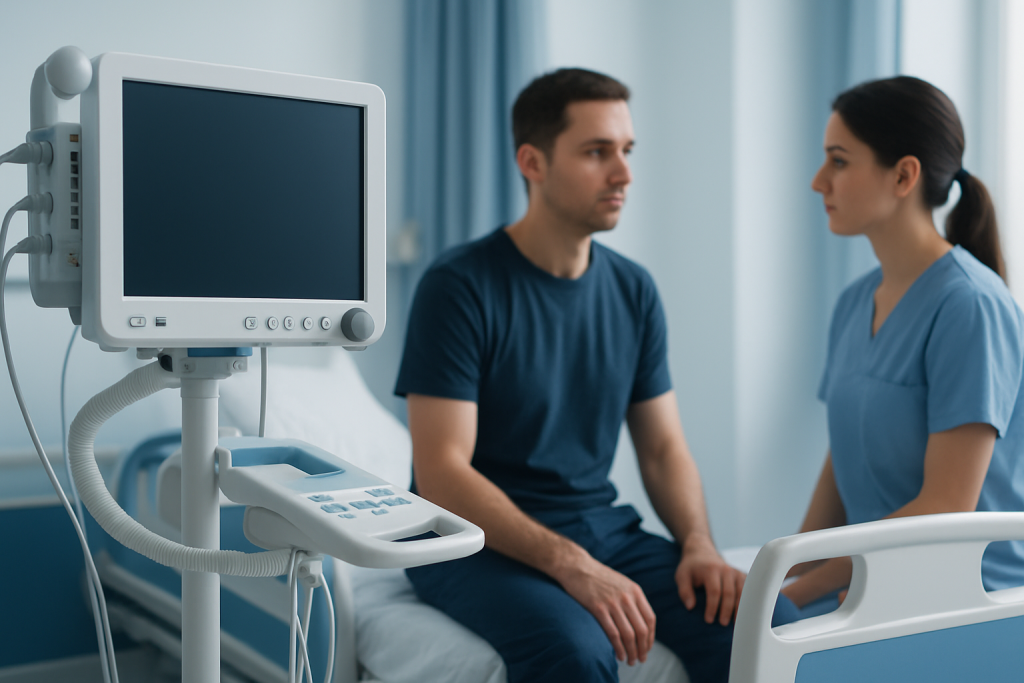
Some people with Mycoplasma genitalium have no symptoms at all. When symptoms do occur, they may be gradual, mild at first, or mistaken for another infection. In men, the most common pattern is urethritis, which can cause burning during urination, discharge from the penis, or irritation at the tip of the urethra.
In women, the infection may lead to cervicitis or inflammation of the reproductive tract. This can cause unusual vaginal discharge, bleeding between periods or after sex, discomfort during sex, or pelvic pain. Some people notice only nonspecific irritation, which is why targeted testing can be important when symptoms persist.
If the infection spreads upward or is left untreated, it may contribute to more significant pelvic symptoms. Still, many people never develop severe illness, and symptoms alone cannot confirm the diagnosis. A qualified clinician can help distinguish M. genitalium from other causes such as chlamydia, gonorrhea, bacterial vaginosis, urinary infection, or noninfectious irritation.
Causes & Risk Factors

Mycoplasma genitalium spreads through sexual contact, including vaginal and anal sex, and may be passed between partners even when symptoms are absent. Like other sexually transmitted infections, the risk increases when there are multiple partners, inconsistent condom use, or a recent new exposure.
People with a history of other STIs may be more likely to be tested, as may those with persistent urethral or cervical inflammation that does not respond as expected to common first-line treatment. Previous antibiotic exposure can also matter, because some strains of M. genitalium are resistant to commonly used medicines.
Risk is not limited to any single gender or age group. Anyone who is sexually active can be exposed, although the infection may be more likely to be investigated in people who have ongoing symptoms after standard STI testing or treatment.
- Unprotected sexual contact
- New or multiple sexual partners
- Past sexually transmitted infections
- Persistent symptoms despite standard treatment
- Previous exposure to antibiotics that may not cover this organism
Diagnosis
Diagnosis usually relies on a nucleic acid amplification test, often called a NAAT, which detects the bacterial genetic material in a urine sample or a swab from the affected site. Routine STI testing does not always include Mycoplasma genitalium, so a clinician may need to order the test specifically.
The right sample depends on symptoms and sexual history. In men, urine or a urethral swab may be used; in women, a vaginal or cervical swab is commonly preferred. If rectal symptoms or exposure are present, rectal testing may also be considered.
Doctors often test for other infections at the same time, because symptoms can overlap and more than one infection can occur together. In some cases, follow-up testing after treatment is recommended, especially when symptoms persist or when antibiotic resistance is a concern. For patients traveling for care, this is helpful to plan before returning home so that results and next steps are not delayed.
Treatment Options
Treatment aims to clear the infection, relieve symptoms, and reduce the chance of transmission or complications. The exact medicine used depends on local guidance, previous antibiotic exposure, and whether resistance testing is available. This matters because M. genitalium has developed resistance to some antibiotics, which can make treatment more selective than for other STIs.
Doctors may use a staged or sequential treatment plan rather than a single standard approach. If the first medicine does not work, another antibiotic may be chosen based on symptoms, test results, and resistance patterns when available. It is important not to self-treat or reuse leftover antibiotics, since that can make resistance harder to manage.
People are usually advised to complete the prescribed course exactly as directed and to avoid sexual contact until a clinician says it is safe to resume. Partners may also need testing or treatment to prevent reinfection. When symptoms have been present for some time, follow-up is often part of the plan so that the medical team can confirm improvement and decide whether additional testing is needed.
Prevention & Self-care
Prevention focuses on lowering the chance of exposure and seeking care early when symptoms do not go away. Condom use can reduce risk, though it does not eliminate it entirely. Open communication with sexual partners about STI testing and recent symptoms is also helpful.
Self-care has a practical role, but it does not replace medical treatment. Until a clinician has assessed the situation, it is sensible to avoid sexual contact if symptoms suggest a possible STI. Staying hydrated, noting symptom changes, and keeping copies of test results can make follow-up easier, especially for people who receive care while abroad.
For international patients, continuity matters. It can help to ask for a written summary of diagnosis, test names, treatment given, and follow-up recommendations before traveling home. That information makes it easier for a local clinician to continue care if symptoms return or if repeat testing is advised.
- Use condoms consistently and correctly
- Get tested after new exposures or persistent symptoms
- Notify recent partners if infection is confirmed
- Complete treatment exactly as prescribed
- Keep follow-up appointments and repeat tests if recommended
When to See a Doctor
A doctor should be consulted if burning with urination, genital discharge, pelvic discomfort, or bleeding after sex continues beyond a few days, or if symptoms return after treatment for another STI. Mycoplasma genitalium is particularly worth considering when common infections have been treated but the irritation does not fully resolve.
Prompt review is also important after a known STI exposure, after unprotected sex with a new partner, or when a partner has tested positive for an STI. People who are pregnant, have pelvic pain, or have symptoms affecting fertility-related concerns should seek medical advice without delay, because a careful evaluation helps guide safer next steps.
Acibadem Health Point works with multidisciplinary specialists and JCI-accredited hospitals to diagnose and treat conditions like Mycoplasma genitalium for international patients. As with any infection, the best results come from individualized testing, appropriate treatment, and follow-up with a qualified clinician.
Living With the Diagnosis
Receiving a diagnosis of Mycoplasma genitalium can be frustrating, especially if symptoms have already been present for a while or several tests have come back negative. In practice, though, the condition is manageable when the infection is identified accurately and treatment is matched to the situation.
People often benefit from a simple plan: take the medication as directed, avoid sexual contact until advised, inform partners when needed, and return for review if symptoms do not improve. If care was started during travel, keeping the same clinic informed about persistent symptoms or repeat test results can help avoid confusion and unnecessary retreatment.
Clear communication with a clinician is important because the infection may require a more tailored approach than some other sexually transmitted infections. With the right follow-up, most people can move forward with a straightforward plan rather than ongoing uncertainty.
Frequently asked questions
Is Mycoplasma genitalium the same as chlamydia or gonorrhea?
No. It is a different sexually transmitted bacterium, although it can cause similar symptoms such as discharge, burning, or pelvic discomfort. Because the symptoms overlap, testing is needed to tell them apart.
Can someone have Mycoplasma genitalium without symptoms?
Yes. Many people do not notice any symptoms, which means the infection can be present and still be passed to a partner. That is one reason targeted testing matters when there has been exposure or persistent irritation.
Why is Mycoplasma genitalium sometimes hard to treat?
Some strains are resistant to antibiotics that are commonly used for other infections. Doctors may choose treatment based on local guidance, prior antibiotic use, and resistance testing when available.
Do partners need treatment too?
Often they should be evaluated, and in some situations they may need testing or treatment to prevent reinfection. A clinician can advise based on the type of exposure and the test results.
How is it tested?
The infection is usually detected with a NAAT test on urine or a swab from the affected area. It is not always included in routine STI screening, so it may need to be requested specifically.
Can the infection come back after treatment?
Yes, especially if a partner is untreated or if the first antibiotic does not fully clear the bacteria. Follow-up testing or review is sometimes recommended when symptoms continue or risk of reinfection is present.
References
- Centers for Disease Control and Prevention
- World Health Organization
- European Centre for Disease Prevention and Control
- Mayo Clinic
- National Health Service
This article is for general information only and is not a substitute for professional medical advice. Please consult a qualified doctor about your individual situation.
Explore treatments in Turkey — costs, top hospitals & a free quote
JCI-accredited · board-certified surgeons · reply within 24h
Add us as a Preferred Source to see more of our trusted health content across Google Search, AI Overviews and Discover.