Hydrocele: Symptoms, Causes and Treatment

Key Takeaways
- Hydrocele is a fluid collection around the testicle that can cause scrotal swelling, heaviness, or discomfort.
- It may be present from birth or develop later in life due to inflammation, injury, or other scrotal conditions.
- Diagnosis usually involves a physical exam and may include ultrasound to confirm the cause of swelling.
- Many hydroceles do not need treatment, but persistent, large, painful, or changing swelling should be assessed by a doctor.
- Surgery is the most common definitive treatment when symptoms are bothersome or the hydrocele does not resolve on its own.
Medically reviewed by the Acıbadem clinical team — August 19, 2026
Hydrocele is a common cause of painless scrotal swelling, usually involving fluid around one testicle. It is often harmless, but a proper medical evaluation helps rule out other conditions and guide treatment when needed.
Overview
A hydrocele is a pocket of fluid that builds up around a testicle, making the scrotum look enlarged or feel heavier than usual. In many cases, it develops gradually and causes little more than a visible swelling, which is why some people notice it only when they look in the mirror, feel the area while showering, or find that clothing fits differently.
Hydroceles can appear in newborn boys, children, or adult men. In infants, the swelling often relates to how the body’s internal passage between the abdomen and scrotum closes after birth. In adults, a hydrocele may appear without a clear cause or follow irritation, infection, injury, or surgery in the groin or scrotum.
Although a hydrocele is usually not an emergency, it should not be assumed to be harmless without evaluation. Several other conditions can also cause scrotal swelling, and a doctor may need to examine the area to distinguish a hydrocele from hernia, infection, varicocele, or a testicular mass.
Symptoms
The most common sign is a smooth, fluid-like swelling on one or both sides of the scrotum. It may feel soft or firm, and it often does not cause much pain. Some people describe a sense of fullness, dragging, or pressure rather than true pain.
When a hydrocele becomes larger, it can make walking, sitting, exercise, or sexual activity uncomfortable. In adults, the scrotum may seem heavier by the end of the day, especially after standing for long periods. In infants, parents may notice that one side of the scrotum looks consistently bigger than the other.
Symptoms that are less typical for a simple hydrocele, such as redness, fever, sudden sharp pain, nausea, or rapid swelling, deserve prompt medical attention. These features can suggest another condition that needs quicker assessment.
- Painless or mildly uncomfortable scrotal enlargement
- Feeling of heaviness or pressure
- Visible asymmetry in the scrotum
- Discomfort with movement or prolonged standing
Causes & Risk Factors

In infants, a hydrocele often happens because the tunnel that allows the testicle to descend from the abdomen into the scrotum remains open for a while after birth. Fluid can then move into the scrotal sac. Many newborn hydroceles improve as this opening closes naturally during the first year of life.
In adults, hydroceles may develop when the balance between fluid production and fluid absorption around the testicle is disrupted. This can occur for reasons such as infection, inflammation, trauma, prior surgery, or sometimes with no obvious trigger. Less commonly, a hydrocele may be associated with an inguinal hernia or another scrotal problem.
Risk factors depend on age and the underlying cause. A history of groin injury, testicular inflammation, recent surgery, or infections can increase the chance of developing a hydrocele later in life. In babies born early or with certain groin conditions, hydroceles may also be more likely to appear.
Because scrotal swelling has many possible explanations, doctors look beyond the fluid itself and consider the whole clinical picture, including pain pattern, timing, exam findings, and any change in size over time.
Diagnosis
Diagnosis usually begins with a medical history and a physical examination. A doctor will ask when the swelling started, whether it changes in size, whether it causes pain, and whether there has been any injury, infection, or previous surgery. The scrotum is then examined carefully to understand whether the swelling feels fluid-filled or has features suggesting another condition.
A common next step is transillumination, a simple bedside test in which light is shone through the scrotum. Fluid often allows light to pass through, which supports the diagnosis of hydrocele, although this alone may not be enough for a complete evaluation.
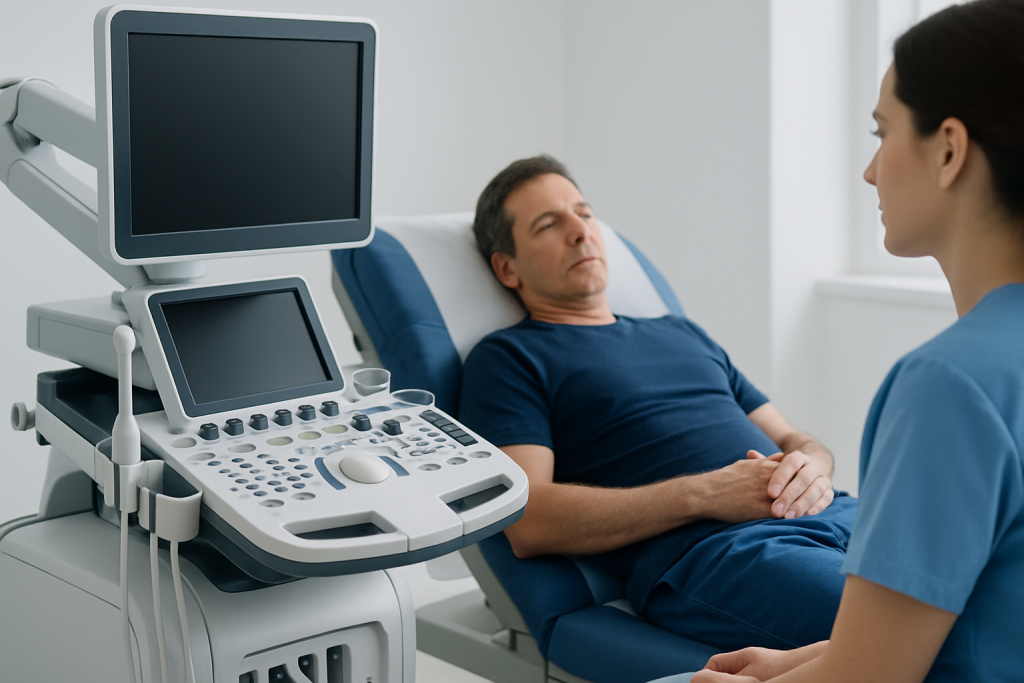
Scrotal ultrasound is often used when the diagnosis is uncertain, the swelling is painful, the testicle cannot be felt clearly, or there is concern about other causes. Ultrasound helps show whether the swelling is a simple fluid collection, a hernia, an infection, or something that requires more urgent attention.
For international patients arranging care from abroad, imaging and the specialist consultation are often planned together so that the diagnosis can be clarified efficiently and the next steps can be discussed without unnecessary delay.
Treatment Options
Not every hydrocele requires treatment. In newborns and young children, doctors often recommend observation first because many cases improve on their own. If the swelling is small, painless, and not causing functional problems in an adult, the doctor may also suggest watchful waiting with follow-up.
When treatment is needed, surgery is the most reliable option. Hydrocelectomy removes or modifies the hydrocele sac so fluid no longer accumulates around the testicle. The procedure is usually done on an outpatient basis, though the exact approach depends on the size of the hydrocele, the person’s age, and any related conditions such as hernia.
Needle drainage is sometimes discussed, but it usually does not provide a lasting solution because the fluid often returns. It may be considered in selected situations when surgery is not suitable, but the decision should be individualized by a qualified urologist.
After treatment, recovery typically includes scrotal support, temporary activity limits, and follow-up to check healing. Patients traveling from another country may need a clear plan for postoperative review, pain control, and guidance on when it is safe to fly or resume more active routines.
- Observation for small or improving hydroceles
- Hydrocelectomy for persistent or bothersome swelling
- Addressing related problems such as hernia or infection
- Follow-up after treatment to monitor healing and recurrence
Prevention & Self-care
There is no guaranteed way to prevent every hydrocele, especially those that are present from birth or arise without a clear cause. Still, general scrotal health habits can reduce irritation and support early detection. Wearing supportive underwear during recovery, avoiding heavy lifting after surgery, and following the doctor’s instructions can make healing smoother.
Self-care is also about noticing changes early rather than waiting for swelling to become large. If the scrotum becomes more enlarged, tender, red, or firm, or if a new lump appears, the person should arrange a medical review. A hydrocele can coexist with other scrotal conditions, so changes should not be guessed at from appearance alone.
For men who are coordinating care across borders, it helps to keep a simple record of when swelling first appeared, whether it changes during the day, and whether there are related symptoms such as fever or urinary discomfort. That history can make a specialist consultation more efficient and more precise.
When to See a Doctor
Any new scrotal swelling deserves a medical evaluation, even if it is not painful. A doctor can confirm whether it is a hydrocele and rule out other causes that may need different treatment. This is especially important if the swelling is on one side only, has appeared recently, or seems to be enlarging.
Prompt assessment is particularly wise if the swelling is painful, red, warm, associated with fever, or developed suddenly. These features may point to infection, hernia, testicular torsion, or another urgent problem that should not wait. Sudden severe pain in the testicle is an emergency.
Adults who notice a hydrocele that is interfering with daily activities, intimacy, exercise, or comfort should also seek advice, even if there is no emergency. For international patients, a urology team can help determine whether the issue is best managed with observation, imaging, or surgery and can coordinate care before and after travel.
Acibadem Health Point’s multidisciplinary specialists and JCI-accredited hospitals diagnose and treat hydrocele for international patients, with attention to clear communication, coordinated imaging, and follow-up planning.
Living With a Hydrocele
Living with a hydrocele is often straightforward when the swelling is small and stable. The main practical issue is knowing what is normal for that person and what represents a change. Regular self-awareness, comfortable support garments, and routine medical follow-up are usually enough for mild cases that are being observed.
If surgery is recommended, patients usually do best when they understand the recovery timeline in advance. Planning for rest, arranging transport after the procedure, and having a local or home-country follow-up plan can make the process calmer, especially for those who travel for treatment.
Most importantly, a hydrocele should be viewed as a diagnosable and manageable condition rather than a source of embarrassment. With an accurate evaluation, many people can choose the least disruptive path and return to normal activities with confidence.
Frequently asked questions
Is a hydrocele dangerous?
A hydrocele is often not dangerous by itself, especially when it is painless and stable. However, scrotal swelling should be checked by a doctor because other conditions can look similar and may need different care.
Can a hydrocele go away on its own?
Yes, some hydroceles in babies improve without treatment as the body closes the opening between the abdomen and scrotum. In adults, spontaneous resolution is less predictable, so persistent swelling should be evaluated.
Does a hydrocele affect fertility?
Most hydroceles do not directly cause infertility, especially when they are small. Very large hydroceles or the condition causing them may sometimes affect comfort or testicular function, so a doctor should assess any concerns about fertility.
How is hydrocele surgery performed?
Hydrocele surgery, called hydrocelectomy, is usually done by a urologist through an operation that removes or repairs the fluid sac. The exact technique depends on the size of the hydrocele and whether there is another issue, such as a hernia.
What is the difference between hydrocele and hernia?
A hydrocele is a collection of fluid around the testicle, while a hernia involves tissue pushing through a weak spot in the abdominal wall. Both can cause scrotal swelling, which is why a medical exam and sometimes ultrasound are needed to tell them apart.
Can a hydrocele come back after treatment?
Recurrence is less common after surgery than after drainage, but it can still happen in some cases. Follow-up with the treating doctor helps confirm healing and address any return of swelling early.
References
- Mayo Clinic
- Cleveland Clinic
- National Health Service (NHS)
- American Urological Association
- Urology Care Foundation
This article is for general information only and is not a substitute for professional medical advice. Please consult a qualified doctor about your individual situation.
Explore treatments in Turkey — costs, top hospitals & a free quote
JCI-accredited · board-certified surgeons · reply within 24h
Add us as a Preferred Source to see more of our trusted health content across Google Search, AI Overviews and Discover.