Mumps: Symptoms, Causes and Treatment

Key Takeaways
- Mumps is a viral infection that often causes painful swelling near the jaw or cheeks.
- It spreads through respiratory droplets and close contact, especially in shared indoor spaces.
- There is no specific cure for mumps; care focuses on rest, hydration, and symptom relief.
- Vaccination is the most reliable way to lower the risk of mumps and its complications.
- People with symptoms should limit contact with others and speak with a doctor for guidance.
Medically reviewed by the Acıbadem clinical team — August 19, 2026
Mumps is a contagious viral infection best known for causing swollen salivary glands, but it can also affect other parts of the body. Understanding how it spreads, how it is diagnosed, and how care is usually managed can help families respond calmly and appropriately.
Overview
Mumps is an infection caused by the mumps virus, which usually affects the salivary glands, especially the parotid glands in front of and below the ears. The result is the familiar swelling that can make the face look puffy and the jaw feel tender or uncomfortable. Although many people recover without lasting problems, mumps can sometimes lead to complications that deserve medical attention.
The illness is most often discussed in childhood health, but it can affect adolescents and adults too. In families planning care across borders or traveling for treatment, it helps to know that diagnosis is usually straightforward and based on symptoms, exam findings, and, when needed, laboratory testing. Because the virus spreads easily, early awareness also protects other family members, classmates, and travel companions.
Most cases improve with supportive care rather than hospital-based treatment. Even so, a doctor’s assessment is useful when the diagnosis is unclear, when symptoms are more severe than expected, or when the person has risk factors for complications.
Symptoms
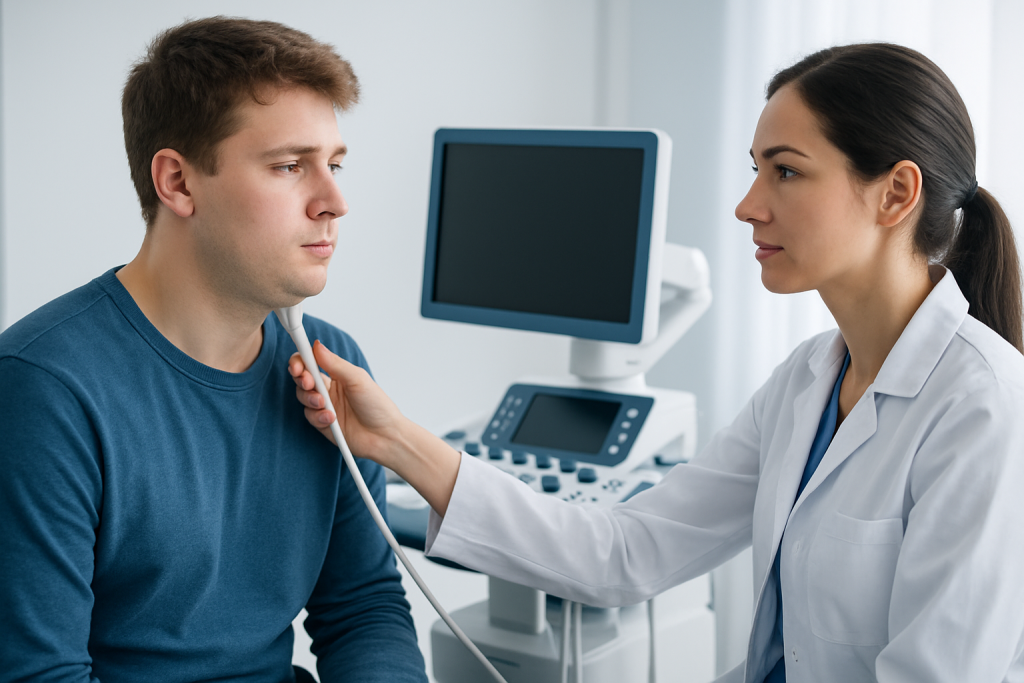
The classic sign of mumps is swelling of one or both sides of the face near the jawline. This swelling may start on one side and then involve the other side a day or two later. It can be painful, and chewing, swallowing, or opening the mouth may feel uncomfortable.
Before the swelling appears, some people notice general viral symptoms such as fever, headache, tiredness, muscle aches, or loss of appetite. Not everyone has obvious warning signs, which is one reason mumps can spread before it is recognized.
Other symptoms may include:
- Earache or pain around the cheek and jaw
- Dry mouth or discomfort when eating sour foods
- Low-grade fever
- Sore throat
- General malaise
In some cases, mumps affects organs beyond the salivary glands. This can cause testicular pain or swelling in males after puberty, abdominal pain, or signs of inflammation in the brain or lining around it, although these are less common.
Causes & Risk Factors

Mumps is caused by a virus from the paramyxovirus family. It spreads mainly through saliva and respiratory secretions, which means it can pass from person to person through coughing, sneezing, sharing drinks, kissing, or touching contaminated surfaces and then touching the mouth or nose.
The infection tends to spread more easily in places where people live, learn, or spend time closely together. Schools, dormitories, sports teams, childcare settings, and crowded travel environments can all create conditions where an infected person exposes others before they know they are ill.
Risk is higher for people who have not been vaccinated, those who are not fully vaccinated, and individuals with close contact to a confirmed case. Outbreaks can still happen in vaccinated communities, especially when exposure is intense or prolonged, but vaccination usually makes illness less likely and complications less common.
For international travelers and families seeking medical care abroad, it is useful to carry vaccination records when available. This helps clinicians understand exposure risk and decide whether testing, isolation advice, or follow-up is needed.
Diagnosis
Doctors usually begin with a careful history and physical examination. The combination of facial swelling, recent exposure, fever, and compatible symptoms often raises suspicion for mumps, especially when the person is unvaccinated or there is a known outbreak nearby.
To confirm the diagnosis or rule out other causes of salivary gland swelling, a clinician may order laboratory tests. These can include a swab from the mouth or throat, a blood test for antibodies, or other tests depending on local practice and how long symptoms have been present. The timing of the test matters, because results can vary during different stages of the illness.
Doctors also think about other conditions that can mimic mumps, such as other viral infections, salivary gland blockage, bacterial infection, or inflammation related to autoimmune disease. In a travel or cross-border care setting, this broader evaluation can be especially important because symptoms may overlap with illnesses common in different regions.
Treatment Options
There is no antiviral medicine that specifically cures mumps in routine care. Treatment is supportive and aims to reduce discomfort while the immune system clears the infection. Most people recover at home with rest and attentive self-care.
Common measures include drinking plenty of fluids, resting, and using foods that are soft and easy to swallow. Warm or cool compresses may help with gland tenderness. A doctor may also suggest general pain-relief options that are appropriate for the person’s age and medical history.
More careful monitoring is needed if mumps affects other organs. For example, testicular swelling, severe headache, confusion, stiff neck, vomiting, or difficulty keeping fluids down should be evaluated promptly. In rare cases, hospital care may be needed for dehydration, neurological symptoms, or other complications.
When a patient is receiving care after traveling internationally, follow-up planning matters. A clinician may advise how long to stay away from work, school, or group activities, and may coordinate additional review if symptoms change after returning home.
Prevention & Self-care
Vaccination is the most effective way to prevent mumps. The mumps vaccine is usually given as part of a combination childhood vaccine schedule in many countries. People who are unsure about their vaccination history should ask a healthcare professional how to check records or whether catch-up vaccination is appropriate.
Day-to-day prevention also depends on simple, practical habits. Hand hygiene, not sharing drinks or utensils, covering coughs and sneezes, and staying home when sick all help reduce spread. If a person has suspected mumps, limiting close contact with others is important until a doctor advises it is safe to resume normal activities.
Self-care during recovery focuses on comfort and hydration. Soft foods can be easier to tolerate, especially if chewing hurts. Sour foods may stimulate saliva and sometimes increase discomfort, so some people prefer to avoid them until swelling settles.
- Rest as much as possible
- Drink fluids regularly
- Choose gentle, soft meals
- Use symptom relief only as advised by a clinician
- Seek medical review if new symptoms appear
When to See a Doctor
Medical advice is important whenever mumps is suspected, because confirmation, isolation guidance, and monitoring can affect both the person and those around them. A doctor can also help distinguish mumps from other causes of swelling in the face or neck.
Prompt evaluation is especially sensible if the person has trouble drinking, significant pain, persistent high fever, severe headache, stiff neck, confusion, vomiting, or swelling of the testicles. These symptoms do not automatically mean a serious problem, but they should be assessed without delay.
Families traveling for care may find it helpful to contact the clinic before arriving so the team can arrange safe timing and reduce exposure to others in waiting areas. Acibadem Health Point’s multidisciplinary specialists and JCI-accredited hospitals diagnose and treat conditions like mumps for international patients, with an emphasis on coordinated, patient-friendly follow-up.
Frequently asked questions
What is mumps in simple terms?
Mumps is a viral infection that commonly causes swelling of the salivary glands, especially near the jaw and cheeks. It can also cause fever, tiredness, and body aches before or alongside the swelling.
How does mumps spread?
It spreads through respiratory droplets and saliva, such as through coughing, sneezing, kissing, or sharing drinks and utensils. Close, prolonged indoor contact increases the chance of transmission.
Can someone get mumps even after vaccination?
Yes, it can happen, but vaccination usually lowers the risk and often makes illness milder. Outbreaks can still occur in close-contact settings, which is why prevention habits remain useful.
How is mumps diagnosed?
Doctors usually diagnose mumps based on symptoms and a physical exam, and they may confirm it with lab tests. Testing can also help rule out other causes of swollen salivary glands.
Is there a specific treatment for mumps?
There is no standard medicine that cures mumps directly. Care is usually supportive, focusing on rest, fluids, and symptom relief while the body recovers.
How long should a person stay away from others?
This depends on local public health guidance and the doctor’s advice. People with suspected mumps are generally advised to limit close contact with others until they are no longer likely to spread the virus.
References
- World Health Organization
- Centers for Disease Control and Prevention
- National Health Service
- Mayo Clinic
This article is for general information only and is not a substitute for professional medical advice. Please consult a qualified doctor about your individual situation.
Explore treatments in Turkey — costs, top hospitals & a free quote
JCI-accredited · board-certified surgeons · reply within 24h
Add us as a Preferred Source to see more of our trusted health content across Google Search, AI Overviews and Discover.