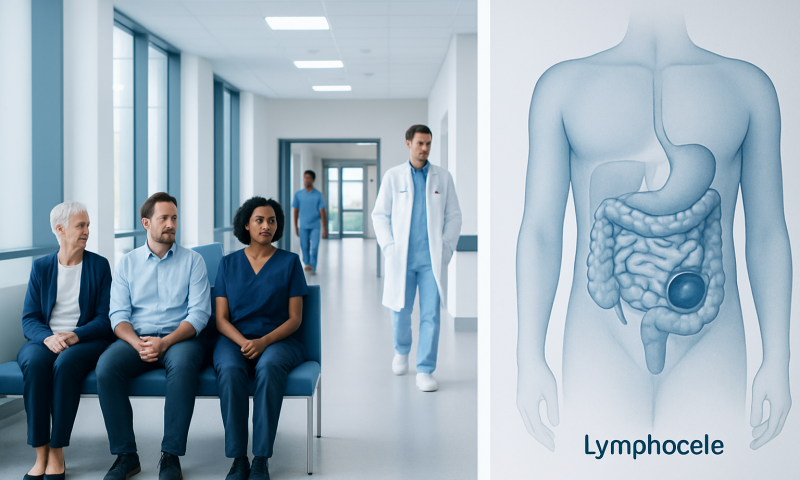
Lymphoceles: Causes, Symptoms, and Treatment

Key Takeaways
- Lymphoceles are fluid collections that often appear after operations involving lymph nodes or lymph vessels.
- Some lymphoceles cause no symptoms, while others lead to swelling, pain, or a feeling of pressure.
- Diagnosis usually relies on exam and imaging, especially ultrasound, CT, or MRI.
- Treatment can range from observation to drainage, sclerotherapy, or surgery if the collection keeps returning.
- People recovering from surgery should watch for new swelling, fever, redness, or worsening pain and contact a doctor promptly.
A lymphocele is a collection of lymphatic fluid that can form after surgery or injury to lymph vessels. Many are small and settle with monitoring, but some cause swelling, discomfort, or pressure and need medical treatment.
Overview
A lymphocele is a pocket of lymphatic fluid that builds up in tissue after lymph vessels are disrupted. It is not a typical infection or a tumor, but rather a postoperative fluid collection that can appear when the normal lymph flow has nowhere to drain.
Lymphoceles are most often seen after operations in the pelvis, groin, abdomen, or around lymph node dissection sites. They may be found during routine follow-up imaging, or they may become noticeable because of swelling, pressure, or discomfort in the area where surgery took place.
For international patients who travel for surgery and then recover back home, a lymphocele can be confusing because symptoms may appear days or even weeks later, after the main wound has already healed. Understanding what it is can help a person know when watchful waiting is reasonable and when a check-up is the safer choice.
Symptoms

Some lymphoceles cause no symptoms at all and are discovered only on a scan. Others become noticeable as a soft swelling or a sense of fullness near the surgical area. The size, location, and whether the collection presses on nearby structures all influence how it feels.
Common symptoms can include:
- A lump or visible swelling near the operation site
- Dull pain or tenderness
- Pressure, heaviness, or tightness
- Discomfort when walking, sitting, or bending
- Swelling in the leg, groin, or lower abdomen if nearby veins or lymphatic channels are compressed
When a lymphocele becomes inflamed or infected, symptoms may change. Fever, redness, warmth, increasing pain, or general illness are not typical features of an uncomplicated fluid collection and should prompt medical attention.
Causes & Risk Factors

Lymphoceles usually develop when lymphatic channels are cut, sealed incompletely, or take time to heal after surgery. Because lymph travels in tiny vessels that are not always easy to see, leakage can continue for a while before the body naturally seals the area.
They are more likely after procedures that involve removing or working near lymph nodes, such as certain cancer surgeries, transplant-related operations, pelvic surgery, or vascular procedures in the groin. The larger the lymphatic disruption, the greater the chance of postoperative fluid collecting in a space where tissue planes can separate.
Risk can also be influenced by factors such as:
- Extensive tissue dissection
- Use of anticoagulation in some surgical settings
- Delayed healing or poor wound healing
- Higher surgical complexity
- Prior surgery or scar tissue in the same region
Not every patient with these risk factors will develop a lymphocele, and many resolve without major treatment. The key issue is whether the collection stays small and quiet, or grows enough to cause symptoms or interfere with nearby organs.
Diagnosis
Doctors usually begin with a history and physical examination, asking when the swelling started, how it has changed, and whether there are signs of infection or pressure on nearby structures. The timing after surgery is an important clue, but imaging is often needed to confirm what is being seen.
Ultrasound is commonly used because it can show a fluid-filled space and guide drainage if needed. CT scan or MRI may be chosen when the location is deeper, the anatomy is complex, or the care team needs a clearer picture of surrounding tissues and organs.
If there is concern that the fluid collection may be infected or may represent another type of postoperative problem, the doctor may sample the fluid. This can help distinguish a lymphocele from an abscess, hematoma, seroma, or other collection so that treatment is matched to the actual cause.
Treatment Options
Treatment depends on size, symptoms, and whether the lymphocele is stable, enlarging, or infected. Small, symptom-free lymphoceles are often watched over time, because some shrink or disappear as the lymphatic channels heal on their own.
If the lymphocele is causing discomfort or pressure, drainage may be recommended. A catheter can sometimes be placed under image guidance to remove the fluid, and in selected cases a sclerosing agent is used to help the cavity close. These approaches aim to reduce recurrence while relieving symptoms.
When a lymphocele keeps coming back or is difficult to control, surgery may be considered. Options can include surgical marsupialization or other techniques that create a more durable drainage pathway. If infection is present, treatment may also include antibiotics and close monitoring, since infected collections need careful management.
The best plan is individual. Factors such as the location of the lymphocele, the original operation, the patient’s overall health, and travel plans for follow-up all matter when deciding between observation, drainage, or a procedural approach.
Prevention & Self-care
Not every lymphocele can be prevented, but careful surgical technique and appropriate postoperative care can reduce the chance of one forming. Surgeons may use meticulous sealing of lymphatic vessels, drains in selected cases, and follow-up imaging when the risk is higher.
After surgery, patients are usually advised to follow wound-care instructions closely, avoid overexertion too soon, and attend scheduled reviews even if they feel well. For people returning to another country after treatment, it is especially helpful to leave with a clear recovery plan, copies of operative notes, and a contact pathway for questions about new swelling.
Helpful self-care measures may include:
- Monitoring the surgical area for new lumps or increasing fullness
- Reporting fever, redness, or sudden pain promptly
- Following movement and lifting guidance from the surgical team
- Keeping follow-up appointments and any recommended scans
- Staying hydrated and supporting general healing with balanced nutrition
It is important not to massage a new postoperative swelling or try to drain it at home. A medical review is the safest way to determine whether the collection is a lymphocele or another condition that needs different treatment.
When to See a Doctor
A doctor should be contacted if swelling appears after surgery and does not improve, becomes larger, or starts to interfere with walking, sitting, urination, bowel movements, or daily activity. Even when symptoms are mild, a persistent fluid collection may need imaging to confirm what is happening beneath the surface.
Urgent review is especially important if there are signs of infection such as fever, chills, redness, warmth, drainage from the wound, or steadily worsening pain. These features do not mean the situation is necessarily serious, but they do mean it should be assessed without delay.
People recovering abroad may need help arranging follow-up in their home country or with the original surgical team. In that setting, a coordinated plan can make recovery simpler and safer, and Acibadem Health Point’s multidisciplinary specialists and JCI-accredited hospitals can diagnose and treat lymphoceles for international patients when in-person evaluation is needed.
Living With a Lymphocele
For many people, a lymphocele is a temporary postoperative issue rather than a lasting problem. Once the cause is identified and the right approach is chosen, symptoms often ease and normal activity can gradually resume.
The main practical challenge is knowing whether the collection is stable. That is why follow-up matters: a lymphocele that is harmless on one scan may later become uncomfortable if it enlarges, and a treated lymphocele can occasionally recur. Clear communication with the surgical team helps patients respond early rather than waiting until the swelling becomes harder to manage.
Questions about imaging results, drain care, wound changes, and travel timing are all appropriate during recovery. A thoughtful recovery plan can reduce stress and help the patient return to normal routines with more confidence.
Frequently asked questions
What is the difference between a lymphocele and a seroma?
Both are fluid collections, but they come from different sources. A lymphocele contains lymphatic fluid, while a seroma is usually made up of clear postoperative fluid from tissue healing. Imaging and the surgical history help doctors tell them apart.
Do all lymphoceles need treatment?
No. Small lymphoceles without symptoms are often observed, especially if they are found incidentally on imaging. Treatment is more likely when there is pain, pressure, enlargement, or infection.
Can a lymphocele go away on its own?
Yes, some do shrink or resolve as the body heals and the lymphatic leak seals naturally. Others persist or return, which is why follow-up is important if swelling continues.
Is a lymphocele dangerous?
Many are not dangerous, but they can become troublesome if they grow, compress nearby structures, or become infected. Any new swelling after surgery deserves medical assessment so the cause is clear.
How is a lymphocele usually confirmed?
Doctors often use ultrasound first, and CT or MRI if more detail is needed. If there is uncertainty or concern about infection, fluid sampling may be performed.
Can exercise or travel make a lymphocele worse?
Strenuous activity or long travel soon after surgery may sometimes increase discomfort or make swelling more noticeable, depending on the site and the operation. The safest approach is to follow the surgeon’s recovery instructions and ask before resuming heavy activity or long-distance travel.
References
- Mayo Clinic
- Cleveland Clinic
- Merck Manual Professional Edition
- National Cancer Institute
- Society of American Gastrointestinal and Endoscopic Surgeons
This article is for general information only and is not a substitute for professional medical advice. Please consult a qualified doctor about your individual situation.