Lung Cancer Symptoms: Signs and When to See a Doctor

Key Takeaways
- Lung cancer symptoms may begin quietly and can resemble common respiratory conditions.
- A cough that changes, chest discomfort, breathlessness, or coughing up blood should not be ignored.
- Symptoms can also come from spread beyond the lungs, including bone pain, weight loss, or headaches.
- Diagnosis usually involves imaging, tissue sampling, and tests to determine the cancer type and stage.
- Anyone with persistent or unexplained symptoms should speak with a qualified doctor promptly.
Medically reviewed by the Acıbadem clinical team — August 19, 2026
Lung Thyroid Cancer Symptoms" class="ahp-ilk">cancer symptoms can be subtle at first, and some people notice only a small change in breathing, cough, or energy levels. Understanding the possible warning signs can help a person seek timely medical evaluation and treatment.
Overview
Lung cancer does not always announce itself with one dramatic symptom. More often, it starts with a change that feels easy to dismiss: a cough that lingers, breathing that seems less efficient than usual, or tiredness that no amount of rest fully fixes. Because these changes can overlap with infections, asthma, allergies, or smoking-related irritation, they may be overlooked for weeks or months.
That is one reason the topic matters for international patients considering care abroad. Someone may notice a symptom at home, review medical records, and then decide whether they need a specialist opinion, imaging, or a biopsy before traveling. A clear understanding of warning signs helps patients make that decision with less uncertainty and more confidence.
Lung cancer symptoms vary depending on where the tumor is located, how large it is, and whether it has affected nearby structures or spread to other parts of the body. Some people have symptoms early, while others learn about the disease during a scan done for another reason.
Symptoms
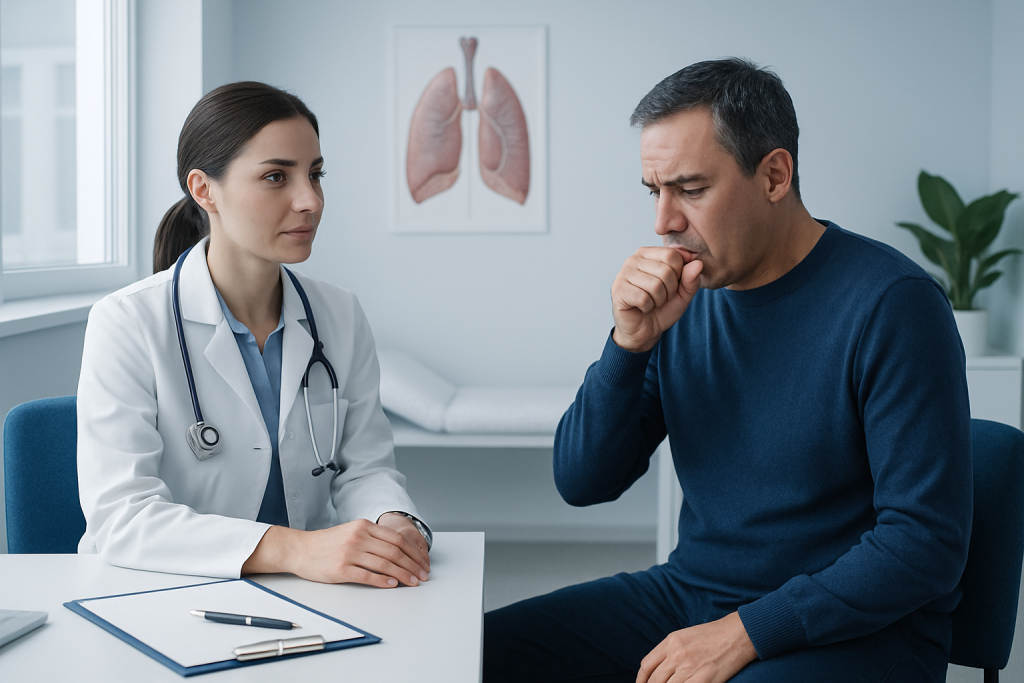
The most familiar symptom is a cough that does not go away or a cough that changes in character. A person who usually has a mild smoking-related cough may notice it becoming deeper, more frequent, or painful. Some people develop a cough that produces mucus, while others begin coughing up blood-tinged sputum.
Breathing symptoms are also common. Shortness of breath can appear during everyday activities that once felt easy, such as climbing stairs or walking at a moderate pace. Wheezing, a tight feeling in the chest, or a feeling that the lungs cannot fully expand may also occur.
Other symptoms may include:
- Chest pain that worsens with deep breathing, coughing, or laughing
- Hoarseness or voice changes that persist
- Repeated chest infections such as bronchitis or pneumonia
- Unexplained weight loss or loss of appetite
- Fatigue that feels unusual or out of proportion
- Shoulder pain, especially if the tumor affects nearby nerves
When lung cancer spreads, it can cause symptoms away from the chest. Bone pain, headaches, dizziness, weakness, or swelling in the face or neck may appear in more advanced cases. Not every symptom means cancer, but a pattern that persists deserves medical review.
Causes & Risk Factors
Lung cancer develops when cells in the lung grow in an uncontrolled way. Over time, these abnormal cells may form a tumor and interfere with normal breathing or spread to other tissues. Symptoms are often linked to this growth and to inflammation or blockage in the airways.
The strongest risk factor is tobacco exposure, including cigarettes, cigars, and other smoked products. However, lung cancer can also occur in people who have never smoked. Other important risk factors include secondhand smoke, radon exposure, workplace contact with asbestos or certain chemicals, air pollution, prior radiation to the chest, and a personal or family history of lung cancer.
Some people wonder why symptoms appear differently from one person to another. The answer is that risk factors influence both the type of lung cancer and where it begins. Tumors closer to the large airways may cause cough or wheeze earlier, while those deeper in the lung may remain quieter until they grow larger or spread.
Diagnosis
Doctors begin with a detailed discussion of symptoms, medical history, smoking history, and environmental exposures. They usually listen for clues such as how long the cough has lasted, whether there is blood in the sputum, or whether breathlessness has gradually worsened. A physical examination may identify signs such as wheezing, weight loss, or enlarged lymph nodes.
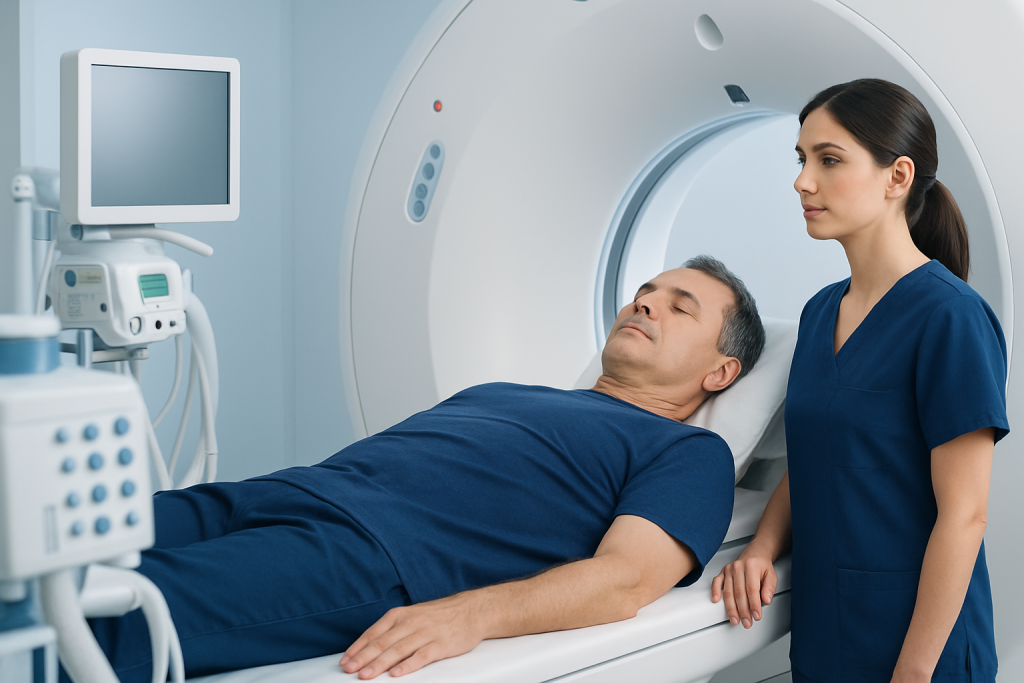
Imaging is a key next step. A chest X-ray may be used first, but a CT scan provides more detail and can show the size, location, and spread of suspicious areas more clearly. If a mass is found, further testing is usually needed to confirm whether it is cancer.
Tissue sampling is essential for diagnosis. A biopsy may be performed through a bronchoscope, a needle guided by imaging, or another procedure depending on where the lesion is located. Pathology can then identify the exact cancer type, and additional tests may look for molecular markers that help guide treatment choices. For patients traveling internationally, these results are especially important because they help the medical team plan care efficiently once the person arrives.
Treatment Options
Treatment depends on the type of lung cancer, its stage, and the person’s overall health. Surgery may be an option when cancer is localized and the patient can safely undergo an operation. In other cases, treatment may involve chemotherapy, radiation therapy, targeted therapy, immunotherapy, or a combination of these approaches.
The goal is not only to treat the tumor but also to relieve symptoms and preserve quality of life. For example, a blocked airway may improve with treatment that shrinks the tumor, and pain or breathlessness may be managed with supportive medicines and procedures. People who travel for treatment often benefit from coordinated planning, since scans, biopsy reports, and pathology review can be organized in advance to avoid delays.
Supportive care is an important part of the treatment picture. Nutrition guidance, breathing support, symptom control, and help with smoking cessation can all make treatment easier to tolerate. When appropriate, rehabilitation may help patients rebuild stamina after therapy or surgery.
Prevention & Self-care
Not every case of lung cancer can be prevented, but risk can often be reduced. Avoiding tobacco is the most effective step. For people who smoke, quitting at any stage can still be meaningful, and a doctor can suggest appropriate cessation support.
Reducing exposure to radon, secondhand smoke, and workplace carcinogens is also important. Home testing for radon may be useful in some regions, and protective measures at work matter for people exposed to dust, asbestos, or industrial chemicals. Regular medical follow-up is wise for individuals with significant risk factors or prior lung disease.
Self-care is not a substitute for medical evaluation, but it can support overall lung health. Keeping vaccines up to date when recommended, staying active within personal limits, eating regularly, and reporting new or changing symptoms promptly can all help. Patients recovering after treatment abroad should also keep a clear plan for follow-up with their local doctor and their treating team.
When to See a Doctor
A person should seek medical advice if a cough lasts more than a few weeks, breathing becomes harder without a clear reason, or chest pain keeps returning. Coughing up blood, even in small amounts, should always be discussed with a doctor. Persistent hoarseness, repeated chest infections, unexplained weight loss, or ongoing fatigue also deserve evaluation.
It is especially important to act sooner if there is a history of smoking, prior cancer, or exposure to asbestos or radon. Even if symptoms turn out to have another cause, a proper assessment can bring reassurance and, when needed, lead to earlier treatment. Many international patients begin with a local workup and then seek a second opinion or advanced diagnostics when the findings are unclear.
Acibadem Health Point can support patients who need lung cancer evaluation and treatment through multidisciplinary specialists and JCI-accredited hospitals for international patients. The most helpful step is not to wait for symptoms to become severe before asking for medical guidance.
Frequently asked questions
Can lung cancer start without obvious symptoms?
Yes. Some people have no clear symptoms at first, and the cancer is found on an imaging test done for another reason. Others notice subtle changes, such as a new cough or reduced exercise tolerance, that seem minor at the beginning.
Is a persistent cough always a sign of lung cancer?
No, a persistent cough has many possible causes, including infections, asthma, reflux, or smoking-related irritation. Still, a cough that lasts, changes, or is linked with other symptoms should be checked by a doctor.
When is coughing up blood urgent?
Coughing up blood should be reported to a doctor promptly, even if the amount is small. It does not always mean cancer, but it needs medical assessment because several conditions can cause it.
Can lung cancer cause pain in places other than the chest?
Yes. Depending on where it spreads, it may cause bone pain, headaches, weakness, or swelling in the face or neck. Symptoms outside the chest can be an important clue that further testing is needed.
How is lung cancer usually confirmed?
Doctors usually combine imaging with a biopsy to confirm the diagnosis. The biopsy allows the laboratory to identify the cancer type and, in many cases, important markers that help guide treatment.
What should a person do while waiting for a specialist appointment?
It helps to keep a record of symptoms, bring prior scans and reports, and note smoking or exposure history. If symptoms worsen, such as increased breathlessness or more blood in the cough, medical advice should be sought sooner.
References
- World Health Organization
- American Cancer Society
- National Cancer Institute
- Mayo Clinic
- National Health Service
This article is for general information only and is not a substitute for professional medical advice. Please consult a qualified doctor about your individual situation.
Explore treatments in Turkey — costs, top hospitals & a free quote
JCI-accredited · board-certified surgeons · reply within 24h
Add us as a Preferred Source to see more of our trusted health content across Google Search, AI Overviews and Discover.