

Lip Injections: Uses, Procedure and Risks

Key Takeaways
- Lip injections are commonly used to add volume, improve definition, and address asymmetry in the lips.
- Most modern lip fillers are temporary and are often made with hyaluronic acid, a substance that attracts water.
- A qualified clinician should assess facial balance, medical history, and expectations before treatment.
- Swelling, tenderness, and bruising are common soon after treatment and usually settle over time.
- Prompt medical review is important if severe pain, skin color changes, vision symptoms, or increasing redness develop.
Medically reviewed by the Acıbadem clinical team — August 19, 2026
Lip injections are a non-surgical way to change lip shape, volume, or symmetry using injectable fillers, most often hyaluronic acid-based products. A careful consultation, realistic goals, and proper aftercare help support natural-looking results and reduce the chance of complications.
Overview
When people ask about lip injections lips, they are usually looking for a subtle change rather than an entirely new appearance. Lip injections are a cosmetic procedure that uses injectable filler to shape the lips, restore lost volume, or create a more defined border between the lip and surrounding skin.
In many cases, the treatment is chosen by adults who feel their lips have become thinner with age, or by people who want more balance between the upper and lower lip. The best outcomes tend to come from restraint and precision, not from adding as much volume as possible.
Most lip fillers used today are temporary. Hyaluronic acid fillers are especially common because they can be adjusted with care and, if needed, dissolved by a clinician. That flexibility can be reassuring for patients who are traveling for treatment or who prefer a reversible option while deciding whether a fuller lip shape suits them.
What the Treatment Can Change
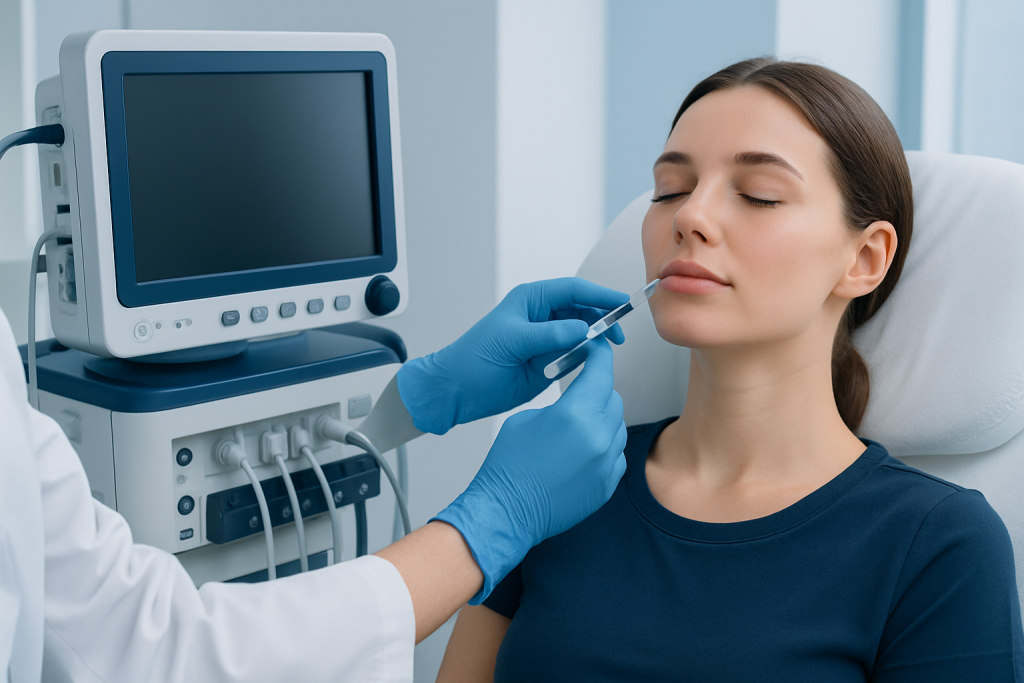
Lip injections are often used for several different goals, and the plan should be tailored to the person rather than following a single look. Some patients want a soft increase in fullness, while others are more interested in refining the lip outline or improving symmetry.
In skilled hands, fillers may help the lips look smoother, more hydrated, and better proportioned to the rest of the face. They may also soften fine lines around the mouth, although that is not always the main aim of the procedure.
- Add gentle volume to thin lips
- Define the lip border or Cupid’s bow
- Improve left-right asymmetry
- Support age-related volume loss
- Create a more balanced profile
A careful approach matters because the lips are highly visible and move constantly during speech and expression. Small adjustments often look more natural than dramatic changes, especially when the goal is to keep the face looking familiar.
Symptoms and Reasons People Seek Treatment

There is no medical symptom that requires lip fillers, but there are common reasons people consider the procedure. Some notice that their lips have always been naturally narrow, while others feel that age has reduced shape and softness over time.
Patients may also seek treatment when one side of the mouth appears different from the other, when lipstick does not sit evenly, or when the border between the lip and skin has become less distinct. For some international patients, the desire is simply to have a planned, short cosmetic procedure during a scheduled stay, with follow-up guidance that can be shared once they return home.
It is worth noting that cosmetic goals can change over time. A patient may first want only definition, then later decide whether any further fullness is desired after seeing how the lips settle and move in daily life.
Causes & Risk Factors
Lip shape is influenced by anatomy, genetics, age, and lifestyle factors. Over time, the lips may naturally lose volume, and the skin around them may show more fine lines. Some people are also born with a thinner lip structure or a stronger difference between the upper and lower lip.
Certain factors can affect whether lip injections are a good option and how the treatment should be planned. A clinician will usually ask about past allergic reactions, active skin infections, cold sores, autoimmune conditions, bleeding issues, and any previous cosmetic procedures in the area.
People who are pregnant or breastfeeding are generally advised to postpone elective cosmetic injections. It is also important to discuss a history of herpes simplex outbreaks around the mouth, since procedures involving the lips can sometimes trigger a flare in susceptible individuals.
Risk is reduced when treatment is performed by a qualified professional using appropriate products and sterile technique. The safest plan begins with an honest discussion about goals, medical background, and how much change would still look like the same face.
Diagnosis and Consultation
There is no formal medical diagnosis for someone who wants lip injections, but a proper consultation is essential. The clinician will examine the lips, skin quality, facial proportions, and movement patterns before suggesting any product or injection plan.
During this visit, the patient should be asked about medications, allergies, previous fillers, dental work, and any tendency toward cold sores or easy bruising. The conversation should also cover what kind of result is realistic, how long the filler may last, and what to expect in the first few days after treatment.
For patients traveling from another country, consultation may begin with photographs, medical history, or a virtual review before arrival. Even so, the in-person assessment remains important, because small details of lip shape and symmetry are best judged face to face.
A thoughtful consultation is not a formality; it is part of safety. It helps ensure that treatment is appropriate, that the technique matches the anatomy, and that the outcome is aligned with the patient’s own preferences rather than a one-size-fits-all ideal.
Treatment Options
Most modern lip augmentation is performed with hyaluronic acid fillers. This material is popular because it is soft, adaptable, and familiar to experienced injectors. It can be placed strategically in small amounts to refine shape as well as volume.
The procedure usually takes place in an outpatient setting. A numbing cream or local anesthetic may be used to improve comfort, and the injections are typically done with a fine needle or cannula, depending on the technique and the clinician’s judgment.
There are other cosmetic approaches in selected situations, but fillers remain the most common option for people seeking temporary enhancement. Some patients prefer a gradual plan, with a conservative amount placed first and a review later if further refinement is needed.
Possible short-term effects include swelling, redness, tenderness, and bruising. These are common and usually temporary. More serious complications are uncommon but can occur, which is why treatment should be done by a clinician trained in facial anatomy and emergency recognition.
Prevention & Self-Care
Before treatment, patients are often advised to avoid alcohol and to discuss any medicines or supplements that may increase bruising risk with their clinician. It is also sensible to arrive with clean skin and to mention any recent lip irritation, fever, dental work, or active cold sore symptoms.
After lip injections, gentle care helps the area settle comfortably. Many patients are advised to avoid pressing or massaging the lips unless instructed, and to keep the area clean while following the clinician’s aftercare plan. Temporary swelling is common, so the initial look may be fuller than the final result.
- Use cold compresses only if recommended
- Avoid intense exercise immediately after treatment if advised
- Sleep with the head slightly elevated for the first night if swelling is bothersome
- Do not schedule important social events too soon after the appointment
- Share travel plans so follow-up can be coordinated safely
For patients who are returning to another country, it helps to leave with clear written instructions, the name of the product used, and details for follow-up contact. This makes it easier to manage normal recovery and to seek advice quickly if anything unexpected appears.
When to See a Doctor
Most after-effects of lip fillers are mild and improve with time. However, certain symptoms should be reviewed promptly because they may signal a complication that needs urgent assessment. Increasing pain, skin turning pale or dusky, unusual blistering, marked swelling on one side, or fever should not be ignored.
Patients should also seek immediate medical advice if there are changes in vision, severe headache, or rapidly worsening redness and warmth. These symptoms are uncommon, but they deserve urgent attention because early treatment matters.
Even without an emergency, it is sensible to contact the treating clinic if the result feels uneven after the initial swelling settles, if a lump remains bothersome, or if there are questions about future touch-up treatment. A good aesthetic outcome includes both appearance and peace of mind.
Acibadem Health Point’s multidisciplinary specialists and JCI-accredited hospitals can diagnose and treat lip-related aesthetic concerns for international patients, with coordinated care that supports consultation, treatment, and follow-up. That continuity can be especially helpful when a patient is balancing travel with recovery.
Frequently asked questions
How long do lip injections usually last?
Most lip fillers are temporary, and the duration depends on the product used, the amount injected, and how quickly the body breaks it down. A clinician can explain the expected timeline during consultation so the patient knows what to expect over time.
Do lip injections hurt?
Many people describe the procedure as uncomfortable rather than painful, especially when numbing cream or local anesthetic is used. Sensation varies from person to person, and the lips are sensitive, so a gentle technique is important.
Will my lips look very swollen right after treatment?
Swelling is common in the first few days and can make the lips look fuller than the final result. This usually settles gradually, so patients are often advised to wait before judging the outcome.
Can lip fillers be reversed?
Hyaluronic acid fillers can often be dissolved by a trained clinician if needed. That reversibility is one reason many patients prefer them, especially when trying lip augmentation for the first time.
Is it safe to travel soon after lip injections?
Many patients can travel after treatment, but it is wise to plan for some swelling and to keep follow-up access in mind. If a patient is traveling internationally, the clinic should provide clear aftercare instructions and contact details before departure.
What is the biggest mistake people make with lip fillers?
A common mistake is focusing only on size instead of balance, proportion, and facial movement. Natural-looking results usually come from a conservative plan that respects the person’s anatomy.
References
- American Society of Plastic Surgeons
- American Academy of Dermatology
- Cleveland Clinic
- Mayo Clinic
- U.S. Food and Drug Administration
This article is for general information only and is not a substitute for professional medical advice. Please consult a qualified doctor about your individual situation.
Explore treatments in Turkey — costs, top hospitals & a free quote
JCI-accredited · board-certified surgeons · reply within 24h
Add us as a Preferred Source to see more of our trusted health content across Google Search, AI Overviews and Discover.
More from the Health Library



Related Specialists

Dr. İlker Altundağ
Aesthetic Plastic & Reconstructive Surgery
Dr. Serkan Tokgönül
Aesthetic Plastic & Reconstructive Surgery
Dr. Ömercan Yağız Öksüz
Aesthetic Plastic & Reconstructive Surgery
Prof. Dr. Mehmet Veli Karaaltın
Aesthetic Plastic & Reconstructive Surgery