Brazilian Wax

Key Takeaways
- A Brazilian wax removes hair from the pubic region, usually including the front, sides, and often the back area.
- Temporary redness, tenderness, and small bumps can happen after waxing and often improve within a short time.
- Gentle skin care before and after waxing can lower the chance of irritation, ingrown hairs, and infection.
- Waxing should be avoided over irritated skin, sunburn, active rashes, or open cuts.
- Persistent pain, spreading redness, pus, fever, or severe swelling should be checked by a doctor.
A Brazilian wax removes most or all pubic hair from the bikini area, and many people choose it for personal comfort or grooming preferences. Understanding preparation, aftercare, and potential skin reactions can help reduce irritation and support smoother healing.
Overview
A Brazilian wax is a method of hair removal that takes hair off most or all of the pubic area. People choose it for different reasons: personal preference, comfort with certain clothing, or the wish for a longer-lasting result than shaving usually provides.
Because the skin in this area is delicate, the experience can vary from person to person. Some people notice only brief discomfort, while others develop redness or sensitivity afterward. Knowing what the process involves makes it easier to decide whether it is the right choice for their skin and their routine.
For someone preparing to travel, attend a special event, or simply manage grooming with less daily maintenance, it helps to think about waxing as a planned skin-care procedure rather than a quick cosmetic step. That mindset supports better preparation and more realistic expectations.
What a Brazilian Wax Involves
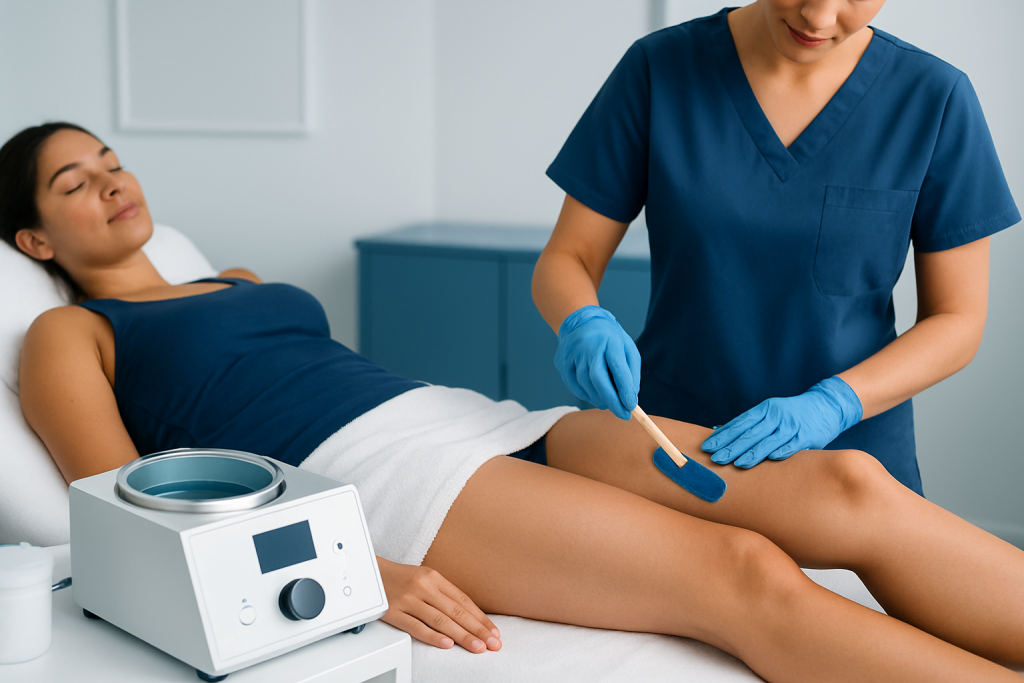
In a Brazilian wax, warmed wax is applied to the hair and removed quickly, pulling the hair from the root. Depending on preference, the service may leave a small strip, shape, or remove nearly all pubic hair. The exact approach can differ between salons, so it is reasonable to ask questions before booking.
The skin is not shaved during the process, so the hair needs to be long enough for the wax to grip it. If hair is too short, the wax may not work well and repeated attempts can increase irritation. If it is too long, trimming beforehand may make the procedure more comfortable.
Because the pubic region has many nerve endings and the skin folds can create friction, the procedure may feel more intense than waxing other body areas. Still, many people tolerate it well when the skin is healthy and aftercare is handled gently.
Common Sensations and Side Effects

It is common to feel stinging, warmth, or a pulling sensation during and shortly after waxing. Mild redness and tenderness often appear right away and then settle as the skin calms down. Small raised bumps can also show up as hair follicles react to the removal.
These short-term effects are usually not a sign of a serious problem. However, the skin can become more reactive if the wax is too hot, if the area is already irritated, or if the procedure is repeated over the same spot. People with sensitive skin may notice discomfort for a little longer than others.
Less commonly, waxing can lead to ingrown hairs, minor bruising, or skin tears. Infection is not typical, but it can occur if the skin barrier is broken and the area is not kept clean. This is why careful technique and good aftercare matter.
Causes & Risk Factors
Several factors can make irritation more likely. These include sensitive skin, a history of eczema or contact dermatitis, recent shaving, sunburn, tight clothing, heavy sweating, or waxing too soon after using exfoliating products. Skin that is already inflamed has less tolerance for hair removal.
Certain medications and treatments can also affect skin healing. People using retinoids, some acne treatments, or products that thin or sensitize the skin should ask a clinician or experienced aesthetic professional for guidance before waxing. The same caution applies after recent chemical peels or laser procedures in the same region.
Another practical issue is timing. For international travelers, it can help to schedule waxing when there is time for the skin to settle before swimming, long flights, or long days in tight clothing. Friction, moisture, and limited access to care can make post-wax irritation harder to manage.
- Very sensitive or reactive skin
- Recent shaving, exfoliation, or sun exposure
- Active rash, cuts, or skin infection
- Tight clothing and repeated friction
- Use of skin-sensitizing medications or products
How the Procedure Is Usually Done
Before waxing begins, the skin is usually cleaned and dried. A trained provider then applies wax in sections and removes it quickly in the direction and method chosen for that wax type. The process is repeated until the desired hair removal is achieved.
Many people find it helpful to breathe steadily and keep the muscles in the area relaxed as much as possible. Clear communication also matters. If the wax feels too hot, if a particular area is especially tender, or if the person wants a slower pace, they should say so during the appointment.
After the waxing is finished, soothing measures may be used, such as gentle pressure, calming products suitable for sensitive skin, or advice about home care. The exact aftercare depends on the skin’s response and the professional’s instructions.
Aftercare and Self-care
After a Brazilian wax, the skin generally benefits from a simple routine. Gentle cleansing with lukewarm water, loose cotton underwear, and avoiding extra friction can help the area settle. Many people prefer to postpone intense exercise, hot baths, saunas, swimming pools, and sexual activity for a short time if the skin feels especially sensitive.
It is usually wise to avoid scrubbing, exfoliating, or applying fragranced products right away. Harsh products can worsen irritation when the follicles are already open and reactive. If a soothing product is recommended, it should be chosen for sensitive skin and used only as directed.
To reduce ingrown hairs later on, some people gently exfoliate after the skin has fully calmed, but timing is important. Exfoliating too early can do more harm than good. If the person frequently develops bumps or ingrown hairs, a dermatologist can suggest a safer routine for their skin type.
- Wear loose, breathable clothing for the first day or two.
- Keep the area clean and dry.
- Avoid picking at bumps or ingrown hairs.
- Delay harsh exfoliation until the skin is no longer tender.
- Watch for signs of infection or worsening irritation.
When to Avoid Waxing
Waxing should generally be postponed if the area has open cuts, active rash, sunburn, visible infection, or recent skin peeling. Waxing over damaged skin increases the chance of pain, tearing, and delayed healing. If there is uncertainty, it is safer to wait until the skin looks and feels normal again.
People who bruise easily, have a history of severe skin reactions, or are taking medications that affect the skin should ask a doctor before waxing. A professional can help assess whether another hair-removal approach may be more suitable.
If someone has a known tendency toward folliculitis, recurrent yeast infections, or eczema in the groin area, the skin may need extra caution. In those situations, the choice of hair removal should be individualized rather than treated as a routine cosmetic decision.
When to See a Doctor
Most waxing-related irritation settles with time and gentle care. Medical advice is appropriate if redness spreads, the area becomes increasingly painful, there is pus, fever, significant swelling, or a rash that does not improve. These symptoms can suggest an infection or a stronger inflammatory reaction.
A doctor should also be consulted if repeated waxing leads to frequent ingrown hairs, scarring, discoloration, or ongoing discomfort. Sometimes the problem is not the wax itself but the way the skin responds, and that response can often be managed with a different approach.
For people arranging care from another country, it can be helpful to keep a short record of symptoms, products used, and how long the reaction lasted. That information makes follow-up easier if a clinician needs to review the skin in person or advise on the next steps. Acibadem Health Point’s multidisciplinary specialists and JCI-accredited hospitals diagnose and treat skin concerns for international patients with coordinated care.
Choosing a Safer Experience
The safest Brazilian wax experience usually starts before the appointment: healthy skin, realistic timing, and a provider who works carefully. A good outcome is less about speed and more about respect for the skin’s limits. That is especially important for the pubic area, where comfort and tissue sensitivity vary widely.
People who are unsure whether waxing suits them can discuss other hair-removal options with a dermatologist or trained clinician. The right choice depends on skin sensitivity, desired maintenance level, and whether the person wants something temporary or longer lasting.
When the procedure is approached thoughtfully, a Brazilian wax can be a manageable grooming option. Paying attention to the skin’s response helps keep the experience comfortable and lowers the chance of problems afterward.
Frequently asked questions
What is the difference between a Brazilian wax and a bikini wax?
A bikini wax usually removes hair from the sides and outside edges that might show in swimwear. A Brazilian wax removes much more hair from the pubic region and can leave only a small strip or remove nearly all of it, depending on preference. The exact meaning can vary slightly by salon, so it is worth confirming before the appointment.
Is a Brazilian wax supposed to hurt?
Some discomfort is normal because hair is being removed from the root. Most people feel a brief sting or pulling sensation, and the intensity often depends on skin sensitivity, the technician’s technique, and the area being treated. Pain that is severe or keeps worsening afterward is not typical and should be checked.
How long does skin stay red after waxing?
Mild redness often settles within hours, though some people remain a bit tender for a day or two. If redness is spreading, warm to the touch, or accompanied by pus or fever, medical advice is recommended. The skin’s reaction should gradually improve rather than intensify.
Can waxing cause ingrown hairs?
Yes, ingrown hairs can happen after waxing because new hair may grow back into the skin instead of outward. Gentle care, avoiding tight clothing, and waiting until the skin has healed before exfoliating can help lower that risk. If ingrown hairs become frequent, a dermatologist can suggest a better plan.
Should someone wax before or after a beach trip or flight?
It is usually better to leave a little healing time before travel, swimming, or long periods in tight clothing. Salt water, chlorine, heat, sweating, and friction can make recently waxed skin more irritated. Scheduling the wax a few days earlier, when possible, often gives the skin time to settle.
When should a person avoid waxing altogether?
Waxing should be postponed if the skin has open cuts, active rash, sunburn, or signs of infection. It should also be approached cautiously if the person is using skin-sensitizing medications or has a history of strong reactions. A clinician can help decide whether another hair-removal method is safer.
References
- American Academy of Dermatology
- Mayo Clinic
- NHS
- Cleveland Clinic
- World Health Organization
This article is for general information only and is not a substitute for professional medical advice. Please consult a qualified doctor about your individual situation.