

How Revision Surgery Works: When a Second Operation Is Better Than Waiting

Key Takeaways
- Revision surgery is not simply “doing the first operation again”; it is a targeted procedure to address a specific problem.
- Persistent pain, loosening, infection, instability, or poor healing may be reasons a second operation is considered sooner rather than later.
- Doctors usually confirm the cause with imaging, examination, and sometimes blood tests or joint aspiration before recommending revision.
- Waiting can be reasonable for mild, improving, or uncertain symptoms, but delaying too long may make correction more complex.
- Recovery after revision surgery is often more individualized and may involve longer rehabilitation than the original operation.
Medically reviewed by the Acıbadem clinical team — June 13, 2026
Revision surgery is a planned second operation done to correct, improve, or replace the results of a previous procedure. It may be recommended when symptoms, instability, pain, or implant problems are unlikely to improve with waiting alone.
Overview
Revision surgery is a second operation performed to correct a problem after an earlier procedure. In orthopedics, it is often discussed when a joint replacement, fracture repair, ligament reconstruction, or other musculoskeletal surgery has not healed as expected or has developed a new complication.
For many people, the hardest part is not the operation itself but the decision to act. Some problems improve with time, rest, medication, or rehabilitation. Others do not. When pain, instability, or device failure is becoming more likely to worsen than to settle, revision surgery may be the safer long-term choice.
The goal is not to rush into another procedure. It is to understand whether the current problem can be corrected now, before tissue damage, bone loss, infection, or functional decline make treatment more complicated. In that sense, the question is often not “Should surgery happen?” but “Is waiting helping, or is it closing the window for a better result?”
Signs That a Second Operation May Be Needed
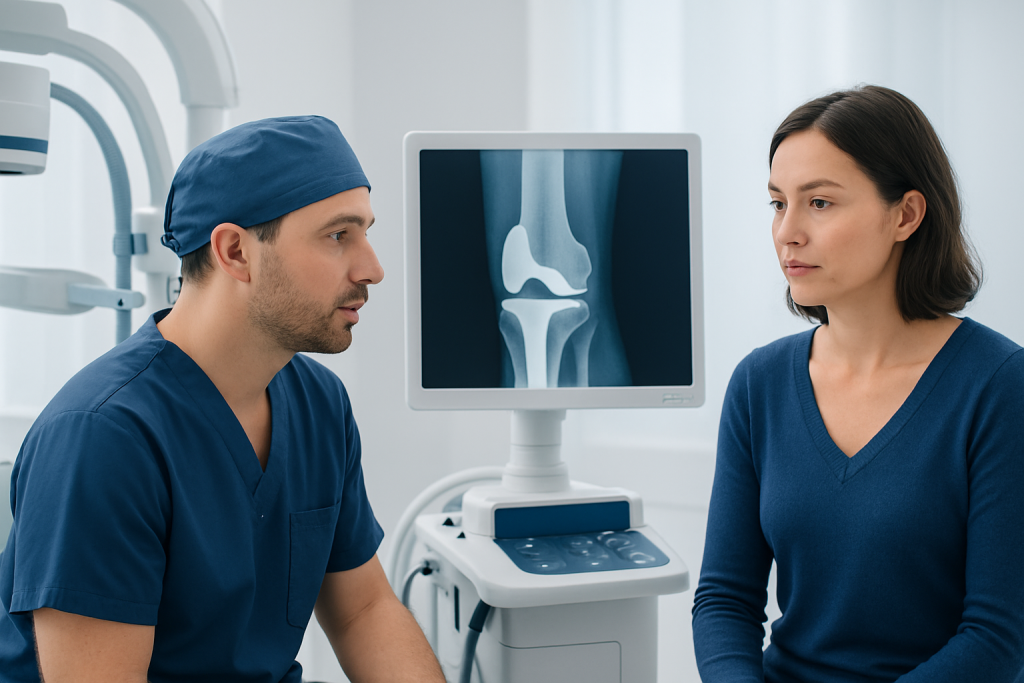
Symptoms after the first surgery should usually improve in a steady, recognizable way. When that does not happen, doctors look closely at whether the problem is temporary healing discomfort or a sign that something structural is wrong. Revision surgery may be considered if pain remains severe, function stays limited, or the operated area feels unstable.
Some warning signs suggest a mechanical or biological issue that is unlikely to resolve on its own. These can include loosening of an implant, recurrent dislocation, nonunion of a fracture, torn or stretched repair tissue, or signs of infection. In joint surgery, a patient may notice clicking, shifting, deformity, swelling that keeps returning, or a sense that the joint is no longer supported properly.
- Persistent pain that does not follow the expected recovery pattern
- Loss of function after an initial period of improvement
- Instability, slipping, or repeated giving-way
- Visible change in alignment or leg length after surgery
- Drainage, fever, redness, or other signs that raise concern for infection
These symptoms do not automatically mean a revision is needed, but they do deserve prompt medical review. A careful assessment helps separate normal postoperative recovery from a problem that is better treated sooner rather than later.
Causes & Risk Factors

Revision surgery is usually recommended because the original operation ran into a problem, not because the patient did anything wrong. Some causes are technical or biological: a bone may not heal, an implant may loosen, scar tissue may restrict movement, or an infection may disrupt recovery. In other cases, the original problem may have been more complex than first expected.
Risk factors vary by procedure, but certain patterns are common. Previous surgery at the same site, poor bone quality, smoking, uncontrolled diabetes, inflammatory arthritis, and infection history can all affect healing or durability. High-impact activity or traumatic injury after the first operation may also damage the repair.
Travel and timing can matter for international patients. A person who returns home soon after surgery may notice a change only once they are already far from the surgical team. That is one reason follow-up instructions, wound monitoring, and a clear plan for local evaluation are so important after discharge.
Not every issue is permanent. Some pain comes from stiffness, muscle weakness, or incomplete rehabilitation rather than a failed operation. Distinguishing those situations from true structural failure is a major part of deciding whether revision is appropriate.
How Doctors Decide Between Waiting and Revising
The decision starts with a detailed history: when symptoms began, whether they are getting better or worse, and what activities trigger them. A surgeon will also examine the area for tenderness, swelling, alignment changes, motion limits, and signs of instability. The pattern often gives the first clue about whether observation is reasonable.
Testing is then used to confirm the likely cause. X-rays are commonly the first step, but CT scans, MRI, ultrasound, or nuclear imaging may be added depending on the surgery and the suspected problem. If infection is a concern, blood tests and sometimes fluid sampling around the joint or implant may be needed.
Doctors often compare three paths: continue watching, try non-surgical treatment, or proceed with revision surgery. Waiting is more acceptable when symptoms are mild, improving, and not associated with structural failure. Surgery moves higher on the list when the problem is clearly mechanical, infection-related, or likely to become harder to fix with delay.
For patients seeking care across borders, this discussion may also include practical questions: whether the existing surgical records are available, whether images can be reviewed remotely, and whether recovery time can be supported in the destination country or at home. Good planning makes the decision safer and less stressful.
Treatment Options
Revision surgery is tailored to the exact problem. A loose implant may be replaced, a fracture that has not healed may need new fixation and bone support, and an unstable ligament repair may require reconstruction. If infection is present, treatment may involve removing hardware, cleaning the area thoroughly, and using antibiotics as part of a staged plan.
Sometimes the revision is more extensive than the first operation because the surgeon must work around scar tissue, previous implants, or weakened bone. That does not mean outcomes are poor; it simply means the anatomy has changed. Careful preoperative planning is important so the team can choose the right implants, tools, and surgical approach.
Non-surgical treatment still has a role in selected cases. Pain control, activity modification, bracing, physical therapy, and close monitoring may be appropriate when the problem is mild or when surgery would be higher risk than the current symptoms justify. In other words, “revision surgery” is a possibility, not a default answer.
Patients who are returning from another country often benefit from a clear written plan that explains what was done, what should be watched for, and when follow-up imaging or wound checks are needed. A coordinated approach helps the recovery continue smoothly after travel.
What Recovery Is Usually Like
Recovery after revision surgery often takes more individual planning than recovery after the first procedure. Tissue may be more sensitive because of scar formation, and rehabilitation may need to progress more slowly. The exact timeline depends on the site of surgery, the type of revision, and the patient’s overall health.
Many people need a period of protected weight-bearing, limited motion, or temporary support such as a brace, sling, or walker. Physical therapy is usually central to recovery, but exercises are selected carefully so they help healing rather than strain the repair. Follow-up visits matter because surgeons may want to check wound healing, alignment, and early function.
When travel is part of the story, recovery planning should happen before the return trip. Patients may need advice about walking, sitting for long flights, hydration, medication timing, and signs that should prompt urgent review. A smooth recovery is often less about “doing more” and more about pacing activities well.
Prevention & Self-care
Not every revision can be prevented, but good self-care reduces the chance that a fixable issue becomes a larger one. Following postoperative instructions, attending follow-up visits, and doing rehabilitation consistently can make a meaningful difference. If symptoms change, reporting them early is usually wiser than waiting for the next routine appointment.
General health also matters. Smoking cessation, diabetes control, balanced nutrition, and safe activity choices support wound healing and bone or soft-tissue recovery. People with chronic conditions should tell their surgeon about all medications, including blood thinners, supplements, and anti-inflammatory drugs, because these can affect healing or surgical planning.
- Protect the operated area as instructed, even if pain is improving
- Keep all imaging, discharge notes, and operative reports in a safe place
- Use physiotherapy as prescribed and avoid improvising exercises early on
- Watch for increasing pain, redness, drainage, fever, or instability
- Ask how to access follow-up care if you are traveling home
For international patients, it helps to think ahead about continuity. A local doctor, physiotherapist, or clinic at home may need to be briefed so the original recovery plan does not stop at the airport.
When to See a Doctor
Medical review is appropriate whenever recovery stops following the expected pattern. New or worsening pain, sudden swelling, loss of function, wound drainage, fever, or a joint that feels unstable should be assessed without delay. These symptoms do not always signal a serious complication, but they should not be ignored.
It is also sensible to seek a second opinion when the original explanation does not fully fit the symptoms. If a patient has been told to wait but the problem is getting worse, asking for imaging review or another orthopedic assessment can clarify whether revision surgery may offer a better path than continued observation.
People traveling for care should ask for a clear contact point before leaving the hospital. If revision surgery is being considered, Acibadem Health Point’s multidisciplinary specialists and JCI-accredited hospitals support international patients through diagnosis, treatment planning, and follow-up coordination.
Urgent medical attention is especially important if the surgical site becomes hot and increasingly red, if there is persistent drainage, if the patient cannot bear weight after doing so previously, or if symptoms suggest infection or implant failure. A prompt evaluation helps protect both function and safety.
Frequently asked questions
What is revision surgery in simple terms?
Revision surgery is a second operation done to fix a problem after an earlier surgery. It may replace a failed implant, repair a nonhealed area, treat infection, or improve stability and function. The exact plan depends on what went wrong and how severe the problem is.
How do doctors know if waiting is still reasonable?
They look at whether symptoms are improving, staying stable, or getting worse. If pain is mild, function is gradually returning, and tests do not show structural failure, observation or rehabilitation may be reasonable. If the problem is clearly mechanical or infectious, waiting may not be the best choice.
Is revision surgery always more difficult than the first operation?
It is often more complex because scar tissue, bone changes, or old hardware may be present. That does not mean it cannot be done safely or effectively. It simply requires careful planning and a tailored approach.
What tests are commonly used before a revision surgery decision?
Doctors often begin with an examination and X-rays. Depending on the suspected issue, they may add CT, MRI, ultrasound, blood tests, or fluid sampling around an implant or joint. These tests help identify whether the problem is loosening, nonunion, instability, or infection.
Can physical therapy fix a failed surgery?
Physical therapy can help if the main issue is stiffness, weakness, or slow rehabilitation. It is less likely to solve implant loosening, nonunion, or infection on its own. A surgeon or orthopedic specialist can help distinguish between recovery problems and a true surgical failure.
What should an international patient bring to a revision consultation?
It helps to bring operative reports, implant information if available, imaging scans, discharge summaries, medication lists, and a timeline of symptoms. These records make it easier for the new team to understand what was done and why the current problem may be happening.
References
- American Academy of Orthopaedic Surgeons
- Mayo Clinic
- National Institute of Arthritis and Musculoskeletal and Skin Diseases
- NHS
- MedlinePlus
This article is for general information only and is not a substitute for professional medical advice. Please consult a qualified doctor about your individual situation.
More from the Health Library

What Makes a Surgical Candidate in Real Life: Health Checks That Change the Plan

Can You Combine Multiple Procedures Safely? A Patient Planning Checklist

Recovery Planning for Medical Travel: How Long to Stay After Surgery
Related Specialists

Prof. Dr. Ahmet Demirkaya
Thoracic Surgery
Prof. Dr. Tugan Beşe
Gynecology & Obstetrics
Dr. Mehmet Can Şahin
Inpatient Clinic Physicians Clinical Service
Prof. Dr. Yunus Aydın
Neurosurgery