How Often Can You Donate Blood

Key Takeaways
- Donation frequency depends on whether the person gives whole blood, platelets, plasma, or double red cells.
- Local blood bank rules may be stricter than general recommendations, so donor center guidance should always be followed.
- Hydration, meals, and iron balance matter before and after donation, especially for regular donors.
- People with anemia, recent illness, pregnancy, certain medications, or medical conditions may need to wait or be deferred.
- If symptoms such as dizziness, fatigue, or shortness of breath occur after donating, medical advice should be sought.
Blood donation schedules vary by donation type, local regulations, and a person’s overall health. Understanding the usual intervals can help donors give safely while protecting their own iron levels and well-being.
Overview
Blood donation is a straightforward way to support patients who need transfusions for surgery, trauma, cancer care, childbirth complications, and many other situations. For many healthy adults, donating blood is safe when it is done at the right interval and under the rules of an accredited blood collection service.
The question of how often can you donate blood does not have one universal answer. The right timing depends on the type of donation, the donor’s age and weight, hemoglobin level, medical history, and the policies of the country or blood center. A person who donates whole blood may need a longer recovery interval than someone who donates plasma, while platelet donation often follows a different schedule again.
For someone considering donation before travel, after an illness, or while living abroad, it is especially helpful to check the local eligibility rules in advance. Donation centers generally screen donors carefully because protecting the donor is just as important as helping the recipient.
How Often Can You Donate Blood?
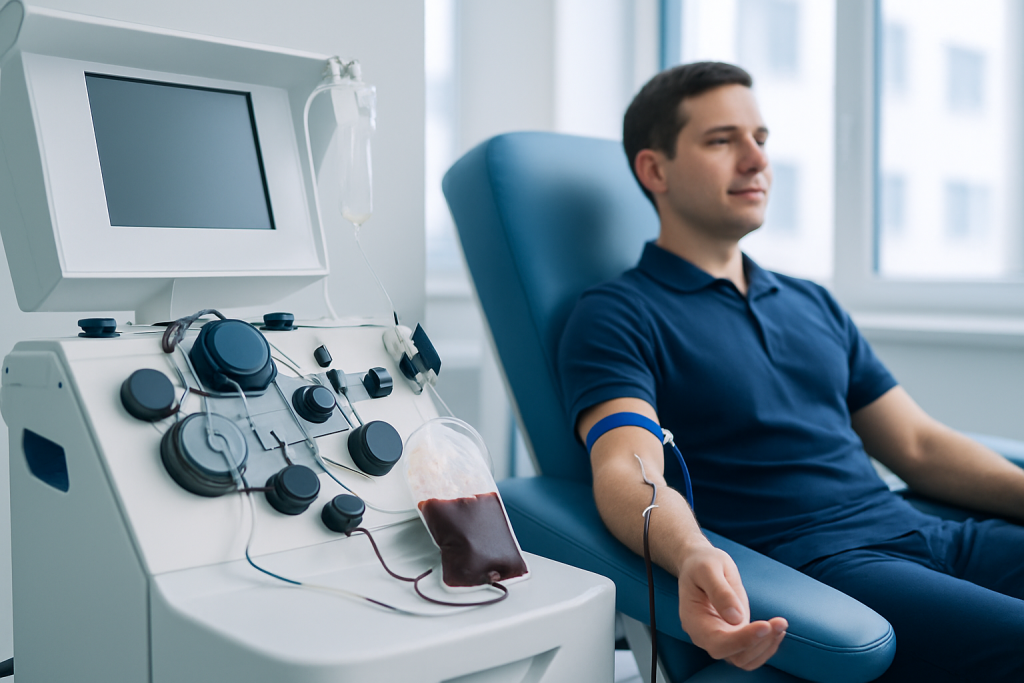
The most common donation type is whole blood, which includes red cells, plasma, and platelets together. Because red blood cells take time to rebuild, whole blood donations are spaced farther apart than some other donation types. In many systems, donors are asked to wait several weeks to a few months between whole blood donations, depending on local policy and individual health factors.
Plasma donation usually allows shorter intervals because plasma replenishes more quickly. Platelet donation is also often possible more frequently than whole blood, but the exact schedule may depend on the collection method and the donor’s blood counts. Double red cell donation removes more red cells in one session and therefore usually requires a longer waiting period afterward.
Rather than remembering one number, donors are better served by thinking in terms of the donation method and the center’s screening process. A blood bank team can explain what is allowed for a first-time donor, a frequent donor, or someone returning after time abroad, illness, or surgery.
- Whole blood: typically least frequent among common donation types
- Plasma: often can be donated more often
- Platelets: may be collected at shorter intervals in many programs
- Double red cells: usually requires a longer recovery gap
What Affects Donation Frequency

Several factors can change how often a person can donate safely. Hemoglobin or iron stores are especially important because repeated donation can reduce iron levels over time, even when a person feels well. For this reason, some donors are temporarily deferred if screening tests suggest low iron or anemia.
Recent infection, fever, vaccination, pregnancy, breastfeeding, or upcoming surgery may also affect timing. Certain medications, international travel, and exposure risks for specific infections can lead to a temporary pause as well. These rules are designed to protect both the donor and the person receiving the blood component.
Body weight, blood pressure, pulse, hydration status, and overall medical history all matter. A donor who had a smooth donation last month may still be asked to wait longer if there has been a new health issue or a change in medications. In practice, donation eligibility is reassessed each time rather than assumed from the last visit.
How Donation Centers Decide Eligibility
Before donating, most centers perform a brief health review and check vital signs and hemoglobin. The goal is to make sure the donor is well enough to give blood without unnecessary strain. If the donor recently traveled, the staff may ask about destination-specific infection risks or waiting periods.
Some people are surprised by how detailed the screening is, but that process is a normal part of safe blood collection. It may include questions about medical history, transfusions, tattoos or piercings, pregnancy status, and any symptoms such as fatigue or recent illness. If a donor is not eligible on a given day, that decision is usually temporary and may change later.
For international patients or expatriates, it is wise to bring identification and any relevant medical information, especially if care has been received in another country. Donation services may follow national rules that differ from those in the donor’s home system, so a center’s written guidance is often the most reliable source.
What to Expect During and After Donation
Donation is usually brief and well organized. After registration and screening, the actual blood collection often takes only a short time, though the entire visit may be longer. Most donors are asked to rest afterward, have a snack, and drink fluids before leaving.
After donating, mild tiredness or lightheadedness can happen, especially if the person has not eaten well or is dehydrated. These effects usually improve with rest, hydration, and avoiding strenuous activity for the rest of the day. Driving, exercise, hot environments, and alcohol are best approached cautiously until the person feels fully normal again.
Regular donors should pay attention to how they feel between visits. Ongoing fatigue, reduced exercise tolerance, or dizziness can be clues that iron stores need attention or that another health issue should be checked. Donation should never come at the expense of the donor’s own health.
Prevention & Self-care for Regular Donors
Good self-care makes donation easier and helps the body recover. Eating a balanced meal before donation, drinking enough water, and getting adequate rest are simple steps that can reduce the chance of feeling faint or weak afterward. After donation, continuing to hydrate and choosing nutritious meals supports recovery.
People who donate repeatedly may want to discuss iron intake with a clinician or blood bank team. Iron-rich foods such as lean meats, beans, lentils, leafy greens, and fortified cereals can help maintain stores, although diet alone may not be enough for everyone. Any decision about iron supplements should be individualized, because unnecessary supplementation is not always appropriate.
Helpful habits for donors include:
- Do not donate if feeling unwell, dehydrated, or unusually tired
- Follow the center’s waiting interval exactly, even if prior donations were easy
- Report new medications, travel, or recent procedures at each visit
- Monitor for symptoms of low iron, such as fatigue or pale skin
- Seek medical guidance if repeated donations are planned over time
When to See a Doctor
Most healthy donors recover quickly, but medical advice is appropriate if symptoms are more than mild or do not improve. A doctor should be consulted if there is persistent dizziness, shortness of breath, chest discomfort, fainting, or ongoing fatigue after donation. These symptoms are not typical of a simple, routine recovery.
It is also sensible to speak with a healthcare professional before donating if there is a history of anemia, a bleeding disorder, heart disease, Kidney Disease Treatment" class="ahp-ilk">kidney disease, pregnancy, recent surgery, or a chronic condition that affects blood counts. People who have been deferred from donation more than once may need a clearer explanation of the reason and a plan for when reassessment is appropriate.
For those traveling for treatment or donation-related care, a clinician can help coordinate timing safely across countries and appointments. Acibadem Health Point’s multidisciplinary specialists and JCI-accredited hospitals diagnose and treat a wide range of conditions for international patients, including situations where blood testing or transfusion planning is needed.
A Practical Way to Think About Donation Timing
The safest answer to how often a person can donate blood is the one that matches the specific donation type and current screening results. A healthy donor may be eligible more often for some components than others, but the body still needs time to restore what was given.
For most people, the best approach is to view blood donation as a planned health action rather than an ad hoc decision. Checking eligibility ahead of time, following the center’s interval rules, and paying attention to personal energy and iron status make donation more sustainable over the long term.
When in doubt, the donor center or a qualified clinician should be the final guide. Their job is not only to accept donations, but also to make sure every donation is appropriate for that person’s health today.
Frequently asked questions
How often can you donate blood if you are healthy?
The interval depends on the type of donation and the rules of the blood center. Whole blood is usually spaced farther apart than plasma or platelet donation, and each time the donor is screened again before giving blood.
Can someone donate blood if they feel tired?
It is usually better to wait if tiredness is unusual or unexplained. Fatigue can sometimes signal low iron, recent illness, dehydration, or another condition that should be reviewed before donation.
Why are there different waiting times for whole blood and plasma?
Whole blood donation removes red cells along with plasma and platelets, so recovery takes longer. Plasma is replaced more quickly, which is why some plasma donation programs allow shorter intervals.
Does donating blood too often cause anemia?
Frequent donation can contribute to low iron stores and, in some cases, anemia, especially if iron intake is not adequate. Donation centers screen for hemoglobin problems to reduce this risk.
Can I donate blood after traveling abroad?
Sometimes yes, but it depends on where the person traveled and whether there are temporary deferral rules for certain infections. The donor center will usually ask about travel history before approving donation.
What should a person do after donating blood?
Rest briefly, drink fluids, and eat a light snack before leaving. It is also sensible to avoid heavy exercise or strenuous work for the rest of the day and to seek advice if symptoms do not settle.
References
- World Health Organization
- American Red Cross
- NHS Blood and Transplant
- Centers for Disease Control and Prevention
This article is for general information only and is not a substitute for professional medical advice. Please consult a qualified doctor about your individual situation.