How to Prepare for a Medical Screening Visit Abroad: Fasting, Medications, and Timing Pitfalls

Key Takeaways
- Pre-test instructions matter because eating, drinking, or taking certain medicines can change screening results.
- Regular medications should usually be reviewed in advance rather than stopped on the day of the visit.
- Timing matters for flights, jet lag, menstrual cycle-related tests, and repeat appointments.
- A written checklist helps international patients avoid missed tests, delays, and unnecessary rescheduling.
- Any unusual symptoms, pregnancy possibility, or chronic condition should be shared before the appointment.
A medical screening visit abroad can be efficient and reassuring when it is planned carefully. The main challenges are often practical: fasting correctly, handling regular medicines, and timing travel so test results are reliable and follow-up is straightforward.
Overview
A screening visit abroad is often chosen for convenience, access to a wider range of tests, or the reassurance of a coordinated check-up in one place. The experience can be very smooth when the patient understands what the clinic expects before arrival, because many screening tests depend on simple but important preparation.
The most common mistakes are not dramatic. They are usually small timing issues: taking a morning medicine that should have been paused, eating before blood work, arriving after a long overnight flight, or assuming every test follows the same rules. A clear plan helps the appointment stay focused on health, not on avoidable delays.
For international patients, preparation begins before the journey, not at the clinic door. The safest approach is to request written instructions for every planned test and to review them with a qualified clinician if anything is unclear.
Why preparation changes the results
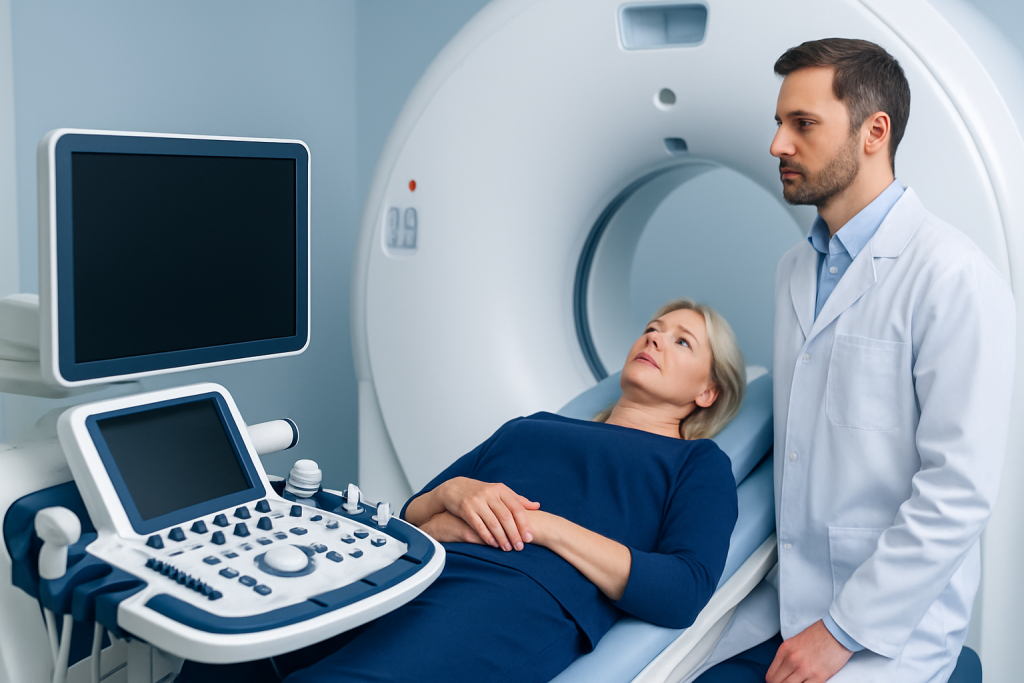
Many screening tests are designed to measure the body in a fairly controlled state. Food can raise blood sugar and affect some cholesterol measurements. Caffeine, alcohol, dehydration, and heavy exercise may also influence results or make certain samples harder to interpret.
Some medicines can affect the numbers seen on blood tests, blood pressure checks, heart rhythm recordings, imaging studies, or stool and urine testing. In some cases, a doctor may advise continuing a regular medicine; in others, they may suggest temporary adjustment. The right answer depends on the test and the reason the medication is being taken.
Preparation is therefore not about following one universal rule. It is about matching the instructions to the planned screening package, the person’s medical history, and the timing of the visit.
Fasting: what it usually means in practice

Fasting instructions are common before screening blood tests and some imaging studies. In many cases, fasting means avoiding all food for a set period before the sample is taken, while still allowing small sips of water if the clinic says this is acceptable.
People sometimes assume fasting is only about breakfast, but it can also affect scheduling. A late-night arrival, an early-morning blood draw, or a long transfer from the airport can make it difficult to follow the instructions precisely. If the travel plan is tight, the visit may need to be arranged for a later time or the next day.
It is also worth checking what counts as breaking a fast. Coffee with milk, juice, chewing gum, and some nutritional drinks may not be allowed before specific tests. The safest approach is to follow the clinic’s written guidance rather than guessing.
- Confirm the fasting length before traveling.
- Ask whether plain water is allowed.
- Check whether morning medicines should be taken with food or held.
- Plan the appointment around arrival, sleep, and hydration.
Medications, supplements, and what to mention before the visit
Regular medicines are a frequent source of confusion for international screening patients. Some medicines should not be stopped suddenly, especially those used for blood pressure, diabetes, heart rhythm, seizures, thyroid disease, or mental health. Others, including some supplements and over-the-counter products, may need to be paused if they could interfere with a specific test.
A full medication list is more useful than a short summary. The clinic should know prescription medicines, inhalers, injections, vitamins, herbal remedies, pain relievers, sleep aids, and any recent antibiotics or steroids. If the patient uses blood thinners, insulin, or glucose-lowering medicine, this should be discussed in advance because timing and fasting can matter.
It is also important to mention allergies, pregnancy possibility, kidney problems, pacemakers, implanted devices, and previous reactions to contrast dye or sedation. These details help the screening team choose the safest test sequence and avoid last-minute changes.
If the patient is uncertain whether a medicine should be taken on the morning of the visit, the best step is to ask the clinic before traveling. Advice can differ depending on the test plan, so a general internet rule is not enough.
Timing pitfalls that can derail a screening trip
Timing is often the hidden challenge in a medical screening visit abroad. A person may arrive tired from travel, dehydrated from the flight, or still adjusting to a new time zone. These factors can affect blood pressure, blood sugar, sleep-related symptoms, and overall comfort during the appointment.
Appointments that rely on body rhythm can be especially sensitive to timing. Menstrual cycle-related tests, hormone blood work, certain imaging studies, and repeat measurements may need specific days or intervals. If the patient’s schedule changes unexpectedly, the clinic may need to adjust the plan rather than proceed immediately.
Another common issue is leaving too little time for results review. Some screening packages include same-day discussion, while others require additional analysis or follow-up imaging. International travelers should ask whether there will be one visit or several, and whether results can be reviewed virtually after leaving the country.
- Arrive with time to rest after the flight, if possible.
- Build in flexibility for repeat tests or specialist review.
- Ask how long the entire screening pathway is expected to take.
- Plan for local transport, meals, and rest between appointments.
How the screening day is usually organised
A well-planned screening visit often starts with registration, consent forms, and a review of symptoms, medicines, and medical history. After that, the patient may move through blood tests, urine tests, measurements, imaging, or specialist consultation in a coordinated sequence.
The practical details matter. Wearing comfortable clothing, bringing identification, carrying previous reports, and keeping a written list of questions can make the process much easier. For some tests, such as ultrasound or physical examination, clothing that is easy to remove or adjust is helpful. For others, such as MRI, the patient may need to remove metal items and mention any implanted devices.
International patients should also keep copies of prior scans, pathology reports, vaccination records, and recent prescriptions. These documents help the clinical team compare old and new information, which can be especially valuable when screening is happening far from home.
Prevention and self-care before travel
Good preparation starts a few days before departure. Staying hydrated, eating normally unless instructed otherwise, and keeping sleep as regular as possible can all make screening easier. If the visit includes multiple tests, a written itinerary helps the patient know what to do each day and when fasting begins.
It is sensible to avoid heavy alcohol intake and unusually intense exercise immediately before screening unless the clinic has said this is fine. Both can influence results or increase fatigue. If the patient becomes unwell with fever, vomiting, diarrhoea, or a new infection, the clinic should be informed because the appointment may need to be rescheduled for a more reliable assessment.
Some patients find it helpful to prepare a small travel pack with water, snacks for after fasting, prescription medicines in original packaging, copies of reports, and a list of emergency contacts. This does not replace medical advice, but it reduces stress and makes the visit more manageable.
When screening is planned in another country, recovery and follow-up should also be considered. The patient may need time for rest, additional appointments, or review of results after returning home. If that is likely, arranging clear communication with the clinic before the trip can prevent confusion later.
When to contact a doctor or the clinic
The clinic should be contacted before travel if the patient is unsure about fasting, medicine timing, pregnancy-related precautions, contrast allergy risk, or whether the planned test is appropriate during a current illness. Small questions are worth asking early, because they are easier to solve before the appointment than on the day of testing.
Medical advice is especially important for people with diabetes, epilepsy, heart disease, bleeding disorders, kidney disease, or a history of fainting with blood tests. These conditions do not usually prevent screening, but they may change how the visit is organised.
After the screening, the patient should ask how and when results will be shared and what symptoms would require prompt attention. If follow-up is needed, having a clear plan for review across borders is part of good care. Acibadem Health Point’s multidisciplinary specialists and JCI-accredited hospitals diagnose and treat a wide range of conditions for international patients, and that kind of coordinated approach can be helpful when screening leads to further evaluation.
A practical closing note for international patients
A medical screening visit abroad works best when the patient treats it like a coordinated process rather than a single appointment. The key questions are simple: What must be fasted? Which medicines should be taken or delayed? How much time is needed before and after travel?
With those answers in hand, screening becomes more predictable and less stressful. The result is not just a set of tests, but a more useful health review that can support safe decisions at home and abroad.
If any instruction seems unclear, the safest choice is to ask for clarification in writing before the trip. That small step often saves time, avoids repeat testing, and helps the screening visit deliver the information it was meant to provide.
Frequently asked questions
Should medicines be stopped before a screening visit abroad?
Not automatically. Some medicines should be continued, while others may need timing changes or temporary adjustment depending on the test. The safest step is to share a complete medication list with the clinic and ask for written instructions before traveling.
Can water be taken during fasting?
Often, small sips of plain water are allowed, but this depends on the test. Some imaging studies and blood tests have specific instructions, so the clinic’s guidance should always be followed rather than assuming water is fine.
What if the patient arrives after a long flight and feels unwell?
Travel fatigue, dehydration, and jet lag can affect how comfortable and reliable the screening visit is. If symptoms are significant, the clinic should be informed because the appointment may need to be adjusted or postponed briefly.
Why is a full supplement list important?
Vitamins, herbal products, and over-the-counter remedies can affect some test results or interact with medicines. A complete list helps the medical team interpret results correctly and choose the safest screening plan.
Are there tests that depend on the menstrual cycle?
Yes, some hormone-related tests and imaging studies are timed to specific days of the cycle. If this may apply, the clinic should know the menstrual timing in advance so the appointment can be scheduled correctly.
What documents should be brought to a screening visit abroad?
Previous test results, medication lists, allergy information, identification, and any relevant specialist letters are useful. These records help the team compare old and new information and avoid unnecessary duplication.
References
- World Health Organization
- National Health Service
- Mayo Clinic
- Centers for Disease Control and Prevention
This article is for general information only and is not a substitute for professional medical advice. Please consult a qualified doctor about your individual situation.
More from the Health Library

Health Screening for Men Over 40: The Tests That Often Become More Relevant

Otoplasty for Adults: When Ear Surgery Is About Proportion, Not Attention