

How Long Results Last: What Affects the Durability of Cosmetic Procedures

Key Takeaways
- Different cosmetic procedures last for very different lengths of time, from temporary to long-term results.
- Skin quality, age, lifestyle, and sun exposure can all influence how durable results appear over time.
- Healing, aftercare, and maintenance treatments often matter as much as the procedure itself.
- A qualified specialist can help match expectations with the most suitable treatment and follow-up plan.
- Patients traveling for care should plan for recovery time and follow-up needs before returning home.
Medically reviewed by the Acıbadem clinical team — June 13, 2026
The longevity of cosmetic procedure results depends on the treatment itself, the body’s healing process, and day-to-day habits afterward. Understanding what influences durability helps patients plan realistic expectations and choose maintenance that fits their goals.
Overview
People often ask a deceptively simple question before choosing a cosmetic treatment: how long will the results last? The honest answer is that durability depends on more than the procedure name. It is shaped by the treatment technique, the area treated, the body’s healing response, and the way a person cares for the result afterward.
Some cosmetic procedures are designed to be temporary and adjustable, while others aim for longer-lasting structural change. Even when a result is considered “long-term,” it is not usually identical to a permanent fix. Normal aging continues, and the appearance of the treated area may gradually change over time.
For patients planning treatment in another country, longevity is also a practical question. A person may need time for swelling to settle, for final results to become visible, and for follow-up visits or remote check-ins after travel. Thinking about durability from the beginning helps shape a realistic and comfortable treatment plan.
Symptoms
This topic does not have “symptoms” in the usual medical sense, but there are common signs that a cosmetic result is settling in as expected. In the first days or weeks, temporary swelling, bruising, tightness, or mild asymmetry can appear before the final outcome becomes clearer. These early changes do not necessarily mean the result will not last.
People may notice the result fading gradually rather than disappearing all at once. For example, a smoother skin texture may slowly return toward baseline, or a fuller appearance may soften over several months. In other cases, the body may heal in a way that affects the final look, such as scar formation, uneven volume, or texture changes.
It is useful to watch for warning signs that do deserve medical review: increasing pain, redness, warmth, drainage, skin color changes, or sudden distortion of the treated area. These are not typical signs of simple “wearing off” and should be assessed by a clinician.
Causes & Risk Factors

Durability varies because cosmetic procedures work in different ways. Injectable treatments may be broken down naturally by the body over time, while energy-based treatments depend on collagen remodeling and skin response. Surgical procedures can provide more durable structural change, but they are still influenced by aging, weight changes, and tissue healing.
Several factors can shorten or alter how long results remain noticeable:
- Natural aging and changes in skin elasticity
- Sun exposure and inconsistent sun protection
- Smoking and nicotine use
- Major weight gain or weight loss
- High levels of facial movement or repeated mechanical stress in the treated area
- Poor sleep, stress, and overall health that may affect healing
- Underlying skin conditions or scar-prone healing patterns
The individual treatment plan matters too. The same procedure can last differently depending on the product used, the skill and technique of the practitioner, and whether the patient needed touch-up sessions to maintain the effect. International patients should also consider whether their home schedule allows for follow-up appointments if maintenance is expected.
Diagnosis
There is no single test for deciding how long a cosmetic result will last. Instead, durability is assessed through a consultation that includes the patient’s goals, medical history, skin quality, and the specific procedure under consideration. A qualified specialist will look at the area to be treated, the degree of aging or volume loss, and the patient’s expectations for maintenance.
In some cases, photos, facial analysis, or measurements may be used to create a baseline. This helps the clinician and patient compare the result over time and decide when a touch-up or second-phase treatment might be useful. For surgical procedures, the assessment may also include healing factors such as skin thickness, tissue laxity, and prior treatments in the same area.
Good planning is especially important for patients traveling for cosmetic care. The consultation should clarify what the result may look like immediately after treatment, when the final result is expected, and what follow-up is recommended after returning home. This makes the timeline much more predictable and easier to manage.
Treatment Options
Because the question is about durability, treatment choice is central. Shorter-lasting options can be useful for patients who want flexibility or are trying a look for the first time. Longer-lasting procedures may suit people who want a more durable change and are comfortable with a larger upfront commitment and recovery period.
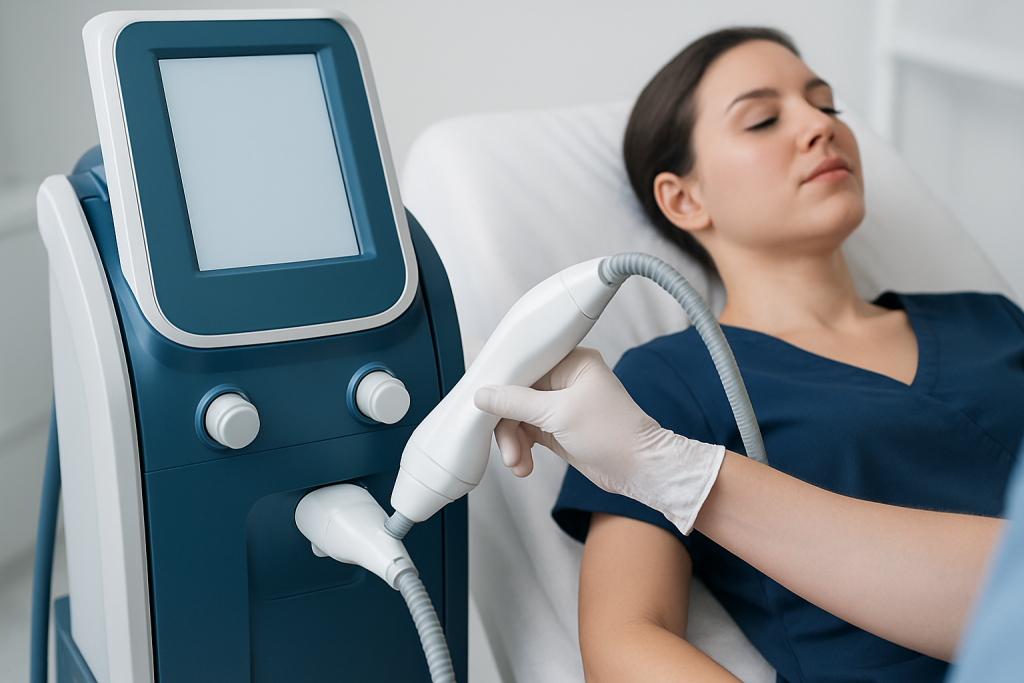
Common examples include injectables, skin-resurfacing treatments, energy-based devices, fat-reduction procedures, and surgical approaches such as facelifts, eyelid surgery, body contouring, or rhinoplasty. Each category has a different timeline for visible improvement and different expectations for maintenance. For instance, some injectable treatments may need periodic repetition, while surgical reshaping may last for years but still change as the body ages.
The best plan is not always the one with the longest theoretical lifespan. It is the one that matches the patient’s anatomy, lifestyle, tolerance for downtime, and comfort with maintenance. In many cases, combining procedures or pairing treatment with a skin-care routine can improve the appearance and help results stay more consistent over time.
When patients receive care abroad, continuity matters. Written aftercare instructions, a clear contact point for questions, and a plan for local follow-up are all part of protecting the result. Acibadem Health Point’s multidisciplinary specialists and JCI-accredited hospitals diagnose and treat cosmetic concerns for international patients, helping coordinate care before travel, during recovery, and after return home.
Prevention & Self-care
Patients cannot stop time, but they can support the outcome in practical ways. The everyday habits that protect skin and general health often have a measurable impact on how polished a cosmetic result looks months later. Small, consistent steps tend to matter more than dramatic short-term measures.
Helpful self-care often includes:
- Using broad-spectrum sunscreen regularly
- Avoiding smoking and minimizing nicotine exposure
- Staying hydrated and maintaining balanced nutrition
- Following the provider’s instructions for cleansing, activity, and wound care
- Protecting treated areas from trauma, heat, or excessive pressure during healing
- Keeping follow-up appointments or photo reviews when recommended
Patients who travel for treatment may need to plan these habits in advance. That can mean packing recommended skin-care products, understanding when exercise or flying is safe, and arranging a local clinician if the procedure requires ongoing monitoring. A good self-care plan is less about perfection and more about protecting the investment in the result.
When to See a Doctor
A cosmetic result that changes gradually over time is often part of normal aging or expected product wear-off. However, a doctor should evaluate sudden or troubling changes, especially if they involve pain, asymmetry, skin color change, firmness, or signs of infection. It is also wise to seek review if the result is not matching the expected timeline discussed during consultation.
Patients should contact their clinician if they notice swelling that worsens instead of improving, any new drainage, persistent numbness, or a shape change that feels abrupt rather than gradual. These issues may be manageable, but they should not be ignored. Early review can often prevent a small problem from becoming a larger one.
For people returning to another country after cosmetic care, it is helpful to know exactly who will answer questions after discharge and which symptoms require urgent attention. Clear communication reduces anxiety and makes recovery more predictable, especially when follow-up happens across borders and time zones.
Frequently asked questions
Do cosmetic procedure results ever last forever?
Most cosmetic procedures are not truly permanent because the body continues to age and tissues continue to change. Some treatments offer long-lasting structural improvement, but maintenance or future touch-ups may still be needed. A specialist can explain whether a result is temporary, semi-permanent, or longer-term.
Why do some people keep results longer than others?
Longevity depends on skin quality, age, genetics, sun exposure, smoking, healing patterns, and lifestyle habits. The exact technique and the type of product or procedure also matter. Two people can have the same treatment and experience different timelines.
Is a longer-lasting procedure always better?
Not necessarily. A shorter-lasting treatment may be preferable for someone who wants flexibility or is still deciding on a long-term change. The best option depends on goals, anatomy, and comfort with recovery and maintenance.
How soon will the final result be visible?
That depends on the procedure. Some treatments settle in days, while others take weeks or months as swelling decreases and tissues remodel. The clinician should explain when to expect the earliest result and when the final outcome is likely to appear.
Can lifestyle changes really affect cosmetic results?
Yes. Sun protection, healthy nutrition, avoiding smoking, and following aftercare instructions can all help preserve the appearance of a result. These habits do not stop aging, but they can support a more stable and pleasing outcome.
What should international patients ask before traveling for cosmetic care?
They should ask how long recovery takes, whether follow-up visits are needed, what complications to watch for, and how communication will work after they return home. It is also important to know when the final result is expected so travel plans do not interrupt recovery.
References
- American Society of Plastic Surgeons
- American Academy of Dermatology
- U.S. Food and Drug Administration
- Mayo Clinic
- International Society of Aesthetic Plastic Surgery
This article is for general information only and is not a substitute for professional medical advice. Please consult a qualified doctor about your individual situation.
More from the Health Library

How Long to Stay Abroad After Cosmetic Surgery: A Procedure-by-Procedure Guide

How Long Should You Stay in Turkey After Cosmetic Surgery? A Procedure-by-Procedure Timeline

How Long Do You Need in Turkey After Cosmetic Surgery? A Procedure-by-Procedure Planning Guide
Related Specialists

Dr. Serkan Tokgönül
Aesthetic Plastic & Reconstructive Surgery
Dr. Ömercan Yağız Öksüz
Aesthetic Plastic & Reconstructive Surgery
Prof. Dr. Mehmet Veli Karaaltın
Aesthetic Plastic & Reconstructive Surgery
Dr. Nezail Demirciler
Plastic, Reconstructive and Aesthetic Surgery