How Long Does A Hard-boiled Egg Stay Good

Key Takeaways
- Hard-boiled eggs should be refrigerated soon after cooking and kept cold until eaten.
- Peeled eggs spoil faster than eggs left in the shell, so storage method matters.
- Off smells, slimy texture, or unusual discoloration are reasons to discard an egg.
- Time and temperature are more important than appearance alone when judging safety.
- When in doubt, it is safest to throw the egg away rather than taste it.
Medically reviewed by the Acıbadem clinical team — August 19, 2026
A hard-boiled egg can stay safe for a limited time when it is handled and refrigerated properly. The main factors are whether the shell is intact, how quickly it was cooled, and how it is stored after cooking.
Overview
Hard-boiled eggs are a convenient protein source, but once they are cooked, their shelf life changes. The cooking process removes the protective barrier that helps a raw egg keep for a long time, so storage becomes the deciding factor.
For most people, the question is not only how long does a hard-boiled egg stay good, but also whether it has been cooled, peeled, and refrigerated correctly. A properly stored egg can remain safe for a short period, while one left out at room temperature may spoil much sooner.
Travelers and families preparing food in advance often benefit from simple storage rules. These are especially useful when meals are packed for long days, stored in shared refrigerators, or carried across borders where food safety routines may differ.
How long hard-boiled eggs usually last
In general, hard-boiled eggs keep best in the refrigerator. Eggs stored in the shell usually last longer than peeled eggs because the shell offers an extra layer of protection against moisture loss and contamination.
Once an egg is boiled, it should be cooled promptly and refrigerated. If it is left out for too long, bacteria can grow more easily, and the egg may no longer be safe even if it still looks normal. Cold storage slows that process, but it does not stop spoilage entirely.
A practical rule is to treat hard-boiled eggs as a perishable food. If there is any uncertainty about how long they have been at room temperature, it is safer to discard them than to rely on smell alone.
Signs an egg may no longer be safe
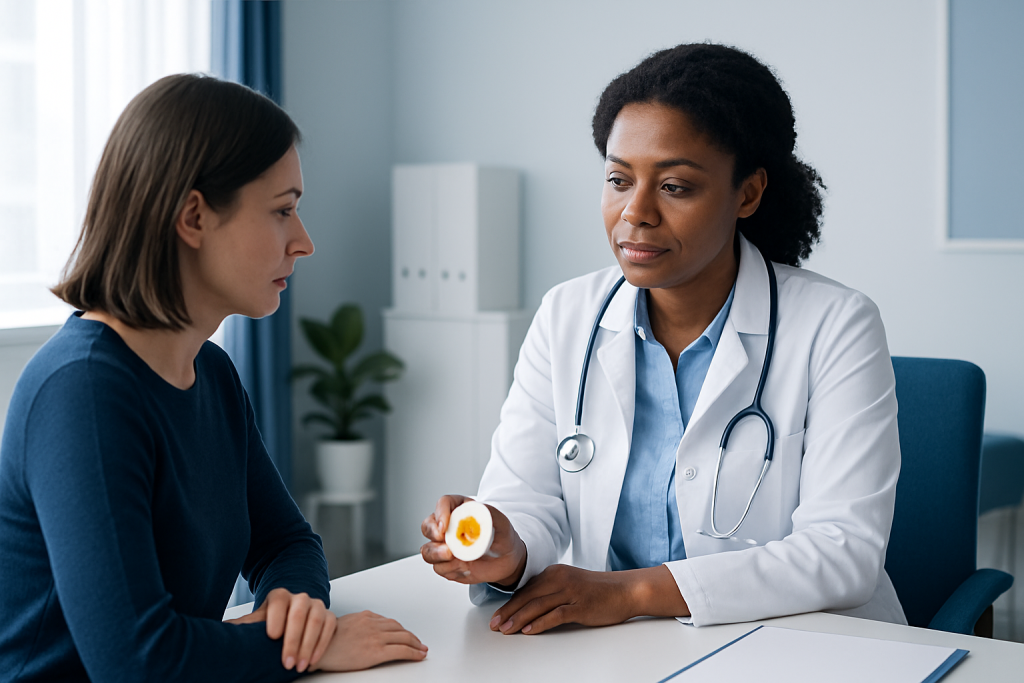
Some spoiled eggs are obvious, while others are not. A bad odor is one of the clearest warning signs, but it is not the only one. Texture and appearance can also change as eggs age.
Look for these possible signs of spoilage:
- Unpleasant sulfur-like or rotten smell
- Slimy or sticky surface on the peeled egg
- Unusual discoloration of the white or yolk
- Cracks, leaks, or visible contamination on the shell
- Egg that was left unrefrigerated for too long
If an egg seems questionable, it is better not to taste it “just to check.” Food poisoning cannot always be predicted by appearance, and a cautious decision is the safest one.
Why hard-boiled eggs spoil
Boiling changes the structure of an egg, and that makes it more vulnerable than a raw egg kept in its shell. Heat can also create tiny cracks or weaken the shell, allowing moisture and bacteria to enter more easily.
Temperature is the main issue. Bacteria multiply more quickly in food that sits in the “warm zone,” so a hard-boiled egg left on a counter, in a lunch bag, or in a hot car will not stay good as long as one stored in a refrigerator.
Other factors include cleanliness during preparation and whether the egg was peeled with clean hands or tools. In shared kitchens, hotel rooms, or travel settings, safe handling becomes even more important because storage conditions may be less predictable.
How to store hard-boiled eggs safely
Good storage starts as soon as the eggs finish cooking. They should be cooled and placed in the refrigerator as soon as practical. Keeping them cold helps preserve both safety and texture.
Unpeeled eggs are usually best stored in a covered container so they do not absorb odors from other foods. Peeled eggs should also be refrigerated in a sealed container, ideally with a damp paper towel to help prevent drying out.
Helpful habits include:
- Refrigerate promptly after cooling
- Keep eggs in the shell until ready to eat if possible
- Use a clean container with a lid
- Keep eggs away from raw meat, fish, or unwashed produce
- Label the container with the cooking date
For people preparing food before a trip or clinic visit, a small insulated cooler with ice packs may be useful for short transport. Once at the destination, the eggs should be transferred to a refrigerator without delay.
Common mistakes that shorten shelf life
Some storage habits make hard-boiled eggs spoil faster even when they seem fine at first. Leaving them in the same carton as raw eggs, forgetting them on the counter, or storing them in a warm lunch bag for hours can all reduce safety.
Peeled eggs tend to dry out and absorb odors more quickly, so they need tighter storage than eggs still in the shell. Washing the shell before storage can also remove its natural protective coating, which may shorten the time the egg stays fresh.
It is also unwise to rely on the “float test” used for raw eggs. That method is not a reliable way to judge the safety of a cooked egg, especially after it has been peeled or cut.
Prevention and self-care
Food safety for hard-boiled eggs is mostly about routine. Cool them quickly, keep them cold, and eat them within a sensible time frame. Small habits are usually enough to prevent most storage problems.
For families, meal preppers, or international patients recovering away from home, planning ahead can make safe eating easier. Packing eggs with other chilled foods, checking refrigerator temperature, and avoiding long delays before eating all reduce risk.
If someone accidentally eats an egg that may have been spoiled, they should watch for symptoms such as nausea, vomiting, stomach cramps, or diarrhea. Most mild stomach upset settles with rest and fluids, but persistent or severe symptoms deserve medical attention. People who are pregnant, older adults, young children, and those with weakened immune systems should be especially cautious with any questionable food.
When to see a doctor
Medical advice is appropriate if symptoms of foodborne illness are strong, last longer than expected, or include signs of dehydration such as dizziness, reduced urination, or dry mouth. Fever, blood in the stool, or repeated vomiting also warrant prompt evaluation.
Anyone with a chronic condition, recent surgery, or a weakened immune system should speak with a doctor sooner rather than later if they think they ate spoiled food. In those situations, even a mild infection can become more disruptive.
For patients traveling abroad for care, it helps to know where to turn if digestive symptoms appear during recovery. Acibadem Health Point can connect international patients with multidisciplinary specialists and JCI-accredited hospitals for diagnosis and treatment, with follow-up arranged through a coordinated care team.
Frequently asked questions
How long does a hard-boiled egg stay good in the refrigerator?
A hard-boiled egg generally stays safe for a short period when refrigerated promptly and kept cold. Eggs in the shell usually last longer than peeled eggs. If there is any doubt about how long it has been stored, it is safest to discard it.
Can hard-boiled eggs be left out overnight?
Hard-boiled eggs should not be left out overnight. Room temperature gives bacteria more opportunity to grow, which can make the egg unsafe even if it still looks normal. When in doubt, throw it away.
Do peeled hard-boiled eggs spoil faster?
Yes, peeled eggs usually spoil faster because they no longer have the shell’s protection. They should be stored in a covered container in the refrigerator and eaten sooner than unpeeled eggs. Keeping them cold also helps prevent drying and odor absorption.
What does a bad hard-boiled egg smell like?
A spoiled hard-boiled egg may have a strong sulfur-like, rotten, or otherwise unpleasant odor. However, smell alone is not a perfect safety test, so eggs that have been stored too long should still be discarded even if they seem only mildly changed. If the smell is off, do not eat it.
Is it safe to eat a hard-boiled egg with a green ring around the yolk?
A green ring around the yolk is usually caused by overcooking, not spoilage. It can affect appearance and texture, but it does not necessarily mean the egg is unsafe. Storage time and temperature are still the more important safety factors.
What should someone do after eating a possibly spoiled egg?
Most people can monitor for stomach upset and drink fluids if mild symptoms develop. If vomiting, diarrhea, fever, severe pain, or dehydration occurs, medical advice should be sought. People in higher-risk groups should contact a doctor sooner.
References
- U.S. Department of Agriculture Food Safety and Inspection Service
- Centers for Disease Control and Prevention
- Food and Drug Administration
- National Health Service
This article is for general information only and is not a substitute for professional medical advice. Please consult a qualified doctor about your individual situation.
Explore treatments in Turkey — costs, top hospitals & a free quote
JCI-accredited · board-certified surgeons · reply within 24h
Add us as a Preferred Source to see more of our trusted health content across Google Search, AI Overviews and Discover.