How Do You Last Longer In Bed

Key Takeaways
- Early ejaculation is common and often manageable with a combination of techniques and medical support.
- Stress, performance pressure, relationship factors, and certain health conditions can affect control during sex.
- Behavioral methods, pelvic floor exercises, and lifestyle changes may help some men improve timing.
- A doctor can check for underlying causes and discuss treatment options if symptoms are persistent or distressing.
- Sexual concerns are medical concerns too, and discussing them early can make treatment simpler.
Medically reviewed by the Acıbadem clinical team — August 19, 2026
Questions about lasting longer in bed are common, and the answer is usually practical rather than mysterious. In many cases, timing can improve with a better understanding of triggers, simple behavioral techniques, and, when needed, medical evaluation and treatment.
Overview
When someone asks how to last longer in bed, the question usually reflects more than timing alone. It may involve worry about finishing too soon, difficulty relaxing, or frustration that intimacy feels rushed instead of shared.
From a medical point of view, this concern often overlaps with premature ejaculation, which is one of the most common male sexual concerns. It can happen occasionally or become frequent enough to affect confidence, relationships, and overall well-being.
The encouraging part is that there are many ways to improve the situation. Some men benefit from learning specific techniques, some need treatment for an underlying issue, and others improve when anxiety, stress, or communication patterns are addressed with care.
Symptoms
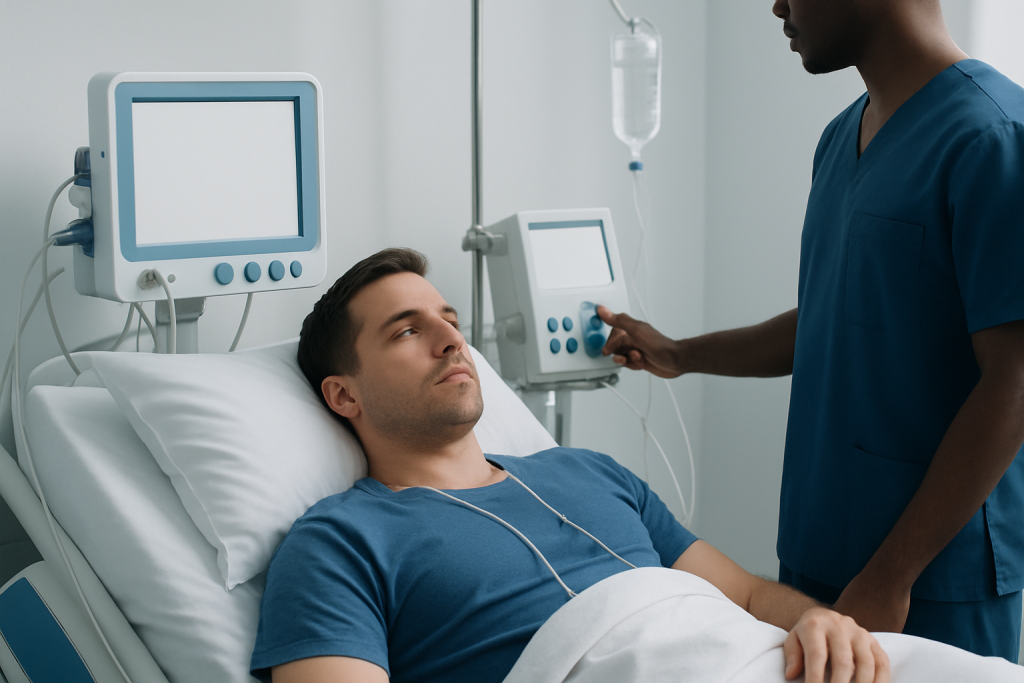
The main sign is ejaculation happening sooner than desired, especially when it repeatedly interferes with satisfaction. For some men, this means climax occurs very soon after penetration; for others, it means they lose control earlier than they would like, even if the timing varies from one occasion to another.
It is also common to feel embarrassment, pressure to “perform,” or avoidance of sex because of fear that the problem will happen again. These emotional reactions can become part of the cycle and make control more difficult.
- Feeling unable to delay ejaculation consistently
- Reduced sexual satisfaction for one or both partners
- Stress, self-consciousness, or frustration before sex
- Concern that the issue is becoming more frequent
Timing alone does not tell the whole story. A doctor usually looks at whether the concern is lifelong or newly developed, how often it occurs, and whether it is linked to pain, erection difficulties, or other symptoms.
Causes & Risk Factors

There is no single reason a man may struggle to last longer in bed. In some cases, the nervous system responds quickly and ejaculation happens before enough control has developed. In others, the issue is shaped by stress, habits, or an underlying medical condition.
Psychological factors are especially important. Performance anxiety, relationship tension, guilt, low confidence, depression, and chronic stress can all make sexual control harder. Sometimes the body is physically healthy, but the mind is stuck in a state of urgency that affects timing.
Medical contributors can include erectile dysfunction, hormonal issues, prostate concerns, thyroid disorders, and certain medications or substance use. Some men also notice the problem after changes in their sexual routine, long periods without sex, or when they are recovering from another health issue.
- Performance anxiety or worry about partner satisfaction
- Relationship stress or limited communication
- Erection problems that create a rush to climax
- Thyroid imbalance, prostatitis, or other medical conditions
- Alcohol or recreational drug use
Diagnosis
Diagnosis usually begins with a conversation. A clinician will ask when the issue started, how often it happens, whether it is present with every partner or only in certain situations, and how much distress it causes. This history often gives the clearest picture of what is going on.
Physical examination may be recommended, especially if symptoms are new, severe, or accompanied by pain, urinary changes, erection problems, or other sexual dysfunction. Depending on the situation, a doctor may suggest blood tests or other checks to look for thyroid disease, diabetes, hormone imbalance, or another contributing condition.
For international patients, it can be helpful to bring a short written summary of symptoms, current medications, and prior test results. That makes the first consultation more efficient and helps the care team decide whether the issue is mainly behavioral, medical, or a combination of both.
Treatment Options
Treatment is usually tailored to the cause and the individual’s goals. Some men do well with practical training and counseling alone, while others benefit from medication or treatment of an underlying condition. A good plan often combines more than one approach.
Behavioral techniques are commonly used first. These may include the stop-start method, the squeeze technique, or learning to slow arousal before climax feels unavoidable. Sexual counseling or couples-based support can also help reduce pressure and improve communication.
Doctors may also address related concerns such as erectile dysfunction, anxiety, depression, or prostatitis. In selected cases, prescription treatment may be discussed, but the choice depends on the person’s health profile and local medical guidance. It is important not to self-medicate or use products marketed online without medical advice.
- Behavioral training to improve control and confidence
- Psychosexual counseling or relationship support
- Pelvic floor muscle training in appropriate cases
- Treatment of contributing conditions such as erectile dysfunction or thyroid disease
- Medication options when a doctor considers them suitable
For men traveling for care, treatment planning should also consider follow-up after returning home. A clear written plan, instructions for any exercises, and a follow-up schedule can make continuity of care much easier.
Prevention & Self-care
There is no guaranteed way to prevent every episode of early ejaculation, but everyday habits can support better control. Slowing the pace of sexual activity, paying attention to arousal level, and reducing pressure to “perform” can make a meaningful difference over time.
General health matters as well. Regular exercise, good sleep, moderation with alcohol, and management of stress can all support sexual function. If there is an erection issue, addressing that problem often improves timing too, because less panic is needed during intimacy.
Some men find pelvic floor exercises helpful when done correctly and consistently. Others benefit from learning to pause, breathe, and reset during sex rather than trying to “push through” anxiety. If a strategy makes symptoms worse or creates pain, it should be reviewed with a clinician.
- Practice relaxation and slower pacing during intimacy
- Reduce excessive alcohol use and avoid recreational drugs
- Maintain regular exercise and a balanced routine
- Address stress, sleep problems, and relationship concerns
- Use only clinician-approved products and therapies
When to See a Doctor
Medical advice is sensible when the problem is persistent, distressing, or affecting a relationship. It is especially important to seek evaluation if the issue is new, because a recent change can sometimes point to an underlying health condition that deserves attention.
A doctor should also be consulted if ejaculation timing is accompanied by pain, burning, urinary symptoms, erection difficulties, numbness, or other changes in sexual function. These clues help the clinician decide whether testing or specialist referral is needed.
Men should not assume they simply have to “live with it.” Sexual health problems are common, treatable, and worth discussing in a respectful medical setting. For patients who prefer coordinated international care, Acibadem Health Point’s multidisciplinary specialists and JCI-accredited hospitals can diagnose and treat this condition for international patients with clear follow-up planning.
Living with the Concern and Moving Forward
Improving sexual timing is often a process rather than a single fix. Progress may be gradual, and confidence often improves after the person understands that the problem is common and medically approachable.
Partners can play an important role when communication is calm and nonjudgmental. Reframing the conversation from “something is wrong” to “let’s work on this together” often reduces pressure and helps treatment work better.
With the right mix of education, technique, and medical support when needed, many men regain a sense of control and comfort. The goal is not perfection; it is a more relaxed, satisfying sexual experience that fits the person’s health and relationship needs.
Frequently asked questions
Is it normal to finish sooner sometimes?
Yes. Occasional early ejaculation is common and can happen with stress, excitement, fatigue, or a change in routine. It becomes more important to look into it when it happens often or causes distress.
Can anxiety make a man last less time in bed?
Yes. Anxiety can raise arousal and make it harder to slow down at the right moment. Performance pressure is one of the most common reasons timing becomes less predictable.
Do pelvic floor exercises help?
They may help some men, especially when muscle control and awareness are part of the issue. A clinician or pelvic health specialist can advise whether they are appropriate and how they should be done.
Should a man use over-the-counter products to last longer?
Caution is important. Some products are poorly regulated or not suitable for everyone, and some can affect sensation in ways that are uncomfortable or unsafe. A doctor can suggest more reliable options.
What if erection problems and early ejaculation happen together?
That combination is fairly common. Treating the erection concern often helps reduce the rush to climax, so a doctor may evaluate both issues together.
Can this problem improve without medication?
Yes, in some cases it can. Behavioral strategies, lifestyle changes, and counseling may be enough, especially when the cause is anxiety, stress, or a relationship factor.
References
- Mayo Clinic
- Cleveland Clinic
- National Health Service (NHS)
- American Urological Association
- International Society for Sexual Medicine
This article is for general information only and is not a substitute for professional medical advice. Please consult a qualified doctor about your individual situation.
Explore treatments in Turkey — costs, top hospitals & a free quote
JCI-accredited · board-certified surgeons · reply within 24h
Add us as a Preferred Source to see more of our trusted health content across Google Search, AI Overviews and Discover.