

How Do You Get A Yeast Infection

Key Takeaways
- Yeast infections are usually caused by an overgrowth of Candida, not by poor hygiene alone.
- Changes in hormones, antibiotics, diabetes, pregnancy, and immune health can raise the risk.
- Itching, burning, redness, and thick discharge are common but not specific to yeast infections.
- A clinician can confirm the cause because several infections can look similar.
- Self-care may help prevent recurrences, but repeated infections deserve medical evaluation.
Yeast infections happen when Candida, a fungus normally present in the body, grows beyond its usual balance and causes symptoms. Understanding the common triggers can help patients recognize what may be contributing and know when medical care is useful.
Overview
A yeast infection develops when the natural balance of microorganisms in the body shifts and Candida, a type of fungus, multiplies more than usual. These infections most often affect the vagina and vulva, but they can also appear in moist skin folds, the mouth, or around the diaper area in infants. The question “how do you get a yeast infection” is really about what allows this normally harmless organism to become symptomatic.
In many people, Candida is already present without causing any problems. The infection is usually not something that is “caught” in the simple sense of a contagious illness. Instead, it tends to emerge when the local environment changes, such as after antibiotics, during pregnancy, with elevated blood sugar, or when the immune system is under strain.
For Myomectomy Recovery for International Patients: The Usual Travel Timeline" class="ahp-ilk">international patients who may be managing symptoms while traveling, understanding the cause matters because treatment depends on the right diagnosis. A yeast infection can resemble bacterial vaginosis, a skin irritation, or even some sexually transmitted infections, so it is helpful to avoid guessing if symptoms are new, severe, or recurring.
Symptoms
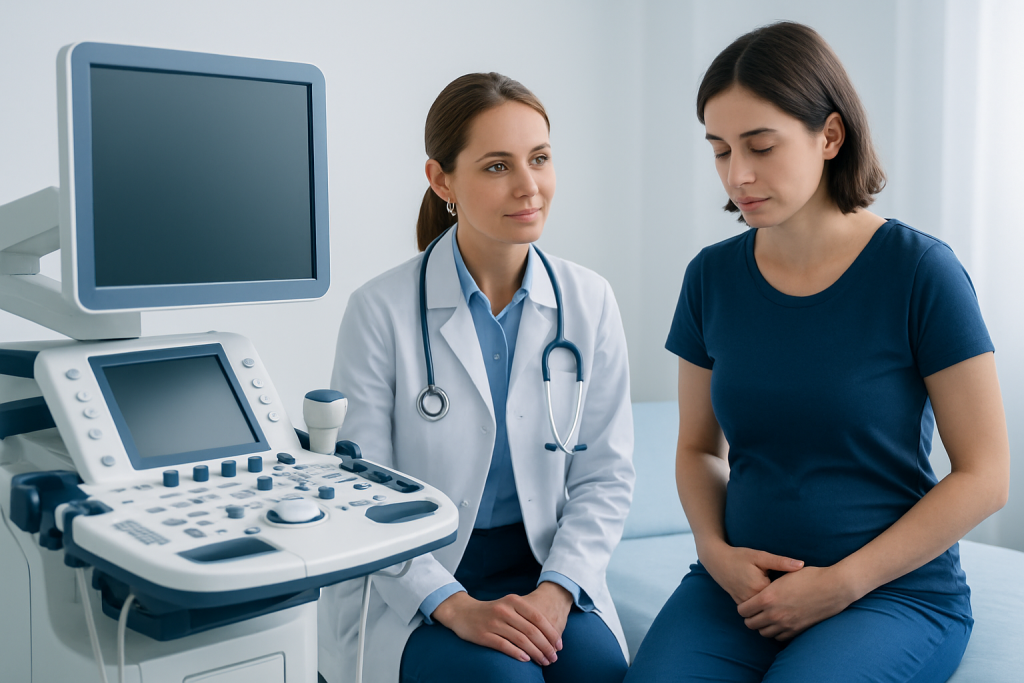
The classic pattern includes itching, burning, redness, and irritation in the affected area. In vaginal yeast infections, some people also notice thick, white discharge that may look cottage-cheese-like, along with soreness during sex or discomfort when urinating because the skin is inflamed.
Symptoms can range from mild to quite bothersome, and not everyone has the same experience. Some patients notice more external irritation than discharge, while others mainly feel swelling, a raw sensation, or tenderness. Skin-fold yeast infections may appear as bright red, moist, and itchy patches, sometimes with small satellite spots nearby.
Because these symptoms overlap with other conditions, the appearance alone cannot confirm the cause. That is one reason medical assessment can be valuable, especially if the symptoms are unusual, the person is pregnant, or infections keep returning.
Causes & Risk Factors

Yeast infections usually happen when something disrupts the normal balance that keeps Candida in check. Antibiotic use is a common trigger because antibiotics can reduce protective bacteria, giving yeast more room to grow. Hormonal changes, including those during pregnancy or related to menstrual cycles, can also make the vaginal environment more favorable to yeast overgrowth.
Other factors can increase susceptibility. These include diabetes that is not well controlled, frequent sweating or moisture in skin folds, tight or non-breathable clothing, certain immune system conditions, and medications that suppress immune function. Some people also experience recurrent episodes without a clearly identifiable trigger.
Yeast infections are not typically caused by simple “uncleanliness,” and over-washing or using scented products can sometimes worsen irritation by disturbing the skin’s natural defenses. Sexual activity may sometimes coincide with symptoms, but yeast infection is not usually considered a classic sexually transmitted infection. Still, partners and shared irritants can complicate the picture, so a clinician may ask about exposures, products, and recent medication use.
Diagnosis
Diagnosis usually begins with a careful history and a physical examination. A clinician will ask about the type of symptoms, timing, recent antibiotic use, pregnancy status, blood sugar issues, hygiene products, and whether previous episodes have occurred.
When the diagnosis is not obvious, a sample of discharge or skin material may be examined under a microscope or sent for additional testing. This helps distinguish Candida from bacterial vaginosis, trichomoniasis, dermatitis, or other causes of irritation. In people with frequent recurrences, testing can also help confirm whether the same type of yeast is involved.
For patients arranging care from abroad, prompt diagnosis can prevent unnecessary self-treatment. If travel is involved, bringing a list of recent medicines and any prior test results can make the evaluation more efficient and help the team select the most appropriate next step.
Treatment Options
Treatment depends on the location and severity of the infection, as well as whether it is a first episode or a recurrent one. Vaginal yeast infections are often treated with antifungal medicines that may be applied locally or taken by mouth, depending on the situation and the clinician’s judgment.
Skin yeast infections are commonly managed by keeping the area dry, reducing friction, and using antifungal creams or powders when appropriate. In some cases, a doctor may recommend a different approach if the rash is not actually caused by yeast, which is another reason not to self-diagnose persistent irritation.
People with repeated infections may need a more detailed assessment of contributing factors, such as blood sugar control, medication history, or the possibility of a resistant or non-albicans Candida species. During recovery, patients should complete the full prescribed course and follow the clinician’s guidance about when to recheck symptoms, especially if they will be returning home soon after treatment.
Prevention & Self-care
Prevention starts with reducing the conditions that allow yeast to overgrow. Wearing breathable cotton underwear, changing out of damp clothes quickly, and avoiding overly tight garments can help limit warmth and moisture. Gentle cleansing with unscented products is usually better than aggressive washing or douching.
For people who are prone to recurrence, good blood sugar control is especially important. It can also help to review recent antibiotic use with a doctor, since antibiotics are sometimes necessary but may raise the risk of yeast overgrowth. If symptoms often appear after certain products, such as scented pads or lubricants, it may be worth avoiding those triggers.
Self-care can support comfort, but it should not replace medical advice when symptoms are persistent or unclear. Patients traveling internationally may want to pack any prescribed treatment instructions, note the expected recovery timeline, and plan follow-up access in case symptoms do not improve as expected.
When to See a Doctor
Medical attention is useful when symptoms are severe, the diagnosis is uncertain, or the infection does not improve after reasonable self-care. A doctor should also be consulted if there are recurrent episodes, unusual discharge, fever, pelvic pain, sores, or a strong odor, since these findings may suggest another condition.
Pregnant patients should seek clinician guidance before using any treatment. People with diabetes, immune suppression, or recent surgery may also need a more individualized plan because the infection may be more persistent or complex.
If symptoms begin while traveling or after arriving for Endometriosis Treatment Abroad: Medication, Laparoscopy, or Both?" class="ahp-ilk">treatment abroad, it is reasonable to seek evaluation rather than waiting too long. Acibadem Health Point’s multidisciplinary specialists and JCI-accredited hospitals diagnose and treat yeast infections for international patients, which can be helpful when continuity of care matters across borders.
Living With Recurrent Infections
Some patients experience repeated yeast infections and find the pattern frustrating because the symptoms can affect comfort, sleep, and confidence. In those situations, it is useful to look beyond the immediate flare and ask what is repeatedly changing in the body or environment.
A clinician may review medications, blood sugar status, hormone-related factors, and whether the diagnosis has been confirmed each time. When recurrences are frequent, the next step is often not simply another round of treatment, but a more careful search for the reason the balance keeps shifting.
For patients who split care between countries, keeping a simple symptom log can be surprisingly helpful. Note what was present before each episode, what treatments were used, and what seemed to help, so the next doctor can build on the same information instead of starting from zero.
Frequently asked questions
How do you get a yeast infection in the first place?
A yeast infection usually develops when Candida, which may already live on the body, grows beyond its normal balance. Antibiotics, hormone changes, moisture, diabetes, and immune changes are common reasons this can happen.
Is a yeast infection contagious?
It is not usually thought of as a contagious infection in the usual sense. More often, it is an overgrowth of yeast that was already present, triggered by changes in the body or environment.
Can poor hygiene cause a yeast infection?
Poor hygiene is not the usual cause, and washing too much or using scented products can actually worsen irritation. The key issue is more often a change in the local balance of the skin or vaginal environment.
How can someone tell if it is a yeast infection or something else?
Symptoms can overlap with bacterial vaginosis, dermatitis, and some sexually transmitted infections. A clinician can confirm the cause with an exam and, when needed, a simple sample test.
Why do yeast infections come back?
Recurrent infections may happen if the underlying trigger has not been addressed, such as high blood sugar, repeated antibiotic use, or ongoing moisture and friction. Sometimes the cause is not obvious, which is why repeated episodes deserve medical review.
What should a traveler do if symptoms start abroad?
It is wise to seek a medical evaluation if the symptoms are new, severe, or unclear rather than assuming the cause. Bring a list of recent medicines, prior test results if available, and any information that may help the doctor choose the right treatment.
References
- Centers for Disease Control and Prevention
- Mayo Clinic
- American College of Obstetricians and Gynecologists
- World Health Organization
This article is for general information only and is not a substitute for professional medical advice. Please consult a qualified doctor about your individual situation.
Explore treatments in Turkey — costs, top hospitals & a free quote
JCI-accredited · board-certified surgeons · reply within 24h
Add us as a Preferred Source to see more of our trusted health content across Google Search, AI Overviews and Discover.
More from the Health Library



Related Specialists

Dr. Gamze Karababa
Gynecology & Obstetrics
Dr. Onur Özdenoğlu
Gynecology & Obstetrics
Dr. Selcen Bahadır
Gynecology & Obstetrics
Prof. Dr. A. Taner Usta
Gynecology & Obstetrics