Heel Spur

Key Takeaways
- A heel spur is a calcium deposit or bony outgrowth on the heel bone, but it does not always cause pain.
- Morning first-step pain often points to plantar fascia irritation rather than the spur itself.
- Diagnosis usually relies on a medical history, exam, and sometimes imaging such as X-ray or ultrasound.
- Most people improve with non-surgical care such as footwear changes, stretching, orthotics, and activity modification.
- Surgery is considered only when persistent symptoms do not respond to well-directed conservative treatment.
- People with ongoing heel pain should be assessed to rule out stress fracture, nerve irritation, or inflammatory conditions.
A heel spur is a bony growth on the heel bone that is often found in people with long-term foot strain, especially when plantar fascia irritation is also present. Many heel spurs cause no symptoms at all; when pain does occur, it is usually evaluated together with other causes of heel pain.
Overview
A heel spur is a small bony growth that forms on the underside or back of the heel bone. It develops slowly, usually in response to repeated pulling forces on the foot over time, rather than after one sudden injury.
For many people, the spur itself is simply an imaging finding and not the real source of discomfort. Heel pain is often linked to nearby soft-tissue irritation, especially plantar fascia strain or inflammation around the heel. That is why two people can have the same X-ray result and very different symptoms.
In practical terms, the question is not just whether a spur is present, but what is driving the pain, how long it has been present, and how it affects walking, standing, sport, or work. A careful assessment helps separate a harmless bony change from a problem that needs treatment.
When someone is traveling for care, this distinction matters even more. International patients often want to know whether a short clinic visit, targeted imaging, and a clear conservative plan will be enough, or whether a more advanced orthopedic review is needed before returning home.
Symptoms
Heel spur symptoms are often described as a sharp or stabbing pain near the heel, especially when taking the first steps after waking up or after sitting for a long time. Some people notice discomfort that eases a little with movement and then returns after prolonged standing or walking.
Other common complaints include tenderness when pressing the heel, soreness after exercise, stiffness in the arch, or a bruised feeling in the foot. If the spur is on the back of the heel, shoes may rub the area and cause irritation, redness, or swelling.
It is important to know that a visible heel spur does not always explain the pain. Similar symptoms can appear with plantar fasciitis, Achilles tendon problems, stress fractures, bursitis, or nerve-related pain, so the pattern of symptoms matters as much as the X-ray result.
- Pain with the first steps in the morning
- Heel tenderness after long periods of standing
- Stiffness in the foot or arch
- Discomfort in shoes that press the heel
- Swelling or redness when the back of the heel is involved
Causes & Risk Factors
Heel spurs develop when the body responds to repeated traction or pressure at the heel. Over time, the bone may form extra calcium in the area where ligaments or the plantar fascia attach. This process is gradual and is usually related to mechanical stress rather than a single event.
Several factors can increase the chance of heel spur formation or heel pain. These include long periods of standing, running on hard surfaces, flat feet or very high arches, tight calf muscles, obesity, unsupportive footwear, and age-related changes in the tissues of the foot.
Inflammation of the plantar fascia is a particularly important companion condition. In many patients, it is the soft tissue irritation that creates the pain, while the spur is a secondary finding. Understanding this relationship helps avoid unnecessary worry about the spur itself and keeps treatment focused on the structures that actually need support.
People recovering from a change in activity level, such as an increase in walking, a new fitness routine, or a job that requires prolonged standing, may notice symptoms after the tissues have been overloaded. For international patients planning treatment abroad, sharing details about work demands, footwear habits, and daily walking patterns can help the orthopedic team tailor the plan more precisely.
Diagnosis
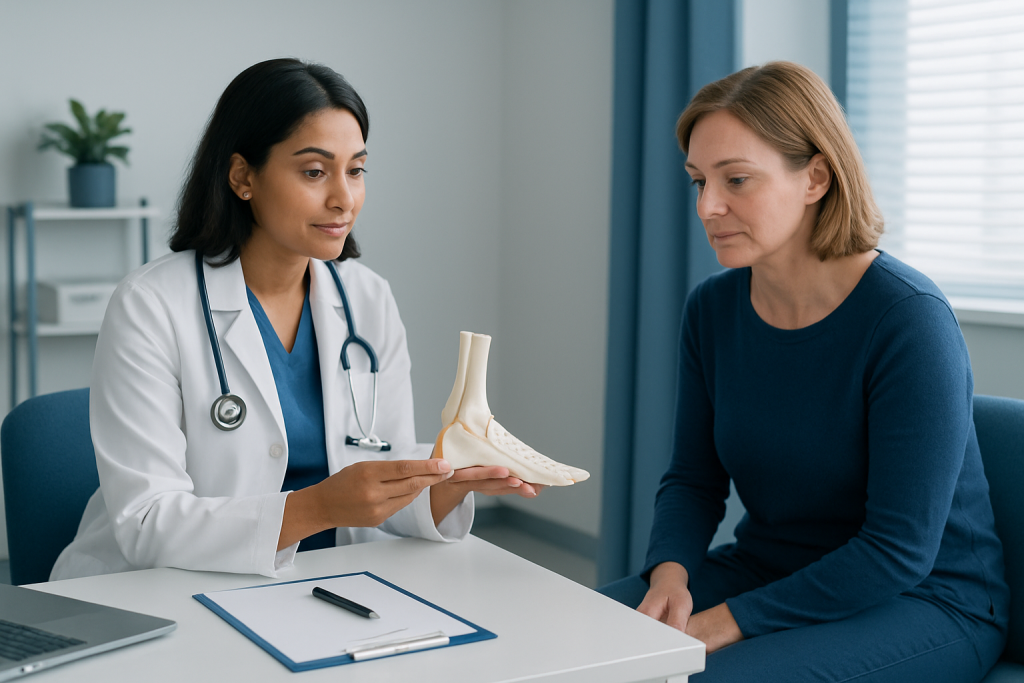
Diagnosis usually begins with a conversation about the pain pattern, footwear, daily activity, and any recent changes in exercise or work. The clinician will then examine the foot, heel, ankle, and calf to check for tenderness, tightness, range of motion, and signs of other conditions.
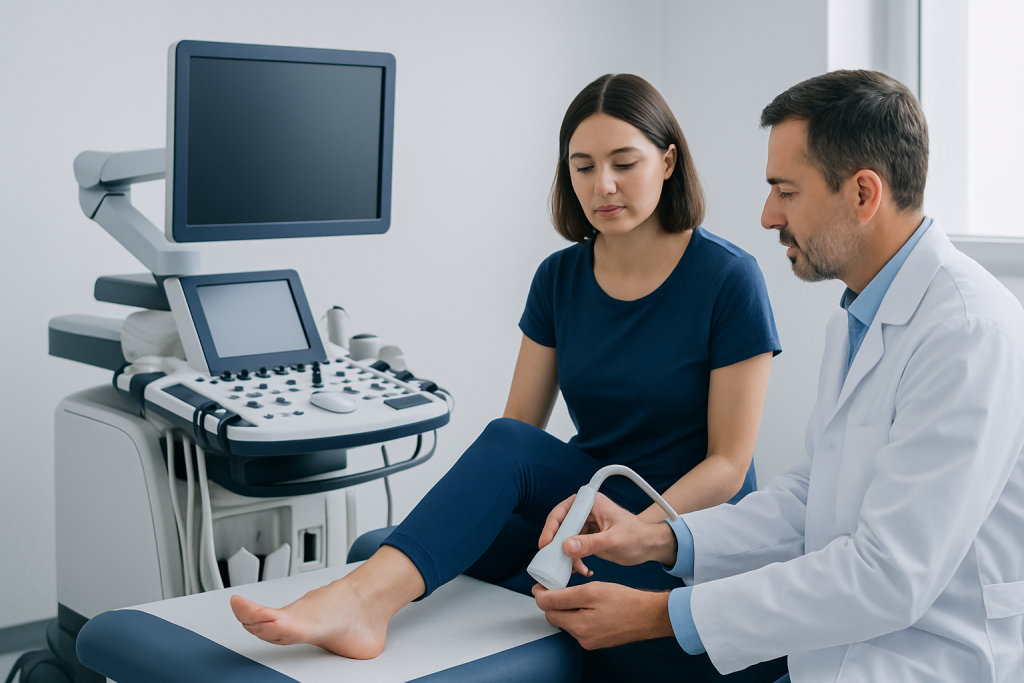
An X-ray may show a heel spur, but it does not prove that the spur is the cause of symptoms. If the picture is unclear, a doctor may recommend ultrasound or, less commonly, other imaging to look at soft tissues and to rule out another diagnosis such as a stress fracture or tendon injury.
The goal is to connect the symptom pattern with the right structure. That means distinguishing between pain caused by plantar fascia irritation, pain from the Achilles insertion, pain related to footwear friction, and pain that may come from a different foot or ankle problem altogether.
Patients who seek care while abroad often benefit from a neatly organized first visit: a focused exam, imaging only when appropriate, and a straightforward explanation of what is likely causing the pain and what can be done safely over the following weeks.
Treatment Options
Most heel spur cases are managed without surgery. The treatment plan usually starts with reducing stress on the irritated tissues and supporting the foot so walking becomes less painful. Because symptoms often come from inflammation or overload rather than the bony spur alone, conservative care is usually effective.
Common options include rest from aggravating activity, ice, stretching of the calf and plantar fascia, supportive shoes, cushioned heel inserts, orthotics, and sometimes physical therapy. If pain is persistent, a clinician may discuss additional treatments such as taping, night splints, or other guided therapies based on the individual’s exam.
Medication decisions should always be made with a qualified clinician, especially for people with stomach, kidney, heart, or bleeding concerns. In some cases, injections may be considered, but they are not the first step for everyone and should be chosen carefully after reviewing risks and expected benefits.
Surgery is uncommon and is reserved for select cases where symptoms remain significant despite thorough non-surgical treatment. When surgery is discussed, the team will explain what is being treated: sometimes the plantar fascia or another painful structure needs attention more than the spur itself. For international patients, the most useful plan is one that includes a clear timeline for rehab, follow-up, and safe return to walking, work, and travel.
Prevention & Self-care
Daily habits can make a meaningful difference, especially when heel pain is linked to overload. Supportive shoes with good arch support and cushioning can reduce pressure on the heel, while worn-out footwear may make symptoms worse.
Gentle stretching of the calf muscles and the bottom of the foot is often recommended, particularly before getting out of bed or after long periods of sitting. Gradual return to exercise is also helpful; increasing walking distance or running intensity too quickly can irritate the heel again.
Other practical steps include maintaining a healthy body weight, avoiding prolonged barefoot walking on hard floors, and choosing low-impact activities during flare-ups. If the pain is recurring, a clinician or physiotherapist may suggest a personalized strengthening and mobility plan to address the movement pattern behind the problem.
- Wear supportive, well-fitting shoes
- Stretch calves and plantar fascia regularly
- Increase activity gradually
- Use ice after long standing or exercise if advised
- Avoid walking barefoot on hard surfaces during flare-ups
When to See a Doctor
Medical evaluation is a good idea when heel pain lasts more than a short period, keeps returning, or interferes with walking, work, exercise, or sleep. It is also wise to seek assessment if the pain is getting worse despite basic self-care.
Prompt review is especially important if there is marked swelling, redness, numbness, a recent injury, fever, inability to bear weight, or pain that feels different from typical heel strain. Those features may point to another issue that needs attention.
People with diabetes, inflammatory arthritis, circulation problems, or a history of foot surgery should not wait too long before getting evaluated, because foot symptoms can have multiple causes. A doctor can help confirm whether the problem is a heel spur, plantar fascia irritation, or something else entirely.
For patients considering care away from home, an orthopedic review can also help plan treatment in a way that fits travel schedules and recovery needs. At Acibadem Health Point, multidisciplinary specialists and JCI-accredited hospitals diagnose and treat heel spur-related conditions for international patients, with attention to both the foot problem and the practicalities of follow-up care.
Living With Heel Pain Day to Day
Heel pain can change how a person moves through the day, but it often improves when the underlying irritation is addressed consistently. Small habits, such as putting shoes on before getting out of bed, pacing standing time, and keeping up with stretches, can reduce repeated strain.
It also helps to track what makes the pain better or worse. Noting whether pain is strongest in the morning, after walking on hard floors, or during certain workouts gives the clinician useful clues and can make follow-up visits more productive.
With the right plan, many patients are able to return to normal routines without needing aggressive treatment. The key is to treat the foot as a mechanical system that can be supported and retrained rather than something that must simply be “tolerated” until it settles on its own.
Frequently asked questions
Is a heel spur the same as plantar fasciitis?
No. A heel spur is a bony growth, while plantar fasciitis is irritation of the thick tissue along the bottom of the foot. They often occur together, which is why people sometimes assume they are the same problem.
Can a heel spur go away on its own?
The spur itself usually does not disappear quickly, but symptoms can improve a great deal with conservative care. Treatment often focuses on reducing irritation and improving foot mechanics rather than removing the spur.
Does everyone with a heel spur need surgery?
No. Surgery is uncommon and is usually considered only after non-surgical treatment has not helped. Most people start with footwear changes, stretching, orthotics, and activity adjustment.
Why does heel pain feel worse in the morning?
After rest, the plantar fascia and nearby tissues can tighten, so the first steps place extra stress on the heel. This pattern is common in plantar fascia-related pain and may or may not be related to a spur.
What kind of doctor should evaluate heel pain?
An orthopedic specialist, podiatrist, sports medicine doctor, or a rehabilitation clinician may assess heel pain, depending on the healthcare setting. The best choice often depends on how long the symptoms have lasted and whether imaging or a structured rehab plan is needed.
Can exercise make heel spur pain worse?
High-impact or sudden increases in exercise can aggravate symptoms, especially if the foot tissues are already irritated. A clinician can usually help adjust activity so movement stays safe while the heel recovers.
References
- Mayo Clinic
- Cleveland Clinic
- American Academy of Orthopaedic Surgeons
- National Health Service
- Merck Manual Professional Edition
This article is for general information only and is not a substitute for professional medical advice. Please consult a qualified doctor about your individual situation.
More from the Health Library



Related Specialists

Dr. Erkam Saka
Anesthesiology and Reanimation
Dr. Burcu Durmak İşman
Radiation Oncology
Dr. Aydin Aksoy
Cardiology
Prof. Dr. Fuat Bilgen
Cardiovascular Surgery