Generalized Anxiety Disorder

Key Takeaways
- GAD involves ongoing, difficult-to-control worry that lasts for months and affects day-to-day functioning.
- Symptoms can include restlessness, muscle tension, fatigue, sleep problems, and trouble concentrating.
- Diagnosis is based on a clinical evaluation that rules out other medical or mental health causes.
- Treatment often combines psychotherapy, lifestyle adjustments, and sometimes medication.
- Stress management, regular routines, and follow-up care can help reduce flare-ups and support long-term recovery.
Medically reviewed by the Acıbadem clinical team — August 19, 2026
Generalized anxiety disorder (GAD) is more than everyday worry; it is a persistent pattern of anxiety that can affect sleep, concentration, and daily life. With the right diagnosis and a thoughtful treatment plan, many people learn to manage symptoms and regain a steadier routine.
Overview
Generalized anxiety disorder, often shortened to GAD, is a mental health condition in which worry becomes frequent, broad, and hard to turn off. The concern may shift from health to work to family matters to travel plans, but the feeling underneath is usually the same: a constant sense that something needs attention, even when there is no immediate danger.
For many people, the condition does not arrive all at once. It can build quietly, especially during prolonged stress, major life changes, or periods of uncertainty. Someone considering care from another country may notice that the worry is no longer limited to a specific event; it may start shaping sleep, appetite, concentration, and the ability to make decisions. That is often the point at which professional support becomes useful.
GAD is treatable, and treatment does not mean the person has failed to cope. It simply means the nervous system may need help resetting its alarm response. A careful evaluation can clarify whether the symptoms fit GAD or another condition with similar features.
Symptoms
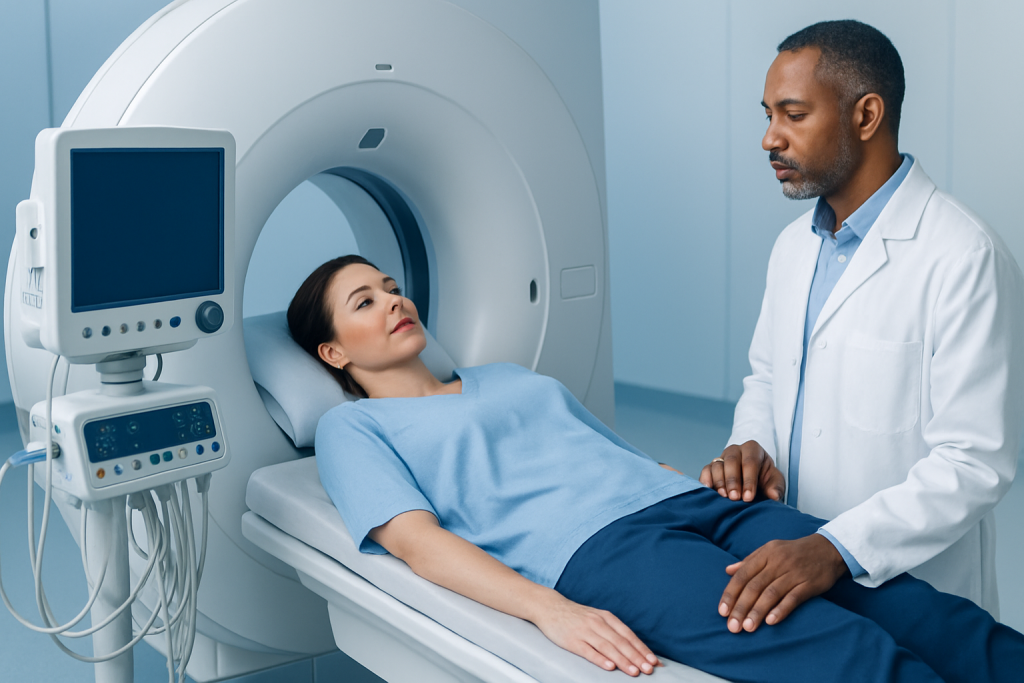
The hallmark of GAD is worry that feels excessive compared with the situation and is difficult to control. The mind may keep returning to possible problems, rehearsing worst-case outcomes, or seeking reassurance again and again. Even when one concern is resolved, another may take its place.
Physical symptoms are common and are an important part of the picture. Anxiety is not only an emotional experience; it can also show up in the body as muscle tightness, a tense jaw, headaches, stomach discomfort, shakiness, a racing heart, or feeling unusually tired. Sleep may become lighter or more broken, and mornings may begin with a sense of dread before the day has even started.
Other signs can include:
- Difficulty concentrating or feeling mentally “foggy”
- Feeling on edge, irritable, or easily startled
- Restlessness or a need to keep busy to avoid thinking
- Trouble relaxing, even during quiet moments
- Repeated checking, planning, or seeking reassurance
In children and adolescents, GAD may appear as constant reassurance-seeking, frequent complaints of physical discomfort, or excessive worry about school, performance, or family safety. In adults, it may be mistaken for stress or burnout until it begins interfering with work, relationships, or travel and daily decision-making.
Causes & Risk Factors

No single cause explains GAD. It usually reflects a combination of biological sensitivity, temperament, life experiences, and ongoing stress. Some people naturally have a more vigilant nervous system, while others develop anxiety after prolonged uncertainty, health problems, or difficult life events.
Family history can matter, although it does not determine the outcome on its own. Brain chemistry, early experiences, chronic stress, and learned coping patterns all influence how the body responds to worry. In practical terms, a person may become more likely to develop GAD if they have a long history of high-pressure environments, unresolved trauma, or repeated exposure to instability.
Common risk factors include:
- A family history of anxiety or mood disorders
- Ongoing stress at work, home, or school
- Major life transitions, grief, or relocation
- Chronic medical conditions or persistent pain
- Use of stimulants, excessive caffeine, or certain substances
GAD can also occur alongside other conditions such as depression, panic disorder, or insomnia. That overlap is one reason a complete assessment is important; treating only one piece of the picture may leave the rest unresolved.
Diagnosis
GAD is diagnosed through a clinical conversation, not a single lab test. A doctor or mental health professional will ask about the type of worry, how long it has been present, how it affects daily life, and whether there are physical symptoms such as muscle tension or sleep disturbance.
The evaluation often includes questions about mood, substance use, medications, sleep patterns, and major life stressors. This step is important because several medical conditions can mimic or intensify anxiety, including thyroid disorders, heart rhythm problems, certain hormone changes, and side effects from some medicines or supplements. When needed, blood tests or other investigations may be ordered to rule out contributing causes.
For international patients, diagnosis may begin before travel through a medical review or teleconsultation, especially when symptoms are affecting work or family life and a structured treatment plan is being considered. A careful diagnosis helps ensure that time spent traveling for care is focused on the most appropriate next step rather than trial and error.
Treatment Options
Treatment for GAD is usually individualized. Many people do best with a combination of psychotherapy and lifestyle support, while others may also benefit from medication. The goal is not to eliminate every normal worry; it is to reduce the constant background alarm that makes ordinary life feel heavier than it should.
Psychotherapy, especially cognitive behavioral therapy (CBT), is widely used. CBT helps people notice unhelpful thought loops, test predictions more realistically, and practice responses that are calmer and more flexible. Some patients also benefit from approaches that focus on acceptance, relaxation, or exposure to uncertainty in a guided way. These methods can be especially helpful for someone who has become caught in repeated reassurance-seeking or overplanning.
Medication may be recommended when symptoms are moderate to severe or when therapy alone is not enough. The choice depends on the person’s medical history, symptom pattern, and tolerance for side effects. A qualified clinician can explain options, expected benefits, and what to monitor over time.
Treatment may also include:
- Sleep support and improved sleep routines
- Stress reduction strategies and paced breathing
- Review of caffeine, alcohol, and other triggers
- Coordination with care for related conditions such as depression or chronic pain
For patients traveling abroad for assessment or treatment, follow-up planning matters. A clear written plan, medication review, and coordination with a home-country doctor can make continuity of care much easier after returning home.
Prevention & Self-care
There is no guaranteed way to prevent GAD, but steadier habits can lower the intensity of symptoms and reduce the chance that worry takes over the day. Self-care is most effective when it is realistic, repeatable, and specific enough to fit ordinary life rather than idealized routines.
Simple structure often helps the nervous system settle. Regular sleep and wake times, balanced meals, movement during the day, and planned pauses from screens or news can all make anxiety less demanding. Many people also find it helpful to set a daily “worry window” for practical concerns, so anxious thoughts do not spread across every hour.
Helpful self-care steps may include:
- Keeping a consistent sleep schedule as much as possible
- Reducing caffeine if it worsens restlessness or palpitations
- Using slow breathing or grounding techniques during spikes of anxiety
- Staying physically active in a way that feels sustainable
- Writing down concerns and sorting them into “actionable” and “not actionable” categories
It can also help to identify patterns. Some people notice that anxiety increases after certain conversations, long travel days, financial pressure, or poor sleep. Tracking these links does not solve everything, but it can make the condition feel more understandable and less mysterious.
When to See a Doctor
Professional help is worth seeking when worry has been present for months, feels difficult to control, or begins interfering with sleep, work, relationships, or daily decision-making. A person does not need to wait until symptoms are severe. Earlier support often makes treatment simpler and more effective.
Medical advice is especially important if anxiety is accompanied by chest pain, fainting, severe shortness of breath, suicidal thoughts, substance misuse, or sudden changes in mood or behavior. These symptoms may signal a different or more urgent problem and should be assessed promptly.
If the person is already receiving treatment but still feels overwhelmed, the plan may need adjustment rather than abandonment. Anxiety care often involves fine-tuning, not perfection. A qualified clinician can help decide whether therapy, medication, or another medical evaluation is the best next step.
Acibadem Health Point supports international patients with multidisciplinary specialists and JCI-accredited hospitals that diagnose and treat anxiety-related conditions in a coordinated, patient-centered way.
Frequently asked questions
How is GAD different from normal worry?
Normal worry usually stays tied to a specific issue and fades when the problem passes. GAD tends to be broader, more persistent, and harder to control, even when there is no immediate threat. It can also affect sleep, concentration, and physical comfort.
Can GAD cause physical symptoms?
Yes. Many people experience muscle tension, headaches, stomach upset, fatigue, or a racing heart. These symptoms are real and common, and they often improve when the anxiety itself is treated.
Is therapy enough for GAD?
For some people, therapy alone is enough, especially when symptoms are mild to moderate. Others may also need medication or treatment for a related condition such as insomnia or depression. The best plan depends on the person’s overall health and symptom pattern.
Does GAD get worse without treatment?
It can remain steady, improve, or fluctuate, but untreated anxiety often continues to affect quality of life. Over time, people may change routines to avoid triggers, which can make the fear feel larger. Early support can help interrupt that pattern.
Can travel or relocation make GAD feel stronger?
Yes, major transitions can temporarily intensify anxiety because they increase uncertainty and disrupt familiar routines. That does not mean the person is not coping; it often means the nervous system needs more support during the change. A treatment plan that includes follow-up can be especially helpful.
What kind of doctor should evaluate GAD?
A primary care doctor, psychiatrist, psychologist, or another qualified mental health professional can evaluate symptoms. In some cases, more than one clinician may be involved, especially if there are medical conditions or sleep problems that need attention.
References
- National Institute of Mental Health
- American Psychiatric Association
- World Health Organization
- Mayo Clinic
This article is for general information only and is not a substitute for professional medical advice. Please consult a qualified doctor about your individual situation.
Explore treatments in Turkey — costs, top hospitals & a free quote
JCI-accredited · board-certified surgeons · reply within 24h
Add us as a Preferred Source to see more of our trusted health content across Google Search, AI Overviews and Discover.