

Fosamax: Uses, Dosage and Side Effects

Key Takeaways
- Fosamax is a bisphosphonate medicine used mainly for osteoporosis and bone loss prevention.
- It works best when taken exactly as prescribed, usually on an empty stomach with plain water.
- Common side effects are often mild, but some people may need a different treatment if stomach or swallowing problems occur.
- Good calcium, vitamin D, exercise, and fall prevention habits support bone health alongside treatment.
- A doctor should review kidney function, dental health, and other medicines before treatment begins.
Medically reviewed by the Acıbadem clinical team — August 19, 2026
Fosamax is the brand name for alendronate, a medicine used to help strengthen bones and lower the risk of fractures in people with osteoporosis and certain other bone conditions. Understanding how it is taken, who may benefit, and what side effects to watch for can help patients use it safely and confidently.
Overview
Fosamax is the brand name for alendronate, a medicine in the bisphosphonate family. Its main job is to slow down bone breakdown so the body can maintain stronger, denser bones over time. Doctors commonly prescribe it for osteoporosis, and sometimes for people at high risk of bone loss after menopause or while taking certain medications that weaken bone.
For many patients, the decision to start Fosamax is part of a wider plan rather than a single prescription. Bone health is shaped by age, hormones, nutrition, activity, other illnesses, and the practical realities of taking treatment regularly. That is why clinicians usually look at the full picture before deciding whether this medicine is a good fit.
Patients traveling for care often find it helpful to understand the treatment early, especially if follow-up will happen across borders. Fosamax is usually taken at home, but the initial assessment, bone-density testing, and later monitoring may be done by a specialist team that can coordinate records clearly for international patients.
Symptoms and When Fosamax Is Considered
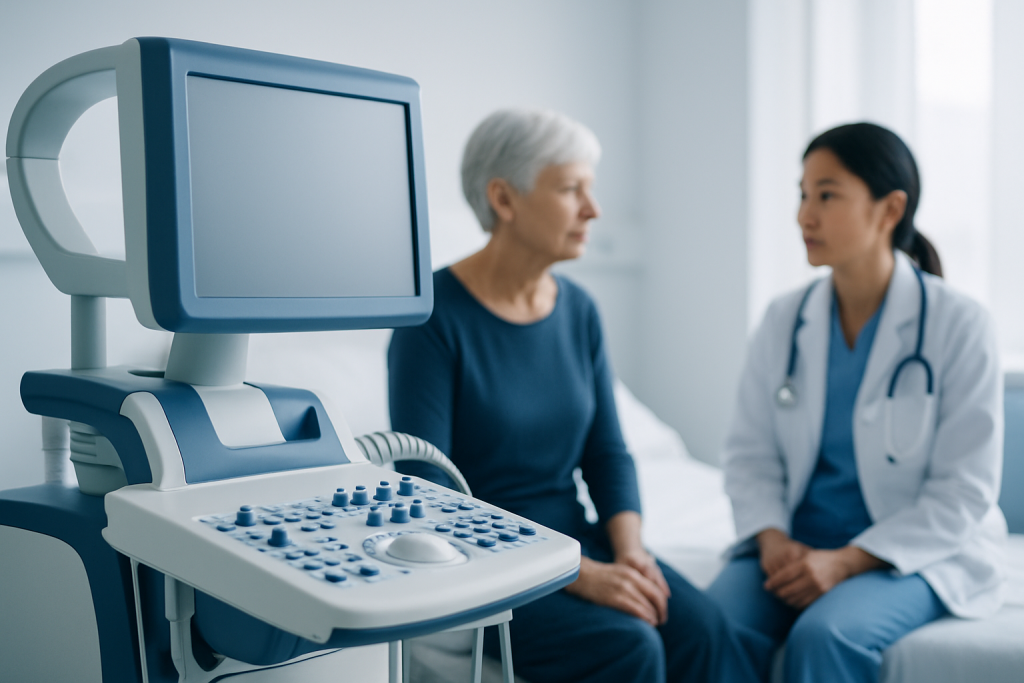
Fosamax is not used to treat pain directly. Instead, it is prescribed when weak bones are likely to cause future problems such as fractures of the spine, hip, or wrist. Many people do not feel osteoporosis itself until a fracture happens, which is one reason screening and risk assessment matter.
Doctors may consider Fosamax when bone density testing shows osteoporosis or low bone mass, or when fracture risk is high enough that treatment could prevent complications. It may also be used in some patients with bone loss related to long-term steroid use, though the exact choice depends on the person’s overall health and other medicines.
Common reasons a clinician may discuss this treatment include:
- Postmenopausal bone loss
- Osteoporosis in men
- Reduced bone density on scan results
- Bone protection during long-term corticosteroid therapy
Because osteoporosis often progresses quietly, a patient may feel well and still have a meaningful bone-strength problem. That is why diagnosis is based on tests and risk factors rather than symptoms alone.
Causes and Risk Factors for Bone Loss
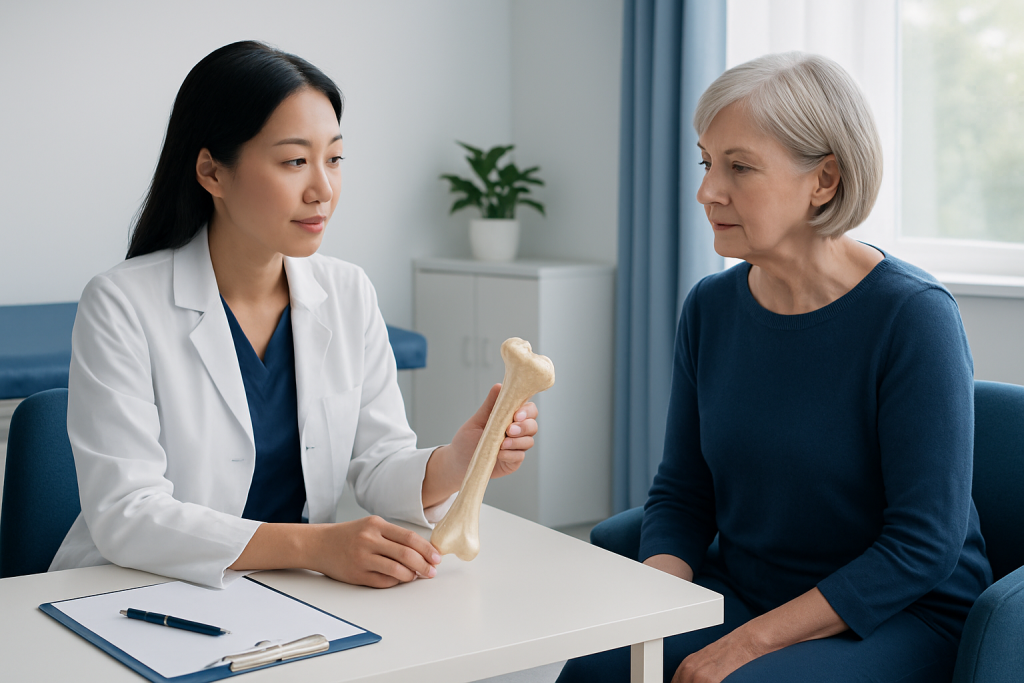
Bone tissue is constantly being renewed. When bone breakdown starts to outpace bone building, bones can become thinner and more fragile. This process may speed up with aging, lower estrogen levels after menopause, low body weight, smoking, heavy alcohol use, or low calcium and vitamin D intake.
Some medical conditions and treatments also raise risk. Long-term steroid use, certain hormone disorders, digestive conditions that affect nutrient absorption, and limited physical activity can all weaken bone strength. Family history and a previous fracture from a minor fall are also important clues.
Fosamax may be part of treatment when these risks add up. Still, it is not the only answer. Doctors usually combine medication with nutrition guidance, exercise advice, and fall-prevention steps to reduce the chance of future fractures.
Diagnosis and Evaluation Before Treatment
Before starting Fosamax, a doctor usually confirms whether the patient’s bones truly need treatment. This often involves a bone mineral density scan, commonly called a DEXA or DXA scan, along with a discussion of fracture history, age, medication use, and overall risk profile.
Blood tests may be ordered to look for contributing factors such as low vitamin D, calcium imbalance, thyroid disease, or kidney concerns. The doctor may also ask about heartburn, swallowing difficulty, prior stomach ulcers, or sitting and standing tolerance, because these details affect whether Fosamax can be taken safely.
Dental health matters too. Bisphosphonates are generally safe for many people, but clinicians often want to know whether major dental work is planned or whether there is a history of jaw problems. This allows the treatment plan to be tailored before therapy begins, rather than adjusted later under pressure.
Treatment Options and How Fosamax Works
Fosamax works by slowing the cells that break down bone. Over time, this can help preserve bone structure and lower the likelihood of fractures. It does not rebuild bone overnight, so it is usually used as part of a longer-term management plan.
The medicine is typically taken by mouth in a very specific way so the body can absorb it properly and the throat and stomach are less likely to be irritated. Patients are usually instructed to take it first thing in the morning with plain water, then remain upright and wait before eating, drinking, or taking other medications. The exact instructions should always come from the prescribing clinician, as timing details matter.
Not everyone is a candidate for Fosamax. A doctor may choose a different osteoporosis treatment if the patient has certain esophageal problems, cannot stay upright after taking the medicine, has significant kidney disease, or has side effects that make continued use difficult. Other bone medicines may be considered depending on the clinical situation, but the best option is individual, not one-size-fits-all.
Supportive measures often travel alongside the prescription:
- Calcium and vitamin D as recommended by the doctor
- Weight-bearing and balance exercises
- Stopping smoking and limiting alcohol
- Reviewing fall risks at home
Safety, Side Effects, and Interactions
Many people tolerate Fosamax well, but side effects can occur. The most common concerns are stomach upset, acid reflux-like symptoms, nausea, abdominal discomfort, or irritation of the esophagus if the tablet is not taken correctly. Following the dosing instructions closely is one of the best ways to lower this risk.
Less common but more serious effects can include severe swallowing pain, chest pain, or signs of irritation in the food pipe. Rarely, long-term bisphosphonate use has been linked to unusual thigh pain, jaw problems, or very low bone turnover. These events are uncommon, but they are important enough that patients should report persistent or unusual symptoms promptly.
Fosamax can also interact with other medicines, supplements, and even food if they are taken too close together. Calcium, iron, antacids, and some multivitamins may reduce absorption. The prescribing doctor or pharmacist should review the full medication list, including over-the-counter products and herbal supplements, before treatment starts.
Prevention and Self-care
Bone protection works best when medicine and daily habits support each other. A patient taking Fosamax can usually improve results by keeping a steady routine, taking the tablet exactly as instructed, and not skipping follow-up visits or scans. Consistency matters more than trying to “make up” missed doses on one’s own.
Nutrition and movement are equally important. Adequate calcium and vitamin D intake, regular walking or resistance exercise, and balance training all help bones and muscles work together. Patients with low appetite, digestive issues, or limited sun exposure may need individualized guidance so that nutrition gaps do not undermine treatment.
Practical safety at home also makes a difference, especially for older adults or anyone recovering after a fracture. Good lighting, stable footwear, cleared walkways, and attention to dizziness or vision changes can reduce fall risk. For international patients, it helps to leave a clear written care plan before returning home, including when to repeat scans, which symptoms should prompt contact, and how local doctors can continue the same treatment strategy.
When to See a Doctor
A doctor should be contacted before starting Fosamax if there is a history of swallowing problems, severe reflux, kidney disease, low calcium, or recent major dental work. These details do not always rule out treatment, but they may change the plan.
Medical review is also important if a patient develops chest pain, painful swallowing, black stools, severe bone pain, or new thigh or groin pain after starting therapy. Any sudden worsening of symptoms deserves attention, even if the medicine has been taken for some time.
Patients who travel for treatment should keep their medication name, scan results, and follow-up schedule easy to share with clinicians in their home country. Acibadem Health Point’s multidisciplinary specialists and JCI-accredited hospitals diagnose and treat conditions like osteoporosis for international patients, with coordinated care designed to continue after travel ends.
Frequently asked questions
What is Fosamax used for?
Fosamax is mainly used to treat and help prevent osteoporosis and other forms of bone loss. It works by slowing the process that breaks down bone, which can help reduce fracture risk over time. A doctor decides whether it is appropriate based on scan results, fracture history, and overall health.
How should Fosamax be taken?
It is usually taken first thing in the morning with plain water, following the prescribing doctor’s instructions carefully. Staying upright afterward and waiting before eating or taking other medicines helps the tablet work properly and lowers the chance of throat irritation. The exact routine should always be confirmed with the healthcare team.
What are the most common side effects?
The most common side effects involve the stomach or esophagus, such as heartburn, nausea, or discomfort when swallowing. These issues are often linked to how the medicine is taken, so correct use matters. If symptoms persist or become severe, the patient should speak with a doctor.
Who may not be able to take Fosamax?
Fosamax may not be suitable for people with certain esophageal problems, difficulty staying upright after taking a tablet, significant kidney disease, or low calcium that has not been corrected. A doctor also considers dental health and other medications before prescribing it. Alternatives may be available if Fosamax is not a good fit.
Does Fosamax work by itself?
It can help protect bone, but it usually works best as part of a broader plan. Calcium, vitamin D, exercise, and fall prevention all support the treatment. Follow-up scans and medical review help show whether the plan is working as expected.
How long does someone need to take Fosamax?
The length of treatment varies from person to person and depends on fracture risk, scan results, and how well the medicine is tolerated. Doctors often review the need for continued therapy after a period of use rather than assuming it will be lifelong. Regular follow-up helps decide the safest next step.
References
- National Institutes of Health Office of Dietary Supplements
- National Osteoporosis Foundation
- Mayo Clinic
- MedlinePlus
- U.S. Food and Drug Administration
This article is for general information only and is not a substitute for professional medical advice. Please consult a qualified doctor about your individual situation.
Joint and spine care in Turkey — expert assessment & treatment
JCI-accredited · board-certified surgeons · reply within 24h
Add us as a Preferred Source to see more of our trusted health content across Google Search, AI Overviews and Discover.
More from the Health Library



Related Specialists

Prof. Dr. Ahmet Alanay
Orthopedic Surgery & Traumatology
Dr. Sinan Aksu
Orthopedic Surgery & Traumatology
Dr. Sirri Baştürk
Orthopedic Surgery & Traumatology
Prof. Dr. Korhan Özkan
Orthopedic Surgery & Traumatology