Food Grade Hydrogen Peroxide

Key Takeaways
- Food grade hydrogen peroxide is more concentrated than household products and is not safe for internal use.
- Exposure can cause irritation, burns, vomiting, abdominal pain, or, in severe cases, dangerous gas-related complications.
- If someone swallows it, prompt poison-control or medical guidance is important even when symptoms seem mild.
- Safe handling, proper storage, and clear labeling reduce accidental exposures in homes and workplaces.
- Medical care is based on the amount, concentration, and symptoms, and may include observation, imaging, or supportive treatment.
Food grade hydrogen peroxide is a concentrated chemical sold for industrial or cleaning purposes, not for drinking or medical self-treatment. Because it can irritate or injure the mouth, throat, stomach, and other tissues, understanding the risks and safe responses matters for anyone who encounters it at home or while traveling.
Overview
Food grade hydrogen peroxide often sounds harmless because the words “food grade” suggest something suitable for the kitchen. In reality, this product is usually a highly concentrated form of hydrogen peroxide marketed for cleaning, industrial use, or specialized non-food applications. It is not intended to be swallowed, mixed into drinks, or used as a home remedy.
Hydrogen peroxide is a chemical that can break down into water and oxygen. At low concentrations, it is familiar as the bubbling liquid found in some first-aid cabinets. At higher concentrations, however, it can behave very differently and may injure tissues on contact. That difference is especially important for families, travelers, and anyone who stores cleaning supplies in shared spaces where labels may be overlooked.
For international patients seeking care abroad, confusion sometimes starts with translation. A product described as “food grade” in one setting may still be unsafe to use internally, and instructions from informal sources can be misleading. A careful medical review focuses not on the label’s wording, but on the actual concentration, the route of exposure, and the person’s symptoms.
Symptoms
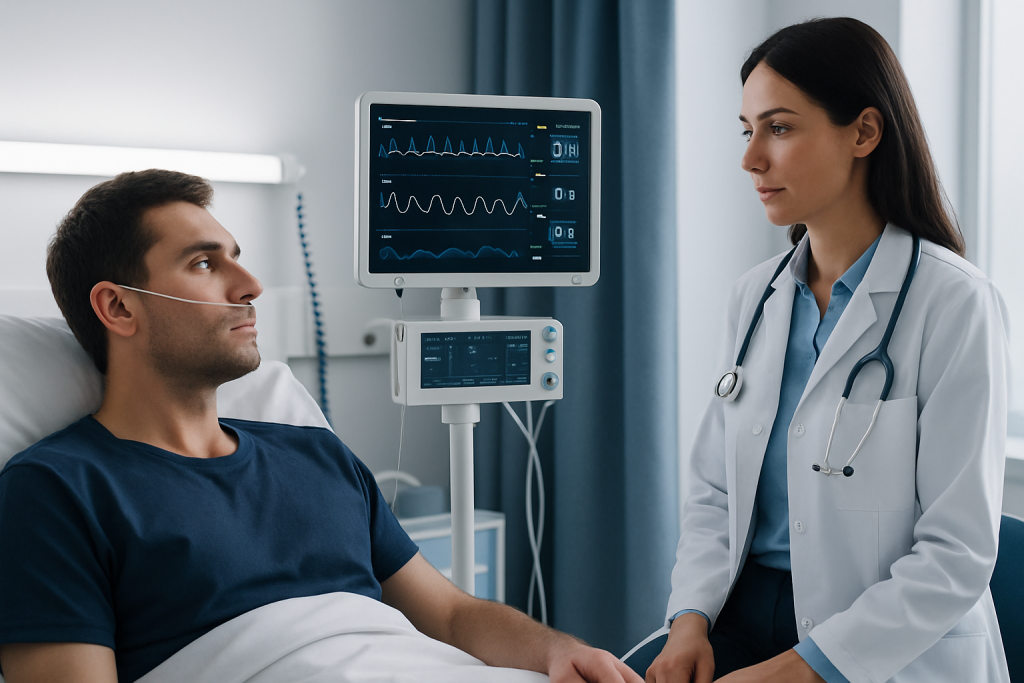
Symptoms depend on how the product was used, how much was involved, and how concentrated it was. Mild exposure may lead to burning or stinging in the mouth, throat, or skin. If it was swallowed, nausea, vomiting, stomach discomfort, or a feeling of fullness may appear soon afterward.
More concerning symptoms can develop if a larger amount was ingested or if the solution was very concentrated. These may include trouble swallowing, repeated vomiting, chest pain, shortness of breath, dizziness, confusion, or persistent abdominal pain. In some cases, a person may also have foaming at the mouth or swelling in the lips and throat.
Because symptoms are not always dramatic at first, it is a mistake to assume the exposure is harmless just because the person “seems fine.” Chemical injuries can evolve over time, and medical professionals may monitor the person even when the first signs are subtle. Any breathing difficulty, severe pain, or loss of consciousness should be treated as urgent.
Causes & Risk Factors

Most exposures happen by accident, not intent. A bottle may be stored in an unlabeled container, confused with another liquid, or poured into a reusable drink bottle. Home experiments, online wellness claims, and do-it-yourself cleaning routines can also create risk when people underestimate how concentrated the product is.
Children are especially vulnerable because they may mistake the liquid for water or another household product. Adults are not immune, particularly when using chemicals in a busy kitchen, garage, workshop, or hotel room while traveling. Poor lighting, language barriers on labels, and unfamiliar packaging can all increase the chance of misuse.
Risk is also higher when someone tries to dilute or handle the chemical without proper guidance. Concentrated hydrogen peroxide can irritate skin and eyes, and accidental splashes may occur during transfer between containers. For international patients, bringing unfamiliar products across borders or relying on non-medical advice from social media can add another layer of risk.
Diagnosis
Diagnosis begins with a clear history of the exposure: what the product was, how strong it was, how much was involved, and whether it touched the skin, eyes, mouth, or was swallowed. If the person can safely describe the product, the original container or label is very helpful. Medical teams may also ask when the exposure happened and what symptoms have developed since then.
Depending on the situation, a clinician may examine the mouth, throat, chest, abdomen, skin, or eyes. If swallowing injury is suspected, imaging or other tests may be used to look for complications such as trapped gas, irritation, or tissue damage. Oxygen levels and other vital signs can help assess whether the exposure has affected breathing or circulation.
When the patient is being treated away from home, documentation matters. Bringing a photo of the container, a list of symptoms, and any prior advice from a poison center or doctor can speed up care. Clear information is especially useful when language, time zones, or travel stress make the history harder to reconstruct.
Treatment Options
Treatment is guided by the route of exposure and the severity of the symptoms. For skin contact, washing the area with plenty of water is often the first step. For eye exposure, immediate irrigation with clean water or saline is important, followed by medical assessment if pain, redness, or blurred vision continues.
If the product was swallowed, a poison center or emergency clinician may advise specific next steps. Supportive care can include monitoring, fluids, pain relief, anti-nausea treatment, or oxygen if needed. In some cases, the medical team may use imaging or specialized procedures to look for injury in the digestive tract or to address complications caused by released oxygen gas.
It is important not to induce vomiting or try unproven home remedies unless a qualified professional specifically instructs it. The safest plan depends on the product concentration and the patient’s condition, and even well-meaning advice can be risky when a chemical exposure is involved. If someone is treated in another country, follow-up may be arranged locally or through coordination with the treating team once travel plans are known.
Prevention & Self-care
Prevention starts with storage. Keep hydrogen peroxide in its original container, tightly closed, clearly labeled, and out of reach of children and guests. Never move it into a bottle that could be mistaken for water, juice, or medicine.
Self-care after a minor exposure is limited to basic first aid and observation, unless a professional gives different instructions. Skin contact should be rinsed well, and contaminated clothing should be removed. If the eyes were exposed, irrigation should begin right away and continue until professional guidance is available. Any lingering pain, blistering, coughing, or swallowing difficulty deserves medical review.
Travelers may benefit from a simple chemical-safety habit: photograph unfamiliar products before using them, read labels carefully in daylight, and keep the local emergency number and poison-control contact accessible. For people with chronic conditions, children, or older adults in the household, a small moment of caution can prevent a complex medical problem later.
When to See a Doctor
Medical advice should be sought promptly if food grade hydrogen peroxide has been swallowed, especially if the concentration is unknown or the person has symptoms. A doctor or poison center can help determine whether home observation is reasonable or whether urgent assessment is needed. Do not wait for symptoms to become severe before asking for guidance.
Immediate emergency care is appropriate for breathing trouble, chest pain, fainting, severe abdominal pain, persistent vomiting, confusion, or swelling of the mouth or throat. Eye exposures that cause ongoing pain or vision changes also need prompt evaluation. If there is any uncertainty about what was swallowed, treating the situation seriously is the safer choice.
People recovering after a significant exposure may need follow-up to make sure symptoms are improving and no delayed complications appear. If treatment is needed while abroad, a coordinated international-patient approach can help. Acibadem Health Point’s multidisciplinary specialists and JCI-accredited hospitals diagnose and treat this condition for international patients, with care plans tailored to the clinical situation and the patient’s travel needs.
Frequently asked questions
Is food grade hydrogen peroxide safe to drink if it is diluted?
No. Even when diluted, it is not meant for internal use and can still irritate or injure the digestive tract. Safe concentration and use should always be confirmed with a qualified medical professional, not online claims.
What should someone do right after swallowing hydrogen peroxide?
Contact poison control or a doctor right away for guidance. Do not induce vomiting unless specifically told to do so, and seek emergency care if there is chest pain, trouble breathing, severe pain, or repeated vomiting.
Can hydrogen peroxide cause serious harm on contact with the skin?
Yes, especially if it is concentrated. It can irritate or burn the skin, so the area should be rinsed thoroughly with water and assessed if redness, blistering, or pain continues.
Why is eye exposure treated urgently?
The eye is delicate and can be damaged quickly by chemicals. Immediate irrigation is the first step, but medical evaluation is important if pain, redness, light sensitivity, or blurred vision persists.
How do doctors decide what treatment is needed?
They consider the concentration, the amount exposed, the route of exposure, and the symptoms. Some people only need observation, while others may need imaging, supportive care, or emergency treatment.
What if the exposure happened while traveling and the label is in another language?
Take a photo of the container and seek medical advice as soon as possible. The product name, concentration, and amount are more important than the translation alone, and a clinician can help interpret the risk.
References
- National Poison Data System
- Centers for Disease Control and Prevention
- American Association of Poison Control Centers
- MedlinePlus
- World Health Organization
This article is for general information only and is not a substitute for professional medical advice. Please consult a qualified doctor about your individual situation.