

Facelift Planning Abroad: Mini, Deep-Plane, or SMAS—What Changes the Result

Key Takeaways
- A mini facelift, SMAS facelift, and deep-plane facelift each address different degrees and patterns of facial aging.
- The best choice depends on skin quality, volume loss, jawline laxity, neck changes, and the patient’s goals.
- Recovery time, scar placement, and how long results may last can differ by technique and by individual healing.
- A good consultation should include a facial exam, medical history review, and discussion of travel timing and follow-up.
- Planning surgery abroad works best when aftercare, language support, and revision planning are clarified before the trip.
Medically reviewed by the Acıbadem clinical team — July 13, 2026
Choosing a facelift is less about picking the most advanced-sounding technique and more about matching the operation to facial anatomy, degree of laxity, and recovery goals. For patients planning care abroad, understanding how mini, SMAS, and deep-plane approaches differ can make consultations more productive and results more predictable.
Overview
Facelift planning often begins with a simple question: which operation will make the face look refreshed without looking altered? For many adults considering treatment abroad, the answer depends on whether the main concern is early jowling, deeper cheek descent, loose lower-face tissue, or a combination of these changes. The terms mini facelift, SMAS facelift, and deep-plane facelift describe different ways of lifting and repositioning facial structures.
Although these techniques are sometimes discussed as if one is universally “better,” the more useful question is which approach fits the face in front of the surgeon. A younger patient with mild laxity may benefit from a smaller operation, while someone with more pronounced descent may need a technique that reaches deeper support layers. Facial balance, skin thickness, and neck appearance all influence the final result.
When patients travel for surgery, the decision also has practical layers. They may need to coordinate consultation, operation, early recovery, and follow-up within a limited stay. That makes it especially important to understand how each facelift type changes the face, how healing differs, and what kind of support is needed after returning home.
Symptoms
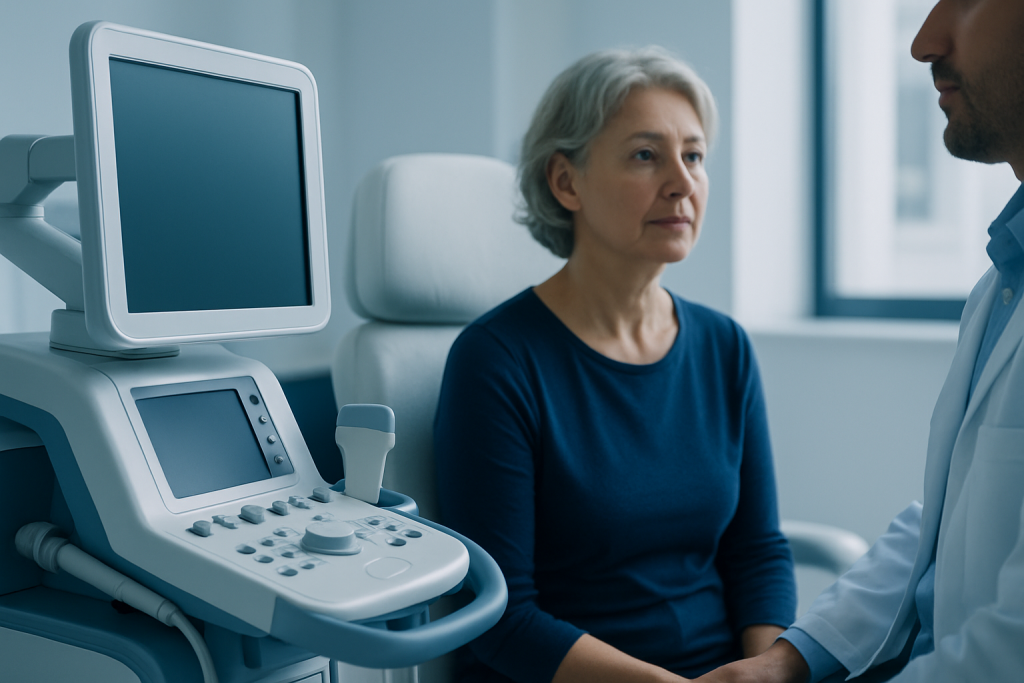
People do not choose facelift surgery because of a single symptom, but rather because several age-related changes begin to feel more noticeable in the mirror or in photographs. The most common concerns are softening along the jawline, heaviness around the lower cheeks, deeper folds beside the mouth, and skin laxity in the neck. Some patients also notice that makeup sits differently or that the face looks tired even when they feel well rested.
Mini facelifts are often discussed when the concern is early jowling or a mild loss of definition in the lower face. SMAS and deep-plane techniques are usually considered when the laxity is more established, or when the patient wants improvement in the midface as well as the jawline. In many cases, the “symptom” is not a wrinkle alone, but a shift in how the entire face is supported.
It is also common for patients to have different concerns on each side of the face. One side may show more jowl formation, while the other appears more descended in the cheek. A thoughtful consultation looks at these asymmetries rather than treating the face as a flat, symmetrical surface.
Causes & Risk Factors

Facial aging is driven by several overlapping changes. Skin gradually loses elasticity, fat pads can shift or shrink, and the supporting ligaments and soft tissues of the face loosen with time. Bone remodeling also contributes to changes in contour, which is why aging affects not only the skin but the entire facial framework.
Genetics play a major role in how quickly these changes appear and where they show first. Some people develop early jowls, while others notice volume loss in the cheeks or a heavier neck. Sun exposure, smoking, major weight fluctuations, and some medical conditions can also affect skin quality and healing potential.
For surgical planning, the most important risk factors are not simply age or a desire for a longer-lasting result. Surgeons also consider medications, blood clotting issues, past procedures, scar tissue, blood pressure control, and the patient’s ability to pause certain habits before and after surgery. Patients traveling abroad should be especially clear about their medical history, because the safest plan depends on accurate information and enough time for preparation.
Technique choice is often shaped by the pattern of aging rather than one isolated feature. For example, a patient with more skin excess than deep tissue descent may not need a more extensive lift, while someone with heavier tissue descent may not be well served by a skin-only tightening approach.
Diagnosis
There is no laboratory test that determines the right facelift. The “diagnosis” is a careful facial assessment by a qualified plastic surgeon, usually supported by photographs taken from multiple angles. The surgeon evaluates skin quality, soft-tissue descent, neck contour, the degree of jowling, and whether the midface has shifted downward.
During the consultation, patients are often asked about previous cosmetic procedures, medical conditions, healing problems, and the amount of downtime they can realistically manage. For international patients, this conversation should also cover travel dates, hotel or recovery setting, who will assist after surgery, and how any post-operative checks will be handled once they return home.
The consultation is also the time to discuss expectations in concrete terms. A mini facelift may improve definition, but it will not create the same degree of structural repositioning as a deep-plane operation. Likewise, a deep-plane approach may offer broader lift in selected patients, but it is not automatically the best option for every face. Good planning comes from matching the operation to the anatomy, not from chasing a name.
Patients should feel comfortable asking to see before-and-after examples of cases similar to their own facial pattern. That is often more useful than general reassurance, because it helps clarify how much change is realistic for a specific face.
Treatment Options
A mini facelift is generally a more limited operation aimed at early lower-face laxity. It usually focuses on the jawline and jowl area through shorter incisions and a smaller degree of tissue repositioning. For the right patient, it can produce a cleaner lower face with less operative extent and a shorter recovery than a more comprehensive lift.
A SMAS facelift works with the superficial musculoaponeurotic system, a support layer beneath the skin. By tightening or repositioning this layer, the surgeon can improve jawline definition and lower-face contour while avoiding excessive tension on the skin itself. Many patients are drawn to this option because it offers a balance between visible change and a natural-looking result.
A deep-plane facelift goes deeper than a SMAS-only approach, releasing and lifting tissues in a different anatomic plane. This may be especially useful when there is significant midface descent, deeper nasolabial folds, or a heavy lower face that needs broader repositioning. Because the lift occurs at a deeper level, the skin can often rest more naturally over the new contour.
The choice among these methods is not only about “how much lift” is possible. It also affects scar length, operative time, swelling patterns, and the surgeon’s strategy for the neck and midface. Some patients may also need complementary procedures, such as eyelid surgery, fat transfer, or neck-focused refinement, if those areas contribute to the overall aged appearance.
In practical terms, patients planning surgery abroad should ask how the surgeon decides between the techniques, whether the plan may change once the tissues are examined in person, and what happens if the face shows more laxity than expected on the day of surgery. A flexible, anatomy-based plan is usually a sign of careful surgical thinking.
Recovery profiles differ as well. A mini facelift may allow a faster return to light social activity, while deeper operations may involve more swelling and a longer period before the face begins to settle into its result. The timeline varies widely by individual healing, but it is wise to plan conservatively, especially when long-distance travel is involved.
Prevention & Self-care
A facelift does not stop the aging process, but it can reset the visible effects for a period of time. The most helpful self-care begins before surgery: stop smoking if applicable, discuss all medications and supplements with the surgeon, and keep chronic conditions such as blood pressure or diabetes well controlled. These steps support healing and lower avoidable risks.
After surgery, patients are usually advised to rest with the head elevated, avoid heavy lifting, and follow instructions for wound care and compression or dressings if provided. Gentle movement is often encouraged early, but strenuous exercise, bending, and anything that raises blood pressure may need to wait until the surgeon confirms it is safe. Because traveling patients may be eager to return to sightseeing or long flights, a realistic recovery schedule should be built into the trip from the start.
Sun protection is also important after facial surgery, because healing skin can be more vulnerable to pigmentation changes. A patient’s skin care routine should be simplified at first, then gradually reintroduced based on the surgeon’s guidance. If swelling feels uneven or the face changes quickly, the safest step is to contact the surgical team rather than trying to self-correct with massage or over-the-counter remedies.
Long-term maintenance matters too. Healthy sleep, regular sunscreen use, stable weight, and avoiding tobacco can help preserve results. Some patients choose non-surgical treatments later, such as skin-quality treatments or volume support, but those decisions should be made only after the facelift has fully healed.
When to See a Doctor
A consultation with a board-certified or appropriately qualified plastic surgeon is appropriate when facial aging begins to affect confidence, when makeup or grooming no longer hides the changes, or when the patient wants to understand whether surgery is even necessary. The best time to seek advice is before booking travel, so there is enough time to review medical history and plan recovery properly.
Patients should also contact a doctor promptly if they have a history of poor wound healing, bleeding problems, uncontrolled medical illness, smoking they cannot stop, or prior facial surgery that may affect the new plan. These factors do not automatically rule out treatment, but they do make careful preparation more important.
After surgery, urgent medical review is needed if there is sudden increasing pain, heavy bleeding, a rapidly enlarging swelling, fever, breathing difficulty, or a change in skin color that suggests compromised healing. Most recoveries are straightforward, but early communication with the surgical team is the safest way to protect the result.
For international patients, continuity matters. Before travel, it is helpful to know who will answer questions after discharge, how wound checks will be arranged, and whether the clinic can coordinate with a local physician if needed once the patient is back home. Acibadem Health Point’s multidisciplinary specialists and JCI-accredited hospitals support diagnosis and treatment for international patients, which can make this coordination more manageable.
Choosing the Right Approach for an Overseas Facelift
For patients deciding on surgery abroad, the most useful mindset is not “Which facelift is strongest?” but “Which facelift matches my face and my travel plan?” A mini facelift may suit someone with earlier aging who wants a focused change. A SMAS facelift often offers a middle path with broad lower-face improvement. A deep-plane facelift may be better when the tissues have descended more deeply and the midface needs stronger repositioning.
The final result depends on much more than the technique name. Surgeon skill, anatomical judgment, skin quality, smoking status, recovery discipline, and how well the aftercare is organized all shape the outcome. A well-planned operation should feel tailored, not standardized.
Patients who are traveling for care often benefit from writing down their goals before the consultation: what bothers them most, what kind of downtime they can realistically accept, and whether they want subtle refinement or a more noticeable reset. That conversation helps the surgeon recommend a plan that is both medically sound and practical for an international journey.
What to Ask in Consultation
Good facelift planning usually becomes clearer when patients ask specific questions rather than broad ones. Instead of asking only which procedure is “best,” it helps to ask how the surgeon decides between mini, SMAS, and deep-plane methods for a face with similar features. That answer reveals far more about the surgeon’s thinking than a generic promise of natural results.
- Which areas of my face are driving the aged appearance?
- Why would you recommend one technique over another in my case?
- How will this plan affect my jawline, cheeks, and neck?
- What is the expected recovery timeline before travel home?
- What follow-up will I need after I leave the country?
Patients may also want to ask how Scar Revision Surgery: When Can It Improve Scar Appearance?" class="ahp-ilk">revision surgery is handled if healing is uneven or if the final result does not match the original plan. That is not a negative question; it is a practical one, especially when treatment is being coordinated across borders.
In the end, the right facelift is the one that respects facial anatomy, fits the patient’s lifestyle, and comes with a clear pathway for follow-up. When those pieces are in place, surgery abroad can be planned with much greater confidence and calm.
Frequently asked questions
How is a mini facelift different from a SMAS facelift?
A mini facelift is usually more limited and targets early lower-face laxity, especially around the jawline. A SMAS facelift works on a deeper support layer and can provide broader repositioning with a more comprehensive lift of the lower face.
Is a deep-plane facelift always better because it is deeper?
Not necessarily. A deep-plane facelift can be very effective for selected patients, but the best choice depends on facial anatomy and the pattern of aging. A smaller or SMAS-based procedure may be more appropriate for some faces.
How long should a patient plan to stay abroad after facelift surgery?
That depends on the extent of surgery and the surgeon’s follow-up protocol. Patients should plan enough time for early wound checks, swelling management, and safe travel clearance before flying home.
Will a facelift also improve the neck?
It can, but not always to the same degree. Some facelift techniques improve the neck indirectly, while others need a specific neck component for better contour; the surgical plan should be individualized.
What are the most important factors for a natural-looking result?
Good facial analysis, an experienced surgeon, appropriate technique selection, and careful healing all matter. A natural result usually comes from repositioning the tissues in harmony with the face rather than pulling the skin tightly.
Can patients combine a facelift with other procedures?
Yes, some patients combine facelift surgery with eyelid surgery, fat transfer, or neck refinement. Whether that is appropriate depends on health status, surgical time, and the goals discussed during consultation.
References
- American Society of Plastic Surgeons
- International Society of Aesthetic Plastic Surgery
- Mayo Clinic
- National Health Service
- American Society for Aesthetic Plastic Surgery
This article is for general information only and is not a substitute for professional medical advice. Please consult a qualified doctor about your individual situation.
More from the Health Library



Related Specialists

Dr. Serkan Tokgönül
Aesthetic Plastic & Reconstructive Surgery
Dr. Ömercan Yağız Öksüz
Aesthetic Plastic & Reconstructive Surgery
Prof. Dr. Mehmet Veli Karaaltın
Aesthetic Plastic & Reconstructive Surgery
Dr. Nezail Demirciler
Plastic, Reconstructive and Aesthetic Surgery