Edmr

Key Takeaways
- EDMR usually refers to EMDR, a guided therapy that helps the brain process distressing memories in a safer, less overwhelming way.
- It is most often used for trauma-related conditions, but it may also support people with anxiety, phobias, and some stress-related symptoms.
- Treatment is typically delivered by a trained mental health professional and is paced according to the person’s readiness and stability.
- A good assessment matters before starting, especially when symptoms are severe, complicated, or linked to other mental health conditions.
- Self-care, social support, and follow-up after therapy can be especially important when a person is traveling internationally for care.
EDMR is commonly used to describe EMDR, a structured psychotherapy approach that helps people process distressing memories and reduce their emotional impact. It is often considered for trauma-related symptoms, anxiety, and other difficulties that can follow overwhelming experiences.
Overview
EDMR is commonly used as a shorthand for EMDR, which stands for eye movement desensitization and reprocessing. It is a structured type of psychotherapy designed to help people work through distressing memories that continue to trigger strong emotions, body sensations, or intrusive thoughts long after the event has passed.
Rather than asking a person to simply talk through painful memories in detail, EMDR uses a carefully guided process that helps the brain revisit those memories in a more regulated way. Many people find this appealing because it can feel more organized and less verbally demanding than some other trauma-focused therapies.
For international patients, EMDR may be part of a broader mental health plan that begins with a detailed assessment, includes coordination with a psychiatrist or psychologist if needed, and continues with follow-up after returning home. The right approach depends on the person’s symptoms, history, and current level of support.
Symptoms and conditions it may address
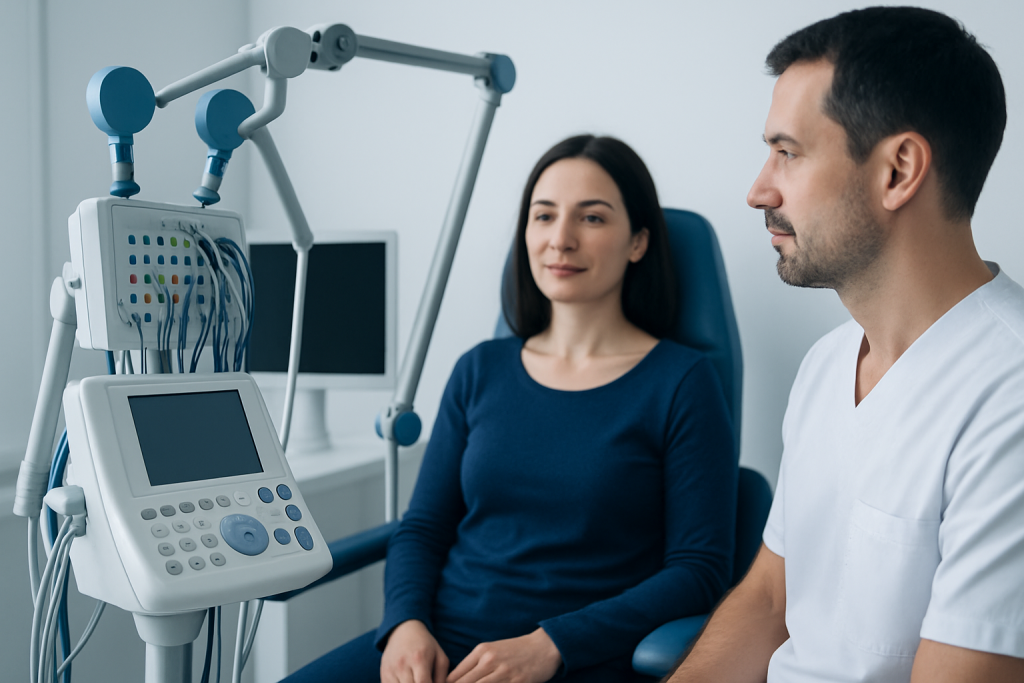
EMDR is most often associated with trauma-related symptoms, especially those seen after accidents, violence, abuse, medical crises, or other overwhelming experiences. People may notice flashbacks, nightmares, avoidance of reminders, hypervigilance, irritability, or a persistent sense that the event is still happening in the present.
It may also be considered when distressing memories contribute to anxiety, panic, low self-esteem, or phobias. In some cases, people seek EMDR because certain experiences have become “stuck” in memory and continue to shape sleep, mood, relationships, or confidence.
Common reasons people ask about EMDR include:
- Post-traumatic stress symptoms
- Panic or intense anxiety linked to past events
- Phobias or strong avoidance patterns
- Grief or loss that remains emotionally overwhelming
- Distressing memories related to medical treatment or injury
Not every difficult experience is best treated with EMDR, and not every person with trauma symptoms will be ready for it immediately. A clinician usually looks at the full picture, including safety, stability, and whether other therapies should come first.
Causes and risk factors

EMDR does not treat a single disease; it is a therapy method used when the nervous system seems to remain activated by earlier experiences. Some memories are processed and stored without ongoing distress, while others stay emotionally “live,” especially after events that were sudden, frightening, repeated, or occurred without support.
People may be more likely to need trauma-focused therapy if they have lived through prolonged stress, childhood adversity, accidents, natural disasters, assault, war-related experiences, or serious health events. Ongoing stress, lack of social support, sleep disruption, and additional mental health concerns can also make recovery more difficult.
Risk factors do not mean a person will definitely need EMDR, but they help clinicians understand why symptoms may have developed and which treatment route could be most helpful. In a cross-border care setting, this history is especially important because a person may arrive after years of trying to cope alone or after partial treatment elsewhere.
How diagnosis and assessment are done
Before EMDR begins, a qualified mental health professional usually carries out a detailed assessment. This may include questions about current symptoms, past traumatic experiences, sleep, mood, medications, substance use, and any history of self-harm or dissociation. The goal is not to rush into memory processing, but to understand whether the person has enough support and stability for therapy to be safe and useful.
A clinician may also screen for conditions that can overlap with trauma, such as depression, generalized anxiety, panic disorder, or substance-related problems. If symptoms are complex, treatment planning may involve more than one specialist, such as a psychologist, psychiatrist, and when appropriate, a neurologist or primary care physician to rule out medical contributors.
For people traveling for treatment, assessment often needs to be especially thorough, because follow-up may take place in another country. Good planning usually includes discussing how many sessions are needed, what to do if symptoms intensify between appointments, and how records or progress notes will be shared with the person’s local clinician afterward.
Treatment options and what a session may involve
EMDR is delivered in phases, and the exact pace depends on the individual. Early sessions usually focus on history-taking, stabilization, and teaching grounding skills so the person can manage distress between appointments. Only after that does the therapist begin targeted memory work.
During a typical EMDR session, the person is asked to briefly bring a troubling memory to mind while following a form of bilateral stimulation, such as guided eye movements, alternating taps, or tones. The therapist helps the person notice thoughts, emotions, and body sensations without becoming overwhelmed. Over time, the memory often becomes less vivid or less emotionally charged.
EMDR is often part of a larger treatment plan rather than a stand-alone answer. Depending on the situation, care may also include:
- Psychotherapy focused on coping skills or cognitive restructuring
- Medication management for anxiety, depression, or sleep problems
- Family or couples support when relationships have been affected
- Stress-reduction techniques and sleep support
Some people improve after a relatively short course, while others need more time, especially if trauma is complex or long-standing. A careful clinician will adjust the plan rather than forcing the same pace for everyone.
Prevention and self-care
Not every distressing memory can be prevented, but the effects of trauma can sometimes be reduced by getting support early and avoiding prolonged isolation. Reaching out soon after a difficult event, maintaining routines, and staying connected to trusted people may help the nervous system settle more effectively.
Before and during EMDR, self-care often focuses on strengthening regulation rather than “pushing through” painful feelings. Helpful habits may include consistent sleep, gentle movement, limiting alcohol or recreational drugs, and using grounding techniques such as noticing the room, focusing on the breath, or naming safe objects around the body.
For people receiving Varicose Vein Treatment Abroad: When Stockings Are Enough and When Procedures Help More" class="ahp-ilk">treatment abroad, practical self-care matters too. It can help to plan quiet time after sessions, avoid overpacking the schedule, arrange a companion if needed, and make sure there is a way to contact the care team if difficult reactions arise after returning home. Small, realistic supports often make the therapy process safer and easier to sustain.
When to see a doctor
A person should seek professional help if distressing memories, nightmares, panic, avoidance, or emotional numbness continue to interfere with daily life. Support is also important if someone feels “stuck” after trauma, has stopped functioning as usual, or notices that symptoms are worsening rather than slowly improving.
Prompt assessment is especially important if there are thoughts of self-harm, severe depression, substance misuse, dissociation, or episodes of feeling disconnected from reality. In those situations, treatment may need to begin with stabilization and closer monitoring before trauma processing starts.
International patients who are considering treatment outside their home country should ask how the clinic handles intake, emergency planning, and continuity of care after discharge. Acibadem Health Point’s multidisciplinary specialists and JCI-accredited hospitals diagnose and treat this condition for international patients, with an emphasis on coordinated care and safe follow-up.
Living with recovery and follow-up
Recovery from trauma-related symptoms is rarely a straight line. Some days feel easier, while others may bring brief returns of distress, especially when life changes, travel, or family stress reactivate old patterns. That does not necessarily mean treatment has failed; it often means the nervous system is still learning a new response.
Follow-up matters because EMDR can open up difficult material that needs time to settle. A clinician may recommend check-ins, a local therapist for ongoing support, or a written plan that outlines coping strategies, warning signs, and what to do if symptoms flare after the person has returned home.
When care is well coordinated, EMDR can fit into a larger path toward steadier sleep, reduced reactivity, and a stronger sense that the memory belongs to the past. The exact pace differs from one person to another, but the aim is consistent: helping the individual regain a sense of safety, choice, and daily function.
Frequently asked questions
Is EDMR the same as EMDR?
In most cases, EDMR is a misspelling or informal shorthand for EMDR, which stands for eye movement desensitization and reprocessing. EMDR is the recognized therapy name used in clinical practice.
What does EMDR help with?
EMDR is mainly used for trauma-related symptoms, including post-traumatic stress, intrusive memories, and avoidance. It may also help some people with anxiety, phobias, and distress linked to past experiences.
Does EMDR mean a person must talk about every detail of the trauma?
Not necessarily. EMDR is structured so the person can process memories without spending the whole session retelling the event in detail. The therapist still needs enough information to plan safe and effective treatment.
How many EMDR sessions are usually needed?
The number of sessions varies depending on the complexity of symptoms, the person’s history, and how they respond to treatment. Some people need only a limited course, while others benefit from longer-term work and follow-up support.
Can EMDR make symptoms worse at first?
Some people feel tired, emotional, or unsettled after sessions, especially early in treatment. A trained therapist usually prepares the person with coping skills and adjusts the pace if reactions become too strong.
Is EMDR suitable for someone traveling from another country for treatment?
Yes, it can be, provided the clinic does a careful assessment and there is a clear plan for aftercare. It helps when the person knows how follow-up will work once they return home.
References
- World Health Organization
- American Psychological Association
- National Institute of Mental Health
- International Society for Traumatic Stress Studies
This article is for general information only and is not a substitute for professional medical advice. Please consult a qualified doctor about your individual situation.