DVT Symptoms, Causes and Treatment

Key Takeaways
- DVT often causes one-sided leg swelling, pain, warmth, or redness, but it can sometimes be subtle.
- Symptoms may overlap with muscle strain or other leg problems, so medical assessment is important.
- Travel, surgery, reduced mobility, pregnancy, and some medical conditions can increase DVT risk.
- Diagnosis usually involves a clinical exam and imaging such as venous ultrasound.
- Treatment commonly includes anticoagulant medication and movement guidance from a doctor.
Medically reviewed by the Acıbadem clinical team — August 19, 2026
Deep vein thrombosis, or DVT, is a blood clot that forms in a deep vein, most often in the leg. Recognizing DVT symptoms early matters because prompt medical assessment can help reduce the risk of complications and guide safe treatment.
Overview
Deep vein thrombosis, usually shortened to DVT, happens when a blood clot forms in a deep vein, most often in the calf, thigh, or pelvis. Because these veins carry blood back toward the heart, a clot can slow circulation and cause local symptoms in the affected limb.
The condition matters not only because of the clot itself, but because part of it can sometimes move through the bloodstream and reach the lungs, causing a pulmonary embolism. That is why new leg swelling or pain is never something to ignore, especially when it appears on one side only.
For international patients, DVT can be especially relevant after a long flight, a hospital stay abroad, or surgery away from home. The good news is that timely assessment is straightforward in many cases, and treatment plans are usually well established once the diagnosis is confirmed.
Symptoms
DVT symptoms can range from mild to noticeable, and some people have very few Heart Attack Warning Signs: Symptoms and When to Seek Help" class="ahp-ilk">warning signs. The classic pattern is symptoms in one leg rather than both, although clots can occur elsewhere in the body as well.
Common signs include:
- Swelling in one calf, ankle, or entire leg
- Pain or tenderness, often described as aching or cramping
- Warmth over the affected area
- Skin redness or discoloration
- A feeling of heaviness or tightness in the leg
Symptoms do not always look dramatic. A person may notice that a shoe feels tighter on one side, the calf looks fuller than usual, or pain appears when standing or walking. Because these signs can resemble a muscle injury, it is safer to have them checked rather than assuming they will settle on their own.
Causes & Risk Factors

DVT develops when blood flow slows, the vessel wall is irritated or injured, or the blood is more likely to clot than usual. This combination is often described as part of the body’s clotting balance, and several everyday and medical situations can disrupt it.
Risk is higher after major surgery, especially orthopedic procedures, and during periods of limited mobility such as a long hospital recovery or extended bed rest. Long-distance travel can also contribute, particularly if a person sits for many hours without moving around.
Other factors that may raise the chance of DVT include:
- Recent injury or surgery
- Pregnancy or the postpartum period
- Cancer and some cancer treatments
- Hormone-based medicines, including some contraceptives or hormone therapy
- Smoking
- Previous DVT or pulmonary embolism
- Inherited or acquired clotting disorders
- Older age and certain chronic medical conditions
Many people with one or more risk factors never develop a clot, but a risk factor history helps clinicians decide how urgently symptoms should be evaluated and whether preventive steps are needed.
Diagnosis
Doctors usually begin with a careful discussion of symptoms, recent travel, surgery, medications, and personal or family clotting history. A physical examination helps assess swelling, tenderness, skin changes, and whether the pattern fits DVT.
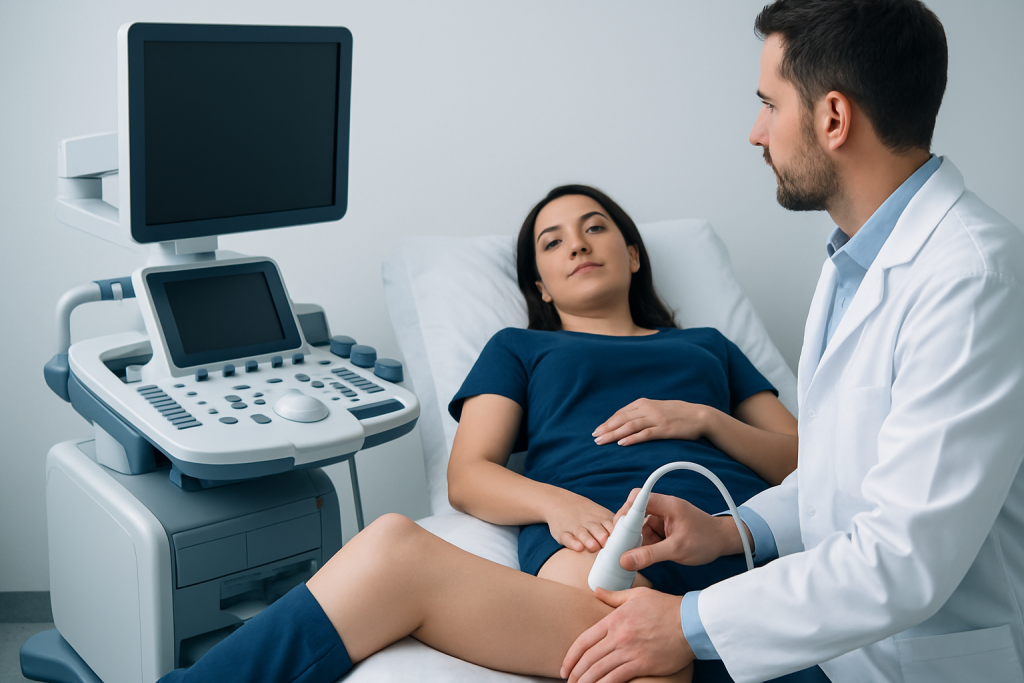
Because symptoms alone cannot confirm or rule out a clot, imaging is often needed. The most common test is a venous ultrasound, which can show whether blood is flowing normally through the vein. In some situations, blood tests or additional imaging may be used to help clarify the diagnosis.
When someone is traveling for care, the diagnostic process is often coordinated quickly so treatment can start without delay. This is particularly important because a confirmed clot usually needs prompt management, while many other causes of leg pain are treated differently.
Treatment Options
Treatment is aimed at preventing the clot from growing, lowering the chance of a pulmonary embolism, and reducing the risk of future clots. Anticoagulant medication, often called a blood thinner, is the mainstay of care for many patients.
The exact plan depends on where the clot is located, how large it is, whether it is considered provoked by a temporary risk factor, and whether the person has other health issues. Doctors may also advise wearing compression stockings in selected cases, though this is not right for everyone.
Some patients need a closer look at the underlying cause, especially if the clot occurred without a clear trigger or if there is concern about an inherited clotting tendency. In more complex cases, specialist teams may coordinate follow-up, medication review, and imaging surveillance after discharge.
People are often encouraged to keep moving in ways that their doctor considers safe, since prolonged immobility can make circulation less efficient. Travel plans, return flights, and post-treatment follow-up should be discussed before leaving care, particularly for patients who are managing treatment from another country.
Prevention & Self-care
Not every DVT can be prevented, but practical habits can lower risk in everyday life and during higher-risk periods. Prevention is especially important for people recovering from surgery, taking long trips, or living with a condition that makes clotting more likely.
Helpful self-care measures may include:
- Walking and changing position regularly during long travel or desk work
- Drinking adequate fluids, unless a doctor has restricted them
- Following postoperative movement instructions carefully
- Using prescribed compression or medication exactly as directed
- Discussing clot risk before surgery, pregnancy, or hormone therapy
After a DVT diagnosis, self-care also means knowing how to take prescribed medicine safely, keeping follow-up appointments, and reporting new symptoms promptly. It is best not to massage a painful, swollen leg or start an exercise program without medical guidance, since the right activity level depends on the individual situation.
When to See a Doctor
A doctor should be contacted promptly for new, unexplained one-sided leg swelling, pain, warmth, or redness, especially if there is recent travel, surgery, or reduced mobility. Even when the symptoms seem mild, early assessment can help distinguish DVT from a muscle strain or another cause.
Emergency care is needed if leg symptoms are accompanied by chest pain, shortness of breath, fainting, a fast heartbeat, or coughing up blood, because these may indicate a pulmonary embolism. Those symptoms should never be watched at home.
For international patients, it is sensible to seek evaluation before continuing a journey if DVT is suspected. If treatment is being coordinated across borders, Acibadem Health Point’s multidisciplinary specialists and JCI-accredited hospitals can diagnose and treat DVT for international patients as part of a structured care plan.
Frequently asked questions
What does DVT leg pain feel like?
DVT leg pain is often described as aching, cramping, tenderness, or a deep heaviness in one leg. Some people notice the calf is tight or painful when standing or walking. Because pain can also come from muscle strain or injury, new one-sided symptoms should be assessed by a doctor.
Can DVT happen without obvious symptoms?
Yes, DVT can sometimes be quiet or only cause mild swelling and discomfort. That is one reason doctors take risk factors such as recent surgery, long travel, or reduced mobility seriously. If a person is at risk, even subtle changes deserve attention.
Is DVT always in the leg?
Most DVTs develop in the deep veins of the leg, but clotting can also occur in other deep veins, such as those in the pelvis or arm. The symptoms depend on the location of the clot. Leg swelling remains one of the most common clues.
How is DVT confirmed?
Doctors usually combine the symptom history with a physical examination and a venous ultrasound. Sometimes blood tests or additional imaging are used when the picture is unclear. The exact approach depends on the person’s symptoms and risk factors.
Should someone keep walking if they suspect DVT?
They should seek medical advice first rather than trying to self-manage. Gentle movement may be part of treatment after DVT is diagnosed, but it is important to know what is safe for the individual case. Until then, the priority is prompt evaluation.
Can travel make DVT symptoms worse?
Long periods of sitting can slow circulation and may worsen leg swelling or discomfort. If DVT is suspected, it is better to get checked before taking a long trip. After diagnosis, doctors can advise on travel timing and safety.
References
- World Health Organization
- Centers for Disease Control and Prevention
- National Heart, Lung, and Blood Institute
- NHS
- Mayo Clinic
This article is for general information only and is not a substitute for professional medical advice. Please consult a qualified doctor about your individual situation.
Explore treatments in Turkey — costs, top hospitals & a free quote
JCI-accredited · board-certified surgeons · reply within 24h
Add us as a Preferred Source to see more of our trusted health content across Google Search, AI Overviews and Discover.