Dentist For Dry Socket

Key Takeaways
- Dry socket usually develops a few days after a tooth extraction, not immediately after the procedure.
- The most common clue is pain that becomes stronger instead of gradually improving.
- A dentist can clean the area, place a soothing dressing, and monitor healing.
- Smoking, poor oral hygiene, vigorous rinsing, and some extractions can raise the risk.
- Good aftercare and timely follow-up help most people recover without long-term problems.
Dry socket is a painful but treatable complication that can happen after a tooth extraction when the healing blood clot is lost or dissolves too early. A dentist can confirm the cause, protect the socket, and guide recovery so symptoms settle safely.
Overview
After a tooth is removed, the empty space is meant to heal in an orderly way. A blood clot usually forms in the socket first, then acts like a protective cover while new tissue develops underneath. When that clot is lost too early, the bone and nerve endings may be exposed, and the area can become unusually painful. This problem is commonly called dry socket, or alveolar osteitis.
A dentist for dry socket focuses on confirming that the discomfort is truly from this condition and not from a different post-extraction issue, such as infection, a retained root fragment, or normal healing soreness. For patients traveling for dental care, especially those returning home soon after an extraction, knowing what symptoms are expected and which ones need reassessment can make recovery feel much more manageable.
Dry socket is not the same as a routine ache after extraction. Ordinary soreness usually eases day by day, while dry socket often begins after a short improvement and then becomes more noticeable. Even though the pain can be intense, the condition is typically temporary and responds well to in-office care.
Symptoms
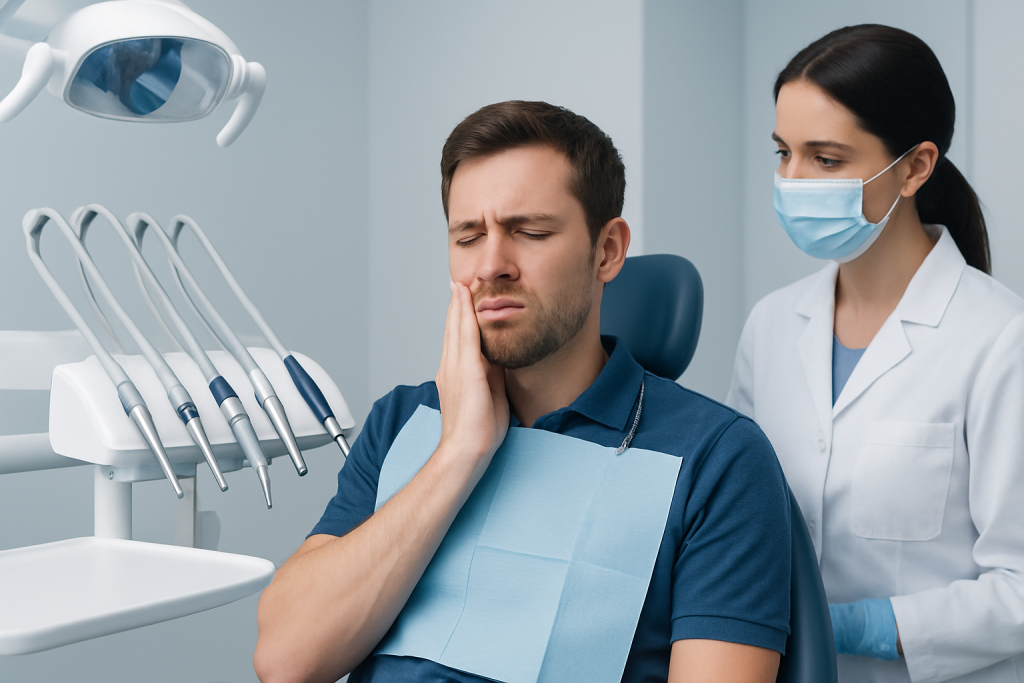
The clearest sign is pain that worsens rather than gradually fades. It often starts one to four days after the extraction and may spread from the socket to the ear, jaw, temple, or the side of the face. Some people also notice that the socket looks empty or that the bone inside seems more visible than expected.
Other symptoms can include a bad taste in the mouth, unpleasant breath, and sensitivity around the area when eating, drinking, or opening the mouth. Swelling may be mild, but it is usually not the main feature. Fever is not typical and may suggest a different problem that deserves prompt evaluation.
Because dry socket pain can be strong, patients sometimes worry that the extraction site is infected. That is understandable, but the two conditions are not identical. A dentist can examine the socket and decide whether the issue is dry socket, infection, or part of normal recovery.
Causes & Risk Factors

Dry socket develops when the protective clot is disturbed, dissolves too soon, or never forms well enough to stay in place. This can happen for reasons that are partly within a person’s control and partly related to the tooth itself. Lower molars, especially wisdom teeth, are more likely to be involved because the extraction can be more complex and the area is harder to keep clean.
Certain habits and situations can raise the chance of dry socket. These include smoking or using tobacco, drinking through a straw, spitting forcefully, rinsing too vigorously in the first days after surgery, and returning to strenuous activity too soon. A history of difficult extractions, prior dry socket, and poor oral hygiene may also contribute.
- Smoking or vaping after extraction
- Forceful rinsing, spitting, or sucking motions
- Traumatic or complex tooth removal
- Lower wisdom tooth extraction
- Previous dry socket
- Delayed or inconsistent post-operative care
In international-patient care, the risk discussion matters because follow-up may occur across borders. A patient who flies home soon after extraction should understand exactly which symptoms are expected, which habits to avoid, and how to reach the dental team if pain becomes unusual.
Diagnosis
Diagnosis is usually clinical, which means the dentist relies on the story of the pain and an examination of the socket. The timing is important: pain that intensifies after the first few days is more suspicious than pain that slowly improves from the day of surgery. The dentist will also look for an empty socket, exposed bone, and the absence of a stable clot.
Most of the time, no complex testing is needed. However, if the symptoms are not typical, the dentist may check for food trapped in the socket, infection, retained tooth or bone fragments, or a problem in a neighboring tooth. This careful evaluation helps avoid unnecessary treatment and makes sure the real cause is addressed.
For patients who had treatment abroad, sharing the extraction date, the type of tooth removed, and any instructions already received can make diagnosis easier. Photos of the area, if available, may also help a dentist compare what has changed since the procedure.
Treatment Options
Treatment is aimed at relieving pain and helping the socket heal in a protected environment. The dentist will usually rinse the area gently to remove debris, then place a medicated dressing or soothing material in the socket. This dressing is not always left permanently; it may need to be changed during one or more follow-up visits depending on symptoms and healing.
Pain relief is an important part of care. A dentist may recommend over-the-counter pain medicine or other options based on the patient’s situation and medical history. If the socket is irritated by food debris or exposed bone, the dressing and careful cleaning often bring noticeable comfort. Antibiotics are not routinely needed for dry socket unless there are signs of infection or another reason to use them.
Patients should not try to scrape, pack, or disinfect the socket on their own. Home remedies and unapproved products can delay healing or irritate the tissue. The best approach is usually a calm, step-by-step plan from the dentist, with reassessment if pain persists or changes.
When treatment begins early, many people feel better within a short time, although some soreness may remain while the tissue closes. For travelers, it may be helpful to schedule follow-up before leaving the treatment city or to arrange clear remote communication for questions after returning home.
Prevention & Self-care
Most prevention happens in the first few days after extraction. Following the dentist’s instructions closely is the most effective way to protect the clot. That usually means avoiding smoking, not using straws, keeping the area clean in the way advised, and eating softer foods until the socket is more settled.
Self-care should be gentle, not aggressive. Brushing the other teeth carefully, staying hydrated, and resting as directed can support healing. If rinsing is allowed, it should usually be mild rather than forceful. Patients should also avoid poking the socket with fingers, cotton swabs, or other objects.
- Do not smoke or vape during early healing
- Avoid straws, forceful spitting, and vigorous rinsing
- Follow instructions for cleaning and oral hygiene
- Choose soft foods and chew away from the extraction site
- Keep follow-up appointments, especially after complex extractions
People who must travel soon after treatment may want to plan the recovery window carefully. Having written aftercare instructions, the clinic’s contact details, and a local dentist identified in advance can make the healing period less stressful and help manage problems quickly if they arise.
When to See a Doctor
A dentist should be contacted if pain becomes stronger a few days after extraction, if the socket seems empty, or if there is a persistent bad taste or odor that does not improve. These changes are especially important if the person had been feeling better and then symptoms returned. Early review can confirm whether the problem is dry socket and start treatment promptly.
Urgent assessment is sensible if there is significant swelling, fever, trouble swallowing, difficulty opening the mouth, or bleeding that does not settle. Those signs may point to a different complication that needs prompt attention. Even when symptoms are not severe, it is better to ask for guidance than to wait and hope the pain passes on its own.
For international patients, a quick message to the treating clinic with a clear description of symptoms can help determine whether a return visit is needed. Acibadem Health Point’s multidisciplinary specialists and JCI-accredited hospitals support diagnosis and treatment for international patients who need coordinated dental care after extraction.
Frequently asked questions
How can a person tell dry socket from normal pain after extraction?
Normal extraction discomfort usually improves steadily over the first few days. Dry socket more often causes pain that gets worse after an initial period of healing and may spread to the ear, jaw, or temple.
Is dry socket an infection?
Not usually. It is mainly a problem with loss of the blood clot and exposed healing tissue, although a dentist still checks for infection because symptoms can overlap.
How is dry socket treated by a dentist?
A dentist commonly rinses the socket gently and places a dressing or soothing material inside it. The treatment is mainly intended to reduce pain and protect the area while it heals.
Can dry socket heal on its own?
It can eventually heal, but the pain may be significant and recovery may be slower without treatment. Dental care usually makes symptoms more manageable and helps the socket heal in a more comfortable way.
What should a person avoid after a tooth extraction to lower the risk?
Smoking, straws, forceful rinsing, and aggressive spitting should be avoided early on. Following the dentist’s aftercare instructions is the best way to protect the clot and support healing.
When should someone contact a dentist after extraction?
They should call if pain worsens after a few days, if the socket looks empty, or if there is a bad taste or odor that does not improve. Fever, significant swelling, or trouble swallowing should be assessed promptly.
References
- American Dental Association
- Mayo Clinic
- NHS
- Cleveland Clinic
This article is for general information only and is not a substitute for professional medical advice. Please consult a qualified doctor about your individual situation.