Dandruff Treatment

Key Takeaways
- Dandruff is often linked to scalp skin turnover, oiliness, and irritation rather than poor hygiene.
- Anti-dandruff shampoos are usually the first treatment and may need consistent use before results are seen.
- Persistent redness, thick scale, or hair loss can suggest another condition such as seborrheic dermatitis or psoriasis.
- Gentle hair care and avoiding over-scratching can help reduce scalp irritation.
- A dermatologist can confirm the cause and tailor treatment if over-the-counter measures are not enough.
Dandruff is a common scalp concern that can cause visible flakes, itching, and irritation, but it is usually manageable with the right treatment plan. Understanding the trigger, choosing suitable scalp care, and knowing when to seek medical advice can make symptoms easier to control.
Overview
Dandruff is a very common scalp condition marked by loose flakes, itching, and sometimes mild redness. It can be frustrating because it tends to return, but it is usually controllable once the underlying pattern on the scalp is understood.
For some people, dandruff is an isolated issue. For others, it sits within a broader skin pattern such as seborrheic dermatitis, which may also affect the eyebrows, sides of the nose, beard area, or behind the ears. That is one reason the best dandruff treatment is not always a single product; it is often a combination of the right shampoo, steady use, and simple scalp habits that lower irritation.
People planning treatment from another country often want a clear answer to a practical question: is this just a cosmetic nuisance, or something that needs a specialist? In most cases, a clinician can tell the difference by looking closely at the scalp and asking a few targeted questions about symptoms, products, and skin history.
Symptoms
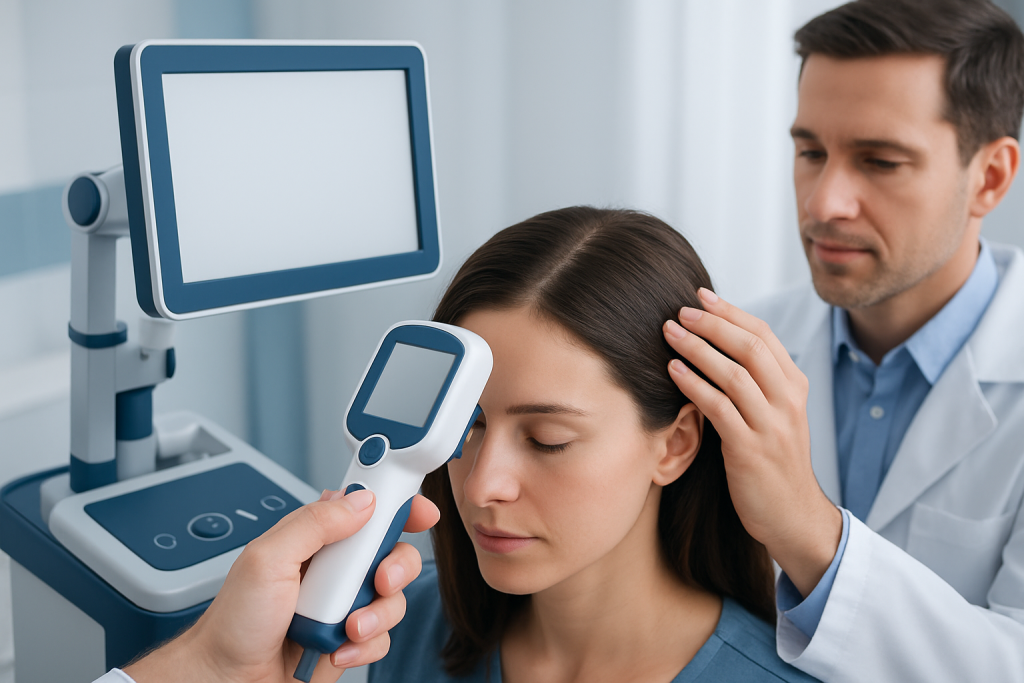
The most familiar sign is white or yellowish flaking that falls onto the shoulders or collects in the hair. The scalp may feel dry, tight, or itchy, and the irritation can become more noticeable in cold weather, during stress, or after using harsh hair products.
Dandruff does not always look the same from person to person. Some people notice fine, dry flakes, while others have larger, greasier scales that cling to the scalp. The skin beneath may look only mildly pink, or it may appear more inflamed if the condition is part of seborrheic dermatitis.
- Visible scalp flakes
- Itching or mild burning
- Redness or irritation
- Greasy or dry scale
- Occasional shedding from scratching, not true hair loss
It is helpful to note whether symptoms stay limited to the scalp or also appear around the face, ears, chest, or eyebrows. That pattern can guide the doctor toward the correct diagnosis and treatment.
Causes & Risk Factors

Dandruff usually develops when the scalp sheds skin cells faster than normal and those cells clump together into visible flakes. A naturally oily scalp can encourage this process, and an overreaction to a yeast that normally lives on the skin, often called Malassezia, is thought to play a role in many cases.
Several factors can make dandruff more likely or more noticeable. These include stress, seasonal changes, certain hair products, infrequent shampooing in some people, and skin conditions such as seborrheic dermatitis, eczema, or psoriasis. Hormonal shifts and a family tendency toward oily skin can also contribute.
Because the scalp is exposed to many daily products, “cause” is not always one thing. In a clinic visit, a dermatologist will often look for clues that point to contact irritation, fungal involvement, psoriasis, or another scalp disorder. That distinction matters because treatment choices differ.
- Oily scalp or skin
- Yeast-related scalp imbalance
- Stress or fatigue
- Cold, dry weather
- Harsh hair care products
- Underlying skin conditions
Diagnosis
Most dandruff diagnoses are made through a careful scalp examination and a conversation about symptoms. A doctor may ask how long the flakes have been present, whether itching is constant or occasional, and which shampoos, dyes, or styling products are used.
In straightforward cases, no special test is needed. If the appearance is unusual, if symptoms are severe, or if treatment has not worked, a dermatologist may consider other possibilities such as psoriasis, fungal infection, or contact dermatitis. In some cases, a skin scraping, dermoscopy, or a small biopsy may be used to clarify the diagnosis.
For international patients, this step is often reassuring because it narrows the problem quickly and avoids trial-and-error treatment. A clear diagnosis also helps prevent unnecessary use of strong products that may irritate the scalp further.
Treatment Options
Anti-dandruff shampoos are usually the first place to start. Different formulas work in different ways: some help slow skin cell turnover, some reduce yeast on the scalp, and others loosen scale so it can wash away more easily. The most effective choice depends on the pattern of flakes and how the scalp reacts to treatment.
Results are often gradual, so consistency matters more than switching products too quickly. A doctor may suggest rotating between shampoos or using one for a set period before moving to maintenance use. If the scalp is inflamed or very itchy, prescription treatments may be recommended for a limited time.
- Medicated shampoos with antifungal or keratolytic ingredients
- Prescription scalp lotions or foams for inflammation
- Treatment of associated seborrheic dermatitis or psoriasis
- Adjustment of hair-care routines to reduce irritation
For people traveling for care, a specialist visit can be useful when dandruff has become persistent, the diagnosis is uncertain, or over-the-counter products have not helped. Acibadem Health Point’s multidisciplinary specialists and JCI-accredited hospitals diagnose and treat scalp and skin conditions for international patients, with follow-up plans that can be coordinated after return home.
Prevention & Self-care
Once symptoms begin to settle, the goal is to keep the scalp comfortable without overcorrecting. Gentle, regular washing helps many people, especially when oil and scale build up easily. The key is to find a rhythm that keeps the scalp clean without stripping it.
It also helps to be careful with styling habits. Heavy products, frequent heat, tight hairstyles, and aggressive scratching can all worsen irritation. If a person notices a product seems to trigger flaking or redness, stopping it for a while is often sensible.
- Use medicated shampoo as directed, even when flakes improve
- Massage the scalp gently rather than scrubbing hard
- Rinse hair thoroughly after washing
- Limit new or fragranced products if irritation appears
- Manage stress and sleep, which can influence flare-ups
Self-care is not about perfection. It is about observing patterns. Many patients find that keeping a simple note of what was used, how often hair was washed, and when flares occurred makes it easier to identify what helps and what does not.
When to See a Doctor
Medical advice is worth seeking when dandruff does not improve after several weeks of appropriate over-the-counter care, or when the scalp becomes increasingly red, painful, or thickly scaled. A professional evaluation is also sensible if flakes extend beyond the scalp or if the diagnosis is uncertain.
Prompt review is especially important if there is patchy hair loss, crusting, pus, bleeding from scratching, or a rash elsewhere on the body. These features may point to another condition that needs a different treatment approach.
People preparing for travel may prefer to have the condition assessed before leaving or soon after arrival, particularly if they need coordinated follow-up. A dermatologist can help set a plan that is practical, safe, and easy to continue at home.
Living With Dandruff Over Time
Dandruff often behaves like a recurring scalp tendency rather than a one-time event. That means the most useful strategy is usually maintenance, not chasing a permanent cure. Once the scalp is under control, many people need only periodic treatment to prevent flare-ups.
It can be helpful to think of dandruff care as adjustable. A shampoo that works in winter may be less necessary in summer, and a product tolerated for months may eventually need to be changed if the scalp becomes sensitive. Working with a dermatologist makes that adjustment easier, especially when symptoms overlap with seborrheic dermatitis or psoriasis.
With a clear diagnosis, a sensible routine, and attention to scalp comfort, most people can keep dandruff from taking over daily life. The condition may be common, but its care can still be personal.
Frequently asked questions
Is dandruff caused by poor hygiene?
Not usually. Dandruff is more often related to scalp oiliness, skin turnover, irritation, or yeast balance than to how often a person washes their hair. Washing habits can affect symptoms, but dandruff is not a sign of being unclean.
How long does dandruff treatment take to work?
Some people notice less flaking within a few washes, while others need several weeks of regular use before the scalp settles. The exact timeline depends on the cause and the product used. Sticking with the chosen treatment as directed is often important.
Can dandruff cause hair loss?
Dandruff itself does not usually cause permanent hair loss. However, scratching, inflammation, or an underlying scalp condition can contribute to temporary shedding or breakage. If hair loss is noticeable, a doctor should check for another cause.
What is the difference between dandruff and seborrheic dermatitis?
Dandruff is often considered the milder end of a similar spectrum, while seborrheic dermatitis usually involves more redness, inflammation, and sometimes oily scale on areas beyond the scalp. A clinician can help tell them apart by examining the skin pattern. The treatment may overlap, but severity and duration matter.
Should someone use dandruff shampoo every day?
Not always. Some medicated shampoos are used a few times a week, while others may be used more or less often depending on the scalp and the product instructions. A dermatologist can suggest a schedule that balances effectiveness with scalp comfort.
When is a prescription treatment needed?
Prescription care may be helpful if over-the-counter shampoos do not control the flakes, if the scalp is very inflamed, or if another skin condition is suspected. A doctor can choose a treatment that matches the diagnosis rather than just the visible flakes.
References
- American Academy of Dermatology
- Mayo Clinic
- National Health Service
- Cleveland Clinic
This article is for general information only and is not a substitute for professional medical advice. Please consult a qualified doctor about your individual situation.