Cupping

Key Takeaways
- Cupping creates suction on the skin and is usually used as a complementary therapy, not a substitute for medical care.
- Temporary circular marks are common after treatment and usually fade within days to a couple of weeks.
- It may be considered for muscle soreness, stiffness, or general relaxation, but evidence for many claimed benefits is limited.
- People with bleeding disorders, certain skin conditions, or those using blood-thinning medicines should speak with a doctor first.
- A qualified clinician should assess persistent pain, unexplained symptoms, or any skin reaction that seems unusual after cupping.
Cupping is a traditional therapy that uses suction on the skin to help ease certain types of muscle tightness and discomfort. It is not a one-size-fits-all treatment, so understanding how it works, what to expect, and when it may be inappropriate can help patients make informed choices.
Overview
Cupping is an age-old technique in which cups are placed on the skin to create suction. That suction gently draws the skin upward and is sometimes used over areas of muscle tension, stiffness, or soreness. In modern settings, it is usually offered as a complementary treatment rather than a stand-alone cure for a medical condition.
For some people, the appeal of cupping is practical: it is brief, non-surgical, and may feel relaxing when performed by a trained professional. For others, especially international patients planning care away from home, it is important to understand where cupping fits within a broader treatment plan. A responsible clinician will first look at the reason for the discomfort, then decide whether cupping is reasonable, unnecessary, or best avoided.
The method can vary. Dry cupping uses suction only, while wet cupping involves small skin incisions before suction is applied and is much more invasive. The approach, the area treated, and the patient’s health history all matter, because not every style is suitable for every person.
Symptoms and What Cupping Is Used For
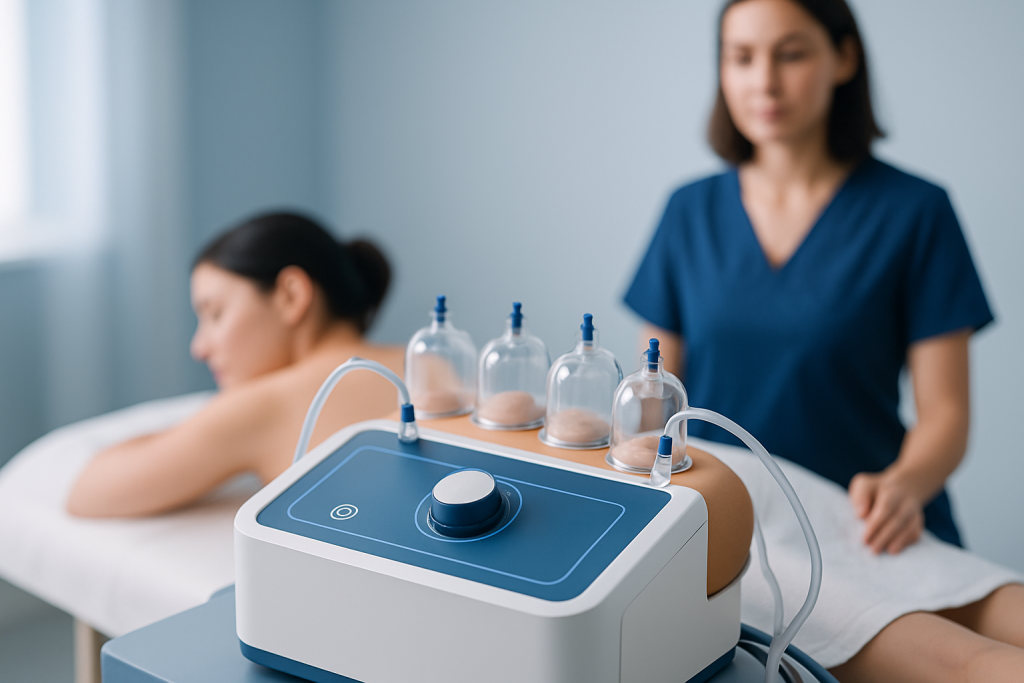
Cupping is not usually described as treatment for a disease itself. Instead, it is often chosen for symptoms such as localized muscle tightness, back or neck discomfort, a feeling of stiffness after physical activity, or general tension. Some people also seek it for relaxation as part of a wellness or rehabilitation plan.
After treatment, the skin often shows round marks that may look dramatic but are usually harmless. These marks are not bruises in the usual sense, although they can resemble them. Mild tenderness, a warm sensation, or a short-lived pulling feeling can also occur during or after a session.
It is important to keep expectations realistic. Cupping may help some patients feel more comfortable for a period of time, but it does not correct structural problems such as a herniated disc, arthritis, infection, or nerve compression. If the symptom pattern is ongoing, worsening, or unexplained, a doctor should look for the underlying cause rather than relying on suction therapy alone.
Causes and Risk Factors
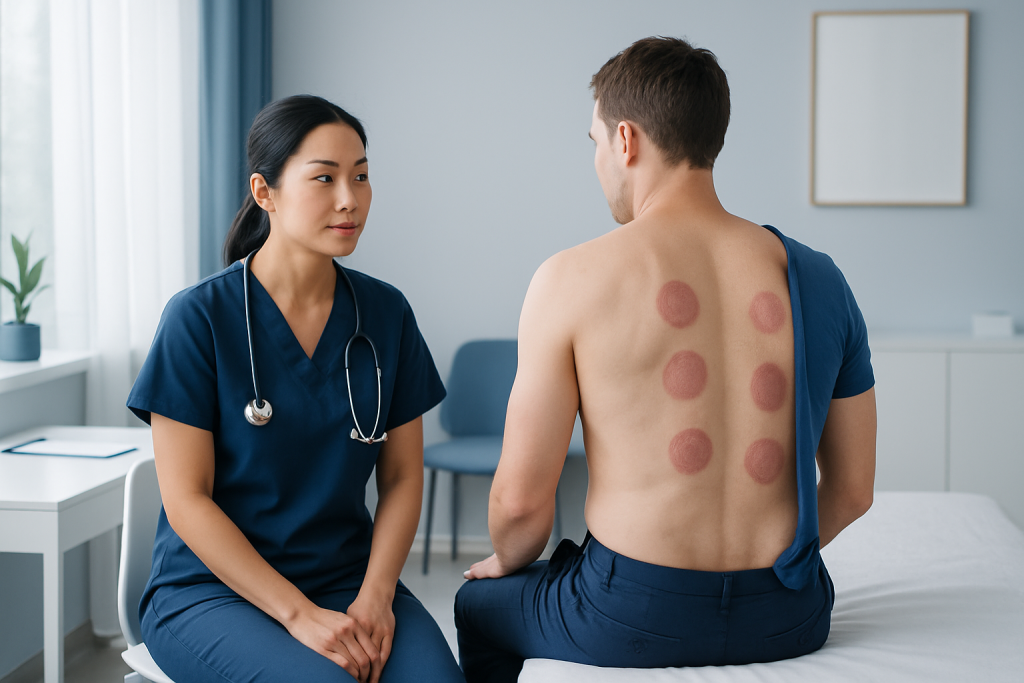
Cupping is most often considered when discomfort seems related to muscle tension, overuse, sports training, or prolonged sitting and posture strain. People who prefer non-drug options may also ask about it when looking for additional support alongside physiotherapy, stretching, or other conservative care.
Certain health factors can make cupping less suitable. A person may need extra caution if they have a bleeding disorder, take anticoagulant medicines, have fragile skin, active eczema, psoriasis, sunburn, open wounds, or reduced sensation in the treatment area. Wet cupping requires even more care because it breaks the skin and increases the chance of infection or prolonged bleeding.
Travel and timing matter as well. International patients who hope to schedule cupping during a medical trip should think about the overall plan: whether they will be able to rest afterward, keep the area clean, and arrange follow-up if skin reactions are stronger than expected. A careful consultation before treatment can help avoid an unpleasant surprise once they return home.
Diagnosis and Assessment Before Treatment
Cupping does not require a diagnostic test, but it should never be offered without a basic medical assessment. A trained practitioner should ask what symptoms are present, how long they have lasted, what makes them better or worse, and whether any red flags are present such as numbness, fever, swelling, unexplained weight loss, or recent injury.
The skin is also examined before cups are applied. The clinician looks for infection, irritation, broken skin, prominent veins, or areas where suction could be unsafe. If the patient uses blood-thinning medication or has a history of easy bruising, that information should be shared openly before any session begins.
In a hospital-based environment, this assessment helps determine whether cupping is appropriate at all, and if so, which type is safest. It also helps separate simple muscle discomfort from problems that need imaging, laboratory tests, medication, or another form of treatment first.
Treatment Options
Dry cupping is the most familiar form. A cup is placed on the skin and a vacuum effect is created using heat, a pump, or a suction device. The cup may stay in one place or be moved gently after oil is applied, depending on the technique and the area treated.
Wet cupping is different because it involves small skin incisions before suction is applied. Because it is more invasive, it should only be performed by experienced professionals in a properly controlled setting. It is not suitable for everyone and usually requires stricter screening for bleeding risk and infection prevention.
Some patients combine cupping with other supportive measures such as physiotherapy, manual therapy, stretching, exercise planning, posture correction, heat, or relaxation techniques. That combination often makes more sense than cupping alone, especially when the concern is movement-related pain. A doctor or rehabilitation specialist can help decide which approach is most appropriate for the individual’s condition and travel schedule.
The session itself is usually brief. The sensation may feel tight or tugging, but it should not be sharply painful. If the feeling becomes painful, burning, or numb, the cup should be removed and the area reassessed.
Possible Benefits and Limitations
Some people report short-term relief of muscle tightness or a sense of lightness after cupping. Others find the treatment relaxing, which may be helpful when stress contributes to tension in the neck, shoulders, or back. In a rehabilitation setting, that temporary relief can sometimes make stretching or movement exercises easier to tolerate.
At the same time, the scientific evidence is mixed. Cupping has been studied for various complaints, but the quality of evidence is often limited and the results are not consistent across conditions. It is best understood as a complementary option that may help certain symptoms for some patients, rather than a proven cure-all.
That distinction matters, especially for people traveling for care. A patient may feel better for a few days after treatment, but lasting improvement usually depends on addressing the real driver of the problem: posture, overuse, inflammation, joint disease, or another medical issue. Good care keeps those possibilities in view instead of promising more than the therapy can deliver.
Prevention and Self-care
After cupping, the skin should be kept clean and protected. It is usually sensible to avoid very hot showers, intense exercise, harsh scrubbing, or tight clothing over the area until the skin settles. If the skin is sore, a cool compress may be more comfortable than repeated rubbing.
General self-care can also reduce the likelihood that someone will seek repeated passive treatments. Regular movement, gentle stretching, ergonomic adjustments, hydration, and a gradual return to exercise may help manage recurring muscle tension. For patients whose symptoms are linked to stress, sleep and relaxation habits can be just as important as any local treatment.
Anyone considering cupping should ask in advance how to care for the area, especially if they will be flying home soon after the session. Long travel days can make a tender area feel more irritated, so planning ahead for rest, clothing choices, and follow-up access is wise. If a patient is being treated at Acibadem Health Point, multidisciplinary specialists and JCI-accredited hospitals can help diagnose and treat the underlying condition for international patients as part of a coordinated plan.
When to See a Doctor
Medical advice is important if pain is persistent, severe, or linked to numbness, weakness, fever, swelling, chest symptoms, or a recent injury. Those features suggest that the problem may not be simple muscle tension and may need a proper examination before any complementary treatment is continued.
A doctor should also be contacted if the skin after cupping becomes increasingly red, hot, painful, blistered, or begins to ooze. Prolonged bleeding, dizziness, fainting, or signs of infection are not expected and should be reviewed promptly. People who take blood thinners should be especially careful and should not assume cupping is harmless.
For international patients, it is often helpful to seek guidance before travel rather than after symptoms become more complicated abroad. A clear diagnosis, a safe treatment plan, and instructions for follow-up make it easier to recover well and avoid unnecessary delays in care.
Frequently asked questions
What is cupping used for?
Cupping is commonly used as a complementary therapy for muscle tightness, soreness, and general relaxation. It may be part of a broader rehabilitation plan, but it is not a substitute for diagnosing the cause of ongoing pain.
Are the marks after cupping normal?
Yes, round marks are common and usually fade on their own. They may look like bruises, but they are often related to the suction effect rather than injury, unless the skin is unusually painful or blistered.
Is cupping painful?
Most people describe it as a pulling or tight sensation rather than sharp pain. If it feels painful, burning, or causes numbness, the treatment should stop and the area should be checked.
Who should avoid cupping?
People with bleeding disorders, active skin infections, open wounds, fragile skin, or those taking blood-thinning medicines should speak with a doctor first. Wet cupping needs even more caution because it involves breaking the skin.
Does cupping work for everyone?
No single treatment works for everyone. Some people feel short-term relief, while others notice little change, so it is best viewed as one possible supportive option rather than a guaranteed solution.
How should someone prepare for a cupping session?
They should share their medical history, medicines, and any skin problems with the practitioner. It also helps to plan for rest afterward, especially if they are traveling or will have limited access to follow-up care.
References
- World Health Organization
- National Center for Complementary and Integrative Health
- NHS
- Mayo Clinic
- Cochrane Library
This article is for general information only and is not a substitute for professional medical advice. Please consult a qualified doctor about your individual situation.