Corn On Foot: Causes, Symptoms and Treatment

Key Takeaways
- Corns form where skin protects itself against repeated pressure or friction.
- They often appear on toes or pressure points on the sole and can hurt when walking.
- Well-fitting shoes, reducing rubbing, and gentle skin care are central to treatment and prevention.
- People with diabetes, poor circulation, or nerve problems should avoid self-treating hard skin on the feet.
- A podiatrist or doctor can confirm the diagnosis and remove a corn safely when needed.
Medically reviewed by the Acıbadem clinical team — August 19, 2026
A corn on foot is a small area of thickened skin that forms in response to repeated pressure or rubbing, often from footwear or foot shape. It is usually manageable with simple care, but persistent pain, diabetes, or circulation problems warrant medical guidance.
Overview
A corn on the foot is the skin’s way of defending itself. When a small area is repeatedly pressed or rubbed, the body responds by building a compact plug of thickened skin. That thickened spot can become tender, especially inside shoes or during walking.
Corns are common and usually not serious, but they can be stubborn. Some are tiny and feel like a pebble under the skin; others form on toes or between toes where friction is concentrated. The pattern of the corn often tells a story about how the foot is bearing weight, what kind of footwear is being worn, or whether a toe deformity is changing the way pressure is distributed.
For people planning care while traveling, foot pain can become more noticeable during long sightseeing days, airport walking, or wearing unfamiliar shoes. A careful diagnosis matters because a corn may resemble a callus, a wart, or another skin problem, and each is managed differently.
Symptoms and What a Corn Feels Like
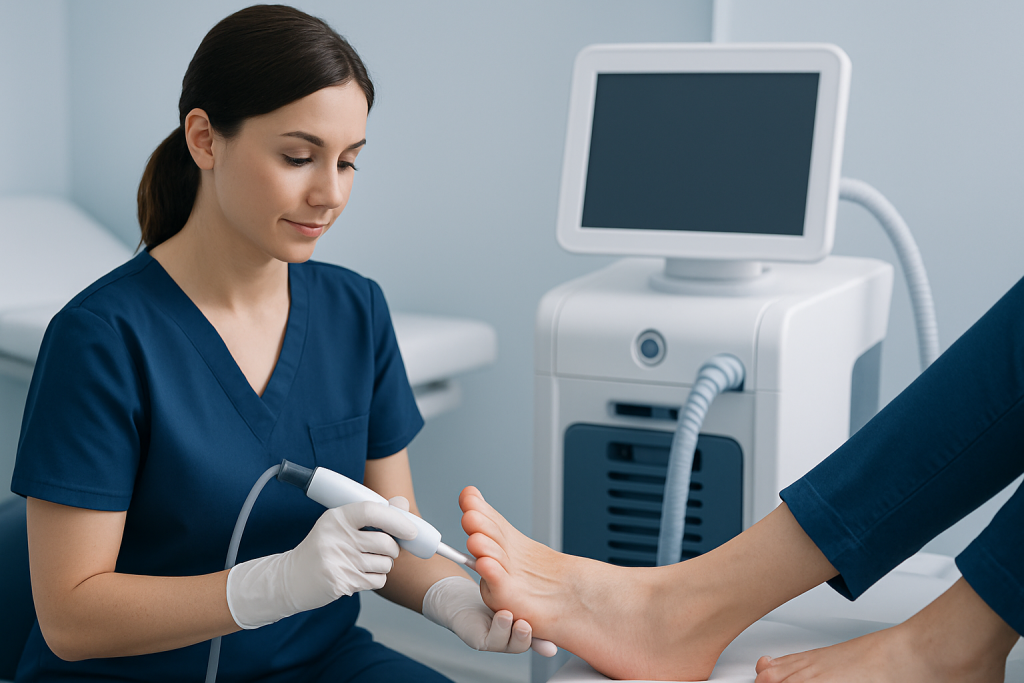
Corns usually appear as a small, round, raised area of hardened skin. They often have a dense center and may look yellowish or dry. The surrounding skin may be normal or slightly inflamed if the area has been irritated for some time.
The most typical symptom is pain from pressure. Many people describe a sharp or burning discomfort when the corn is pressed, while others notice soreness only after a long day on their feet. Soft corns, which form between toes, can feel white and rubbery because the area stays moist from sweat and nearby skin contact.
Common places include the tops and sides of toes, the areas between toes, and pressure points on the sole. A corn may be small, but if it sits on a high-pressure spot, it can affect gait and make walking less comfortable than expected.
- Small, thickened, well-defined patch of skin
- Pain or tenderness with direct pressure
- Dry, hard, or sometimes soft and whitish appearance
- Location on toes or weight-bearing areas of the foot
Causes and Risk Factors
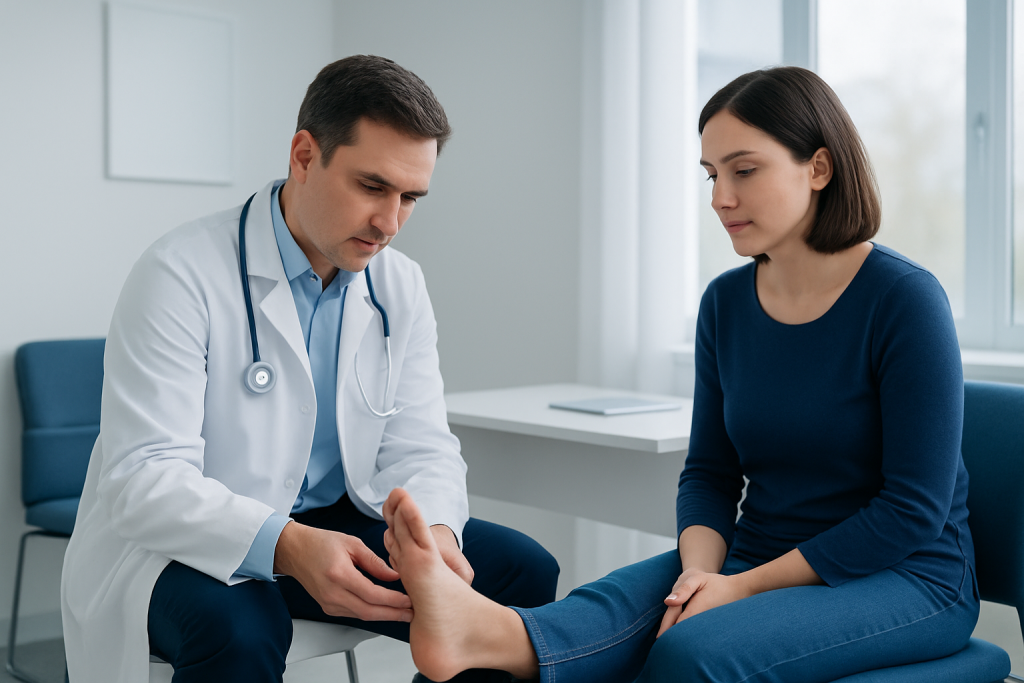
The immediate cause is repeated friction or pressure. Tight shoes, high heels, narrow toe boxes, seams inside shoes, or worn-out footwear can all create the rubbing that leads to a corn. Walking long distances in shoes that do not match the foot shape can have the same effect.
Foot structure also matters. Bunions, hammertoes, toe overlap, flat feet, high arches, or changes in walking pattern can shift pressure onto a small area. In these situations, a corn is less about “dirty skin” and more about a mechanical problem that keeps irritating the same spot.
Some people are more likely to develop corns because of age-related changes in the skin, occupational demands, sports, or foot deformities. Moisture between the toes may contribute to soft corns, while dry skin and high-friction footwear often contribute to hard corns.
Risk increases when foot care is difficult to do safely. This is especially important for people with diabetes, neuropathy, poor circulation, or a history of foot ulcers, because even minor skin problems may need professional attention.
Diagnosis
Diagnosis is usually straightforward for a clinician who can examine the foot, ask about footwear, activity levels, and pain patterns, and look at where the skin has thickened. The shape, location, and tenderness of the lesion often point to a corn.
A doctor or podiatrist will also try to distinguish a corn from a callus or wart. A callus is usually broader and less sharply defined, while a wart may have tiny dark dots and can interrupt the natural skin lines. In some cases, the real issue is not the corn itself but the pressure pattern underneath it, such as a toe deformity or a bony prominence.
For international patients, diagnosis is often the first practical step before travel plans, extended walking, or post-procedure rehabilitation. A clear assessment helps decide whether the corn can be managed conservatively, safely trimmed, or treated as part of a larger foot problem.
Treatment Options
Treatment focuses on two goals: reducing pressure and removing excess thick skin safely. The most important step is usually to stop the repeated rubbing that caused the corn in the first place. Without that, the problem tends to return.
Conservative care may include wider shoes, softer materials, cushioned insoles, toe spacers, padding over the irritated area, or adjustments to laces and straps. A clinician may gently pare down the thick skin in the office if appropriate. This can relieve pain, but it is not the same as curing the underlying pressure problem.
At-home care should remain gentle. Soaking the foot, using a pumice stone lightly after bathing, and applying moisturizing cream to dry skin may help keep the surrounding skin comfortable. Over-the-counter corn-removal products that contain strong acids are not suitable for everyone and can harm healthy skin, especially in people with diabetes or reduced sensation.
In persistent cases, treatment may also address the cause. If a toe deformity or structural issue is driving repeated pressure, orthotics, padding, or, in selected situations, a procedure may be discussed. Surgery is not usually the first step, but it may be considered when a structural problem keeps producing painful corns despite good footwear and conservative measures.
Prevention and Self-care
Prevention is often about small, consistent choices rather than dramatic changes. Shoes should have enough room in the toe box, a comfortable fit in the heel, and no internal seams or edges that rub. When possible, footwear should match both the foot shape and the activity, since walking all day in a shoe that is fine for short periods may still trigger pressure spots.
Protective padding can reduce friction around vulnerable areas, and moisture control matters when toes are close together. People who sweat heavily may benefit from breathable socks and shoes that dry well between wears. Regular inspection of the feet can catch an early area of hard skin before it becomes painful.
Self-care should be cautious. It is better to gently smooth thickened skin than to cut it, use sharp blades, or apply harsh treatments without advice. This is particularly important for older adults and anyone with diabetes, poor circulation, nerve changes, or fragile skin.
- Choose shoes with a wider toe box and stable fit
- Use cushioning or protective pads over pressure points
- Keep feet dry, clean, and regularly checked
- Address bunions, hammertoes, or gait issues with professional guidance
- Avoid self-cutting or aggressive chemical removal
When to See a Doctor
Medical advice is sensible when the corn is painful, keeps coming back, or makes walking difficult. A clinician can confirm that the lesion is truly a corn and not something else, and can look for the mechanical reason it formed in the first place.
Prompt assessment is especially important if there is redness, swelling, drainage, bleeding, warmth, or sudden worsening pain. Those changes may indicate infection or another condition that should not be treated as a simple callus or corn.
People with diabetes, reduced circulation, neuropathy, immune suppression, or a history of foot ulcers should not try to manage a painful corn on their own. Even a small spot of thick skin can become complicated if healing is slower or sensation is reduced. A podiatrist, dermatologist, orthopedic specialist, or foot-and-ankle doctor can help plan safe care and follow-up, including when a patient is preparing to travel or return home after treatment.
Acibadem Health Point’s multidisciplinary specialists and JCI-accredited hospitals diagnose and treat foot conditions such as corns for international patients, with care plans that can include conservative treatment, pressure reduction, and follow-up guidance.
Living Comfortably With Recurrent Corns
When corns return, the foot is usually signaling that pressure is still being placed on the same spot. That is why long-term comfort often depends on a mix of skin care, footwear changes, and attention to foot mechanics rather than repeated removal alone.
For people who travel frequently, it can help to pack supportive shoes instead of relying on new or fashion-driven pairs for long walking days. Carrying simple padding, moisture-wicking socks, and any prescribed orthotic insert can make a noticeable difference. If symptoms recur despite good self-care, a specialist review is worthwhile because the shape of the foot or the way it lands may need more targeted support.
With the right approach, most corns can be managed without panic or complicated treatment. The key is to treat the skin gently and the cause seriously.
Frequently asked questions
What is the difference between a corn and a callus?
A corn is usually smaller, more defined, and often painful when pressed directly. A callus tends to cover a broader area and is usually less tender. A clinician can confirm the difference by examining the skin and the pressure pattern on the foot.
Can a corn on the foot go away on its own?
Sometimes it may improve if the rubbing or pressure stops, but many corns persist until the cause is addressed. Changing footwear and protecting the area are usually necessary. If pain continues, medical evaluation is helpful.
Is it safe to cut or shave a corn at home?
No. Cutting the skin at home can cause injury, bleeding, or infection, especially if the skin is thin or if the person has diabetes or poor circulation. Gentle care and professional treatment are safer choices.
Do corn pads and removers work for everyone?
They may help some people, but they are not suitable for everyone. Products that contain acids can damage surrounding skin, particularly in people with sensitive skin, reduced sensation, or chronic health conditions. A doctor or pharmacist can help choose a safer option.
When should a painful corn be checked by a doctor?
It should be checked if it is very painful, keeps returning, or affects walking. It also deserves prompt attention if there is redness, swelling, drainage, or any sign of infection. People with diabetes or circulation problems should seek care early rather than waiting.
Can the shape of the foot cause corns to keep coming back?
Yes. Bunions, hammertoes, toe overlap, and other structural issues can shift pressure to one spot and repeatedly create a corn. In those cases, treatment often needs to address both the skin and the underlying foot mechanics.
References
- American Academy of Dermatology
- Mayo Clinic
- NHS
- Cleveland Clinic
- American Podiatric Medical Association
This article is for general information only and is not a substitute for professional medical advice. Please consult a qualified doctor about your individual situation.
Explore treatments in Turkey — costs, top hospitals & a free quote
JCI-accredited · board-certified surgeons · reply within 24h
Add us as a Preferred Source to see more of our trusted health content across Google Search, AI Overviews and Discover.