Cirs

Key Takeaways
- CIRS is a proposed multi-system illness often linked to mold or other biotoxin exposure.
- Symptoms can include fatigue, brain fog, headaches, sleep problems, and body aches.
- Diagnosis usually requires a detailed exposure history and tests to rule out more common conditions.
- Treatment focuses on removing the trigger, supporting recovery, and addressing related health issues.
- People traveling for care may need follow-up planning, home-environment advice, and coordinated specialist review.
Chronic inflammatory response syndrome (CIRS) is a complex condition in which the immune system stays activated after exposure to certain biotoxins, often including mold-related environments. Because its symptoms can overlap with many other illnesses, a careful medical evaluation is essential.
Overview
Chronic inflammatory response syndrome, often shortened to CIRS, describes a pattern of persistent inflammation that may develop after exposure to certain biotoxins, most commonly from water-damaged buildings and mold. In everyday language, people often notice that they do not feel “back to normal” after leaving an affected place, even when the original exposure has ended.
What makes CIRS challenging is that it is not a single-organ problem. It can affect energy levels, thinking, sleep, pain perception, and general wellbeing, which is why patients may first seek help from different specialists before the broader pattern becomes clear.
For international patients, the practical question is often not only “What is causing these symptoms?” but also “How can the diagnosis be confirmed safely, and what should happen after travel home?” A well-organized medical review helps answer both.
Symptoms
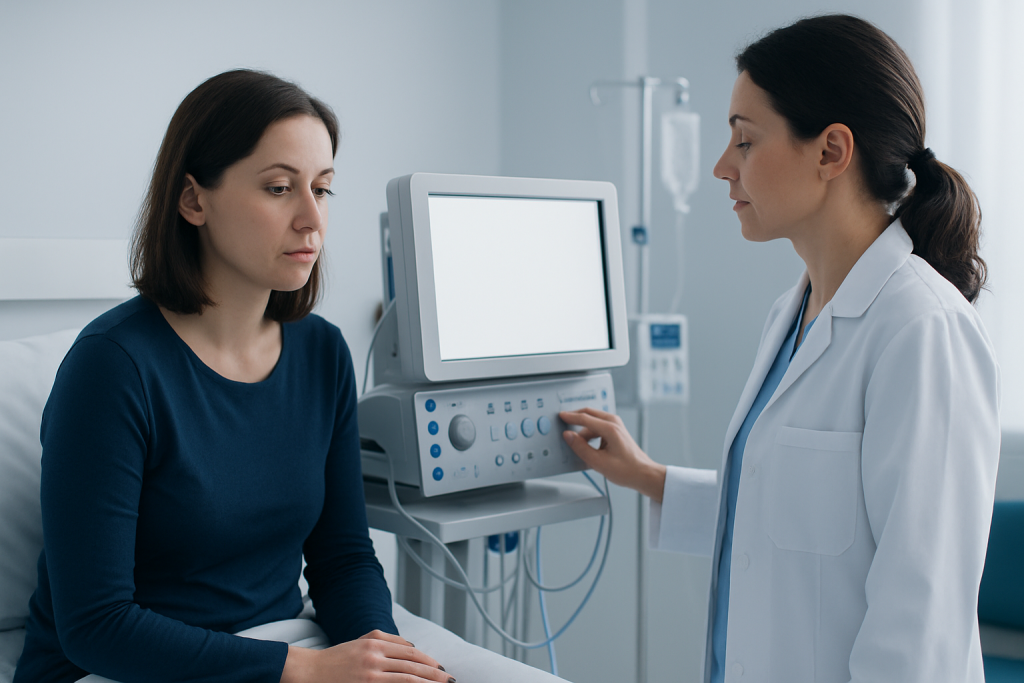
CIRS symptoms are often non-specific, which means they can resemble many other health conditions. People may describe feeling unwell in a way that is hard to explain, with symptoms that come and go or become worse in certain environments.
Commonly reported symptoms include:
- Persistent fatigue or low stamina
- Brain fog, slow thinking, or poor concentration
- Headaches or pressure sensations
- Sleep that feels unrefreshing
- Muscle aches, joint discomfort, or body stiffness
- Nasal congestion, cough, or sinus irritation
- Dizziness, light sensitivity, or temperature sensitivity
- Mood changes such as irritability or feeling overwhelmed
Not every person with suspected CIRS has the same symptom pattern. Some people notice respiratory complaints first, while others mainly struggle with cognitive symptoms or profound tiredness. Because these problems overlap with thyroid disease, anemia, sleep disorders, autoimmune conditions, depression, and infections, symptoms alone are not enough to make the diagnosis.
Causes & Risk Factors

CIRS is most often discussed in relation to exposure to mold or mold fragments in water-damaged buildings. The concern is not limited to visible mold; damp environments can contain inflammatory particles and compounds that may affect sensitive individuals even when the problem is not obvious to the eye.
Possible contributing factors include repeated or prolonged exposure, poor ventilation, flooding, hidden leaks, or a home or workplace with persistent dampness. Some people appear more vulnerable because of pre-existing allergies, asthma, immune differences, or a history of repeated environmental exposures.
It is important to approach this topic carefully. Many people live or work in humid environments without developing CIRS, and not every symptom cluster is caused by mold. A clinician should consider other diagnoses as well, especially when symptoms are severe, long-lasting, or changing over time.
Diagnosis
Diagnosing CIRS begins with a detailed conversation. A clinician will usually ask when symptoms started, whether they improved away from a particular building, and whether there was flooding, leaks, or visible dampness in the patient’s home, office, or hotel stay. For travelers, this history may include airports, temporary housing, and prior living conditions, because exposure can happen in more than one place.
Testing is often used to rule out more common causes of fatigue, pain, brain fog, or sinus symptoms. Depending on the case, a doctor may recommend blood work to check for anemia, inflammation, thyroid problems, nutritional deficiencies, infection, allergy-related issues, or other conditions. Some clinicians also use specialized tests that are discussed in CIRS-focused care, but these should be interpreted in the context of the full clinical picture rather than in isolation.
Imaging or other studies may be helpful when symptoms suggest sinus disease, lung involvement, sleep-disordered breathing, or another specific problem. A good diagnosis is usually stepwise and practical: identify possible exposure, confirm or exclude alternative explanations, and build a treatment plan that matches the patient’s overall health status.
Treatment Options
Treatment for suspected CIRS usually starts with reducing or stopping exposure. If the patient is still in a water-damaged environment, medical care may not be enough on its own. Addressing the setting is often a key part of recovery, whether that means remediation, relocation, or careful changes to the patient’s daily environment.
After exposure control, clinicians may focus on symptom relief and recovery support. This can include treatment for sinus irritation, sleep problems, headaches, allergies, asthma, pain, or mood symptoms. Some care plans also involve nutritional support, hydration, gradual activity pacing, and follow-up testing to monitor improvement.
In selected cases, specialists may discuss therapies aimed at reducing inflammatory response or supporting toxin elimination pathways. These decisions should be individualized and supervised by a qualified doctor, because approaches that help one person may not be appropriate for another. A patient with multiple conditions, pregnancy, kidney or liver disease, or complex medication use needs especially careful review.
Prevention & Self-care
The most useful prevention step is to limit exposure to damp, mold-prone spaces. That may mean checking for leaks early, keeping indoor humidity under control, ensuring proper ventilation, and being cautious about rental properties, hotels, or older buildings with visible moisture problems.
For people recovering from suspected CIRS, self-care is usually about making symptoms easier to tolerate while the underlying trigger is addressed. Many patients benefit from steady sleep routines, regular meals, gentle movement, hydration, and avoiding overexertion during the early recovery period. Keeping a simple symptom diary can also help identify patterns related to environment, travel, food, or activity.
When returning home after Varicose Vein Treatment Abroad: When Stockings Are Enough and When Procedures Help More" class="ahp-ilk">treatment abroad, it is wise to plan the living space before arrival if possible. Clean air, low dampness, and clear follow-up instructions can make recovery more stable. If the patient is unsure about the home environment, a qualified environmental professional may be helpful.
When to See a Doctor
Medical evaluation is appropriate when fatigue, headaches, brain fog, sinus symptoms, or unexplained body aches persist for more than a short period, especially if they seem linked to a specific building or return after re-exposure. A doctor can help distinguish CIRS-like symptoms from more common and treatable conditions.
Prompt review is especially important if there is shortness of breath, fever, chest pain, fainting, confusion, severe weakness, or a rapid decline in function. These symptoms do not point to CIRS specifically and should not be managed by self-diagnosis.
International patients often do best with a coordinated evaluation that combines history, testing, and a clear follow-up plan. At Acibadem Health Point, multidisciplinary specialists and JCI-accredited hospitals diagnose and treat this condition for international patients as part of a structured, patient-centered process.
Living With Symptoms While the Workup Continues
Many people feel discouraged when symptoms are real but the cause is still being sorted out. It helps to remember that a careful workup is not a delay for its own sake; it is often the safest way to avoid missed diagnoses and unnecessary treatment.
Small practical steps can make the period before diagnosis more manageable. Prioritizing rest, recording symptom triggers, keeping follow-up appointments, and sharing prior home or travel exposures with the doctor can improve the quality of care. If the patient is traveling for evaluation, bringing prior records, medication lists, and any available building or exposure information can be very useful.
Recovery is usually easiest when the plan is realistic and coordinated. Even when the process is gradual, many patients feel reassured once the cause of symptoms is being addressed in a structured way.
Frequently asked questions
Is CIRS the same as a mold allergy?
No. A mold allergy is an immune reaction that typically involves allergic symptoms such as sneezing, itching, or wheezing. CIRS is used to describe a broader inflammatory pattern that may affect several body systems, and it requires a more comprehensive medical evaluation.
Can CIRS be diagnosed from symptoms alone?
Usually not. Because the symptoms overlap with many other conditions, clinicians look at exposure history, physical findings, and tests that help rule out other causes. Symptoms are important, but they are only one part of the picture.
Does everyone exposed to mold develop CIRS?
No. Many people are exposed to damp environments without developing this kind of persistent symptom pattern. Individual susceptibility, duration of exposure, and overall health may all play a role.
What is the first step if someone suspects CIRS?
The first step is usually a medical appointment to review symptoms and possible exposures. At the same time, it is sensible to look for and reduce any dampness or mold in the environment, because ongoing exposure can make recovery harder.
Can recovery happen after moving away from the trigger?
Many people improve when exposure stops and the underlying issues are addressed, but the pace varies. Some patients need additional treatment for sleep, sinus, pain, or other symptoms before they feel fully better.
Is CIRS care the same for travelers and local patients?
The core medical approach is similar, but travelers often need extra planning. That includes organizing records, considering the home environment after return, and arranging follow-up so care continues smoothly across borders.
References
- Centers for Disease Control and Prevention
- World Health Organization
- Mayo Clinic
- National Institute of Environmental Health Sciences
This article is for general information only and is not a substitute for professional medical advice. Please consult a qualified doctor about your individual situation.