Classical Conditioning

Key Takeaways
- Classical conditioning happens when the brain learns to connect two events that occur together.
- The response can be automatic, such as salivation, anxiety, anticipation, or a physical reaction.
- It plays a role in everyday habits, emotional learning, phobias, and some health-related behaviors.
- Classical conditioning is usually identified through history and observation rather than a medical test.
- Understanding triggers can help people reduce unhelpful learned responses and support healthier habits.
Classical conditioning is a fundamental learning process in which the brain links one event with another and begins to respond predictably. It helps explain everyday habits, emotional triggers, and some treatment approaches in psychology and rehabilitation.
Overview
Classical conditioning is one of the best-known ways the brain learns. In simple terms, a person notices that two things happen together often enough that the first begins to predict the second. Over time, the body and mind may start responding to the first event automatically, even before the second appears.
This learning process was first described through experiments in behavioral psychology, but it is not limited to laboratories. It shows up in ordinary life when a smell brings back memories, a notification sound creates alertness, or a clinic visit causes tension because it has been linked with past discomfort. These responses are usually not a sign that something is wrong; they are examples of how the nervous system adapts to experience.
For patients and families, classical conditioning is useful because it helps explain why some reactions feel immediate and difficult to control. It can also guide care in mental health, rehabilitation, and behavior change, where clinicians sometimes work to reshape unhelpful associations and strengthen helpful ones.
How classical conditioning works
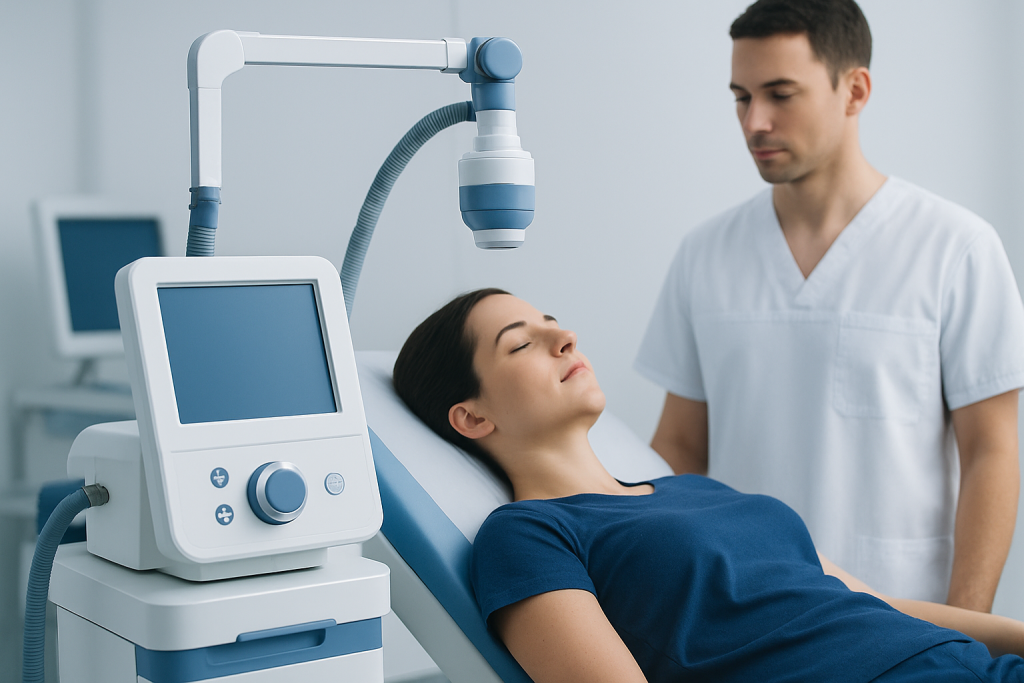
Classical conditioning usually involves a few core elements. Before learning occurs, one event may naturally produce a response. For example, food can cause salivation. A second event may initially mean nothing on its own, such as a bell sound or a particular room. When the two events are repeatedly paired, the previously neutral event starts to trigger a similar response.
In this framework, the original natural trigger is often called the unconditioned stimulus, and the natural reaction is the unconditioned response. After the brain learns the association, the once-neutral cue becomes the conditioned stimulus, and the learned reaction becomes the conditioned response. The terminology may sound technical, but the idea is straightforward: the mind and body learn patterns from repetition.
Importantly, the response is not always identical to the original one. It may be smaller, faster, or tied to emotion rather than a physical reflex. A person who has had a painful dental experience, for instance, may begin to feel tense just by entering the waiting room, even before any treatment starts.
Examples in everyday life

Classical conditioning is easier to understand when it is placed in familiar settings. Many people have experienced it without realizing it. A song can bring back the feeling of a particular time in life. The sound of a hospital monitor may make someone uneasy because it has been associated with a difficult diagnosis or a loved one’s illness. A child who has heard a doctor’s office linked with needles may feel anxious before the appointment begins.
It also appears in positive ways. The smell of a favorite meal can create a sense of comfort before the first bite. A clean therapy room may help a patient feel calmer because it has been connected with safe, guided care. In rehabilitation, repeated pairing of certain cues with supportive exercises can help people settle into routines more easily.
These examples show that classical conditioning is not only about fear or discomfort. It is a broad learning process that helps the brain anticipate what is likely to happen next. That prediction can support daily functioning, but it can also create unwanted reactions if the learned association is stressful or no longer accurate.
Why it matters for health and behavior
Although classical conditioning is a psychology concept, it has practical relevance in health care. It can influence how people respond to medical environments, treatment routines, medications, alarms, smells, or even the language used during care. Over time, these cues may become linked with relief, discomfort, hope, or fear.
In mental health, conditioned responses may contribute to phobias, panic triggers, or avoidance behaviors. In rehabilitation, they may affect participation if a person associates movement with pain or failure. In chronic illness care, learned associations can influence adherence to appointments, diet routines, or self-management habits.
For international patients, this matters because unfamiliar surroundings already require adjustment. A patient traveling for care may notice stronger reactions to new sounds, equipment, or clinical spaces. Understanding that such responses can be learned and modified often helps people approach treatment with greater confidence and less self-judgment.
Causes and risk factors
Classical conditioning does not have a single cause in the disease sense. It is a normal feature of learning. The strongest associations usually form when an event is repeated, emotionally meaningful, or closely timed with a response. A frightening, painful, or highly rewarding experience can make the brain especially attentive to the cue linked with it.
Certain factors may make conditioned responses more noticeable or persistent. These include previous trauma, repeated pain, anxiety, sleep deprivation, stress, and environments that feel unfamiliar or unpredictable. Children may develop associations quickly because their brains are still organizing patterns, while adults may carry learned responses from earlier life events.
Context also matters. The same cue can mean different things in different settings. A scent, tone, or room that is neutral in one place may carry strong emotional meaning in another because of a past experience. This is why one person may feel perfectly calm in a clinic while another feels uneasy even before the consultation begins.
Diagnosis and assessment
Classical conditioning is not diagnosed with a blood test, scan, or single questionnaire. Instead, clinicians identify it by listening to the person’s history and noticing patterns between cues and responses. The key question is whether a specific stimulus reliably seems to trigger a learned reaction.
Assessment may include discussing when the reaction began, what situations make it stronger, whether it fades in safe settings, and how it affects daily life. A clinician may also explore whether the response is related to pain, trauma, anxiety, or another condition that deserves direct treatment. The goal is not to label the person, but to understand the pattern clearly enough to help.
In some cases, a medical evaluation is important first, especially if the symptoms include fainting, chest pain, breathing difficulty, or other physical complaints that could have a non-psychological cause. Once urgent medical issues are excluded, the learned response can be addressed more confidently and appropriately.
Treatment options and management
Management depends on the impact of the conditioned response. If the reaction is mild and not disruptive, education alone may be enough. Simply understanding that a response was learned can reduce worry and make the feeling less mysterious. When the reaction interferes with health care, sleep, work, or daily life, additional support may help.
Psychological approaches often focus on changing the association between the cue and the response. Techniques may include gradual exposure, relaxation training, cognitive-behavioral strategies, and careful re-pairing of the trigger with a safer experience. In some settings, clinicians may use counterconditioning, which means helping the brain learn a new, more helpful association.
For example, a person who feels tense in medical settings may benefit from predictable explanations, paced breathing, and repeated positive visits that are not linked to painful procedures. In rehabilitation, therapists may introduce movement in a way that reduces fear and rebuilds confidence. Medication may be used in some cases if anxiety or another mental health condition is also present, but treatment should always be individualized by a qualified professional.
Support can also be practical. Preparing questions before an appointment, bringing a trusted companion, using translation support when needed, and asking for step-by-step explanations may all reduce stress during care, especially for someone traveling internationally for treatment.
Prevention and self-care
Because classical conditioning is part of normal learning, it cannot be fully prevented. However, people can lower the chance that an unhelpful association becomes stronger. Repeated exposure to a trigger without the feared outcome can sometimes weaken the learned response over time. Familiar routines, clear communication, and good sleep also support a steadier nervous system.
Self-care is often about reducing unnecessary stress around known triggers. Helpful steps may include keeping a simple record of what prompts the reaction, identifying patterns, practicing calm breathing before predictable situations, and sharing concerns with health professionals early. If a particular cue is linked with pain or fear, do not force exposure alone if the reaction is severe; supervised guidance may be safer and more effective.
- Notice which cues set off the response and in what setting they appear.
- Use consistent routines before appointments or challenging tasks.
- Ask clinicians to explain what will happen next in plain language.
- Practice relaxation skills when calm, not only during stress.
- Seek support if the reaction limits daily life or medical care.
When to see a doctor
A doctor or mental health professional should be consulted when a learned reaction becomes intense, persistent, or disruptive. This is especially important if the response leads to avoiding important medical care, causes frequent panic, interferes with sleep, or affects eating, movement, or relationships.
Medical review is also appropriate if the symptoms could reflect another condition. Some physical problems can look like anxiety or a conditioned reaction, so it is wise not to assume the cause. A clinician can help distinguish between a learned response, a stress-related issue, and a medical condition that needs direct treatment.
For international patients, it can be helpful to seek a center that can coordinate evaluation, interpretation services, and follow-up planning across borders. Acibadem Health Point’s multidisciplinary specialists and JCI-accredited hospitals diagnose and treat many conditions for international patients in a coordinated way. The aim is to make care clearer, safer, and easier to continue after returning home.
Frequently asked questions
What is classical conditioning in simple terms?
It is a way of learning in which the brain links two events that happen together. After enough pairing, the first event can trigger a response on its own. This can be a physical reaction, an emotion, or a sense of anticipation.
Is classical conditioning the same as habit formation?
Not exactly, although the two can work together. Classical conditioning is about learning associations between cues and responses, while habit formation is more about repeated actions becoming automatic. In real life, both processes often influence behavior at the same time.
Can classical conditioning cause anxiety?
It can contribute to anxiety when a cue has been linked with fear, pain, or stress. The person may feel tense before the event even happens because the brain predicts something unpleasant. This does not mean the feeling is imaginary; it means the association has been learned.
Can classical conditioning be unlearned?
Learned responses can often be reduced or changed, especially with repeated safe experiences and professional support. Techniques such as gradual exposure and counterconditioning are commonly used. Progress may be gradual, but many people improve when the trigger is addressed carefully.
When should someone get help for a conditioned response?
Help is a good idea when the reaction is severe, keeps returning, or interferes with daily life or medical care. Support is also important if the symptoms might be caused by another medical or mental health condition. A clinician can help determine the cause and the best next step.
Does classical conditioning only happen in children?
No. It can happen at any age because it is a normal part of how people learn from experience. Children may form some associations quickly, but adults continue to develop them throughout life.
References
- American Psychological Association
- National Institute of Mental Health
- World Health Organization
- Merck Manual Consumer Version
- Encyclopaedia Britannica
This article is for general information only and is not a substitute for professional medical advice. Please consult a qualified doctor about your individual situation.