Cecum

Key Takeaways
- The cecum sits at the junction of the small intestine and large intestine and helps move digestive contents onward.
- Pain or discomfort in the lower right abdomen can come from the cecum, the appendix, or nearby bowel structures.
- Diagnosis usually combines a medical history, physical examination, blood tests, and imaging such as ultrasound or CT.
- Treatment depends on the cause and may include observation, medication, antibiotics, or surgery in selected cases.
- Persistent abdominal pain, fever, blood in the stool, or unexplained bowel changes should be assessed by a doctor.
The cecum is the first pouch of the large intestine, located where the small and large bowel meet. Most people never notice it, but problems in this area can affect digestion and sometimes cause right lower abdominal pain or other bowel symptoms.
Overview
The cecum is a short, pouch-like section of the large intestine. It sits in the lower right part of the abdomen, where the small intestine empties into the colon through the ileocecal valve. In everyday life, it does not often get much attention, yet it is an important landmark in digestive anatomy and a site where several conditions can begin.
Its role is mostly to receive material from the small intestine and help the large bowel continue the process of absorbing water and forming stool. The cecum also sits next to the appendix, so symptoms from either structure can feel similar. For that reason, a complaint that seems to be “in the cecum” often needs careful evaluation rather than assumptions.
People planning care from another country sometimes hear the word cecum during a scan, colonoscopy, or emergency assessment and are unsure what it means. Understanding its location and function makes it easier to interpret test results and to know why a doctor may focus on the lower right abdomen during examination.
Symptoms
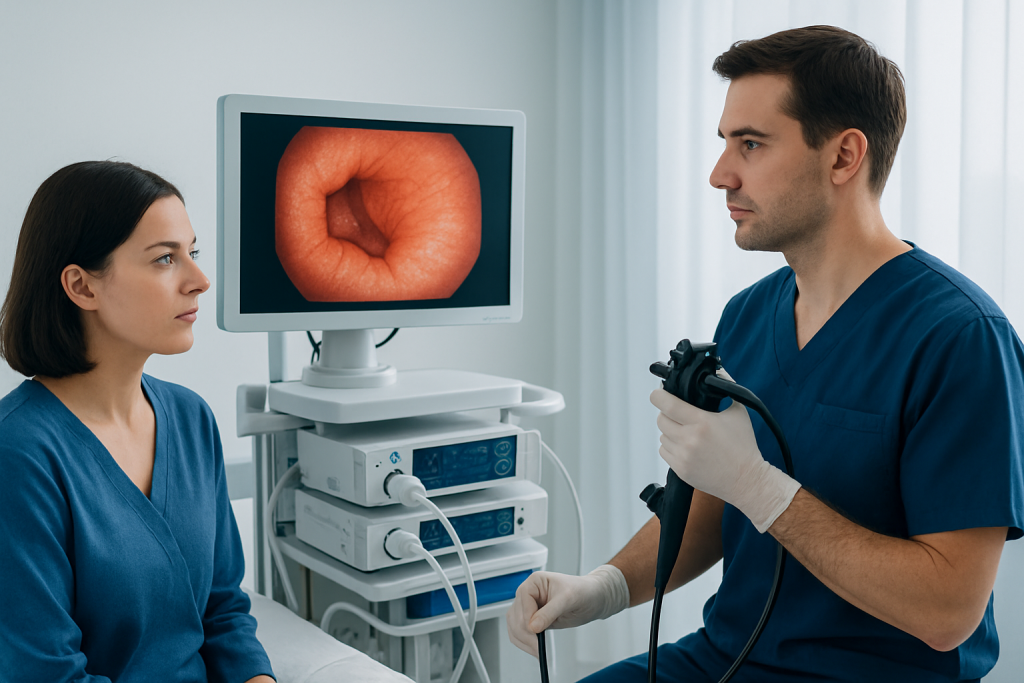
The cecum itself usually does not cause symptoms unless it is inflamed, blocked, stretched, injured, or involved in another bowel condition. When problems arise, the discomfort is often felt in the right lower abdomen, although pain can be vague, crampy, or even widespread at first.
Common symptoms associated with cecal conditions may include:
- Right lower abdominal pain or tenderness
- Bloating, cramping, or a sense of fullness
- Nausea or reduced appetite
- Changes in bowel habits, such as diarrhea or constipation
- Fever or general feeling of being unwell, depending on the cause
- Occasionally blood in the stool or signs of bowel obstruction
Because the cecum lies close to the appendix, terminal ileum, and right ovary in women, symptoms are not always specific. A person may think the issue is “stomach flu” or a muscle strain when the real source is in the bowel. Ongoing or worsening symptoms deserve medical review, especially if they are new for that person.
Causes & Risk Factors
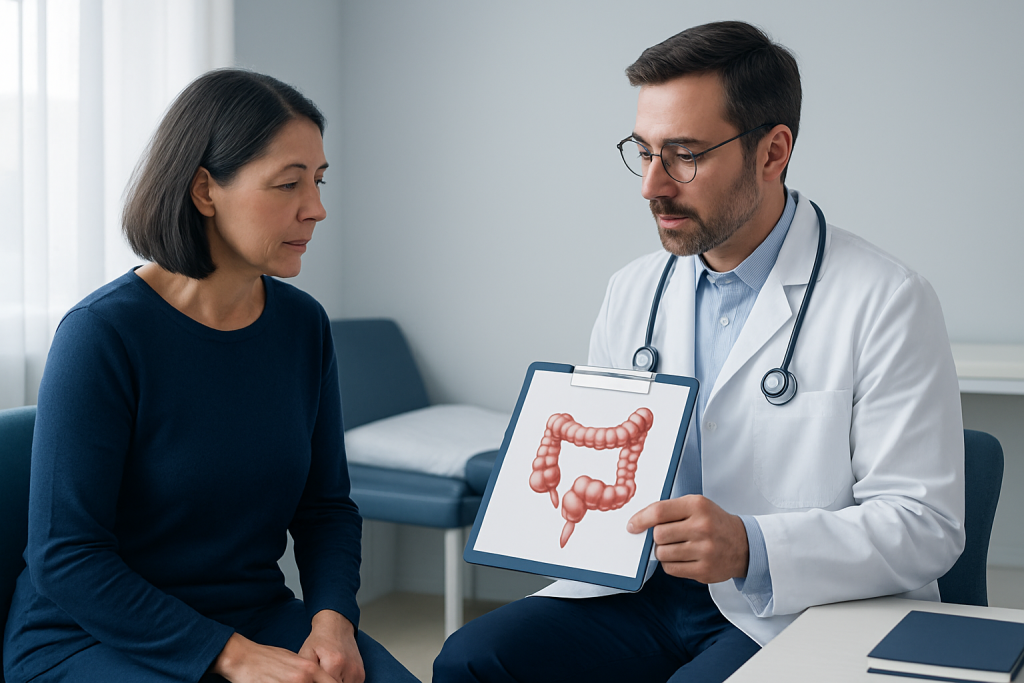
Cecal symptoms are not a diagnosis on their own; they are usually a clue to another underlying condition. One common cause is inflammation, which can happen with infections, inflammatory bowel disease, or diverticulitis affecting the cecum. Less commonly, the cecum may be involved in a twist of the bowel, a blockage, or a mass that changes how stool moves through the colon.
Conditions that may affect the cecum include cecal diverticulitis, ulceration, ischemia, Crohn’s disease involving the ileocecal region, and, in some cases, cancer of the colon. The appendix can also create symptoms that seem cecal because of its close proximity. In emergency settings, doctors pay special attention to this area because several important abdominal conditions overlap here.
Risk factors vary by cause. A history of inflammatory bowel disease, prior abdominal surgery, certain infections, dehydration, chronic constipation, or a family history of colorectal cancer may influence the likelihood of specific problems. Age, medication use, and travel history can also matter, especially when symptoms begin after an intestinal infection or abroad.
Diagnosis
Doctors usually start with a detailed history and a physical examination. They ask where the pain is located, how it feels, when it started, whether it moves, and whether there are bowel changes, fever, nausea, or blood in the stool. This first step is especially important because cecal problems can resemble appendicitis or other urgent abdominal conditions.
Tests may include blood work to look for signs of infection or inflammation, stool tests when infection is suspected, and imaging studies such as abdominal ultrasound or CT scan. In some situations, colonoscopy may be recommended to inspect the lining of the large intestine more closely, especially when symptoms are persistent or when doctors need to evaluate possible inflammatory disease or a growth.
For international patients, diagnosis may involve reviewing prior images or reports from home and deciding which studies need to be repeated locally. A clear timeline of symptoms, past operations, medications, and any recent travel can help the medical team choose the most efficient and safe workup.
Treatment Options
Treatment depends entirely on the cause. Mild inflammation or an uncomplicated infection may be managed with observation, fluids, bowel rest, or medication guided by the doctor. If a bacterial infection is identified, antibiotics may be appropriate. If Crohn’s disease or another chronic inflammatory disorder is involved, treatment is usually planned by a gastroenterologist and may involve longer-term medicine and follow-up.
Some cecal conditions require procedures or surgery. For example, bowel obstruction, a twist of the bowel, severe diverticulitis, significant bleeding, or a suspicious mass may need urgent or elective intervention. The best approach is chosen after imaging and clinical assessment, rather than from symptoms alone.
Recovery planning matters, especially for people who have traveled for care. Doctors may discuss diet progression, pain control, activity limits, wound care if surgery was needed, and when it is safe to fly home or return to work. Follow-up tests may be scheduled to confirm healing or to monitor a chronic condition over time.
Prevention & Self-care
Not every cecal problem can be prevented, but healthy bowel habits may lower the risk of some digestive troubles and support recovery. Regular hydration, a balanced diet with appropriate fiber, physical activity, and avoiding long periods of constipation can help keep the colon moving smoothly. If a person has a known bowel condition, staying consistent with treatment is often more helpful than waiting for symptoms to settle on their own.
Self-care should be gentle and realistic. Rest, fluids, and a bland diet may be appropriate for temporary digestive upset if a doctor has advised watchful waiting. However, it is better not to self-treat persistent right lower abdominal pain with painkillers alone, because that can mask an important diagnosis. People should also keep track of symptoms, temperature, bowel movements, and any triggers to share with the medical team.
After treatment, follow the plan exactly as recommended. If the doctor asks for repeat imaging, blood tests, or colonoscopy, those appointments should not be skipped simply because the person feels better. For those returning to another country, a written discharge summary and clear instructions for local follow-up can make continuity of care much easier.
When to See a Doctor
Medical assessment is advised for persistent or unexplained right lower abdominal pain, especially if it lasts more than a day or two, keeps returning, or is getting worse. A doctor should also be contacted sooner if there is fever, vomiting, belly swelling, blood in the stool, severe tenderness, or inability to pass stool or gas. These symptoms do not always mean something serious, but they should not be ignored.
People with inflammatory bowel disease, a history of abdominal surgery, a known mass, or a recent bowel infection should seek advice promptly if new cecal-area symptoms appear. The same is true when pain begins during travel, after an international flight, or while recovering from another procedure, because dehydration and stress can complicate the picture.
Acibadem Health Point’s multidisciplinary specialists and JCI-accredited hospitals diagnose and treat cecum-related conditions for international patients, with coordinated care that supports both the initial evaluation and any follow-up needs after discharge.
Living With a Cecal Condition
Many people feel relieved simply to learn that the cecum is a normal part of the bowel and that a finding in this area does not automatically mean a major illness. When a condition is identified early, treatment is often straightforward, and even more complex problems can usually be managed with a planned approach rather than uncertainty.
For patients navigating care across borders, the most useful tools are clear records, open communication, and timely follow-up. Keeping copies of imaging reports, pathology results, medication lists, and procedure notes helps local doctors continue care smoothly after travel. Questions about diet, activity, and warning signs should be answered before leaving the treating team.
With the right diagnosis and a sensible care plan, most cecum-related concerns can be evaluated effectively and managed in a way that protects long-term digestive health.
Frequently asked questions
What is the cecum?
The cecum is the first part of the large intestine. It is a small pouch in the lower right abdomen where the small intestine joins the colon.
Can the cecum cause pain?
Yes, but cecum-related pain usually happens because of an underlying problem such as inflammation, infection, obstruction, or a nearby appendix issue. Pain is often felt in the right lower abdomen.
How is a cecum problem diagnosed?
Doctors typically use a history, physical examination, blood tests, and imaging such as ultrasound or CT. Colonoscopy may be used when a closer look at the bowel lining is needed.
Is cecum pain the same as appendicitis?
Not necessarily. Appendicitis and cecal conditions can feel very similar because the structures are close together, so medical assessment is important to tell them apart.
Can cecum conditions be treated without surgery?
Yes, some can. Depending on the cause, treatment may include fluids, observation, diet changes, antibiotics, or medicines for inflammatory bowel disease, while others require a procedure or surgery.
When should someone seek urgent care for right lower abdominal pain?
Urgent care is sensible if the pain is severe, comes with fever, repeated vomiting, a swollen abdomen, blood in the stool, or inability to pass stool or gas. These signs need prompt medical review.
References
- National Institute of Diabetes and Digestive and Kidney Diseases
- American College of Gastroenterology
- Mayo Clinic
- Cleveland Clinic
- World Health Organization
This article is for general information only and is not a substitute for professional medical advice. Please consult a qualified doctor about your individual situation.