CBC Blood Test: What It Measures and Why It’s Done

Key Takeaways
- A CBC blood test measures red blood cells, white blood cells, hemoglobin, hematocrit, and platelets.
- Abnormal results do not always mean disease; they often need to be interpreted with symptoms and other tests.
- The test is simple, usually quick, and may be repeated to track changes over time.
- CBC results can help evaluate infections, anemia, bleeding problems, inflammation, and some chronic illnesses.
- Anyone traveling for care can usually complete follow-up CBC testing locally after consultation with a doctor.
Medically reviewed by the Acıbadem clinical team — August 19, 2026
A CBC blood test, or complete blood count, is a common test that helps doctors assess overall health and look for signs of infection, anemia, inflammation, and certain blood disorders. It is often one of the first tests ordered because it offers a broad snapshot of how the blood and bone marrow are functioning.
Overview
A CBC blood test is one of the most familiar tests in modern medicine, yet its value is easy to underestimate. It gives clinicians a practical overview of the cells that carry oxygen, fight infection, and support clotting, making it useful in routine checkups as well as in more complex evaluations.
For many international patients, a CBC is part of the first appointment when a doctor wants to build a clear picture before travel, treatment, or surgery. Because the test is widely available and straightforward to repeat, it is also helpful for follow-up care after returning home.
The term CBC stands for complete blood count. Some laboratories use slightly different wording, but the core idea is the same: a measured look at the blood’s major cell types and related values.
What the CBC Measures
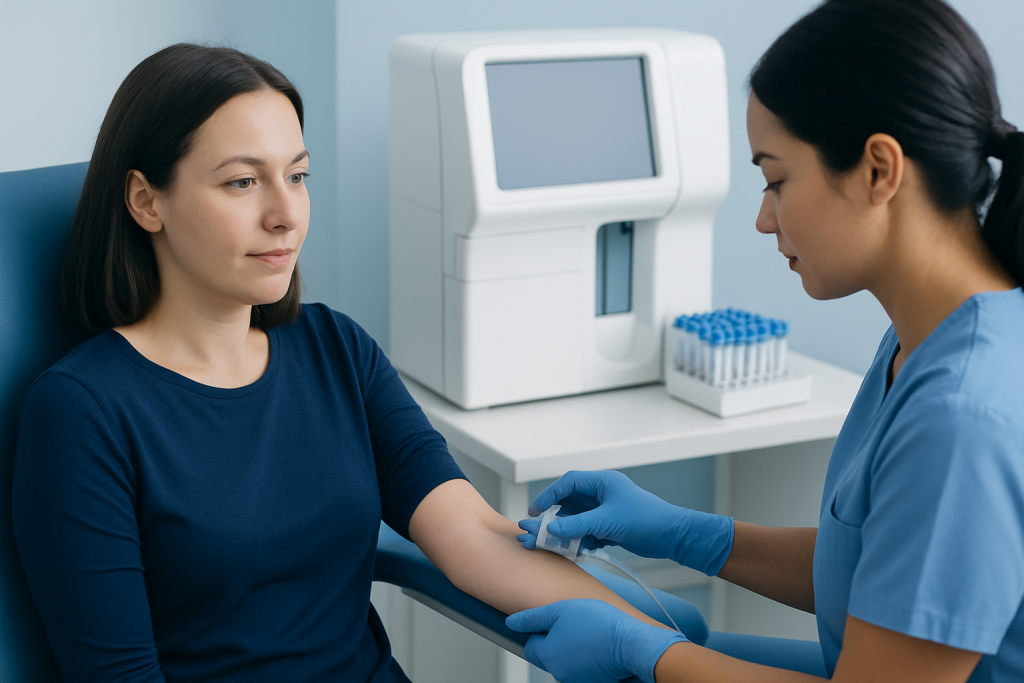
A CBC does not examine every detail of the blood, but it captures several key markers that tell an important story. The most familiar components are red blood cells, white blood cells, hemoglobin, hematocrit, and platelets. Many reports also include indices that describe the size and characteristics of red blood cells.
Red blood cells and hemoglobin are linked to oxygen delivery. Hematocrit reflects the proportion of blood made up of red cells. White blood cells help the body respond to infection and inflammation, while platelets play a central role in clotting.
- Red blood cells: help carry oxygen throughout the body
- Hemoglobin: the protein in red cells that binds oxygen
- Hematocrit: the percentage of blood volume made up of red cells
- White blood cells: support the immune response
- Platelets: help stop bleeding by forming clots
Common Symptoms That May Lead to a CBC

Doctors may order a CBC when symptoms suggest that something in the blood or immune system needs attention. Fatigue, pallor, shortness of breath, frequent infections, easy bruising, or unusual bleeding are common reasons to check the blood count.
The test may also be used when symptoms are less specific, such as fever, unexplained weakness, dizziness, or ongoing inflammation. In these situations, a CBC can help narrow the next steps rather than provide the entire answer on its own.
In preventive care, a CBC may be part of a broader health assessment even when a person feels well. This is especially common before procedures, during chronic disease monitoring, or when a doctor wants a baseline result for future comparison.
Causes and Risk Factors for Abnormal Results
Abnormal CBC results can appear for many reasons, and not all of them are serious. A temporary infection, recent bleeding, dehydration, iron deficiency, vitamin deficiencies, medication effects, or chronic inflammation can all shift the numbers in recognizable ways.
High or low values may also relate to bone marrow conditions, autoimmune disease, kidney problems, liver disease, or disorders affecting blood cell production or destruction. Because many conditions overlap in their CBC patterns, the test is best viewed as a clue rather than a final diagnosis.
Risk factors depend on the direction of the abnormality. Heavy menstrual bleeding, vegetarian or restricted diets, pregnancy, recent surgery, smoking, chronic illness, and a family history of blood disorders may all influence the likelihood of changes in the CBC.
How Diagnosis Is Made
A CBC is usually performed from a small blood sample drawn from a vein in the arm. The process is quick, and most people tolerate it well. In many cases, no special preparation is needed, although a doctor may give instructions if the CBC is part of a larger panel.
After the blood is analyzed, the doctor interprets the numbers in context. A result that is slightly outside the reference range may be insignificant in one person and important in another, depending on age, sex, symptoms, medications, hydration status, pregnancy, and medical history.
When the CBC is abnormal, the next step may be a repeat test or additional studies such as iron studies, vitamin B12 or folate testing, inflammatory markers, a peripheral blood smear, kidney function tests, or specialized hematology evaluation. This stepwise approach helps avoid unnecessary concern and keeps the workup focused.
Treatment Options
There is no single treatment for an abnormal CBC because the result reflects an underlying issue rather than a disease by itself. Treatment depends entirely on the cause. For example, iron deficiency may be treated differently from infection, medication-related suppression, or a bone marrow disorder.
Some people need only observation and repeat testing, especially when the change is mild and temporary. Others may require treatment for an infection, nutritional correction, medication adjustment, management of chronic disease, or a specialist referral to hematology.
For international patients, treatment planning often starts with a clear explanation of which abnormality is present, what it likely means, and what can safely be followed up at home. In some cases, a doctor may recommend repeat CBC testing after travel to confirm that the pattern is improving or stable.
Prevention and Self-care
Many CBC abnormalities cannot be prevented completely, but healthy habits support blood and immune health. A balanced diet with adequate iron, folate, vitamin B12, and protein is important, especially for people with restrictive eating patterns or known deficiencies.
Staying hydrated can help avoid misleading concentration changes in the blood count, and following medication instructions carefully may reduce avoidable effects on blood cells. People receiving long-term treatment should keep scheduled monitoring appointments so changes are recognized early.
Self-care also includes paying attention to symptoms rather than relying on numbers alone. Persistent tiredness, unexplained bruising, recurrent infections, or bleeding that seems out of proportion to a minor injury deserves medical review, even if a prior test was reassuring.
When to See a Doctor
A doctor should review CBC results when they are outside the reference range, especially if the person has symptoms or an underlying medical condition. It is also sensible to seek medical advice if a CBC is normal but symptoms such as fatigue, fever, easy bruising, or bleeding continue without explanation.
Urgent care may be needed for severe shortness of breath, chest pain, fainting, black stools, uncontrolled bleeding, or signs of a serious infection. These symptoms do not automatically mean the CBC is the cause, but they should not wait for a routine appointment.
Acibadem Health Point supports international patients with multidisciplinary specialists and JCI-accredited hospitals that diagnose and treat blood-related conditions as part of coordinated care. A doctor can help interpret the CBC accurately and decide whether further testing or follow-up is the safest next step.
Frequently asked questions
What does a CBC blood test check for?
A CBC blood test measures the main types of blood cells and related values, including red blood cells, white blood cells, hemoglobin, hematocrit, and platelets. It helps doctors look for signs of anemia, infection, inflammation, bleeding problems, and some blood disorders. It is often one of the first tests used because it offers a broad overview of health.
Do I need to fast before a CBC blood test?
Usually, fasting is not required for a CBC blood test. However, if it is being done with other tests, such as glucose or cholesterol measurements, a doctor may advise fasting. It is best to follow the instructions given by the clinic or laboratory.
Can a CBC tell if someone has cancer?
A CBC can sometimes show abnormal patterns that need further evaluation, but it cannot diagnose cancer on its own. Many non-cancerous conditions can also cause similar changes. If a doctor is concerned, additional tests are usually needed to understand the result properly.
Why would a CBC be repeated?
A CBC may be repeated to see whether an abnormality is temporary, improving, or getting worse. Doctors also repeat the test to monitor treatment, recovery after illness, or changes related to medications or chronic conditions. Repeat testing helps interpret trends rather than relying on a single number.
What should someone do if the CBC result is abnormal?
An abnormal result should be reviewed with a doctor, who can explain what it means in context. The next step may be another test, a short period of observation, or treatment for an underlying condition. It is important not to assume the worst, because many CBC changes have common and manageable causes.
Is a CBC useful before traveling for medical care?
Yes, a CBC is often useful before travel for planned treatment because it gives a clear baseline and helps the medical team understand overall health. It can also be repeated during recovery or after returning home to monitor progress. This makes it a practical part of coordinated international care.
References
- MedlinePlus
- Mayo Clinic
- National Heart, Lung, and Blood Institute
- Cleveland Clinic
- Merck Manual Professional Edition
This article is for general information only and is not a substitute for professional medical advice. Please consult a qualified doctor about your individual situation.
Explore treatments in Turkey — costs, top hospitals & a free quote
JCI-accredited · board-certified surgeons · reply within 24h
Add us as a Preferred Source to see more of our trusted health content across Google Search, AI Overviews and Discover.